Floods
S


Cloud Precipitation

Wetter than ever: Winter 2018-19 was USA's soggiest in recorded history

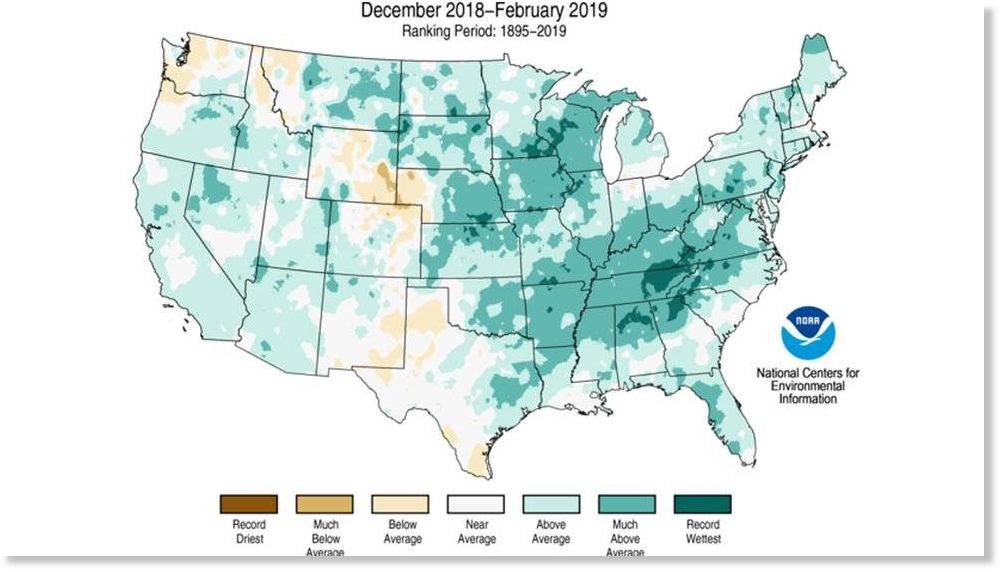
Winter 2018-19 was the wettest on record
© NOAAWinter 2018-19 was the wettest on record in the Untied States
Umbrellas and snow shovels would have been wise investments over the past three months.

The winter of 2018-19 was the wettest winter ever recorded in the United States, according to a report federal scientists released Wednesday. (Climate scientists define winter as the months of December, January and February.)

In all, 43 of the "Lower 48" states had above-average levels of rain and snow from December to February, the report said. Tennessee was record wet while Wisconsin had its second-wettest winter.

In Tennessee, the colossal rains caused deadly flooding across the state in February. The floods killed four people, washed out homes, buried two stretches of interstate highway under tons of mud and rock, and led to a statewide declaration of emergency.

Rose

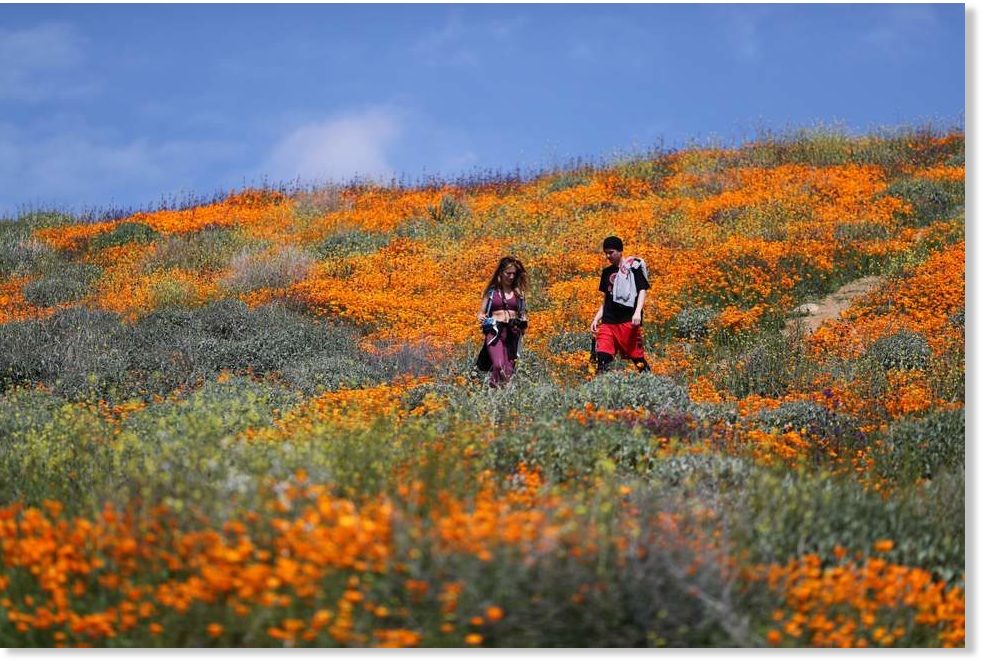
Rain brings 2nd California super bloom in 2 years

Southern California's Anza-Borrego desert
© REUTERSSouthern California's Anza-Borrego desert is covered in swathes of colourful wildflowers after weeks of heavy rains
It started with the desert lilies in December. Since then a wave of wildflower blooms has been crescendoing across Southern California's Anza-Borrego desert in a burst of color so vivid it can be seen from mountain tops thousands of feet above.

Two years after steady rains followed by warm temperatures caused seeds dormant for decades under the desert floor to burst open and produce a spectacular display dubbed the "super bloom," another winter soaking this year is expected to create possibly an even better show by Mother Nature.

Having two super blooms in two years is highly usual. In California, super blooms happen about once in a decade in a given area, and they have been occurring less frequently with the drought.


Comment: A similar situation is evident in Arizona.

spring wildflowers bloom at Picacho Peak State
© Oscar Perez/Casa Grande DispatchSpring wildflowers bloom at Picacho Peak State Park in Picacho Peak, Ariz.
FLOWERS
FLOWERS
FLOWERS


Cloud Precipitation

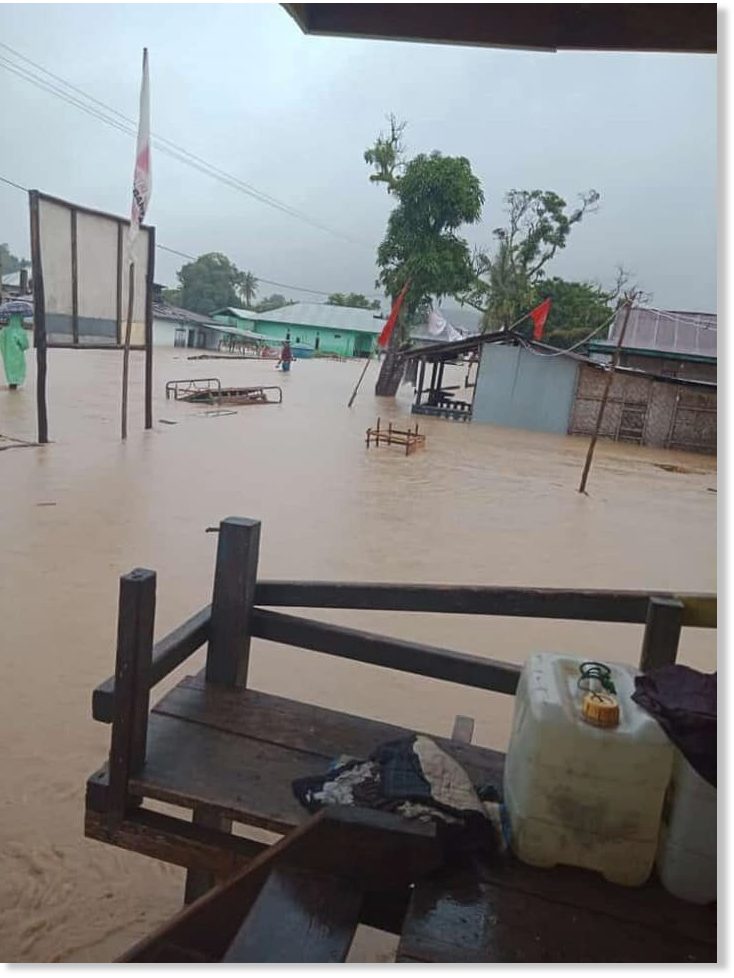
Flooding and landslides leave 3 dead, thousands affected in Indonesia

Floods in East Nusa Tenggara, Indonesia, March 2019.
© BNPBFloods in East Nusa Tenggara, Indonesia, March 2019.
At least 3 people have died and six more are missing after torrential rain and severe flooding in parts of Indonesia since 06 March, 2019.

Flores Island

Heavy rain in East Nusa Tenggara Province on Flores Island caused flooding and landslides in the Komodo and Mbliling Districts of West Manggarai Regency early on 07 March, 2019.

According to a report by national disaster agency spokesman Sutopo Purwo Nugroho, at least 2 people have died, 6 are still missing and 3 reported injured.

Three homes and a bridge have also been severely damaged and important transport routes blocked by landslides.

As of 08 March disaster authorities were still carrying out evacuations and damage assessments.


Cloud Precipitation

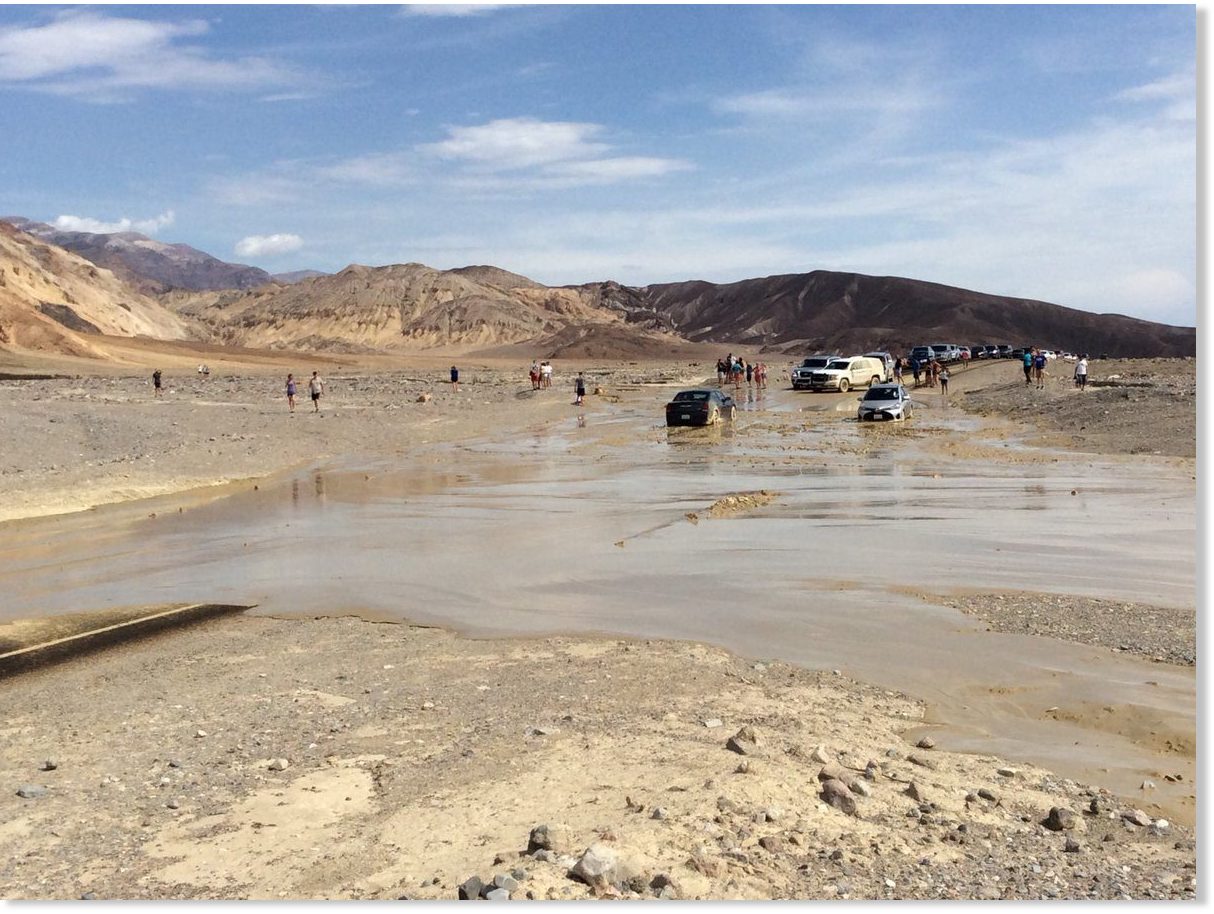
Death Valley, America's driest location swamped by flooding

floods
Flooding struck America's driest location, Death Valley, California, on Wednesday morning, and this weather paradox is not as unusual as you might think.

Death Valley averages just 2.36 inches of rain a year. It picked up 0.64 inches of rain in the 24 hours ending 4 a.m. PST on Wednesday, or about 27 percent of its annual average. That 24-hour total is also more than double the park's March average rainfall of 0.3 inches.

The soaking rain came from a storm system tapping an atmospheric river as it moved into California Tuesday night and Wednesday.

Flooding swamped State Route 190 in the park between Furnace Creek and Cow Creek, the California Highway Patrol reported.

Arrow Down

Italy sees 57% drop in olive harvest - The worst in 25 years

Olive trees in Italy infected by the xylella fastidiosa bacterium
© Tiziana Fabi/AFP/Getty ImagesOlive trees in Italy infected by the xylella fastidiosa bacterium.


Extreme weather blamed for plunge in country's olive harvest - the worst in 25 years - that could leave the country dependent on imports by April


Extreme weather events have been the "main driver" of an olive harvest collapse that could leave Italy dependent on imports from April, a leading climate scientist has warned.

A 57% plunge in the country's olive harvest - the worst in 25 years - sparked protests by thousands of Italian farmers wearing gilet arancioni - orange vests - in Rome earlier this month.

Olive trees across the Mediterranean have been hit by freak events that mirror climate change predictions - erratic rainfalls, early spring frosts, strong winds and summer droughts.

Prof Riccardo Valentini, a director of the Euro-Mediterranean Center for climate change, said: "There are clear observational patterns that point to these types of weather extremes as the main drivers of [lower] food productivity."

He added: "Freezing temperatures in the Mediterranean are anomalous for us. In any direction the extremes are important and indeed, they are predicted by climate change scenarios."

Several reports by the UN intergovernmental panel on climate change (IPCC) "all point to these climatic extremes as one of the major impacts of climate change", he said. "We know there will be more extremes and anomalies in the future."


Comment: This must read provides some crucial context for the drive behind the IPCC:

The Dark Story Behind 'Man-Made Global Warming', Those Who Created it - And Why


Comment: Crop and cattle losses are on the rise everywhere, whether it is due to extensive drought, massive hail, epic flooding, unexpected frosts, and even epidemics. See also:


Attention

Adapt 2030 Ice Age Report: Global 'Peak Wheat' production has arrived - What it means for you

wheat harvest
We have reached "Peak Wheat" production globally as the current 4% decline in yields is not enough to cover the demand on our planet. There is enough to supply if we continue to dig into carryover stocks and reserves, but at these rates this will last for five years maximum, all the while global yields will continue to decrease and more mouths to feed will drive consumption. This is the most detailed overall picture to show you where we are in terms of Grand Solar Minimum crop losses and where we are headed in the next five years. The information will allow you to map out the changes to protect your family and yourselves and get communities organized around you.


Comment: Crop and cattle losses are on the rise everywhere, whether it is due to extensive drought, massive hail, epic flooding, unexpected frosts, and even epidemics. See also: Erratic seasons and extreme weather devastating crops around the world


Cloud Precipitation

Afghanistan, Pakistan and Iran - Dozens feared dead after devastating flash floods

flood
© Ariana News ‏
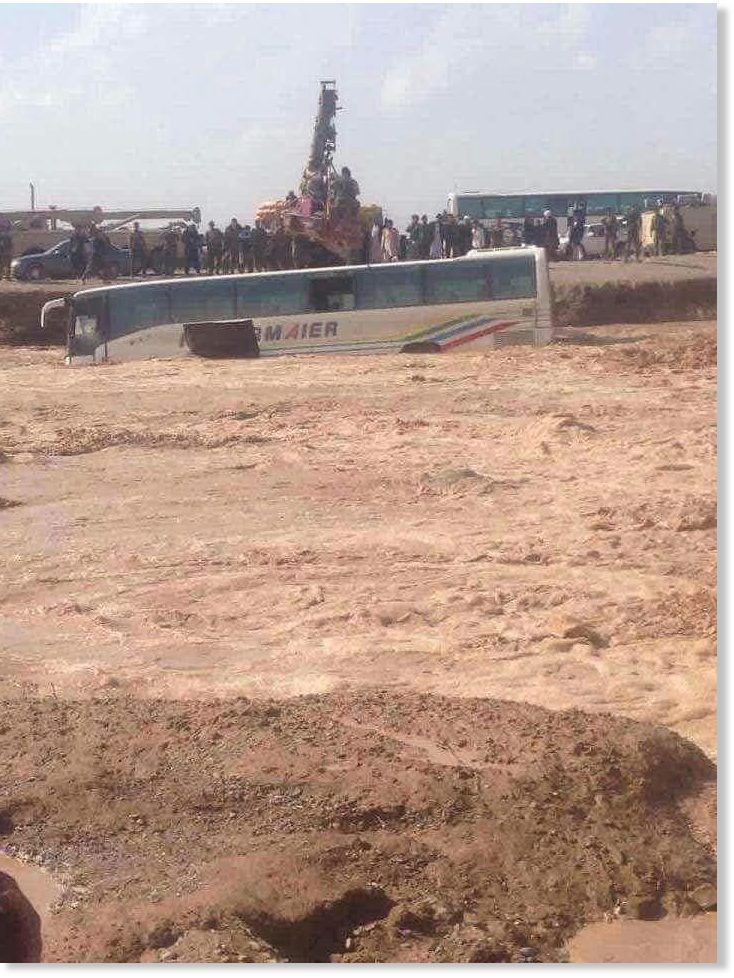
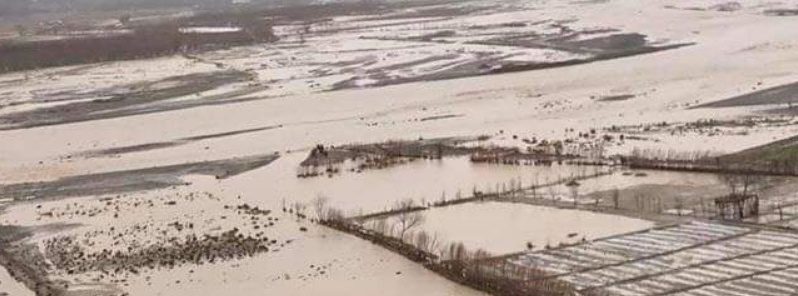
Heavy rain has caused flash flooding and landslides in areas of Iran, Pakistan and Afghanistan over the last few days. Parts of Kandahar Province in Afghanistan recorded around half its annual rainfall in 30 hours. Parts of Pakistan have also been affected by severe snowstorms.

According to media reports, as many as 50 people have died as a result of flooding, landslides or collapsing buildings across the 3 countries.

Afghanistan

Heavy rain in Afghanistan has caused flooding in the provinces of Kandahar, Kunar, Zabul, Nimroz, Hirat and Farah, according to a report by the United Nations. Infrastructure as well as hundreds of homes have been damaged.


Comment: See additionally: 4 months' worth of rain in 30 hours floods desert city of Kandahar, Afghanistan - At least 20 killed, 2000 homes damaged


Cloud Precipitation

4 months' worth of rain in 30 hours floods desert city of Kandahar, Afghanistan - At least 20 killed, 2000 homes damaged

Floods in Kandahar, Afghanistan on March 1, 2019.
© Elham ShaheemFloods in Kandahar, Afghanistan on March 1, 2019.
Yesterday, heavy floods devastated the southern parts of Afghanistan, thereby leading to several adults and children reported getting drowned in this mishap. An official report was released by the United Nations (UN) regarding the heavy loss that has been reported as a result of heavy floods.

According to the UN Office for the Coordination of Humanitarian Affairs, heavy rains have led to killing of 20 people, including children. Kandahar city and six other districts including Herat province as well as Zheri, Dand, Damand, Arghandab, Spinboldak and Takh have become the victims of these floods. The floods have even devastated 2000 homes and swept away several cars.

'Hundreds of houses in Herat province were destroyed in flash floods, Afghan government officials said'. Moreover, at least 10 people, including children, are still missing in Arghandab, Daman, Spin Boldak and Dand districts.


Comment: Although 97 mm (3.81 inches) of rain doesn't sound very much, this region has a desert climate with about 176 mm (6.92 inches) of rain in an entire year and a downpour such as this in just 30 hours is devastating.

Extreme precipitation events are becoming the new norm. A small selection of recent related articles include:


Cloud Precipitation

Heavy rainfall and flooding sparks chaos in Amman, Jordan

flood
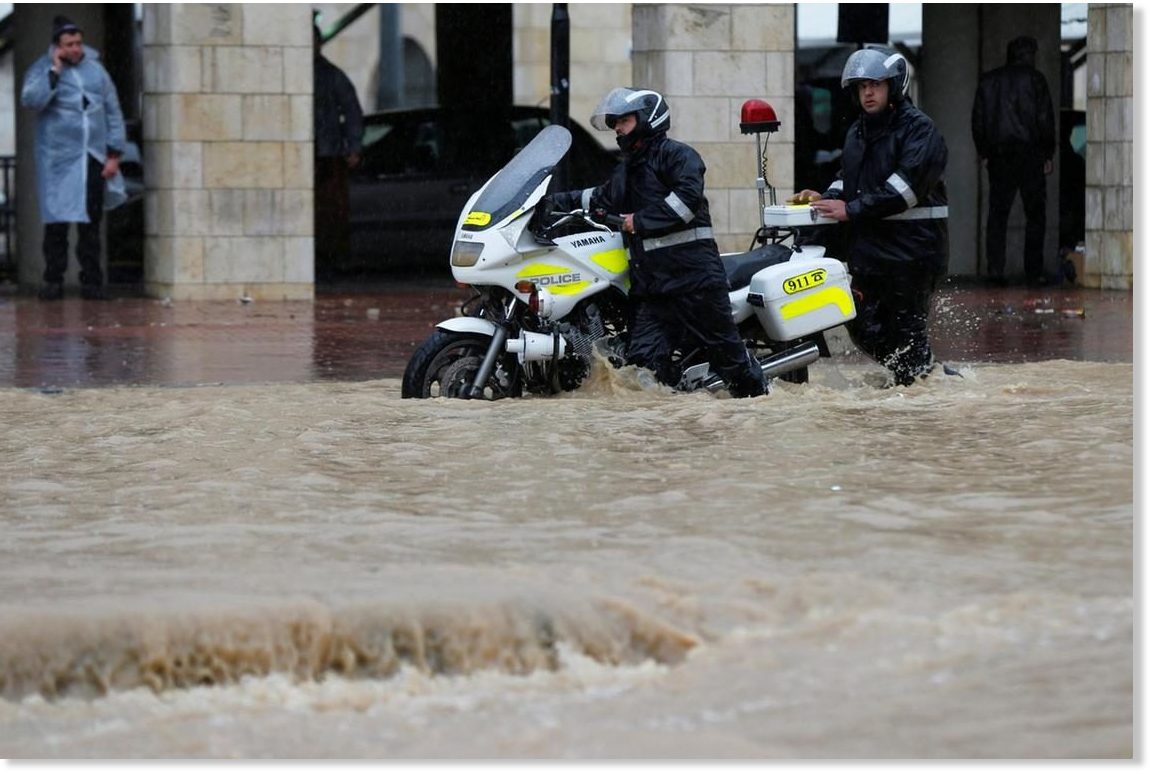
Heavy rainfall and flooding sparked chaos in Amman's streets on Thursday.

Cars were washed away and people rescued after a deluge filled the Jordanian capital's roads with water.

Several vehicles broke down in the streets, causing traffic to stop, Ammon News reported.


Boat

California residents survey damage as historic floods recede

Guerneville flooding
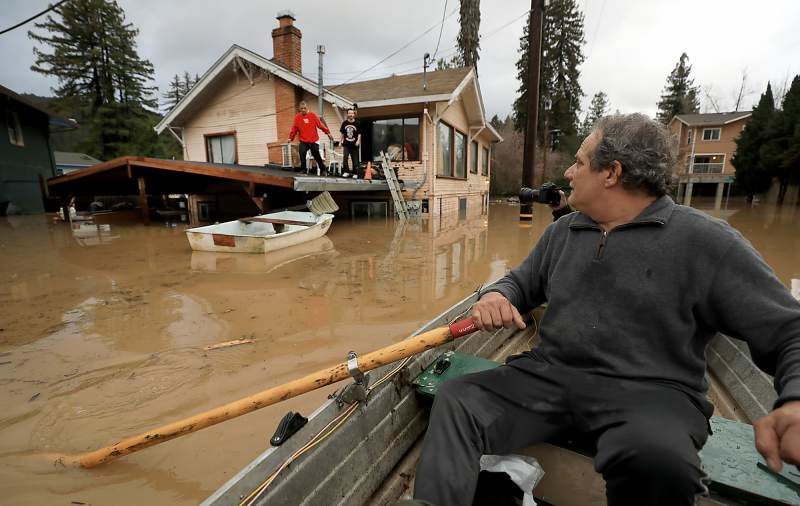
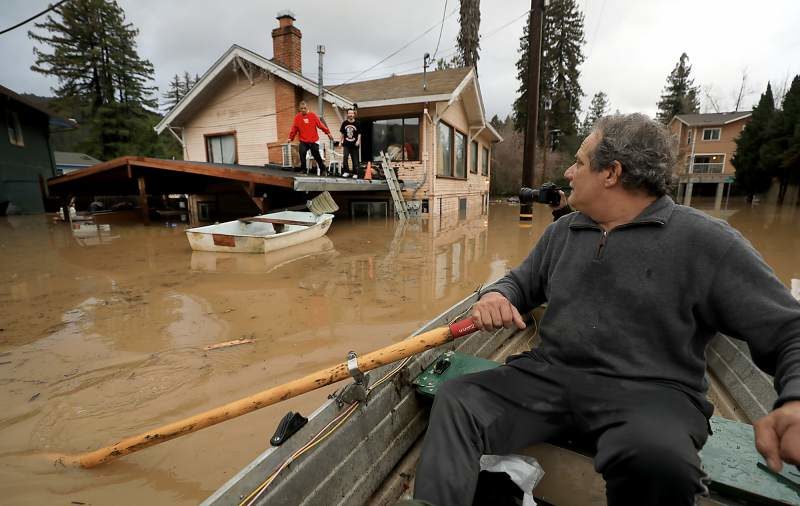
© Kent Porter / The Press DemocratJonathan Von Renner checks on his son Jonathan Jr., and friend Emilio Ontivares in lower Guerneville, Wednesday, Feb. 27, 2019.

Tom Orr began moving lyrics and scripts, clothes and photo albums from his apartment as authorities ordered evacuations along a rising Northern California river threatening to hit a historic crest.

But the actor and writer couldn't move costumes, computers and performance videos. So he shifted those to his loft bed about 10 feet up and prayed they would survive. On Wednesday, television news footage showed muddy brown water nearly swallowing his ground-level unit and much of the tiny town of Guerneville, part of Sonoma County's famed wine country and a popular tourist destination.

Residents awoke Thursday to sunshine and began assessing the damage while the water started receding. Orr, 48, was among those still unable to get into his house after the rain-swollen Russian River reached nearly 46 feet (14 meters) Wednesday night, its highest level in more than 20 years.

"I feel so helpless just sitting here and waiting before I can go back and start salvaging whatever I can," Orr said in text messages to The Associated Press before preparing for a friend to take him by canoe to work at the Main Street Bistro, one of the few places in town that did not flood.

Sonoma County officials said they expected the communities of Guerneville and Monte Rio to be accessible by car Friday. The two-day storm rendered the towns reachable only by boat on Wednesday.

One National Weather Service station measured 20 inches of rain in 48 hours.