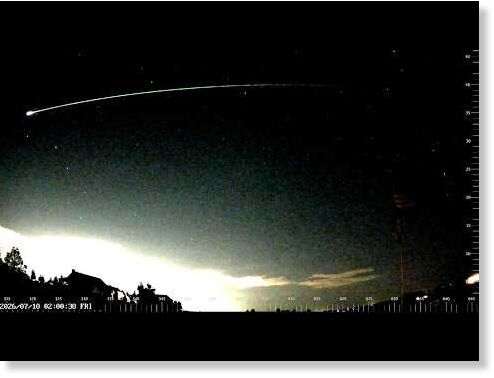
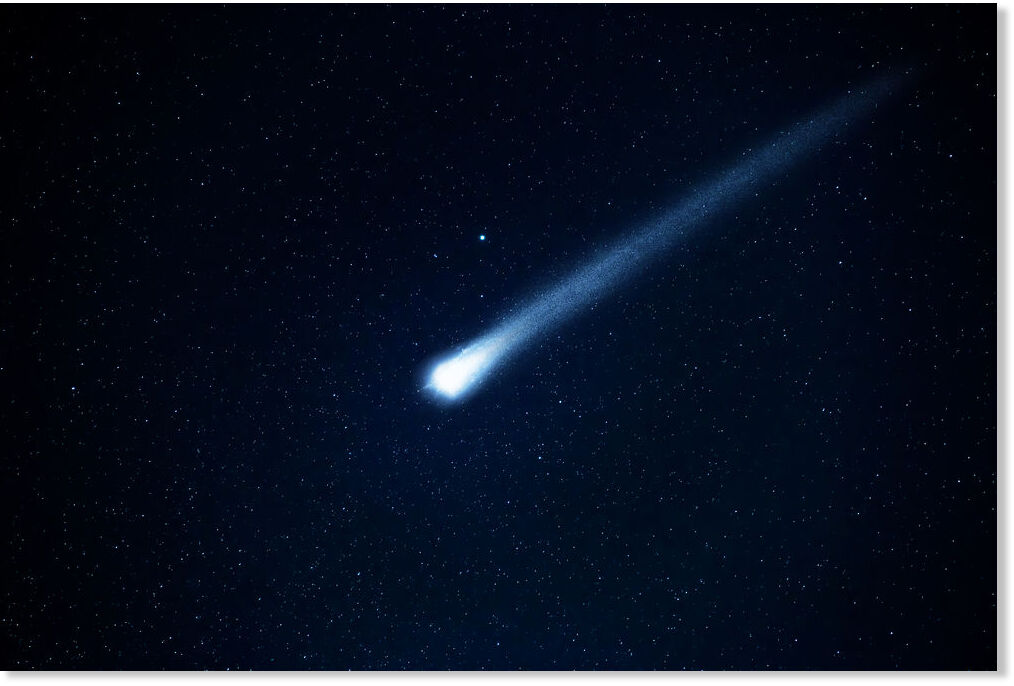
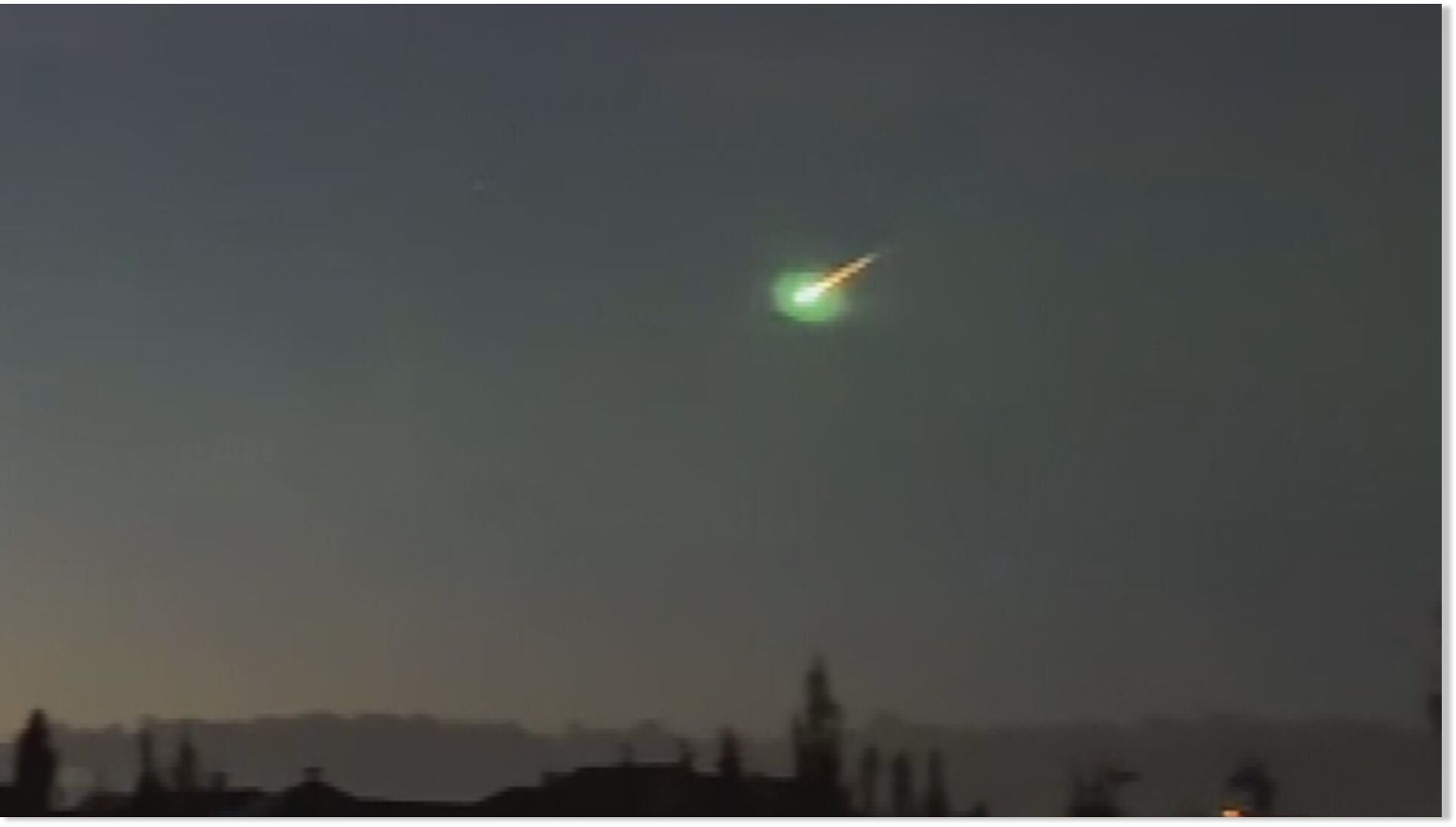
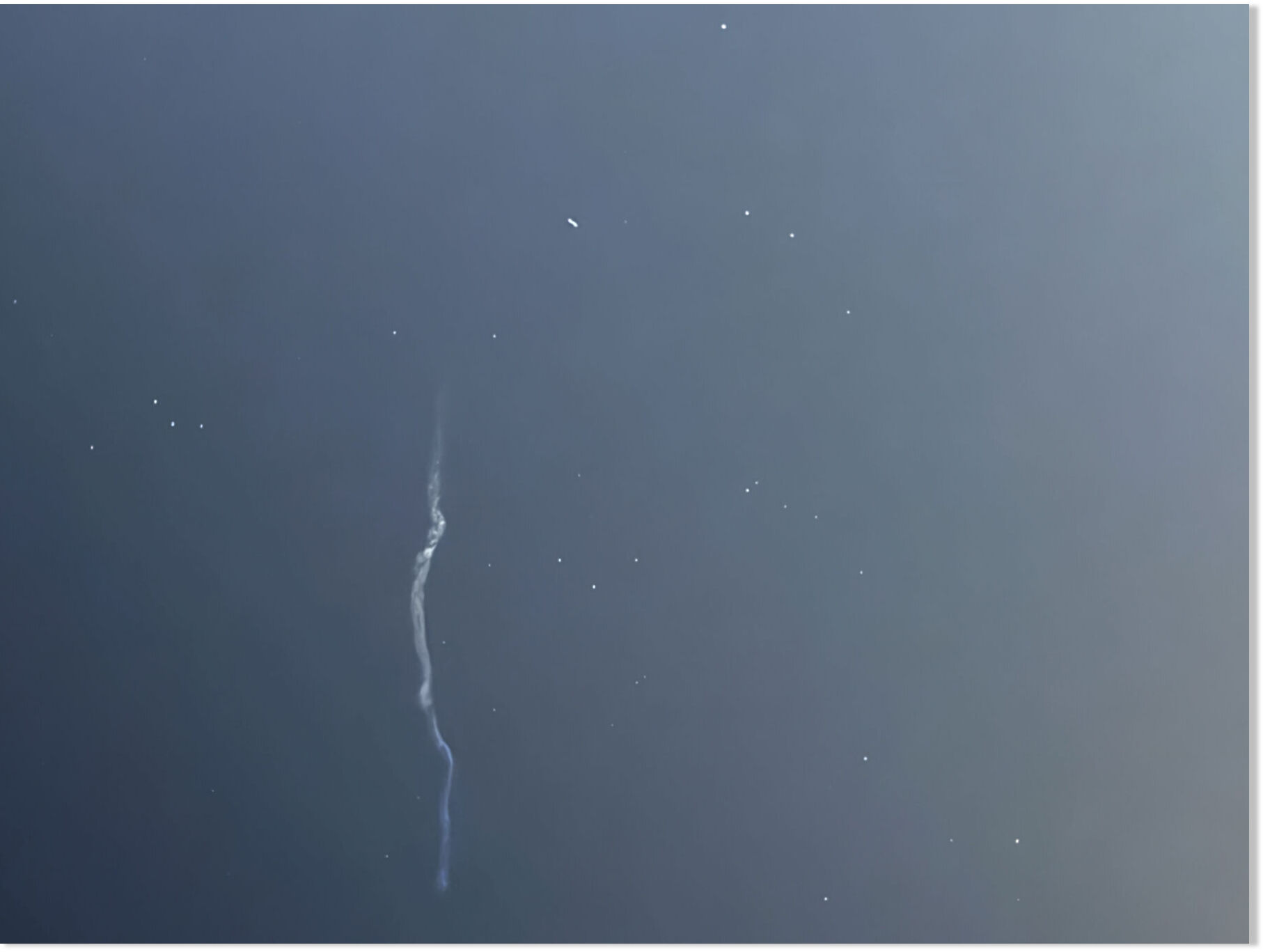
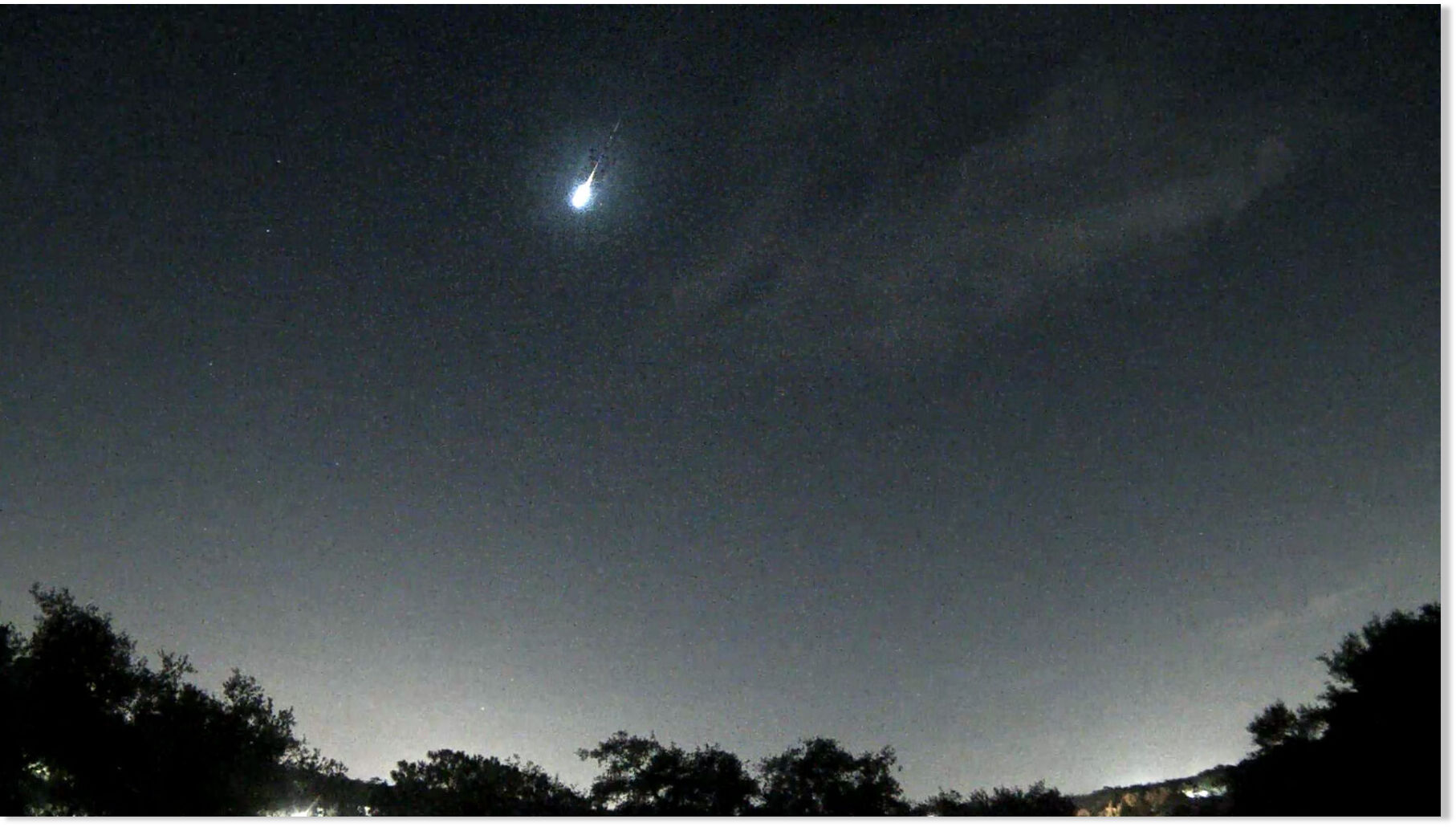
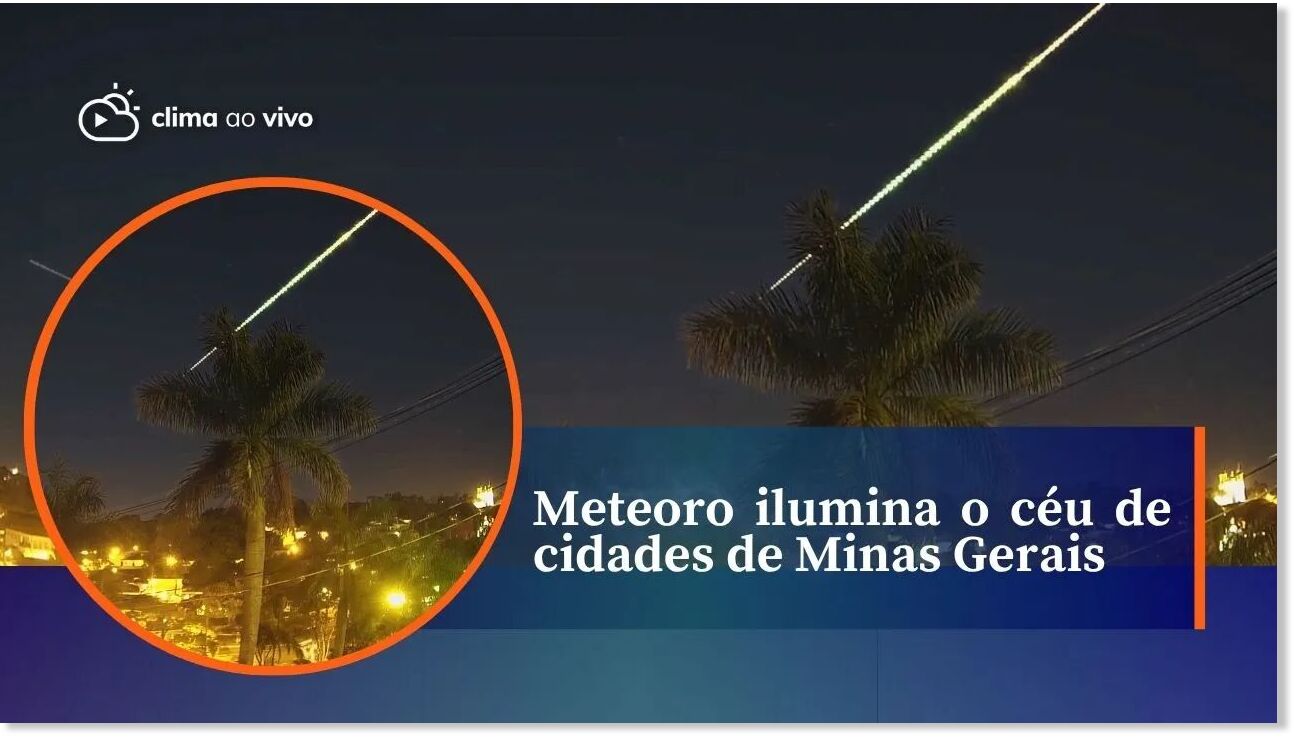
We received 42 reports about a fireball seen over Apulia, Calabria, Campania, Molise, Puglia, Sicilia, Split-Dalmatia County and Tivat Municipality on Friday, July 10th 2026 around 23:59 UT.
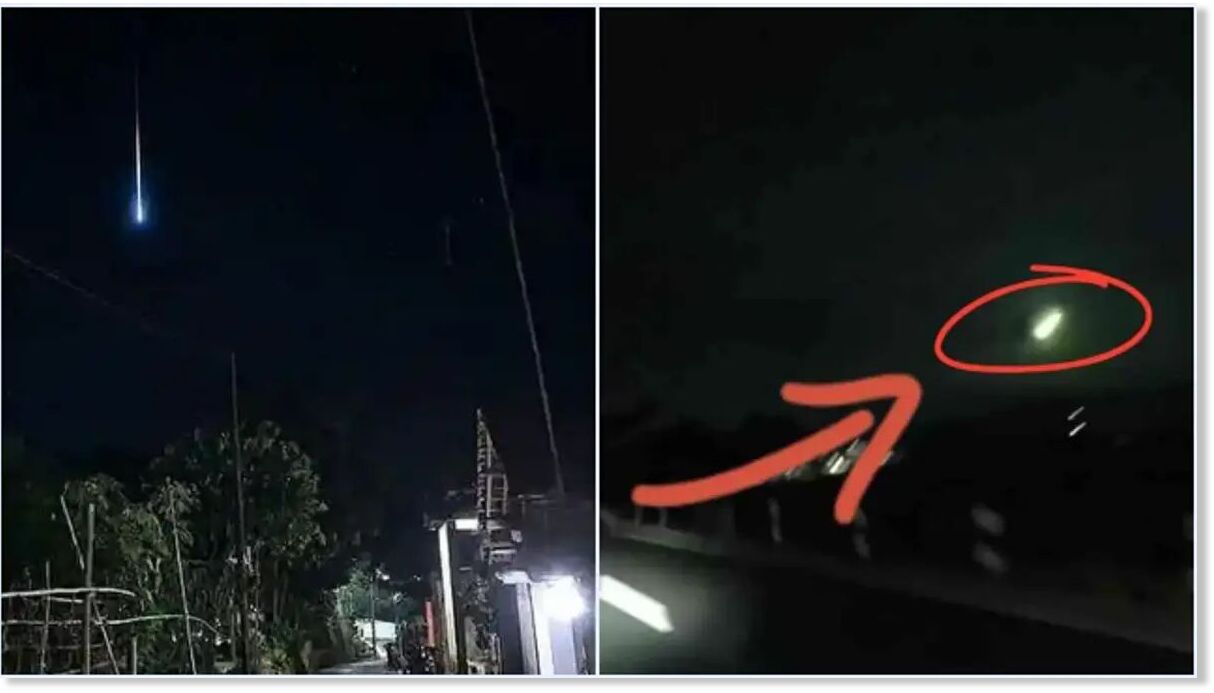
A celestial object, strongly suspected to be a meteor, streaked rapidly across the skies of Java, triggering a loud boom on Saturday (July 11, 2026) at approximately 21:30 WIB. This astronomical phenomenon caused a stir among residents across multiple provinces, spanning West Java, Central Java, and Yogyakarta.
A brilliant blue-green flash of light was observed cutting across the night sky, stretching from the Bogor and Ciamis areas to the western horizon of Yogyakarta. Meanwhile, residents in the Cirebon area reportedly heard a thunderous explosion loud enough to rattle the windowpanes of their homes.
The National Research and Innovation Agency (BRIN), together with relevant astronomical monitoring stations, is still gathering data to determine the size and impact point of the space rock. The public is advised to remain calm, as such giant fireball phenomena typically burn up completely in the atmosphere before reaching the ground.
Daryono, the former Director of the BMKG's Earthquake and Tsunami Center, confirmed visual reports regarding the falling fireball—which had a visible tail—via his personal social media account.
"An astronomical phenomenon involving a 'falling' meteor in the skies over Java. This falling meteor appeared as a fireball with a blue-green tail—July 11, 2026, at approximately 21:30 WIB," wrote Daryono.
Alex Antoneshyn and Steven Dyer CTV News Mon, 06 Jul 2026 19:36 UTC
Bright green fireball steaks over northern sky during aurora
Photographer Chris Ratzlaff was looking up at the sky that night for the aurora borealis, or northern lights, which were so bright they were visible even at his home in Calgary.
"I was recording it with my phone, just panning around the horizon... (and) I noticed this fireball streaking into my view of my camera," he recalled in an interview on Monday. "I just redirected from the aurora and started following the fireball as it went down."
He called it a lucky break, albeit one that happens more frequently with the growing prevalence of modern cameras that can shoot video in low light.
"A real-time live video of a fireball coming down? That's a unique experience. That's a unique capture, and it does get a lot of traction in the social media space," he said.
By Monday at noon, his video had been viewed more than half a million times where he posted it to the Alberta Aurora Chasers Facebook page.
I do believe that there will be a clash between East and West. I believe that there will be a clash between those who want freedom, justice and equality for everyone and those who want to continue the systems of exploitation. I believe that there will be that kind of clash, but I don't think that it will be based upon the color of the skin.
- Malcolm X
”
Recent Comments
"European governments should concentrate on helping partner countries tackle the objective drivers of migration: economic underdevelopment,...