
© AP
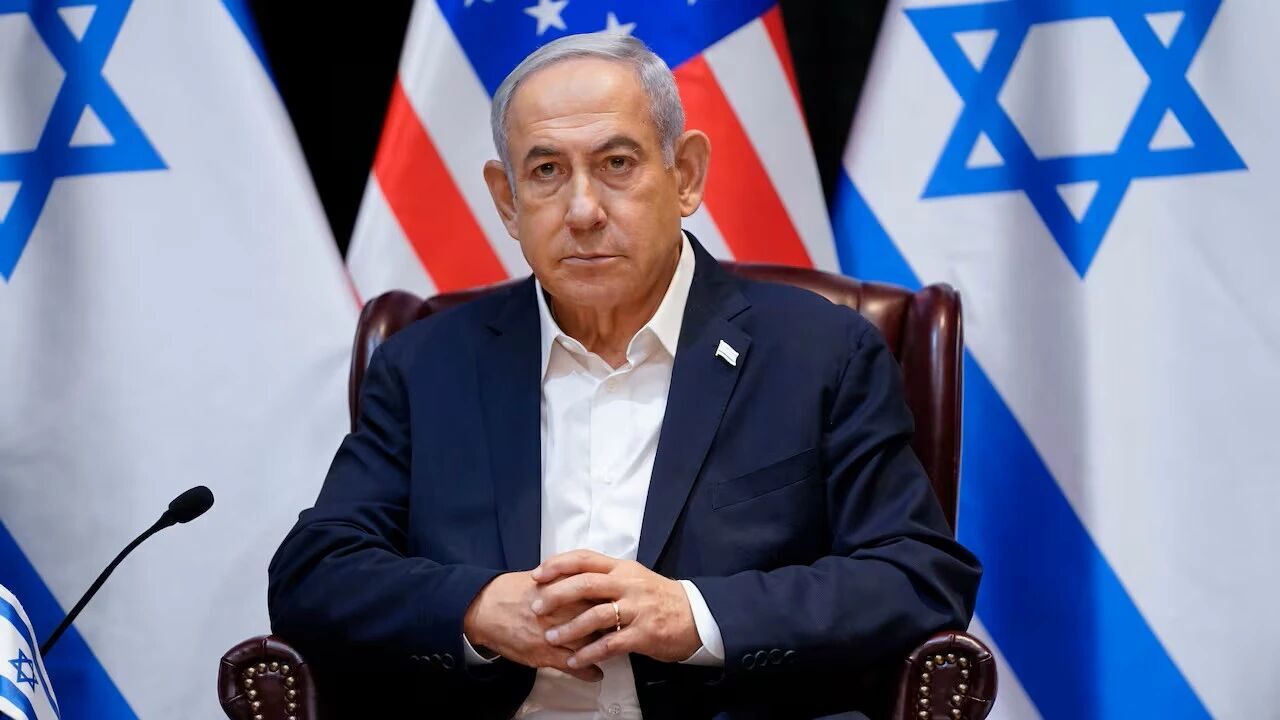
Israeli Prime Minister Benjamin Netanyahu is gearing up for efforts to "influence" the final US-Iran agreement via right-wing, pro-Israel senators and media figures - in a bid to "exert pressure" on US President Donald Trump, CNN reported on 18 June.
"Netanyahu is aiming to influence the final Iran deal ... using right-wing media figures and friendly senators to exert pressure on ... Trump," the outlet cites an Israeli source as saying.
The premier is "skeptical" of Iran's intentions and believes they were "never willing to negotiate in good faith," according to the source.
Comment: A classic case of Bibi projecting his own character onto Iran - and hoping that a few people in this world actually still believe him.
The report says Netanyahu's own assessment is that there will not be a final agreement between Washington and Tehran.
"Tehran will not genuinely agree to restrictions on its nuclear program," the Israeli source told CNN.
Since the signing of the memorandum of understanding (MoU), Netanyahu has been trying to "leverage" right-wing US media personalities such as Mark Levin, who stated on Wednesday that the new deal "doesn't even make any sense."
Levin also referred to the clause on a reconstruction and investment fund for Iran as a "slush fund."
Comment: Never mind the real slush fund Israel is in receipt of to the tune of several billion dollars a year from the US. Add to this the fact that the Iranians are only getting back their own money that's been withheld from them.
The Fox News show host continued to criticize the MoU on Thursday and said "The insanity of those defending parts of the MoU, or major matters left out of this MoU, is truly stunning," adding that the exclusion of the Iranian missile program is "an outrage."
Israeli officials, both from Netanyahu's coalition and from the opposition, have slammed the deal.
Finance Minister Bezalel Smotrich recently said it was "bad deal" both for Israel and for "the world."
Netanyahu and his War Minister Israel Katz have both threatened more attacks on the Islamic Republic.
Israeli journalists and media outlets are also expressing outrage over the MoU.
"The first clause of the agreement that addresses Iran and Lebanon in the same breath: an end to the war. But this is an end that strengthens Hezbollah, just as the agreement as a whole strengthens Iran," wrote Israeli journalist Ben-Dror Yemini.
"The best strategy for Israel right now is to absorb the fact that Trump, most likely, won't lift a finger against the Iranians until the congressional elections in November, and to use this period to convince him that if he doesn't act afterward, he will go down in history as one of the greatest losers of all time," said Channel 14's Tamir Morag.
Hebrew media has reported that Israel was blocked by the US from viewing the full text of the MoU.
According to the Wall Street Journal (WSJ), Trump is now following up with his team on the "accuracy" of what Netanyahu says during their phone conversations.
This is a deviation from his former habit and indicates he is losing trust in the Israeli premier, WSJ alleged.
"Why are you blowing up buildings? Stop blowing up buildings," Trump told Netanyahu in a recent call about Lebanon, the report goes on to claim.
Violations in Lebanon have not stopped. Israel continues to occupy south Lebanon and has bombarded the country everyday since the MoU was announced.
Earlier this month, Tehran launched a missile attack on Israel in response to one of its attacks on the Lebanese capital. Israel struck back with heavy airstrikes, but called off a larger assault.
Katz has said any further Iranian retaliation over Lebanon will be met with "full force" strikes on the Islamic Republic.
The MoU was signed electronically overnight and announced by Iran and Pakistan early on 18 June.
Aside from a full ceasefire in Lebanon, the official MoU text includes a withdrawal of US forces from areas surrounding Iran, joint administration of Hormuz in cooperation with Oman, and the development of a rehabilitation and reconstruction fund (worth $300 billion) by Washington and regional states.
Iranian support for resistance groups and Tehran's ballistic missile program - key Israeli demands that Tel Aviv has been pressuring Washington about - are not included.
During an initial 30-day period which will begin on 19 June, Iran is meant to gradually reopen the Strait of Hormuz, while the US is meant to end its blockade of Iranian ports.
The details of the MoU will be hammered out during technical negotiations over the 30 days that follow, bringing the total to 60 days - by the end of which a final deal must be reached.



Comment: The genocidal entity known as Israel may go above and beyond mere media and political pressure in exerting its influence over the Trump administration.
The translation of the Hebrew below is: "In a work meeting with the head of the Mossad"
And on what basis did Laura Loomer say the above??