
© Wired.com
A third ancestral group may be hiding inside the DNA of modern populations in Japan. A genetic study found the ancestry of people in Japan today may not fit into the long-standing two-origin model as once thought.
After analyzing the genomes of more than 3,200 people across Japan, evidence of a third ancestral component linked to northeastern Asia alongside the Indigenous Jomon hunter-gatherers and later East Asian migrants was found.
Published in Science Advances, the study used whole-genome sequencing to examine DNA from seven regions stretching from Hokkaido to Okinawa. The results support the "tripartite origins" theory proposed in 2021 and point to genetic differences across different parts of Japan.
Different Regions of Japan Showed Distinct Ancestry Patterns
The team analyzed the full genomes of 3,256 people from seven regions across Japan. Looking at entire genomes instead of smaller DNA samples gave them a much better picture of population differences and ancient migration patterns still preserved in modern DNA.
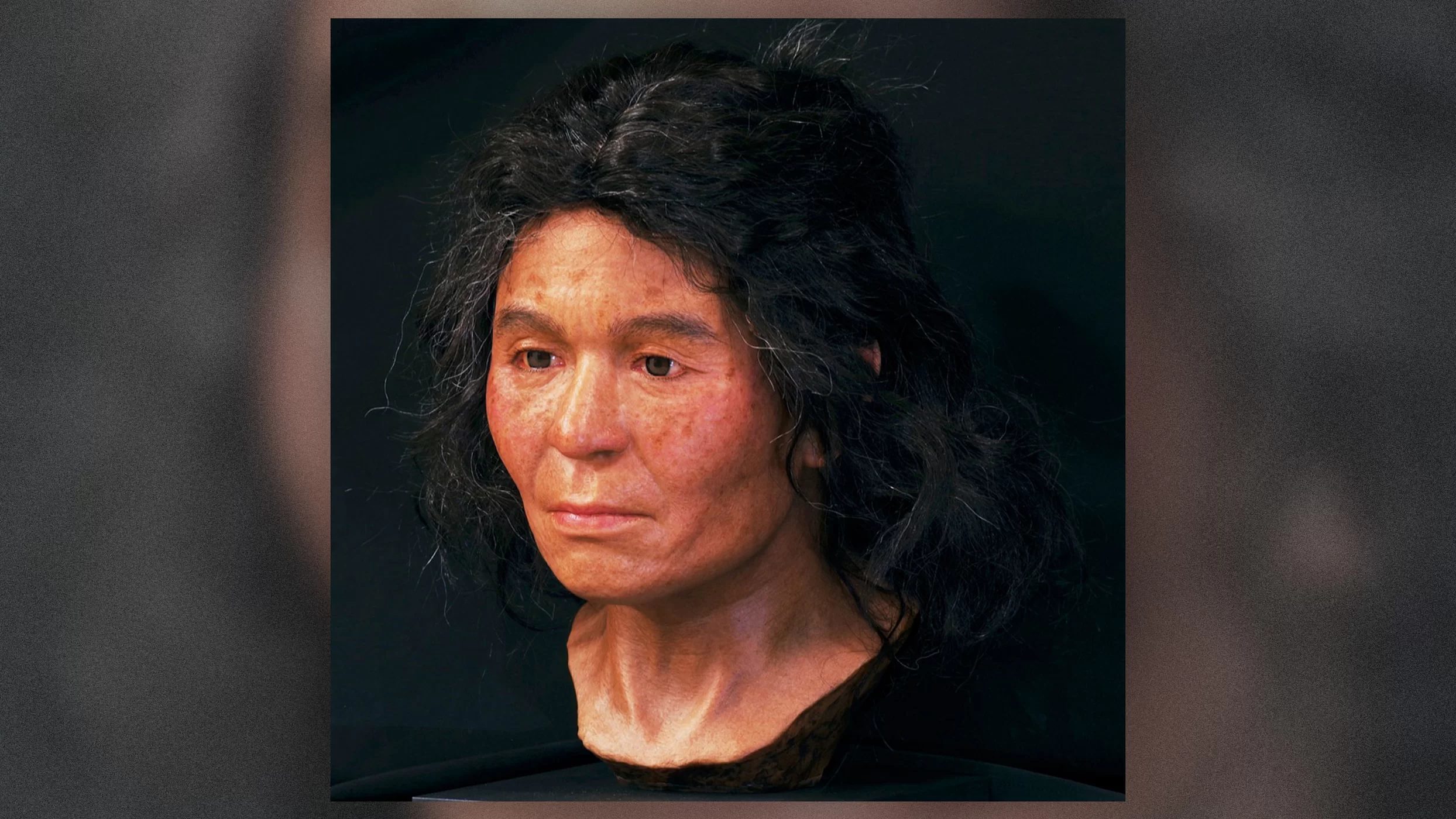
© National Museum of Nature and Science, TokyoA facial reconstruction of the Jomon woman, who lived about 3,800 years ago on what is now northern Japan.
The third ancestry signal appeared most strongly in northeastern Japan. The researchers linked it to populations from northeastern Asia and possibly the historical Emishi people, who once lived in northern Japan and whose origins are still debated.
Modern Japanese Genomes Still Carry Neanderthal and Denisovan DNA
The genomes also carried traces of Neanderthals and Denisovans, two extinct human relatives that interbred with Homo sapiens.
The team identified 44 archaic DNA regions still present in modern Japanese populations, many unique to East Asia.
One Denisovan-linked DNA segment was associated with type 2 diabetes and may influence how some people respond to semaglutide, the drug widely used to treat diabetes and obesity. Other Neanderthal-linked regions were connected to coronary artery disease, rheumatoid arthritis, prostate cancer, and Graves' disease.
The study also found thousands of previously undocumented genetic variants capable of disrupting how certain genes function. Some were tied to hearing loss, kidney failure, chronic liver disease, and cardiovascular conditions.
Large Genetic Databases Still Skew Toward Europe
Most genetic databases still heavily skew toward people of European ancestry, leaving blind spots in how disease risk is understood across the world.
The project also produced a new genomic resource called JEWEL, short for the Japanese Encyclopedia of Whole-Genome/Exome Sequencing Library. By pairing DNA with medical histories and clinical records, the database could one day help researchers understand why certain diseases and medications affect populations differently.
Even within populations often treated as genetically uniform, much older migration stories may still be hiding in the DNA.
Reference: Decoding triancestral origins, archaic introgression, and natural selection in the Japanese population by whole-genome sequencing. Science Advances



Reader Comments