
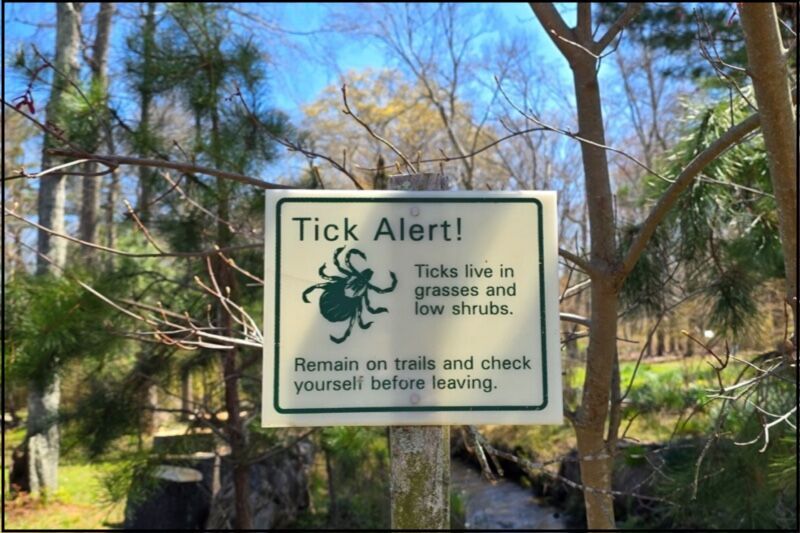
© Patrick Hatt/Shutterstock.com
Kennedy unveiled the initiative late last month in New Hampshire, a state heavily affected by Lyme disease, during the administration's "Take Back Your Health" tour. The program is part of the Make America Healthy Again initiative and is being presented as a results-driven response to rising tick-related health threats.
The announcement comes as emergency room visits for tick bites reached their highest April levels since 2017, according to the information provided. HHS officials said the new approach is intended to move prevention beyond personal repellents and residential spraying by addressing tick populations earlier in the transmission cycle.
The centerpiece is a multi-million-dollar pilot program led by the Centers for Disease Control and Prevention in partnership with leading researchers focused on vector-borne diseases.
Rather than relying mainly on individual protection after ticks are already present in yards, parks and wooded areas, the pilot is designed to reduce tick populations on key wildlife hosts, particularly deer and mice. Those animals are central to tick reproduction and disease transmission, making them a major focus of the new strategy.
By targeting ticks on wildlife before human exposure occurs, the program aims to interrupt reproduction cycles and reduce infection prevalence in animal reservoirs. Officials said the approach could lower disease rates at the ecosystem level if the model proves effective and scalable.
The pilot will begin in collaboration with the New England Center of Excellence in Vector-Borne Diseases, a research hub based at the University of Massachusetts Amherst.
The effort also includes community-based partnerships outside the federal government. HHS said the initiative will involve coordination with the Indian Health Service and the Wampanoag Tribe in Massachusetts, where Alpha-gal syndrome has drawn particular concern.
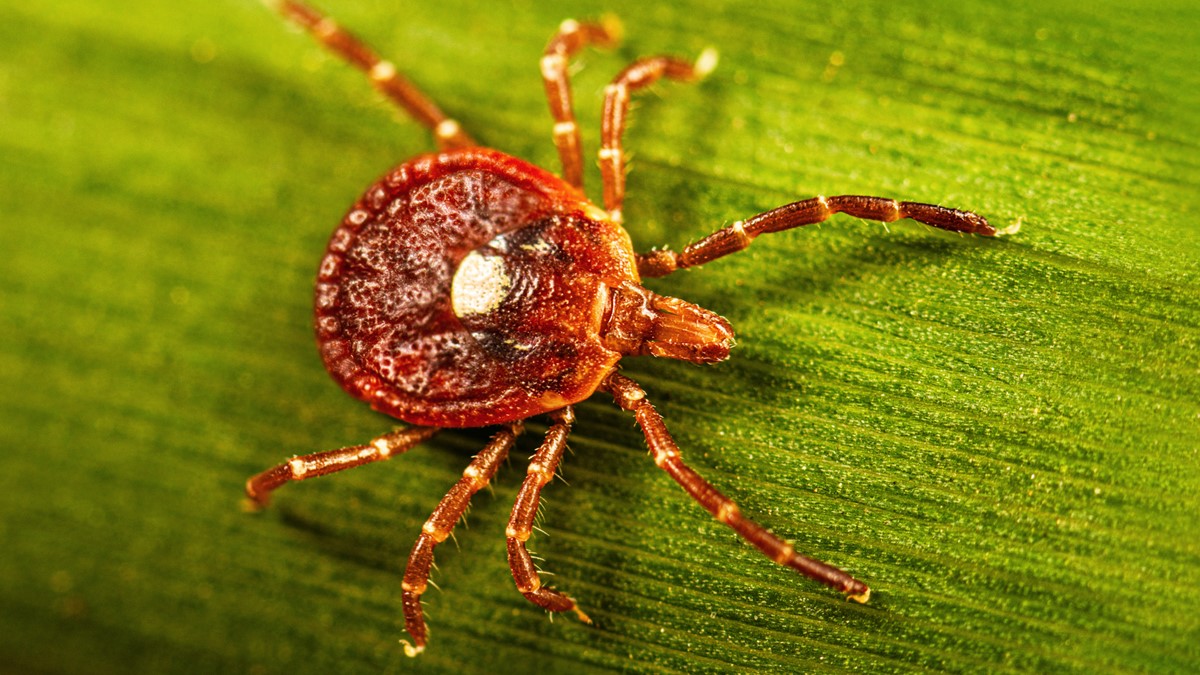
According to the CDC information cited in the announcement, Alpha-gal syndrome is a serious and potentially life-threatening food and tickborne allergy. It can develop after a bite from certain ticks, most notably the Lone Star tick, transfers a sugar molecule known as alpha-gal into the body.
The prevention strategy reflects the MAHA initiative's broader focus on addressing root causes of chronic illness rather than relying primarily on long-term symptom management. Administration officials said tickborne disease prevention requires source reduction because illnesses such as Lyme disease can create prolonged health burdens for patients.
The administration said anticipated outcomes include interventions that can be scaled to states with high Lyme disease burdens. The national goal is to reduce Lyme disease cases by 25% by 2035.
HHS said additional details on specific control methods and implementation timelines will be released in the coming months. The program marks a shift from a primarily reactive model of tickborne illness care toward a prevention strategy aimed at reducing exposure before infections occur.



Reader Comments
to our Newsletter