
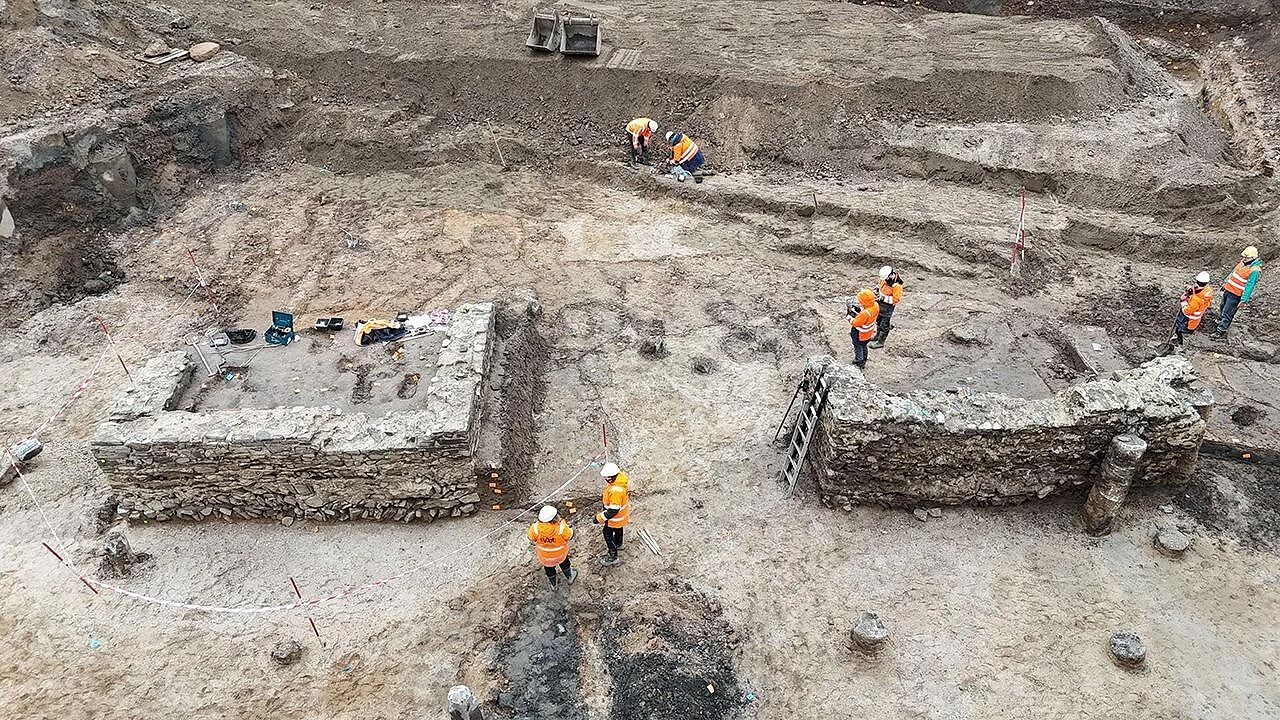
© Municipality of Nijmegen / BAAC / RAAPExcavation of the Roman bathhouse in Nijmegen
Teams from RAAP and BAAC began excavations in September at a redevelopment site in the Waalfront district, an area once occupied by industrial buildings. Their work exposed far more than a bathhouse. Researchers identified streets, residential blocks, large houses, and a tower, allowing them to reconstruct part of a prosperous urban neighborhood from the second and third centuries CE.
The bath complex was much larger than similar public bathhouses known elsewhere in the Netherlands. The bathhouse at Forum Hadriani, near modern Voorburg, covered about 2,200 square meters. The one at Coriovallum, in present-day Heerlen, measured around 2,500 square meters. The Nijmegen complex was more than twice the size of the former and nearly double the latter.
Roman authorities granted municipal status to Ulpia Noviomagus around CE 100 during the reign of Emperor Trajan. Soon afterward, the city gained several monumental public buildings built from stone. The bathhouse was one of them.
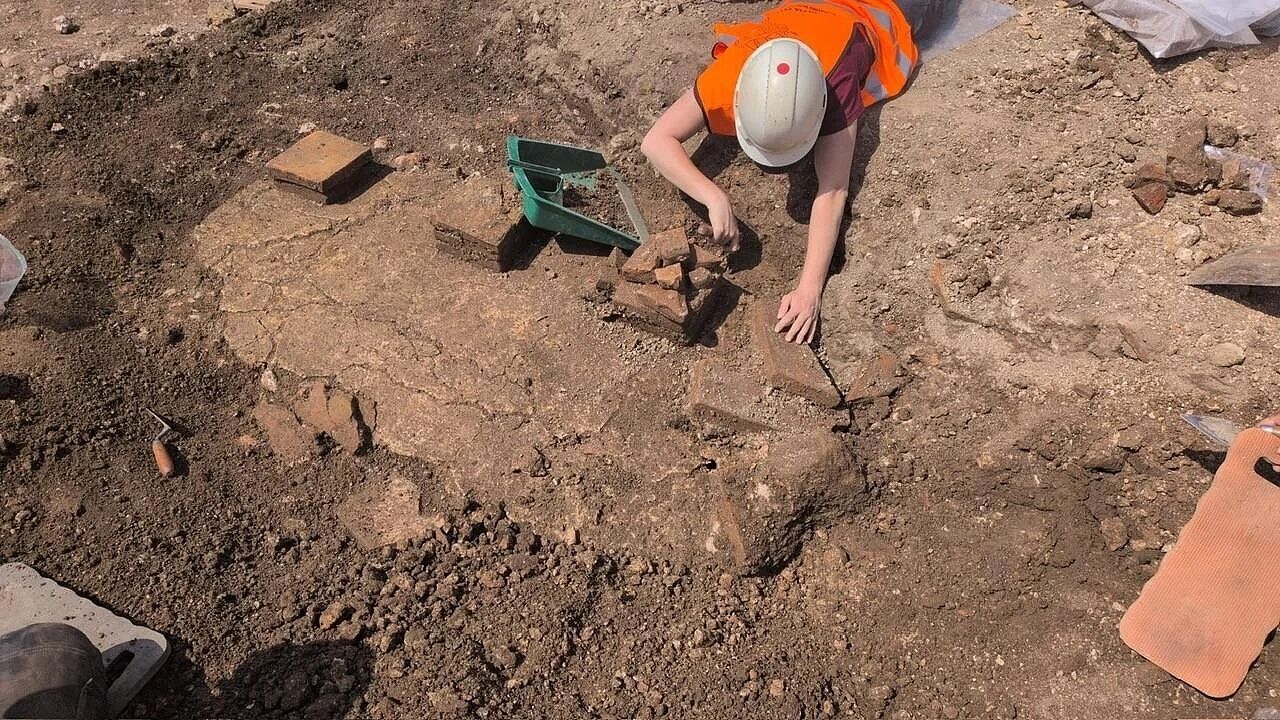
© Municipality of Nijmegen / BAAC / RAAPIn-floor heating was provided by a hypocaust system found in the Roman bath complex uncovered in Nijmegen, Netherlands.
The remains show a building finished with costly materials. Marble-covered interior walls, while black and white limestone tiles paved some floors. Other rooms featured painted plaster walls. Decorative moldings made from limestone and sandstone adorned the exterior, and stone columns formed part of the architectural design.
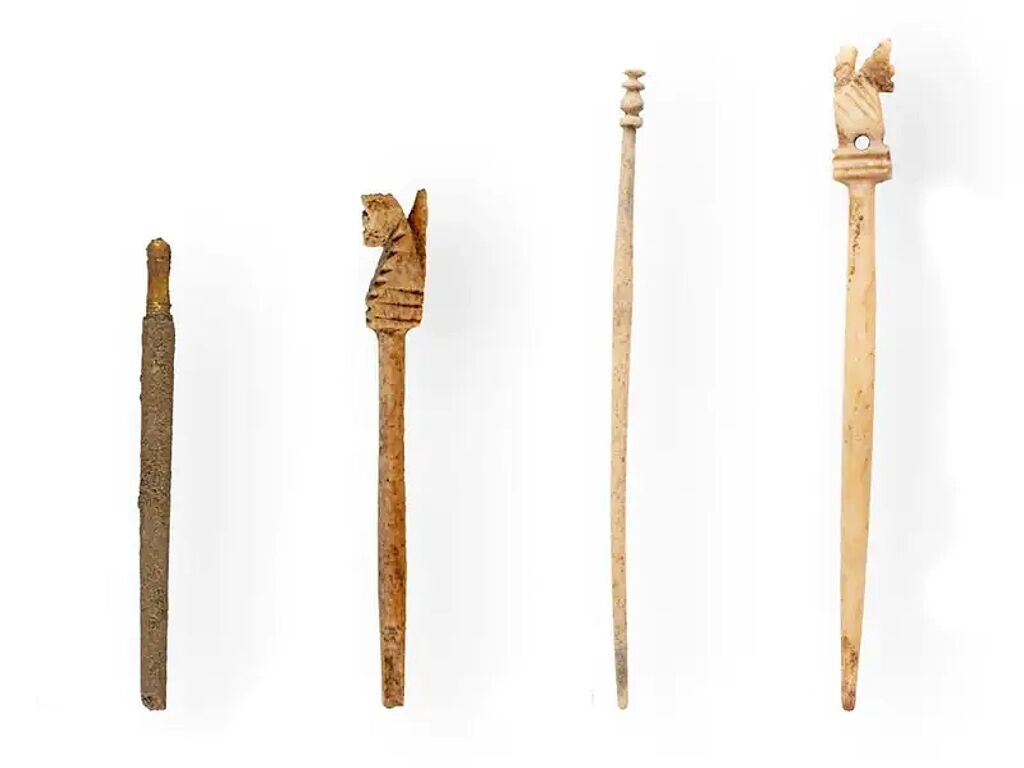
© Municipality of Nijmegen / BAAC / RAAPRoman bone hairpins found in a massive bathhouse complex in Nijmegen, Netherlands.
Two stone foundations survive to almost two meters in height. They rank among the best-preserved Roman masonry remains found in the city.
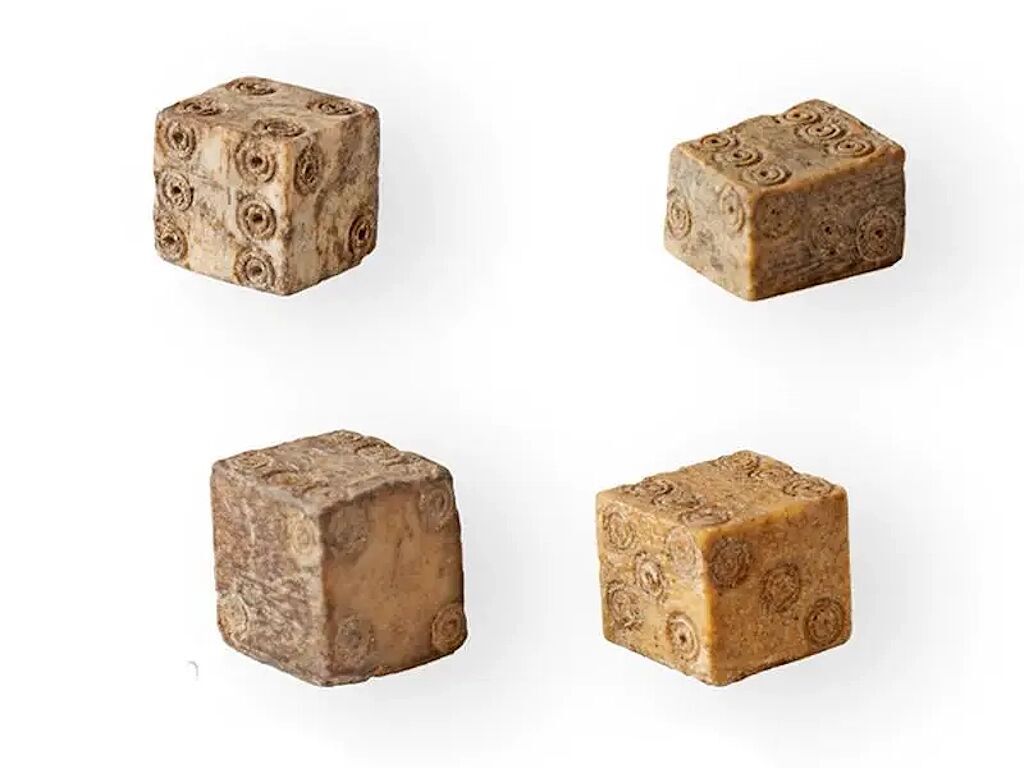
© Municipality of Nijmegen / BAAC / RAAPRoman gaming dice excavated from a bathhouse in Nijmegen, Netherlands
One of the most notable finds is a bronze bust of Bacchus, the Roman god of wine. The piece originally decorated a pouring vessel or an item of furniture. Later owners modified and reused the object as part of a weighing scale.
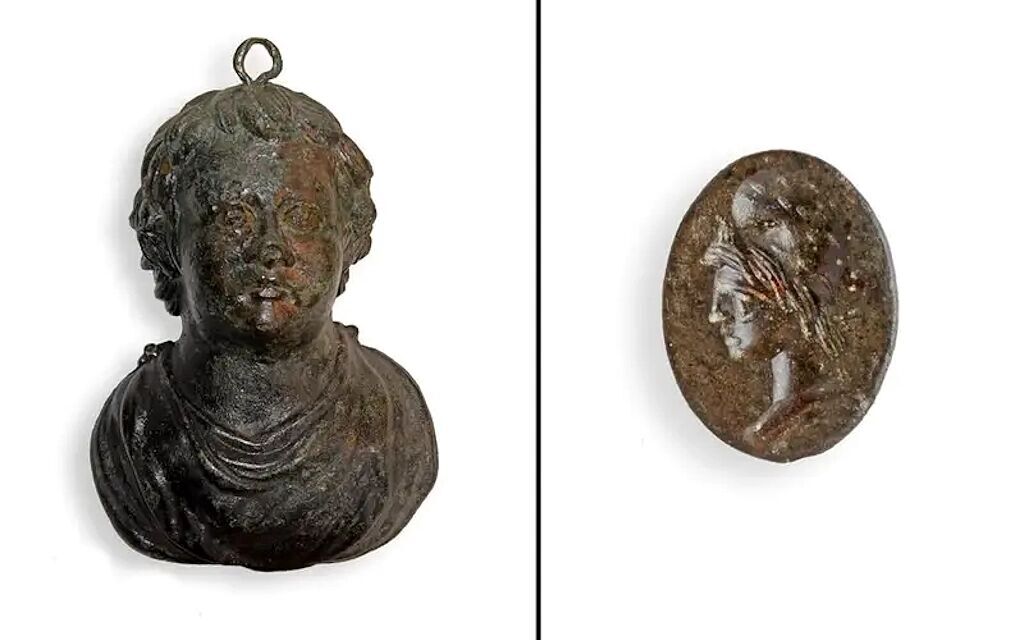
© Municipality of Nijmegen / BAAC / RAAPLeft: Bronze bust of Bacchus from Nijmegen. Right: gemstone from a Roman signet ring found in Nijmegen.
Several of the best-preserved remains will stay in place beneath the future residential development. Current plans aim to make parts of the Roman structures visible, allowing residents and visitors to see traces of a city that flourished nearly 2,000 years ago.
The findings add important new information about Roman Nijmegen, a city widely regarded as the leading Roman urban center in what is now the Netherlands.
More information: Municipality of Nijmegen




Reader Comments
to our Newsletter