Health & WellnessS


Syringe

Controversial chef/host Pete Evans urges fans to ask questions, sharing anti-vax podcast

Pete Evans
© Channel 7Evans has shared a number of increasingly radical views over recent years and entered into regular stoushes with medical leaders.
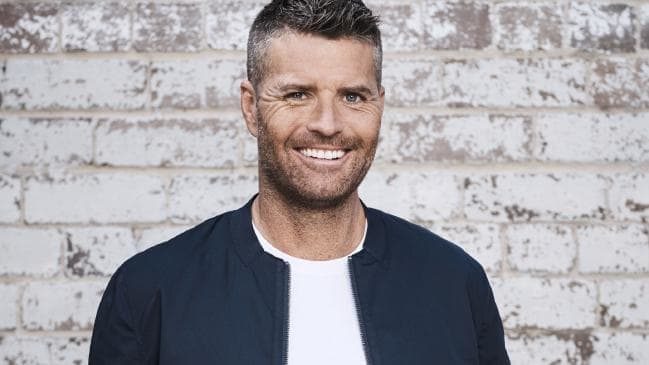
MKR host Pete Evans has flirted with a new anti-vax stance, urging his followers to ask questions about vaccination and medicine.

Posting yesterday to his Instagram account, Evans shared links to the podcast of anti-vax parent and exercise coach Paul Chek as he interviewed a fellow anti-vaxxer, osteopath Sherri Tenpenny.

In the podcast, Dr Tenpenny, who is well-known in the US for her views, shared provocative opinions about the intellectual superiority of unvaccinated children, and argued that all doctors are uneducated about vaccines.

Comment: You've got to hand it to Evans - he's clearly not afraid to bring up controversial issues and put forward perspectives well outside the mainstream. In general, you know a person is on the right track when they get smeared by the mainstream media simply for sharing something on Instagram!

More on Pete Evans:


Toys

Why so many babies are getting their tongues clipped

infant baby
© Shutterstock

In recent years, surging numbers of infants have gotten minor surgeries for "tongue tie," to help with breastfeeding or prevent potential health issues. But research suggests many of those procedures could be unnecessary.


It's uttered in hushed tones during mommy-and-me yoga classes and at Montessori-school drop-offs, discussed ad nauseam in breastfeeding support groups and on parenting message boards.

It's called tongue tie, and it's everywhere. In online mom groups, it's blamed for all sorts of parenting woes. Baby isn't gaining weight, or won't take a bottle? Have you tried checking for ties? Kid won't nap? It's probably related to tongue tie. Baby have a rash? Check under the tongue!

Comment: See also:


Sheeple

Why herd immunity is a hoax

herd of sheep
The following referenced information contains opinion and perspective on a health topic related to vaccine science, policy, law or ethics that is being discussed in public forums, including in medical, law and other professional journals; newspapers, magazines and other print; broadcast and online media outlets; state legislatures and the U.S. Congress.

Readers are encouraged to go to the websites of the U.S. Department of Health and Human Services (DHHS) for the perspective of federal agencies responsible for making national vaccine policy recommendations; to the U.S. Centers for Disease Control (CDC) for information on regulating vaccines for safety and effectiveness; to the U.S. Food and Drug Administration (FDA) for research related to vaccine use; and to National Institutes of Health's National Institute of Allergy and Infectious Diseases (NIAID) for information on the development of new vaccines.

The World Health Organization has stated that "vaccine hesitancy" is one of the top 10 global public health threats.

Comment: The herd immunity argument is diabolically genius in persuading people to get vaccinated. By making it seem like your choice not to vaccinate affects the entire population it induces guilt as well as the ire of true believers (almost everyone at this point). You'll either be guilted into getting vaccinated or bullied into it by your peers. Never mind that vaccines don't confer herd immunity, it's opposite has been repeated enough in the MSM to make that inconvenient truth unthinkable by the masses.

See also:


Bulb

Hit the lights, it's time for a nap!

sleeping at the office
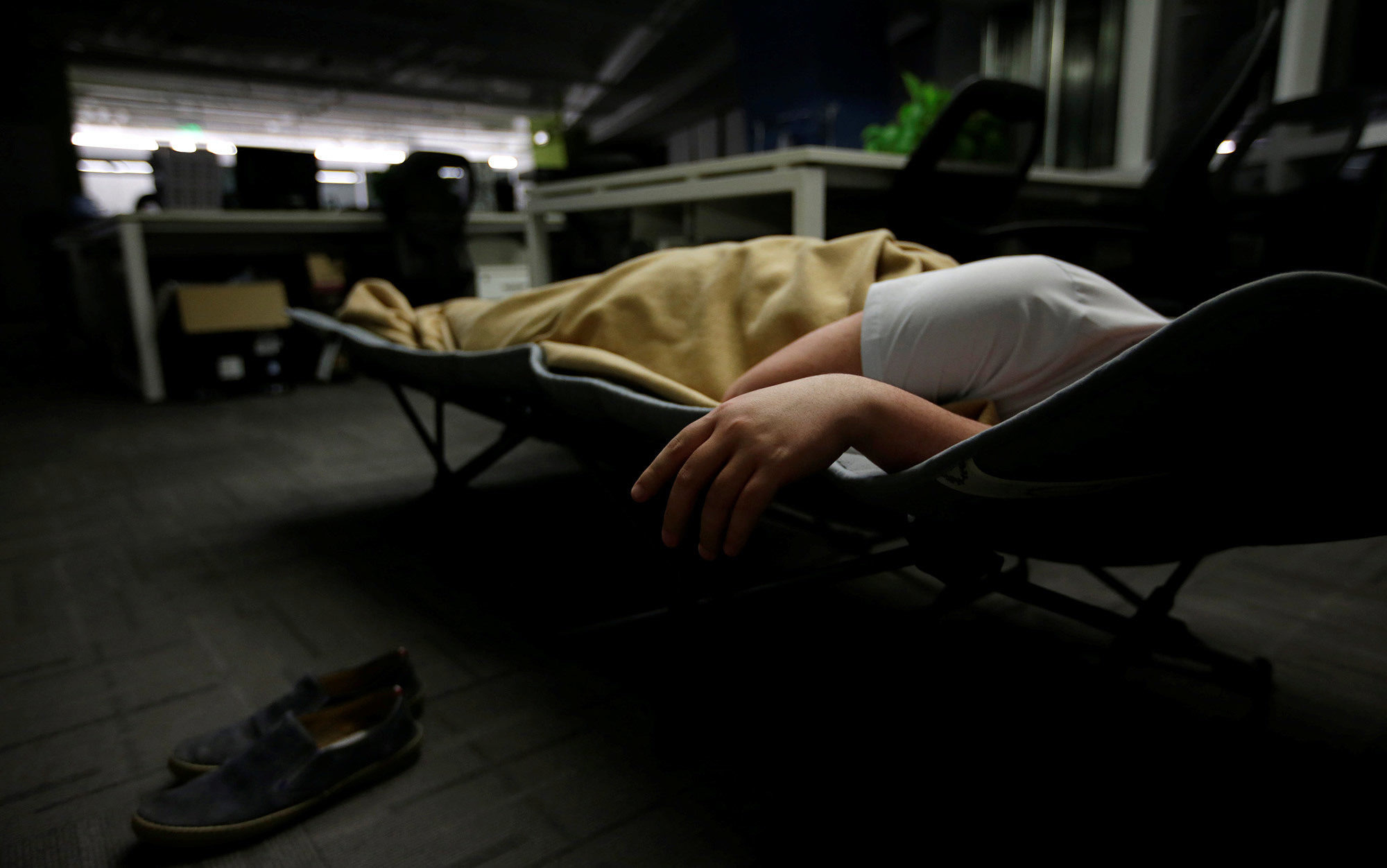
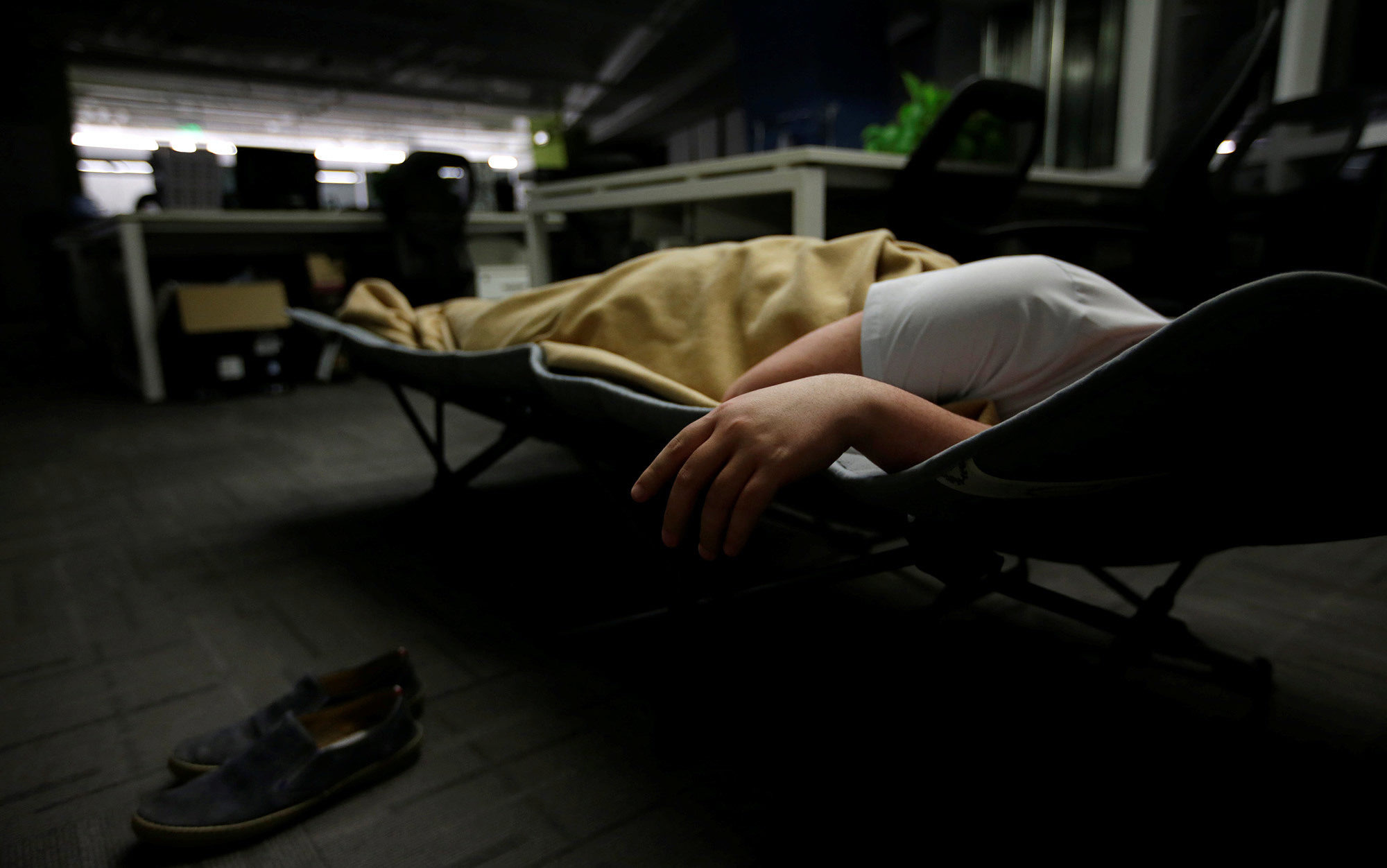
© Jason Lee/ReutersMa Zhenguo, a system engineer at Renren Inc in Beijing, sleeping at the office of the Chinese credit-management company on 27 April 2016.
A few months ago, two Americans arrived for a meeting at a sprawling, corporate campus in Sichuan Province in China. (They asked not to be named because their work is confidential.) To get to the conference room, they crossed a vast span of cubicles where hundreds of young engineers were busy at their desks, a scene replicated on every floor of the 10-storey building. The meeting was to discuss a dense, text-heavy document, and it began with the client reviewing the day's agenda: they'd talk until 11am, break for lunch, have nap time, and then start again at 2pm.

Lunch was in a cafeteria the size of a football field where women with hair nets and soup ladles regulated the movement of a column of people. The visitors lost sight of their hosts, so they got into line, bolted down their meal, and retraced their way to the building where they'd had their meeting. When the elevator door opened, the window blinds were drawn, the computer screens were off, and the whole floor lay in grey shadow. The workday could have been over but for the fact that people lay about everywhere, as switched off as the ceiling lights.

The Americans hadn't seen anything like it since morning-after scenes at their college fraternities. They had to step over some bodies. Other people were tilted forward in their seats with their faces on their desks, like they'd been knocked out from behind, while others still had cleared their desks and lay on them face-up.

The Americans hoped that their hosts, upper-tier executives, would be awake in the meeting room, but they were just as dead to the world as everyone else. One of the Americans coughed into his fist. No one stirred. There were still 45 minutes to go till the 2pm meeting. So he took a seat and pretended to join the mass nap. He didn't feel like sleeping and would have felt too vulnerable even if he did, but it was a tight space, the woman facing him, a lawyer, was snoring away, and he was afraid that, if she woke up, she'd think he was staring at her. 'I figured it was safer if I just closed my eyes,' he told me.

Comment: See also:


SOTT Logo Radio

SOTT Focus: Objective:Health - Are We Born to Run... Barefoot?

objective health run barefoot
Ever since humans have existed, we've been running. In many ways, it seems we were born to run. Running increases muscle mass, cardiovascular fitness, bone density, improves insulin sensitivity and helps to reduce stress. It also has many brain benefits, including helping with learning, strengthening focus, increasing motivation and more. Put simply, running improves quality of life in many unexpected ways.

But what if we're doing it wrong? It turns out that the way we've all become accustomed to running, with our "high tech" shoes and gear, may actually be detrimental to our bodies. Nature seems to have designed our bodies perfectly for running, so why are we listening to billion-dollar sneaker companies and messing with our perfect system? Barefoot running, or minimal running, is becoming more and more popular in the running world, citing benefits from lower injury rate to improved posture.

Is it time to ditch the shoes and get back to nature like a bunch of hippies? Join us for a lively discussion on the benefits of running and how to do it right!

And stay tuned for Pet Health with Zoya. This week she shares tips on how to tell if your dog has arthritis.


Running Time: 01:10:25

Download: MP3 - 64.7 MB


Syringe

The Impact of Vaccines on Mortality Decline Since 1900—According to Published Science

Graph Down
By JB Handley, Children's Health Defense Director and Co-Founder of Generation Rescue
Since 1900, there's been a 74% decline in mortality rates in developed countries, largely due to a marked decrease in deaths from infectious diseases. How much of this decline was due to vaccines? The history and data provide clear answers that matter greatly in today's vitriolic debate about vaccines.

CHICAGO, Illinois —Since 1900, the mortality rate in America and other first-world countries has declined by roughly 74%, creating a dramatic improvement in quality of life and life expectancy for Americans.

The simple question: "How did this happen?"

Lemon

Vegan agenda: Mayor DiBlasio pushes Meatless Mondays on New York City schools

school lunchers
© Nick Ut/AP PhotoThis school year, the city quietly began to experiment with meatless Mondays in schools across the city, under the rubric of "Jumpstart Mondays."
Mayor Bill de Blasio is expected to announce on Monday that New York City schools are no longer serving meat on Mondays to their 1.1 million public school students.

While other cities, including Los Angeles, have taken up meatless Mondays, New York City's is the largest school system in the nation to embrace the cause.

"Cutting back on meat a little will improve New Yorkers' health and reduce greenhouse gas emissions," de Blasio said in a statement provided to POLITICO.

The announcement comes following a yearlong experiment to determine if New York City students (and their parents) would prove receptive to breakfasts and lunches devoid of all animal products except eggs and cheese.

The program began in 15 schools last spring. This school year, the city quietly began to experiment with meatless Mondays in schools across the city, under the rubric of "Jumpstart Mondays." Breakfast offerings began to include oatmeal and cheese sticks, but no turkey bacon. Lunch menus listed baked penne, "broccoli trees," and grilled cheese, but no hamburgers.

Comment: Regardless of the meat content of school lunches they can hardly be considered healthy. If you want your kids to eat well send them to school with a packed lunch.


Syringe

'No vaccine, no school', says Italian health minister

Italian vaccination
© Global Look Press / Maule/Fotogramma/Ropi
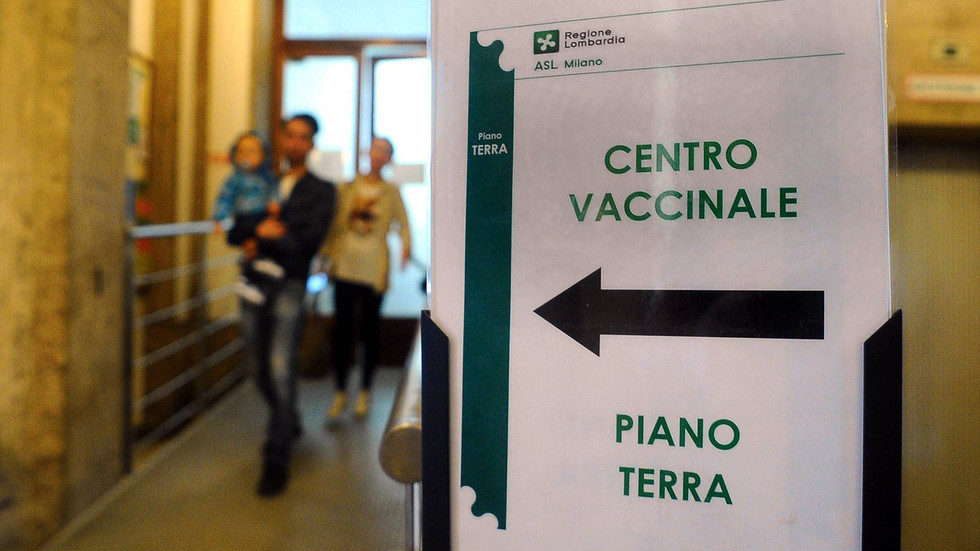
Italian parents are being warned not to send their kids to school without vaccinations, or face a €500 fine, while children under six can be turned away altogether.

Following months of debate over the issue of mandatory vaccines in Italy, the deadline has been reached for parents to prove their children have received mandatory immunisations before attending school. Parents must now show their kids have been inoculated against chickenpox, polio, measles, mumps and rubella or be subject to the fine or suspension.

The so-called 'Lorenzin law' requiring mandatory vaccinations was initially passed in 2017 following an outbreak of measles throughout Europe that got even worse the following year, but the deadline was suspended several times due to bureaucratic issues.

Authorities are striving to hit the World Health Organization's recommended 95% inoculation rate for measles, with the current rate for children born since 2015 sitting just below the target at 94%.

Comment: The crackdown on bodily freedom continues unabated.


Ice Cream Bar

Dark chocolate is now a health food. Here's how that happened.

chocolate health food
© Javier Zarracina/Vox
A year after James Cadbury, the 30-something great-great-great-grandson of the British chocolatier John Cadbury, launched his luxury cocoa startup in 2016, he introduced an avocado chocolate bar.

Cadbury Jr.'s newest confection loaded just about every buzzy health trend into a fresh green-and-white package: vegan, ethically sourced, organic dark chocolate and creamy, superfood avocado. The company promised to deliver the nutrition of avocados - in a chocolate bar. Journalists were dazzled.

Wait, what? Make no mistake: This vegan avocado chocolate bar is candy. With nearly 600 calories and 43 grams of fat per 100-gram serving, the bar packs more fat and calories than Cadbury Dairy Milk, and just a little less sugar.

Comment: Now take what's been said about chocolate research and expand it out to EVERY "SUPERFOOD" being studied. The problem, or one of them, is that these things are all being studied through an incredibly narrow lens; very few studies are being done to look at the diet overall. They're simply examining micro-elements of the diet and making grand claims about what they've found. It's unlikely someone with high blood pressure is going to solve the problem by eating chocolate bars, but whether or not chocolate can be a component of an overall healthy diet remains unknown.

Another problem is that they're not looking at individual differences in how people tolerate particular foods. Chocolate, for instance, is very high in oxalates, which can be poorly tolerated in some people (while others are relatively unaffected). By only examining macronutrients, like carbs and fat, and micronutrients, like flavanols, vitamins and minerals, and ignoring other compounds like plant toxins, we only get a very small part of the picture. It's all marketing, and has very little to do with whether a food is actually healthy or not.

See also:


Sherlock

WHO issues dire warning about "inevitable" global flu pandemic

pandemic
© File photo: Pixabay / Skeeze
The head of the World Health Organization (WHO) has issued a call to arms to prevent the next great influenza pandemic. While praising how far humanity has come, the health chief warns that we are nowhere near prepared enough.

"The threat of pandemic influenza is ever-present,"said WHO director-general Dr Tedros Adhanom Ghebreyesus. "The question is not if we will have another pandemic, but when."

The warning came as the WHO announced its new Global Influenza Strategy for 2019-2030 amid an estimated 1 billion annual cases of influenza, of which 3 to 5 million are considered severe resulting in between 290,000 and 650,000 influenza-related deaths each year.

Comment: Rather than relying on the WHO, one would be much better off gathering more objective information about the potential risks and learning how to navigate them, and this would include serious efforts at optimizing one's health: And check out SOTT radio's: