Health & WellnessS


Doberman

Taking the dog for a walk may not be a good idea for the elderly

Taking the dog out for a walk
© Drazen_/Getty ImagesTaking the dog out for a walk is maybe not such a good idea after all.
Elderly people who own dogs should probably think twice before taking it for a walk, US figures show.

In a Research Letter published in the journal JAMA Surgery, researchers led by Kevin Pirruccio from the University of Pennsylvania in Philadelphia, reveal that in 2017, the latest figures available, thousands of people aged over 65 were admitted to hospital suffering injuries sustained while walking dogs.

All the dogs, by the way, were on leashes at the time.

The researchers used a records form 100 US hospital emergency departments to sample dog-walking injuries among the elderly between the years of 2004 and 2017.

They discovered that the number of reported injuries almost tripled over the period, from 1671 at the start of the period to 4396 at the end.

Health

FDA approves anti-depressant nasal spray based on ketamine party drug

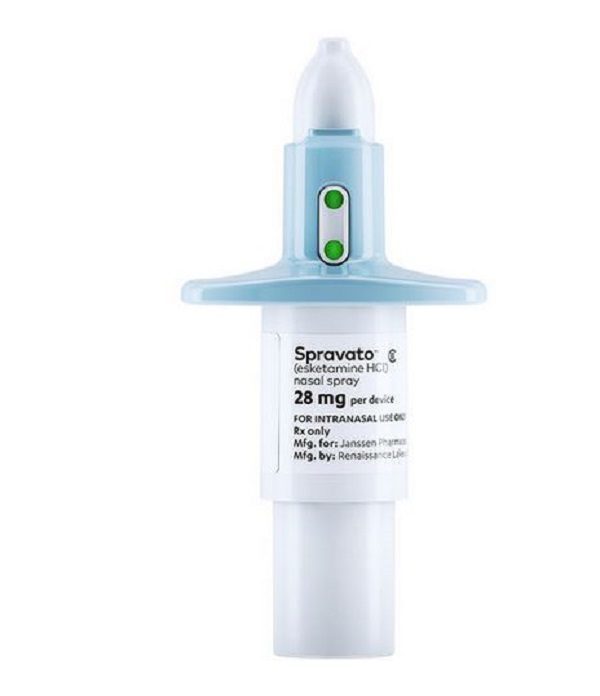
Spravato
© Janssen PharmaceuticaSpravato, the brand name for esketamine, a newly approved option for treatment-resistant depression.
The Food and Drug Administration approved the first drug that can relieve depression in hours instead of weeks.

Esketamine, a chemical cousin of the anesthetic and party drug ketamine, represents the first truly new kind of depression drug since Prozac hit the market in 1988.

The FDA's decision came Tuesday, less than a month after a panel of experts advising the agency voted overwhelmingly in favor of approval.

"There has been a long-standing need for additional effective treatments for treatment-resistant depression, a serious and life-threatening condition," said Dr. Tiffany Farchione, acting director of the Division of Psychiatry Products in the FDA's Center for Drug Evaluation and Research, in a press release about the decision.

"This is potentially a game changer for millions of people," said Dr. Dennis Charney, dean of the Icahn School of Medicine at Mount Sinai in New York. "It offers a lot of hope."

Comment: As with all drugs, the proof is in the pudding. We'll see if it works as well as anti-depressant pills over the long term (which is not that good at all):


Apple Red

Is a vegan diet safe for infants and children?

plant based baby


Introduction


This week's note is based on a true story. When I was at the BMJ/SwissRe conference in Zurich in June 2018 I met a dietician called Diana Rodgers (Ref 1). Diana lives on a working organic farm, raising vegetables and pasture-based meats, west of Boston, US, and she describes herself as a real food practitioner. She is also an author, film maker, international speaker and a board member of the organizations "Animal Welfare Approved" and the "Savory Institute". She hosts The Sustainable Dish Podcast and I appeared on her podcast after meeting her in Zurich (Ref 2). I declare an interest therefore, that Diana is my kind of person. Having said this, it has been noticed that I have said things with which people I admire would not agree (e.g. I don't rave about olive oil or worry about nitrates in bacon). Hence I will follow the evidence and if I disagree with Diana (or anyone else I admire) on something, I won't hesitate to say so.

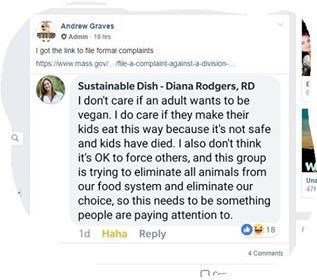
Diana posted a comment on Facebook as follows: "I don't care if an adult wants to be vegan. I do care if they make their kids eat this way because it's not safe and kids have died."

diana rodgers tweet

Comment: The fact that these governing bodies have not taken a stand against vegetarianism/veganism for infants is criminal and they should be prosecuted to the full extent of the law. Enforcing a destructive ideology on a child is, quite simply, child abuse and the fact that it is condoned, arguably encouraged, by government health authorities means the government is sanctioning child abuse.

See also:


Health

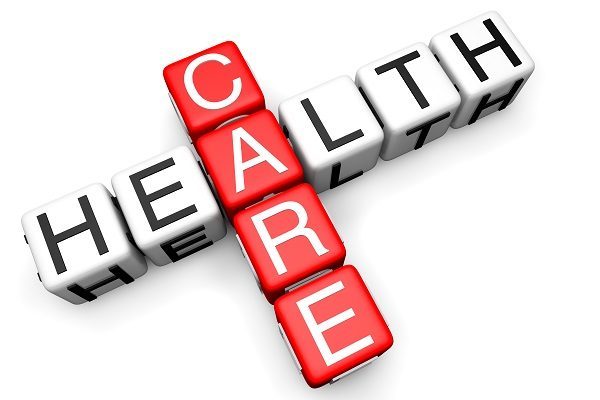
SOTT Focus: Objective:Health - Who Cares About Health Care?

health care
What's better: A pinko commmie health care system where everyone is forced to support a bunch of lazy sick people who don't care for themselves or a ruthless capitalist system where only the rich can afford care while the poor and middle class are bankrupted by medical costs or given substandard care because it's all they can afford?

Neither of these systems seem ideal - far from it. But if you only listen to the critics, this is often how the options appear. Beyond the hyperbole, what is it that makes for a good health care system? What countries seem to be doing it right, or doing it wrong? The picture is complicated and there are no easy solutions but objective analysis can help us tease apart what works and what doesn't.

Join us for this week's episode of Objective: Health as we discuss the current state of health care in different countries and what we think would work better.


Running Time: 01:07:53

Download: MP3


Microscope 1

UK patient 'free' of HIV after stem cell treatment

HIV virus
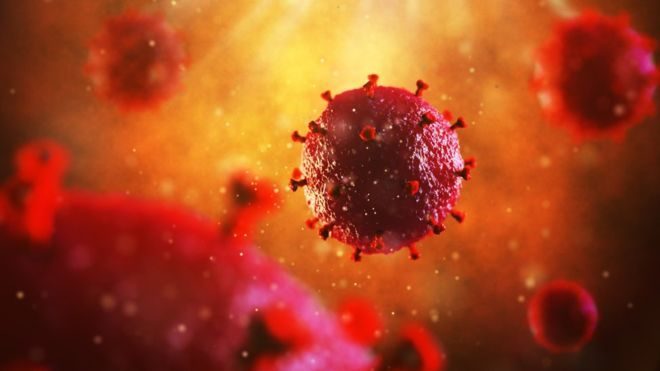
© Getty ImagesHIV was no longer detected in the patient's body after the transplant
A UK patient's HIV has become "undetectable" following a stem cell transplant - in only the second case of its kind, doctors report in Nature.

The London patient, who was being treated for cancer, has now been in remission from HIV for 18 months and is no longer taking HIV drugs.

The researchers say it is too early to say the patient is "cured" of HIV.

Experts say the approach is not practical for treating most people with HIV but may one day help find a cure.

Comment: Stem cell therapy has long since 'worked wonders', and yet, diabolically, it's outlawed for the great majority of people...


Ambulance

Facts you need to know about syphilis

syphilis
© Mercola.com
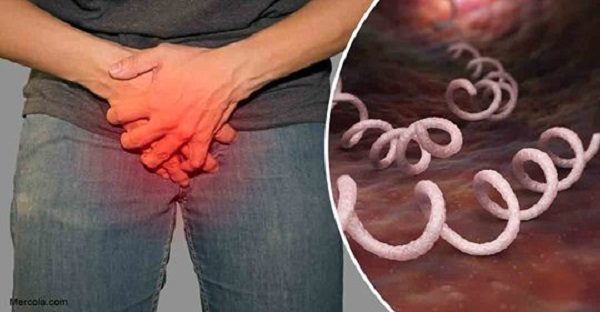
Syphilis is a sexually transmitted disease (STD) caused by the Treponema pallidum bacterium.1 This infection is spread from one person to another during anal, vaginal or oral sex,2 through contact with a syphilis sore of an infected person. The bacteria make their way through the body via minor cuts or abrasions in the skin or through the mucous membranes.3

Syphilis can also be transmitted from a pregnant woman to her child during pregnancy, or during labor and delivery, resulting in a condition called congenital syphilis.4 The infection-causing bacteria enter the placenta and then infect the baby.5

Comment: It's amazing that many diseases, once thought all-but eradicated, have been cropping up again, particularly sexually transmitted diseases. Could rampant sexual liberalism and loosening sexual morality be, at least partly to blame?

See also:


Health

Fatty liver disease is triggered by choline deficiency

raw egg
Choline, initially discovered in 1862,1 was officially recognized as an essential nutrient for human health by the Institute of Medicine in 1998.2 This nutrient, which you need to get from your diet, is required for:3

Healthy fetal development4 - Choline is required for proper neural tube closure,5 brain development and healthy vision.6 Research shows mothers who get sufficient choline impart lifelong memory enhancement to their child due to changes in the development of the hippocampus (memory center) of the child's brain.7 Choline deficiency also raises your risk of premature birth, low birth weight and preeclampsia

The synthesis of phospholipids, the most common of which is phosphatidylcholine, better known as lecithin, which constitutes between 40 and 50 percent of your cellular membranes and 70 to 95 percent of the phospholipids in lipoproteins and bile8

Comment: Very important information, especially for those on a low carb, high fat diet. As fat consumption increases, choline requirements also increase. So make sure you're getting your egg yolks and liver if your diet contains a healthy amount of fat.

See also:


Biohazard

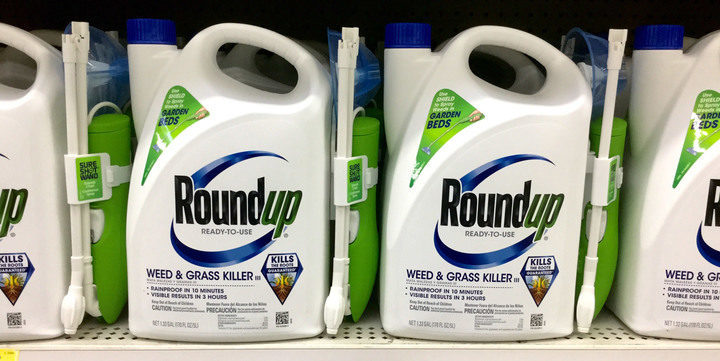
More than 11,000 people are now suing Bayer over Roundup cancer link

RoundUp
Bayer is now facing lawsuits from around 11,200 plaintiffs over the health implications of Roundup and Ranger Pro, its glyphosate-based weedkillers.

The German life science giant revealed the figure Wednesday as it announced its results for fiscal 2018. Full-year sales were up 13% and EBITDA before special items up 2.8%, but full-year net earnings were down more than three-quarters due to a $3.8 billion impairment charge and a $2.3 billion charge in connection with Bayer's acquisition of Roundup maker Monsanto.

"Over recent years we have systematically developed into a focused life science company, clearly aligned to the megatrends in health and agriculture and united under the strong umbrella brand Bayer," said Bayer chairman Werner Baumann. "The acquisition in agriculture has lifted us to the number one position in this market. The integration of the two companies has gotten off to an excellent start."

Comment: What Baumann must have meant was 'we have the fraudulent science we've bought and paid for on our side'.

See also:


Heart - Black

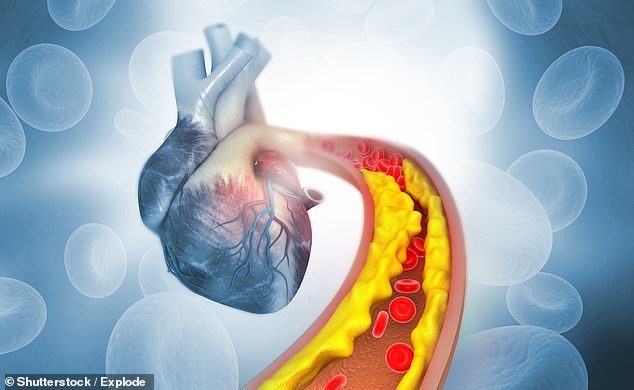
Best of the Web: The Daily Mail slams Harcombe, Malhotra and Kendrick as 'dangerous statins deniers'

atherosclerosis
Do you want to suffer a heart attack? How about a stroke? The answer will, without doubt, be a resolute 'Not on your life'.

No one does. That's why some eight million Britons take a cholesterol-lowering statin pill every day - doctors prescribe them to anyone with a ten per cent or greater risk of a major cardiac event within ten years.

Statins reduce those risks. This is an indisputable scientific fact.

Comment: A few responses to this article:


Zoë Harcombe has a rather extensive response to this article on her website; as has Dr. Malcolm Kendrick. They're both well worth the read.

See also:


Syringe

Propaganda Alert! UNICEF blames 'vaccine hesitancy' for measles uptick

measles
© Shutterstock
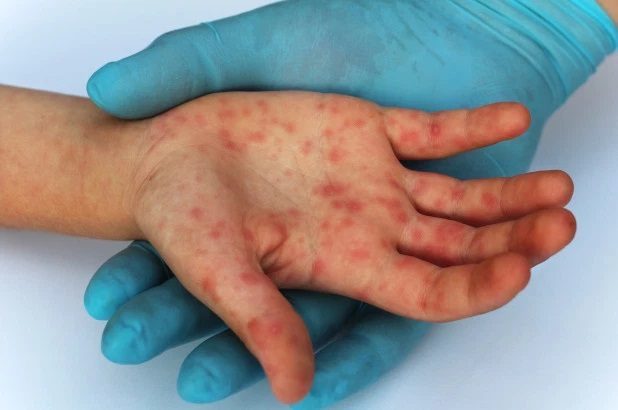
Global progress in the fight against measles eroded last year and "vaccine hesitancy" is among the reasons, according to a report released Friday by the United Nations Children's Fund on an alarming spike in the disease.

The report says 98 percent of countries reported an uptick in measles cases in 2018. Ukraine, the Philippines and Brazil had the largest increases.

"This is a wake up call. We have a safe, effective and inexpensive vaccine against a highly contagious disease - a vaccine that has saved almost a million lives every year over the last two decades," the release quotes Henrietta Fore, UNICEF's executive director.

Measles is becoming more common in both developed and developing countries, UNICEF reports. Reasons for the disease's uptick include inadequate health infrastructure and civil unrest in addition to "low community awareness, complacency and vaccine hesitancy" in some regions, the report says.

Comment: Again, it's not 'anti-vaxxers' who are spreading measles. Most outbreaks occur in populations where the majority of people were vaccinated.