Health & WellnessS


Cardboard Box

What is driving disease outbreaks - Failure to vaccinate or vaccine failure?

vaccine
In late February, in testimony on measles for the House Committee on Energy and Commerce, Dr. Anthony Fauci - director of the National Institute for Allergy and Infectious Diseases (NIAID) - admitted with a chuckle that he and most of the Committee members sitting before him had uneventfully experienced measles as children and had recovered completely. These national leaders reaped many benefits by getting measles in childhood - accruing lifelong immunity and protection against cardiovascular disease, among other benefits - but that has not stopped them from fomenting public panic about measles or pushing for more vaccine mandates. This week, the Senate followed up with its own similar hearing. The Health, Education, Labor and Pensions (HELP) Committee said that the hearing's purpose was to consider "what is driving preventable disease outbreaks," but rather than examine this question fully or fairly, the event featured a hand-picked line-up of speakers who are - one and all - promoters of a "no ifs, ands or buts" vaccine party line.
Many studies illustrate both types of vaccine failure [primary and secondary] as well as the concerning potential for vaccinated individuals to transmit disease to others.

Alarm Clock

Have We Had Enough of Daylight Saving Time Yet?

daylight savings time
Daylight saving time (DST), the practice of moving the clock one hour ahead in the summer and then back an hour in the fall, was used during World War I in the hope it would save energy.

Over the coming decades, the world experienced unexpected repercussions from the time change - so much so, in fact, that many would like to stay on one time, all the time.

The issue of abolishing DST is backed by good reasons and scientific evidence. The original intention was to give you more access to daylight hours, but you may experience mental and physical consequences in the days and possibly weeks surrounding the time change.

Comment: Whether we stay on Daylight Savings Time or revert to the original standard, just stop with the time changes, already! It was a stupid idea and it needs to be rectified! Pick a time and stick to it!

See also:
Daylight savings time


Bacon n Eggs

New insights question fiber's role as an unconditional requirement on low carb diets

colonic fuel health
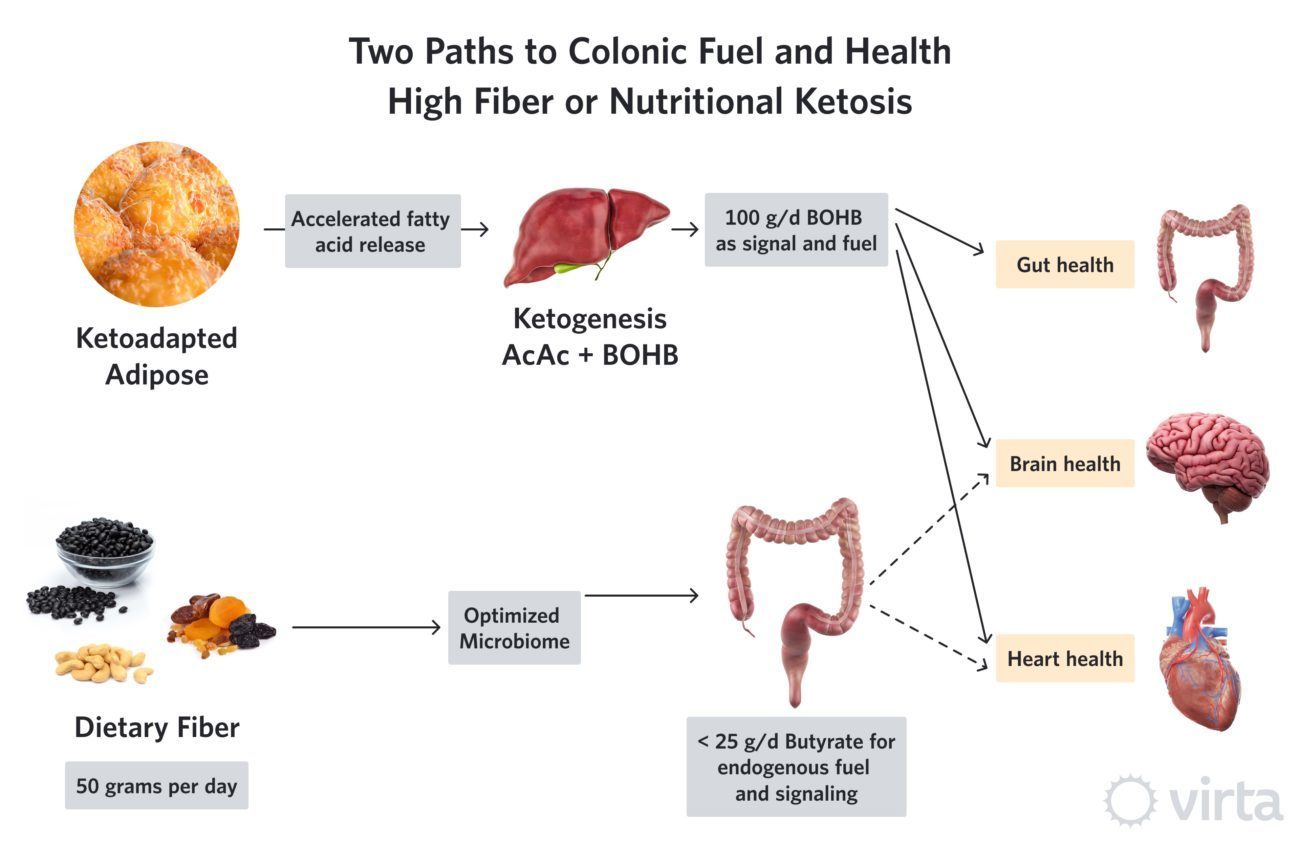
There are a few dietary recommendations that have been so ingrained in our minds that we accept them without question. The need for dietary fiber and the proposed benefits of a high fiber diet seem to be two of these, regardless of what type of diet we choose to eat. But why is fiber beneficial and how much do we need to get these claimed benefits? When we think of fiber in the diet we often think of vegetables, fruits, and whole grains, and that naturally begs the question, where does fiber fit into a well-formulated ketogenic diet? The answers to these questions are multi-faceted and potentially surprising.

Adults are generally encouraged to consume at least 25 to 30 grams of fiber per day. A well-formulated ketogenic diet (WFKD), while necessarily restricted in its carbohydrate content, can include several classes of foods that provide fiber (e.g., vegetables, seeds, nuts), but on average may only provide about half this amount. However, the nutritional ketosis resulting from a WFKD causes the liver to produce beta-hydroxybutyrate (BOHB), and BOHB has the potential to replace some of the functions of dietary fiber. As we will discuss, many of the benefits of fiber are attributable to its fermentation by bacteria which produce short-chain fatty acids (SCFAs) in the colon, especially one called butyrate. And, as it turns out, this SCFA has metabolic properties that are very similar to those of BOHB. Therefore, a well-formulated ketogenic diet may provide many of the benefits of fiber, without a high carbohydrate intake and the associated unpleasant side effects that some people experience from high fiber intake.

Comment: Very good points brought up in this article. The fact remains that the vast, vast majority of nutritional studies in existence are done on those not in a state of ketosis and thus, cannot be said to apply to those on a ketogenic diet. While more is still being done to elucidate the role of fiber, and microbiome in general, it cannot be ruled out that the benefits of fiber exist due to the creation of butyrate, a substance produced in abundance in a state of nutritional ketosis. Additionally, the anecdotal evidence of people reporting improved digestion and elimination when dropping fiber intake cannot be ignored.

See also:


SOTT Logo

SOTT Focus: The 'Keto Crotch' Phenomenon Illustrates How to Circulate Lies in the 'Free Press'

keto crotch
If you're one who pays attention to the trends in mainstream dietary advice, and I'm certainly not recommending staying up to date with that complete trainwreck, you'll notice that the mainstream media are rather consistent in their constant misguided warnings against low carb, ketogenic diets. It's rather glaring that this approach to eating is a threat in some way to the established dietary dogma of the day. On the surface, it looks like just a petty back-and-forth about something as inane as diet - "veganism is the best!" "No, keto's the best!" The average person would be forgiven for thinking the whole thing is rather stupid and ignoring it all.

But there's more behind this than may first meet the eye, and a recent example of propaganda gracing the collective information dumpster that is the internet is quite illustrative of just how much skin in the game the diet dictocrats have, and how much they really want you to never, ever, even consider embarking on a low carbohydrate dietary regimen. This particular smear against the ketogenic diet has popped up seemingly overnight, yet has spread far and wide with a kind of traction that couldn't possibly be organic. It's banal, crass and would be quite funny if the implications of it weren't rather sinister. I am of course talking about the phenomenon now known as "keto crotch" (I told you it was crass).

I've probably lost some readers already and believe me, I wouldn't stoop to addressing this if it wasn't so prevalent at the moment. All sorts of articles across multiple platforms have been conjured within the last week talking about a supposed side-effect of the ketogenic diet that causes genital itching, discharge and a change in odor. It mostly applies to women, but some articles have said it applies to men, too. How convenient. No one is safe. So we're apparently taking a break from the 'saturated fat causes heart disease' myth, or the long-debunked 'eating cholesterol will raise your cholesterol' propaganda, or even my personal favorite, the 'cow farts are destroying the planet' lies. The newest reason to avoid a low carbohydrate diet is that it will make your junk stink. Welcome to "journalism" in 2019. Talk about hitting below the belt.


Info

What happens to the human body when it goes into ketosis?

Ketosis
From a young age we're taught that eating three meals a day, plus snacks, is healthy and necessary for the human body to function normally, and this rhetoric still dominates North American food guides today. Mark Mattson, the Current Chief of the Laboratory of Neuroscience at the National Institute on Aging, once asked:
Why is it that the normal diet is three meals a day plus snacks? . . . There are a lot of pressures to have that eating pattern, there's a lot of money involved. The food industry - are they going to make money from skipping breakfast like I did today? No, they're going to lose money. If people fast, the food industry loses money. What about the pharmaceutical industries? What if people do some intermittent fasting, exercise periodically and are very healthy? Is the pharmaceutical industry going to make any money on healthy people?

Comment: Read the following to learn more:


Syringe

Association of American Physicians and Surgeons takes a stand against mandatory vaccination

vaccine spiral
Tensions are high regarding vaccines lately.

Due to a measles outbreak in the United States, frightened people are pushing an agenda to take an important medical decision out of the hands of parents. They're calling for federally mandated vaccines. They're calling for the shaming of parents who have chosen not to vaccinate their children.

The hysteria is running high, fueled by fear and memes.

Whether you opt to vaccinate or not to vaccinate, I think we can agree we all want what's best for our children.

The Association of American Physicians and Surgeons opposes federally mandated vaccines.

An important letter was presented last week to the Senate subcommittee that is discussing federal laws that force parents to vaccinate their children. The statement below is from The Association of American Physicians and Surgeons, and they have come out strongly in opposition to the possibility of federally mandated vaccines.

Red Flag

Dr. Fauci, it's not nice to fool Congress about vaccine reactions

doctor
On Feb. 27, 2019, the U.S. House Subcommittee on Oversight and Investigations held a public hearing on "Confronting a Growing Public Health Threat: Measles Outbreaks in the U.S" that was also broadcast live on C-span. Parents across the nation watched and heard the renowned Anthony Fauci, MD, Director of the National Institute of Allergy and Infectious Diseases (NIAID),1 either tell a bald faced lie or show his ignorance when he testified, under oath, that MMR vaccine does not cause encephalitis. This large dose of disinformation drew gasps of protest from parents attending the Capitol Hill hearing and prompted Committee Chair Diana DeGette (D-CO) to bang the gavel and warn that "manifestations of approval or disapproval of the proceedings is in violation of the rules of the House and this Committee."

It is really hard to watch a distinguished physician like Dr. Fauci mislead legislators by blatantly denying the damage that serious vaccine reactions like brain inflammation can do to children's brains. It is also hard to watch legislators believe everything they are told by government employees just because they have MD or PhD written after their names.

Syringe

Cold, hard facts: Death from measles or death from measles vaccine?

measles deaths
With the measles and measles vaccine debate reaching a near frenzy on the Internet, it is always nice to throw some cold hard facts on the firestorm currently raging in the measles debate.

So here are some easily verifiable facts regarding deaths associated with measles in the United States for the past 10 years, and deaths associated with measles vaccines during the same 10 year period.

First, the Centers for Disease Control and Prevention (CDC) keeps a weekly tally of disease outbreaks, including deaths. According to a statement made by Dr. Anne Schuchat, the director of CDC's National Center for Immunization and Respiratory Diseases, in an Associated Press story picked up by Fox News on April 25, 2014:
There has been no measles deaths (sic) reported in the U.S. since 2003 [1]
The weekly CDC Morbidity and Mortality Weekly Reports (MMWR) since that date have not revealed any measles deaths either. (*See edit below.)

And while health authorities are blaming measles outbreaks in recent years on unvaccinated children, when you mention the fact that nobody is dying from measles in the U.S., they are quick to turn around and claim vaccines have eliminated measles deaths (even though they cannot eliminate the disease itself apparently.)

Comment: See also:


Info

A single dose of psilocybin enhances creative thinking and empathy up to seven days after use, study finds

Psychedelic head
© agsandrew
New research provides more evidence that psilocybin, the active ingredient in magic mushrooms, can improve creative thinking, empathy, and subjective well-being. The findings appear in the Journal of Psychoactive Drugs.

"In the last decade, there has been a renewed scientific interest in the utility of psychedelics. Increasing evidence suggests that psychedelics like psilocybin may have potential therapeutic value for disorders like anxiety, depression, and PTSD," said Natasha Mason (@NL_Mason), a PhD candidate at Maastricht University and the corresponding author of the study.

"The focus of such investigations has been on psychedelics capacity to reduce symptoms of these disorders, thereby improving mood and well-being. However, of equal importance are the higher-order cognitive processes that may be enhanced, or that may play a role in symptom alleviation of the disorders."

"Examples of processes that have been found to be decreased in these pathologies include creative, flexible thinking and empathy. Specifically, individuals are characterized by repetitive and rigid patterns of negative and compulsive thoughts, as well as reduced empathic abilities. Thus we wanted to assess whether psilocybin enhanced these processes, and if so, how long effects lasted," Mason explained.

Comment: See also:


Heart - Black

Heart attacks rising steadily in Americans under 40 - Study

Hospital bed
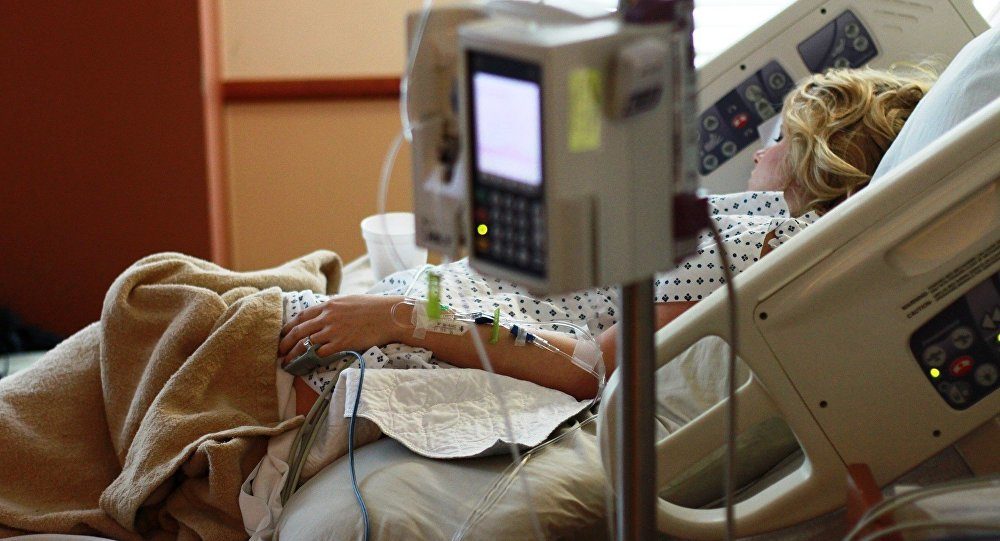
Though heart attacks in the US overall are on the decline, younger adults are bucking the trend by having more, recent research scheduled to be presented at the American College of Cardiology's annual scientific session later in March shows.

Americans under 40 are suffering more heart attacks, a study authored by Ron Blankstein, a preventive cardiologist at Brigham and Women's Hospital and associate professor at Harvard Medical School in Boston reveals. "It used to be incredibly rare to see anyone under age 40 come in with a heart attack - and some of these people are now in their 20s and early 30s," Blankstein told Medical Express for a report on the study. "Based on what we are seeing, it seems that we are moving in the wrong direction."

The study, which covered the years from 2000 to 2016, found that the rate of heart attacks among Americans under 40 increased by 2 percent per year in the past decade. Of the 2,097 heart attack patients under 50 tracked by the study, 20 percent were 40 years old or younger.

The study is the first to compare young (defined as ages 40 to 50) and very young (under 40) heart attack survivors, according to the American College of Cardiology, and found that despite their youth, very young heart attack survivors were as likely to die from a second heart attack, stroke or other related events as the older group in the study.