Puppet MastersS


Target

Fauci confronts Rand Paul over murder plot

Fauci and Walensky
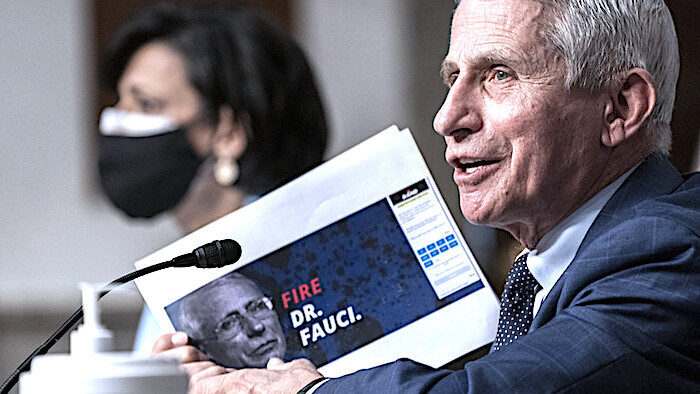
© Shawn Thew/APDr. Anthony Fauci and Dr. Rochelle Walensky testify before a Senate Health, Education, Labor, and Pensions Committee hearing to examine the federal response to Covid-19 on Capitol Hill in Washington, January 11, 2022.
Senator Rand Paul (R-Kentucky) has accused Dr. Anthony Fauci of being responsible for over 800,000 US deaths from the coronavirus. The Biden administration's covid czar said Paul's criticism put his life in danger.

The latest clash between Paul and Fauci came on Tuesday at the Senate Health Committee hearing on the US response to Covid-19 variants.

At one point, President Joe Biden's chief medical adviser held up a printout of a page on the Kentucky senator's website, with a "Fire Dr. Fauci" banner, to claim that such rhetoric inspired a California man arrested last month for allegedly plotting to murder him. The man, arrested in Iowa on December 21, had an AR-15 rifle and multiple magazines, and told police he was driving to Washington, DC to kill Fauci, the doctor told senators.

"You are making a catastrophic epidemic for your political gain," Fauci told Paul.

Comment: Fauci has a value and serves a purpose - but it is not his posturing, confusing dictates, admonitions nor reams of advice. It is his inevitable expendability as the face to blame, a set-up courtesy the PTB.


Arrow Up

Inflation up, virus down as priorities in US: AP-NORC poll

Trucks
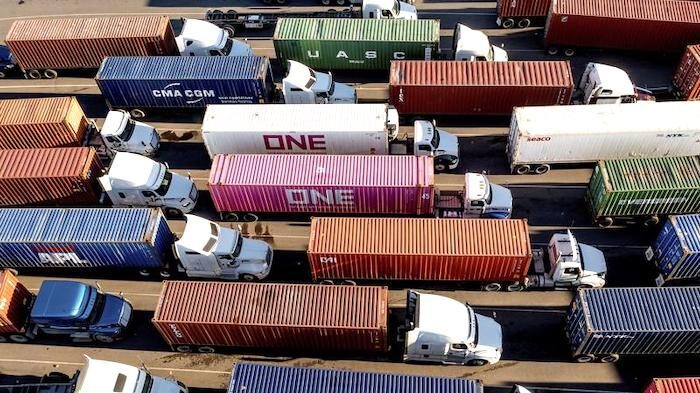
© AP/Noah BergerTrucks line up to enter Port of Oakland, CA shipping terminal • November 10, 2021
Heading into a critical midterm election year, the top political concerns of Americans are shifting in ways that suggest Democrats face considerable challenges to maintaining their control of Congress.

A poll from The Associated Press-NORC Center for Public Affairs Research finds that management of the coronavirus pandemic, once an issue that strongly favored President Joe Biden and his fellow Democrats, is beginning to recede in the minds of Americans. COVID-19 is increasingly overshadowed by concerns about the economy and personal finances — particularly inflation — which are topics that could lift Republicans.

Just 37% of Americans name the virus as one of their top five priorities for the government to work on in 2022, compared with 53% who said it was a leading priority at the same time a year ago. The economy outpaced the pandemic in the open-ended question, with 68% of respondents mentioning it in some way as a top 2022 concern. A similar percentage said the same last year, but mentions of inflation are much higher now: 14% this year, compared with less than 1% last year.

Consumer prices jumped 6.8% for the 12 months ending in November, a nearly four-decade high. Meanwhile, roughly twice as many Americans now mention their household finances, namely, the cost of living, as a governmental priority, 24% vs. 12% last year.

Comment: The normalcy-biased sampling of interviewees was chosen to convince others the plandemic was merely inconvenient, not an evaporating lifestyle with serious downgrades to come.


Syringe

Repeat COVID-19 vaccine booster shots trigger regulator warning about immune-system risks

European Medicines Agency
© Piroschka van de Wouw/ReutersThe exterior of the European Medicines Agency is seen in Amsterdam on Dec. 18, 2020.
The EU's drug regulator has expressed doubts about whether a second booster dose of the currently available COVID-19 vaccines would be a sustainable long-term approach.

"There is an emergency discussion around the possibility of giving a second booster dose with the same vaccine currently in use. Data has not yet been generated to support this approach," Marco Cavaleri, the European Medicines Agency's (EMA) head of vaccines strategy, told a media briefing. "We would like to see this data before we can make any recommendation, but at the same time we are rather concerned about a strategy that [involves] repeated vaccinations within a short term."

An additional vaccine booster shot "could be considered as part of a contingency plan," but "repeated vaccinations within short intervals will not represent a sustainable long term strategy," according to Cavaleri.

Comment: At this point, government and medical officials who aren't questioning the COVID narrative, suggesting either alternative treatments, or refusing to play up the fear about a mild cold sound and act an awful lot like Daleks. For these people there's only one solution to all of life's nuanced and complicated problems, vax-terminate!!


Bad Guys

The Kazakhstan crisis: A much bigger deal than Western media is letting on

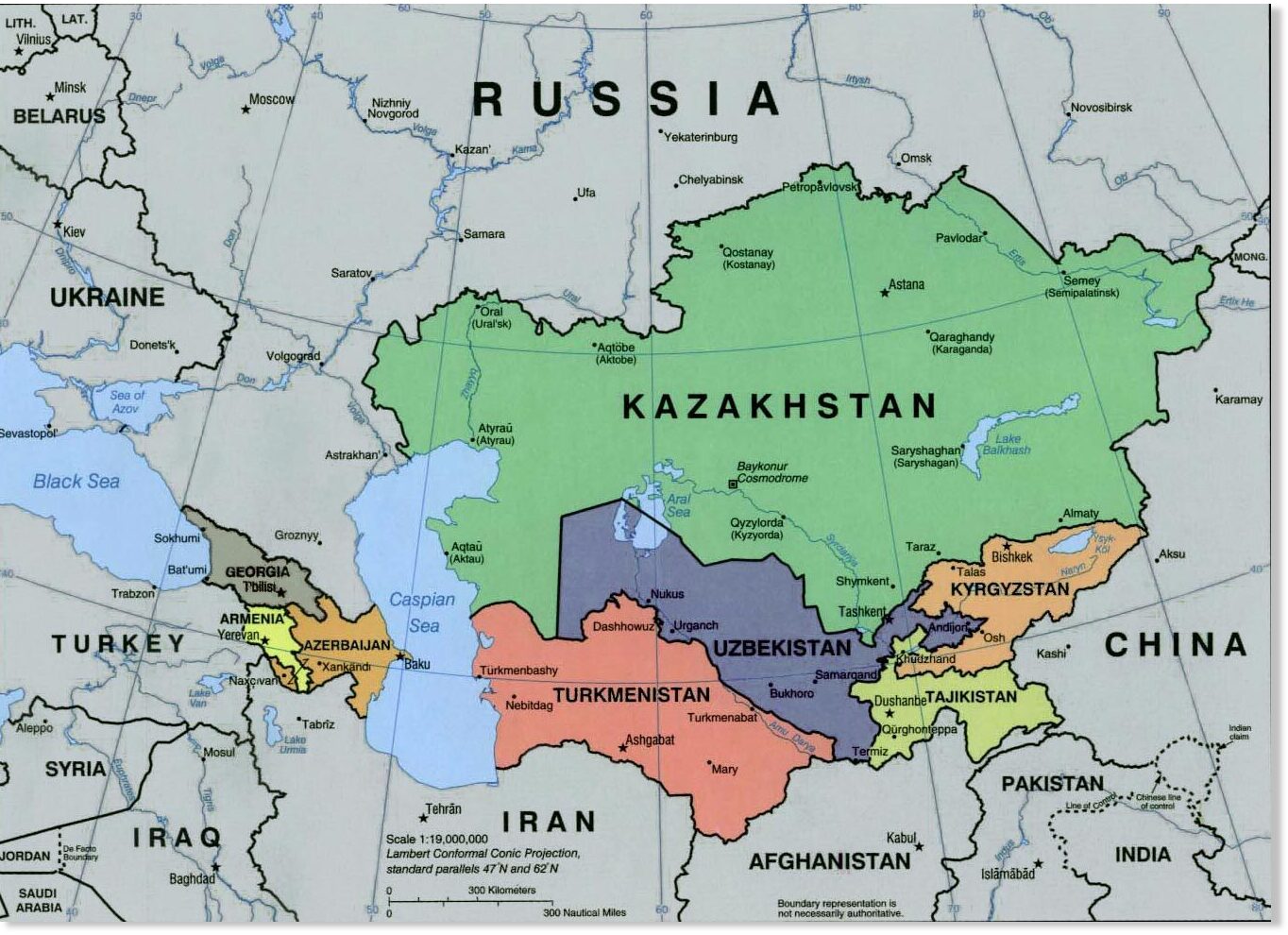
Kazakhstan borders
Kazakhstan borders on the US main rivals: Russia and China.
Geopolitical commentator Clint Ehrlich has reported while on the ground in Moscow that "the situation in Kazakhstan is a much bigger deal than Western media is letting on." He further argues that the mayhem unleashed this past week and ongoing violent destabilization significantly increases the risk of NATO-Russia conflict.

He asks the key question: what really is happening in Kazakhstan? After all, he writes "In America, the situation in Kazakhstan is a small news item" but it remains that "in Moscow, it is currently receiving 24/7 news coverage, like it's an apocalyptic threat to Russia's security. I've had the TV on here while writing this thread, and Kazakhstan has been on the entire time." Below is Ehrlich's mega-thread from Twitter exploring the crisis and connecting the dots in terms of why this is a bigger deal than many believe...

Mass protests and anti-government violence have left dozens dead. Russia is deploying 3,000 paratroopers after Kazakh security forces were overrun. The largest city, Almaty, looks like a warzone. To appreciate why Russia is willing to deploy troops to Kazakhstan, it's critical to understand the depth of Russia's vital national interests inside the country. This isn't just any former Soviet republic. It's almost as important to Russia as Belarus or Ukraine.

Comment: Since this was written, the situation in Kazakhstan has settled somewhat. Tokayev has felt confident enough of the country's stability to announce the impending end of the CSTO mission. NED, and by extension, the CIA, are most likely nursing bloody noses in private. Pepe Escobar's brilliant overview: Pepe Escobar: After Kazakhstan, the color revolution era is over


Vader

Normies beware: US Justice Dept. creating unit focused on 'domestic terrorism'

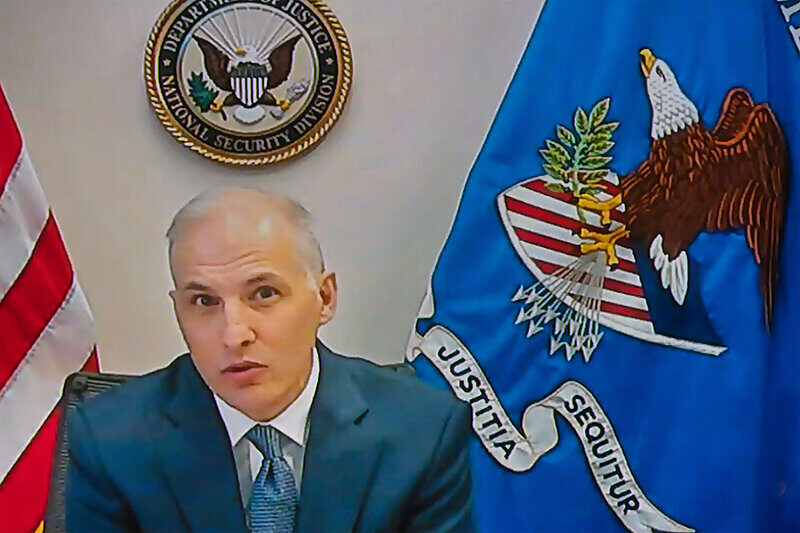
Assistant Attorney General for National Security Division Matthew Olsen
© Associated PressAssistant Attorney General for National Security Division Matthew Olsen, seen from a video monitor, testifies remotely before a Senate Judiciary Committee during a virtual hearing to examine the domestic terrorism threat one year after January 6, 2021.
New domestic terrorism unit to combat 'elevated threat'

The Justice Department a created a new domestic terrorism unit to address what the executive branch has deemed an "elevated threat" to American democracy.

Speaking before the Senate Judiciary Committee Tuesday, Matthew G. Olsen, the head of the Justice Department's National Security Division, said the FBI has fielded a large uptick in domestic extremism reports, with the number of investigations into such incidents having doubled since the spring of 2020.

The unit's goal is to "augment our existing approach" and expand prosecution of these cases, which the Justice Department already engages in on a domestic and international level, Olsen confirmed.

Comment: Conveniently, a 'domestic terrorist' can be infinitely redefined according to the needs of the regime. Notice the glaring difference in the 'cruel and unusual' treatment of the Jan. 6 detainees, versus the kid-glove handling of Antifa rioters.


Wreath

Pepe Escobar: 'After Kazakhstan, the color revolution era is over'

Kazakhstan coup
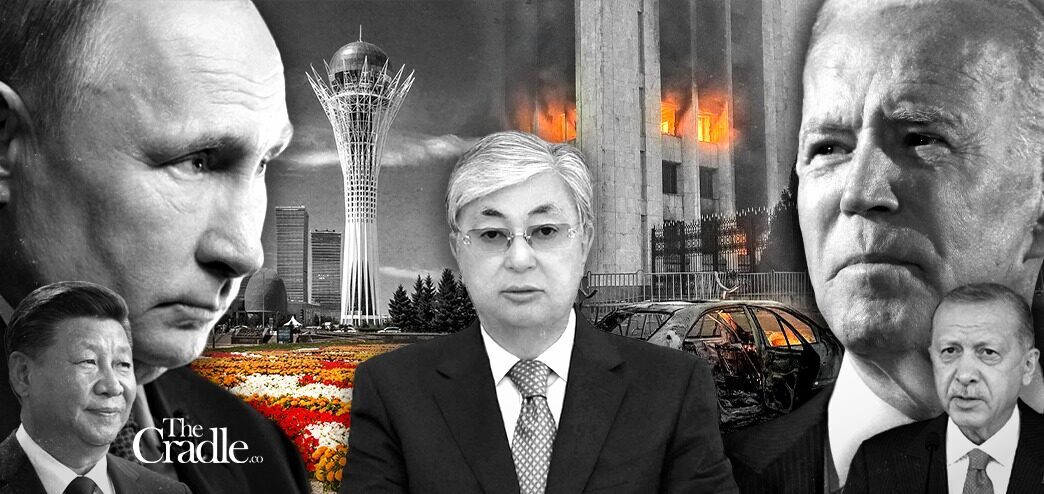
© The CradleThe 2022 events in Kazakhstan have foreign fingerprints all over them, and represent a developing Central Asian fight between two distinct opposing poles.
The year 2022 started with Kazakhstan on fire, a serious attack against one of the key hubs of Eurasian integration. We are only beginning to understand what and how it happened.

On Monday morning, leaders of the Collective Security Treaty Organization (CSTO) held an extraordinary session to discuss Kazakhstan.

Kazakh President Kassym-Jomart Tokayev framed it succinctly. Riots were "hidden behind unplanned protests." The goal was "to seize power" - a coup attempt. Actions were "coordinated from a single center." And "foreign militants were involved in the riots."

Russian President Vladimir Putin went further: during the riots, "Maidan technologies were used," a reference to the Ukranian square where 2013 protests unseated a NATO-unfriendly government.

Defending the prompt intervention of CSTO peacekeeping forces in Kazakhstan, Putin said, "it was necessary to react without delay." The CSTO will be on the ground "as long as necessary," but after the mission is accomplished, "of course, the entire contingent will be withdrawn from the country." Forces are expected to exit later this week.

But here's the clincher: "CSTO countries have shown that they will not allow chaos and 'color revolutions' to be implemented inside their borders."

Comment: Yes, a humiliated Empire, failing once again, can be dangerous and might well go for broke in a desperate attempt to stop its inevitable decline. It does not help that the leaders of the empire and their advisors are delusional and suffer from Dunning-Kruger syndrome.

Escobar's overall point may be correct; there really is little room in Eurasia now for the US to maneuver in. Out of Afghanistan, what appears to be a failed regime change operation in Kazakhstan, and possibly on the verge of losing control of Ukraine, it's Russia and China who today 'control the heartland'. NewsReal: Kazakhstan on Fire: Why US vs Russia 'Great Game' Could Spark Global Economic Collapse


Snow Globe

Best of the Web: 2022 Trends and Predictions

2022 Trends and Predictions
Looking forward into the New Year, here are some predictions and trends to look out for.

In last year's Trends and Predictions for 2021, we identified a number of breaking trends and global developments - some of which accelerated to become the biggest stories of the year. Other subjects we flagged-up are still fluid situations today and will continue well into 2022 and beyond. Note that 2021 was the year the so-called 'conspiracy theorists' were vindicated across the board (yes, they were right about most major aspects of the pseudo pandemic), and that trend will continue onwards.

We see a lot trends continuing to move into 2022: the continued rise of alternative media, coupled with the increasing draconian political censorship efforts by governments and Big Tech. Also, look for the continued flight of users away from social media giants like Twitter, Facebook and YouTube - again fueled by corporate fascist censorship, as users migrate to other platforms like Telegram, GAB, Odysee and Rumble.

On the other technology front, we see the emergence of a real virtual Matrix, known as the Metaverse, led by Mark Zuckerberg. Also, 5G networks are being rapidly deployed now with little regard to public safety, and paving the way for the Internet of Things and Internet of Bodies, all coming into view now.

Bad Guys

World Economic Forum warns cyber risks add to climate threat

cyber attacks display
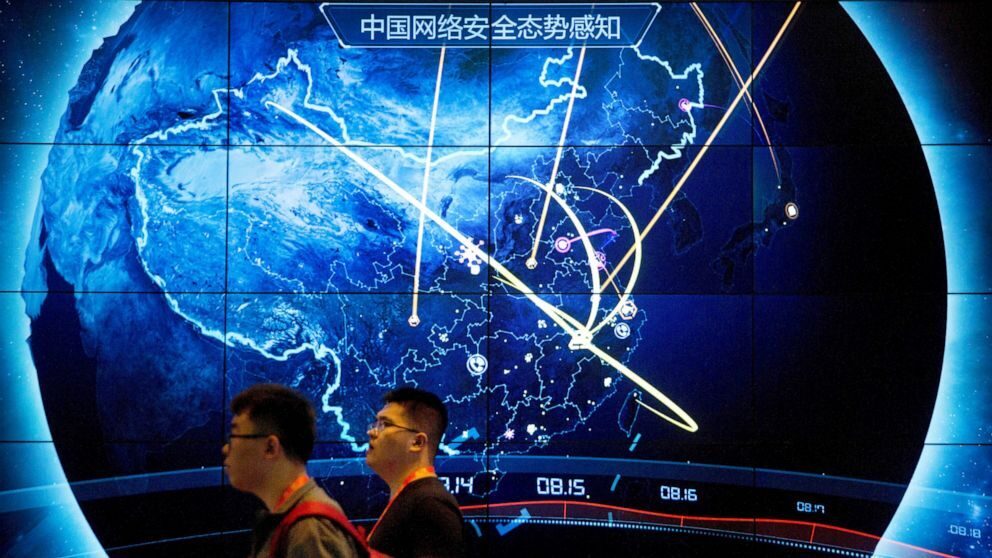
© AP Photo/Mark SchiefelbeinFILE PHOTO
The World Economic Forum says cyberthreats and the growing space race are emerging risks to the global economy, on top of existing challenges posed by climate change and the coronavirus pandemic.

Cyberthreats and the growing space race are emerging risks to the global economy, adding to existing challenges posed by climate change and the coronavirus pandemic, the World Economic Forum said in a report Tuesday.

The Global Risks Report is usually released ahead of the annual elite winter gathering of CEOs and world leaders in the Swiss ski resort of Davos, but the event has been postponed for a second year in a row because of COVID-19. The World Economic Forum still plans some virtual sessions next week.

Comment: It's surprising that patriarchal gender norms and racism didn't make the list. Surely they're a bigger threat than the space race.

See also:


Info

Kanye West plans to meet Putin - reports

Ye kanye west
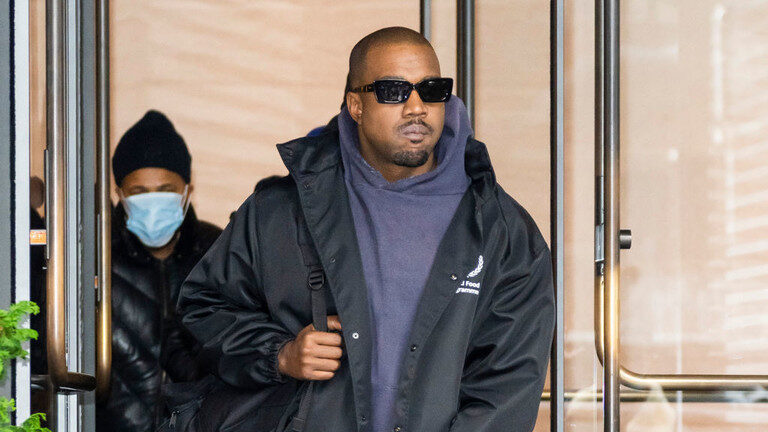
© Getty Images / GothamYe, formerly known as Kanye West, is seen in Chelsea, New York City, January 5, 2022.
The artist currently known as Ye also reportedly seeks business opportunities in Russia.

According to reports, Ye will soon journey to Russia to put on shows, meet with President Vladimir Putin, and pursue business deals with Russian moguls - the logical next step for the artist who once called himself "Young Putin."

Kanye West, who legally changed his name to Ye in 2021, will travel to Moscow later this year to put on his first shows in Russia and pursue business deals with property tycoon Aras Agalarov and his musician son Emin, according to a Billboard report released on Tuesday. The outlet cites Ye's advisor, Ameer Sudan, saying the rapper will help Emin boost his international reputation as a singer too, and expects whatever undisclosed deals he strikes with the Agalarovs to add billions of dollars to his already formidable wealth.

Comment: See also:


Snakes in Suits

Key takeaways from first day of US-Russia European security talks

Sherman/Ryabkov
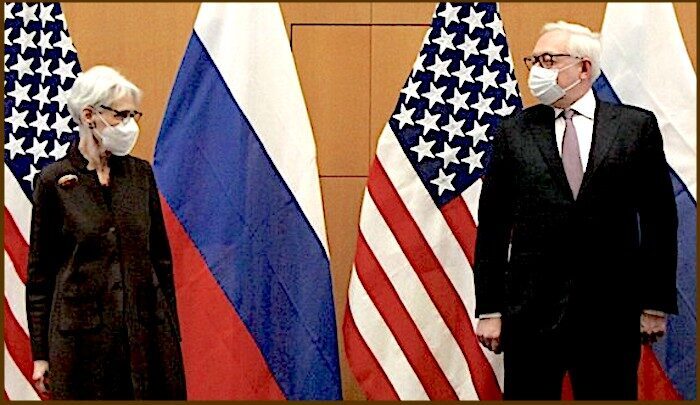
© Russia's UN Geneva Office Twitter/Anadolu Agency/Getty ImagesUS Deputy Secretary of State Wendy Sherman and Russian Deputy Foreign Minister Sergey Ryabkov attend the security talks in Geneva, Switzerland, January 10, 2022.
The US and Russia are no closer to resolving their strategic impasse after talks in Switzerland, with Washington refusing any limitations on NATO expansion and Moscow insisting the bloc must "never" include Ukraine and Georgia.

The encounter in Geneva between US Deputy Secretary of State Wendy Sherman and Russian Deputy Foreign Minister Sergey Ryabkov lasted for more than seven hours on Monday. Its main focus was a proposal Moscow sent to the US last month, and made public on December 17, insisting on curbing NATO's further expansion and deployment of offensive weapons on Russian borders.

"For us, it's absolutely mandatory to make sure that Ukraine never ever becomes a member of NATO," Ryabkov told reporters on Monday. The same goes for the former Soviet republic of Georgia, he added. Moscow's non-negotiable demand is that NATO change its 2008 platform that opened the door for membership to the two countries, the diplomat added.

The US is open to discussing the placement of its missiles in Europe and the size and scope of NATO military exercises on the continent, but any limits on NATO's enlargement are a "non-starter," Sherman told reporters in a separate press conference.

Washington "will not allow anyone to slam closed the door to NATO membership to anyone," she said.

Comment: Starting positions: Today polarities were emphatically reinforced and Do Not Cross lines reiterated.
US State Department spokesman Ned Price, on Monday said Washington will not consider Russian proposals to legally prohibit the eastward expansion of the NATO military bloc, and has no intention of even discussing the idea.

Earlier that day, in Geneva, US Deputy Secretary of State Wendy Sherman and Russian Deputy Foreign Minister Sergey Ryabkov spoke for almost eight hours. According to Price, American diplomats are happy to accept various reciprocal agreements on missiles and transparency of troop movements. He noted that Washington was unwilling to make decisions about Ukraine without Ukraine's input.
"Negotiations on complex topics like arms control can not be completed in a matter of days, or even weeks. We must give diplomacy the time and space required to make progress on such complex issues."
A NATO-Russia meeting is planned for Wednesday, in which diplomats will discuss another set of security proposals, pitched by Moscow, also in December. The text delivered to the 30-member bloc last month focuses mainly on the movement of military personnel and material, including a promise that no signatories will station their forces on European states that were not members of NATO in 1997. It also includes a clause that current NATO members renounce any military activity on the territory of Ukraine, as well as in other Eastern European, Transcaucasian, and Central Asian states.