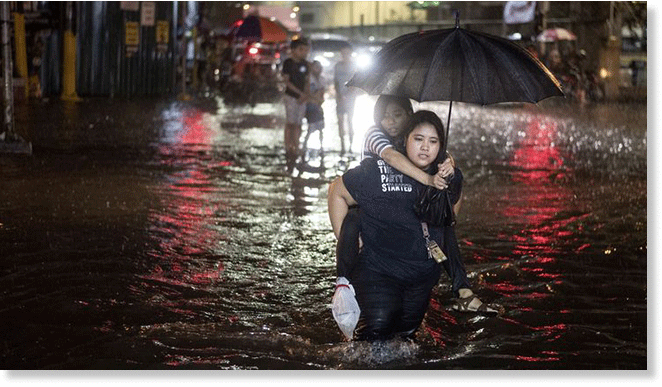
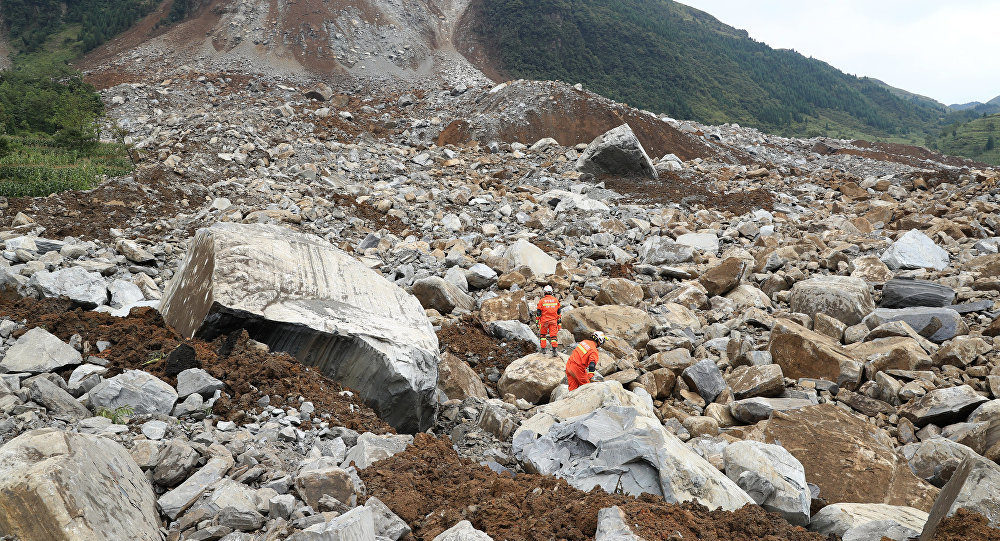
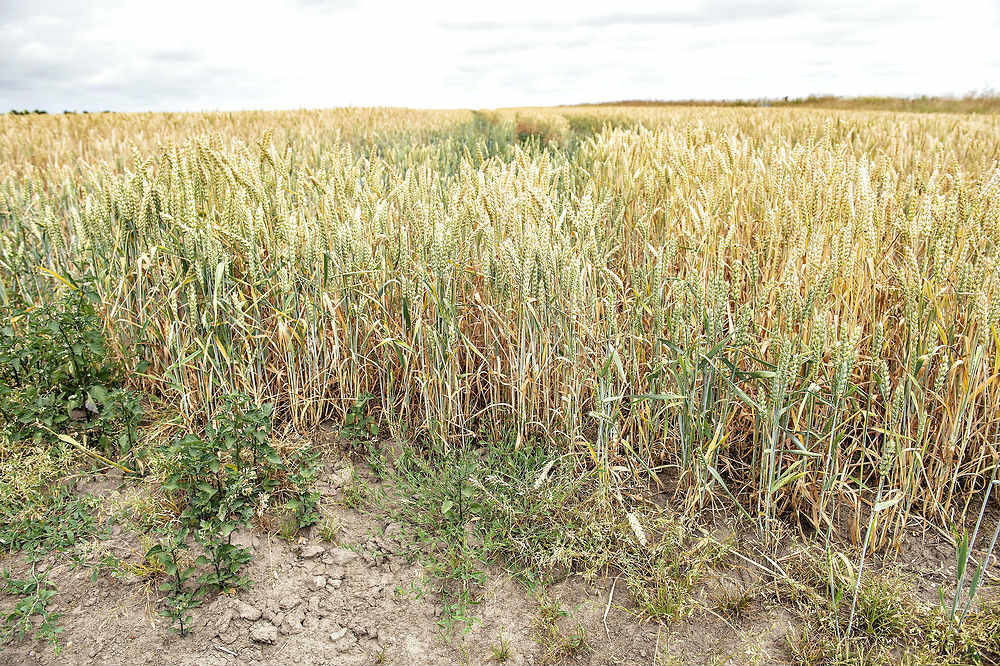
This month was marked by incredible amounts of water falling in a very short period of time all over the world; killing thousands, displacing millions... and damaging more crops.
China, South Korea, Indonesia, the Philippines, Vietnam, South Africa, Nepal, Pakistan, India, Sweden, Russia, Italy and the US, were the most affected by the sheets of rain and the resulting flash floods during July. Japan also experienced an historic flood that caused widespread damage, 200 deaths and thousands displaced.
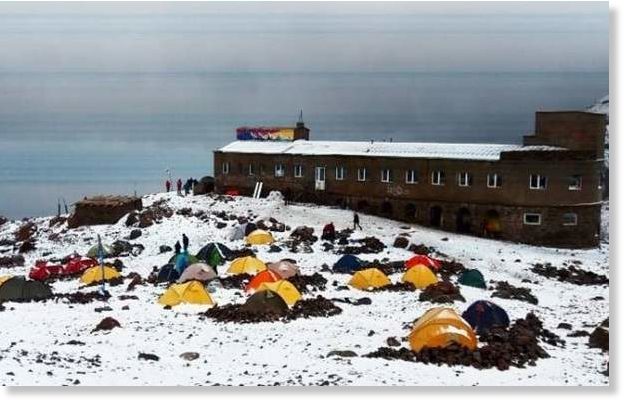
Italy, Brazil and South Africa all had their share of unseasonable or 'rare' snow this month, leaving the local population rather surprised.
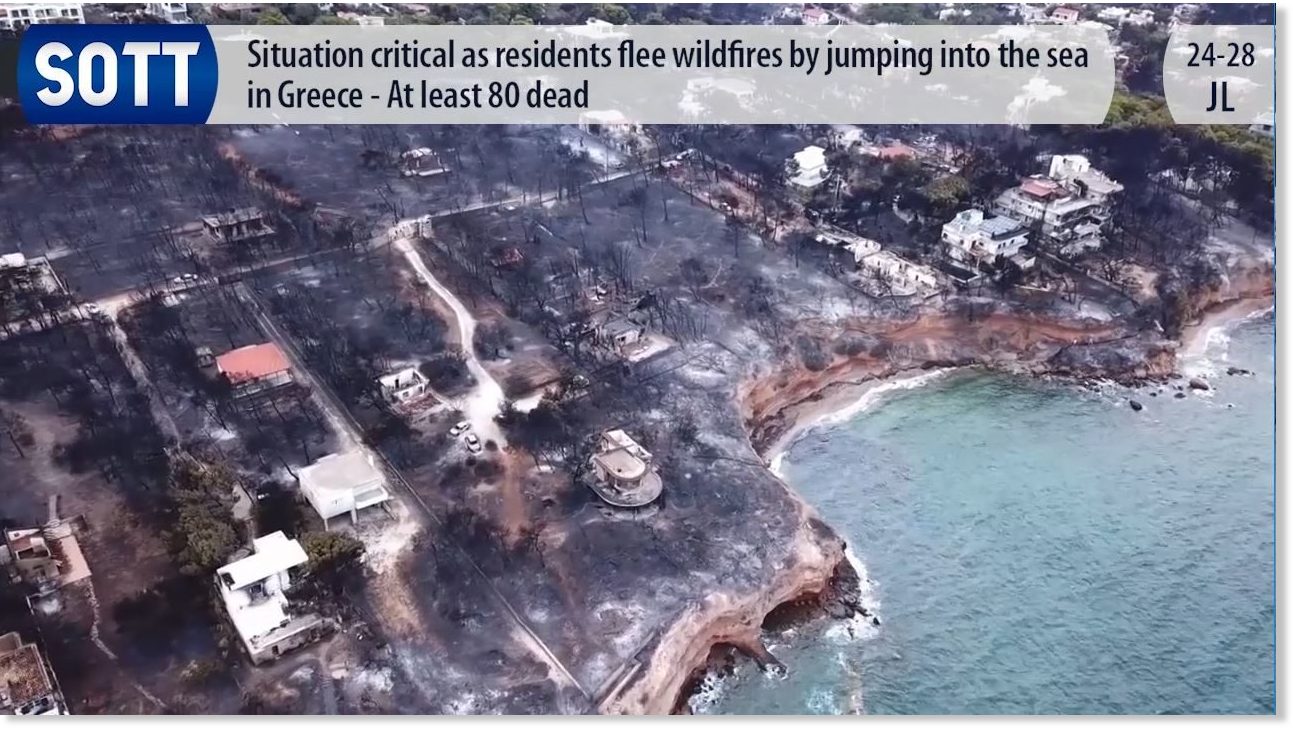
As the 'heavens opened' in many places, high temperatures, droughts and wildfires hit California, Sweden, Norway, and Greece; the latter being the worst affected with 94 deaths, hundreds of displaced, 2,500
square kilometers ravaged with hundreds of people forced to flee to the beaches.
There were significant fires in California, but no record was broken, until now, the fire of 1937 maintains the record with almost 90,000 square kilometers burned. Even combining all of the hectares burned by fire in California in the last five years aren't enough to beat that 1937 record. In addition, since the 1930s there has been
a net decrease in the incidence of fires in the state.
The same applies to the fires that developed in Europe, no records were beaten and there has been a significant drop in the incidence of fires since the 1980s,
as Adapt 2030 has stated. The high temperatures recorded in July in Europe do not compare to those of the 1930s, not to mention the extreme heat experienced in Europe and much of the US over several years in the late 19th century.
Again, we see the mass media focusing and magnifying the localized incidences of high temperatures and wildfires; one headline even stated that the world hasn't experienced such high temperatures since the emergence of our civilization (10,000 years ago), a statement that is just plain wrong.
The Earth's surface temperatures are indeed rising due to geologic and volcanic activity, and the more direct incidence of solar rays due to the weakening of the magnetosphere. But forgotten amid the hype is that temperatures in higher layers of the atmosphere have been plummeting. Proof of this is seen in the increasing incidence of solar and lunar halos, noctilucent clouds, multicolored steles, ever-growing hailstorms and of course, unseasonable snowfalls. And let's not forget that we had rare snow events in the northern and southern hemispheres in both June and July this year.
So don't be fooled, many of the earth changes we are now seeing are due to the low solar activity, the weakening of the magnetosphere, as well as the cosmic rays maximum. And all these changes are not specific to our Earth, we are finding parallels in other planets of our solar system. As someone said, "not by fire, but by ice..."



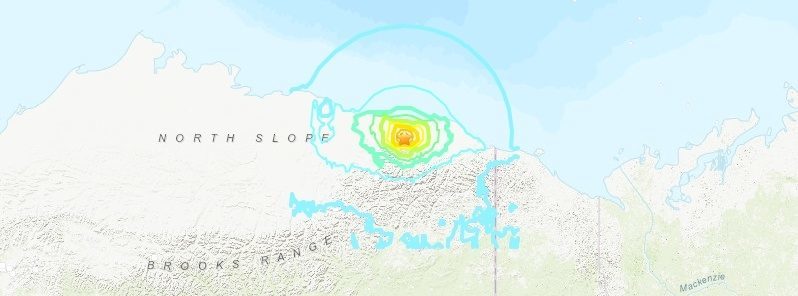











Comment: While some areas of the world suffer extreme drought, other areas are inundated with epic flooding, and as if that wasn't enough, sinkhole, earthquake and volcanic events are on the rise too:
- Huge six-metre sinkhole opens up on road in Taupo, New Zealand
- Video shows cars floating down river after flash flood in Little Falls, New Jersey
- Deadly earthquake lifts Indonesian island by nearly a foot
- Shallow M6.1 earthquake hits northern Alaska - 47 quakes in the last 24 hours
- Record drought in Denmark causes 40% drop in crop yield, $1billion in losses, and wave of bankruptcies
- Nearly two dozen earthquakes at the gigantic Katla volcano in Iceland
Also check out SOTTs monthly documentary: SOTT Earth Changes Summary - July 2018: Extreme Weather, Planetary Upheaval, Meteor Fireballs