OF THE
TIMES


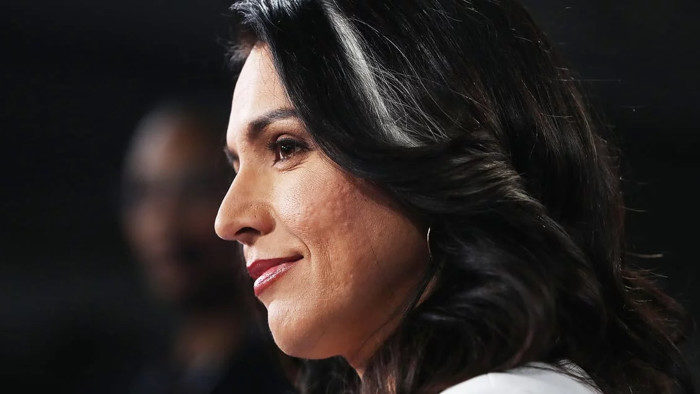
"We have reached out, I think, more than once, and we received no explanation. I don't even think we've gotten a response to date about why they're excluding the first female combat veteran ever to run for president, the only woman of color in the race."CNN announced last Friday that it would host a series of nationally televised town halls in New Hampshire on Feb. 5 and 6, just a few days ahead of the state's Feb. 11 presidential primary.
CNN has held more town hall events than any of the three cable news networks over the past few years and continues that programming strategy as we head into the meat of the 2020 campaign.See also:
Note: Gabbard is currently polling at 4.8 percent in the RealClearPolitics index of polls in New Hampshire. That puts her ahead of tech entrepreneur Andrew Yang (4.0 percent), businessman Tom Steyer (1.8 percent) and former Massachusetts Gov. Deval Patrick (no polling available).
The most recent poll from American Research Group released out of the state even has Gabbard ahead of Sen. Amy Klobuchar (D-Minn.), with the Hawaii congresswoman clocking in at 8 percent to Klobuchar's 7 percent.
And if we're just talking CNN-University of New Hampshire polling, Gabbard is at 5 percent, which places her 3 points higher than Steyer and 5 points higher than Patrick, who clocks in a 0.0 percent.
CNN followed up on its announcement of the New Hampshire town halls on Thursday to explain why Patrick was invited, again without mentioning Gabbard.
"Deval Patrick, who has not yet qualified for the February 7 debate, was offered an opportunity to participate in a CNN New Hampshire town hall, as part of the network's commitment to hosting individual town halls with the Democratic presidential candidates," the spokesperson said.
The last time Gabbard appeared on CNN during one of its special events was at a Democratic debate in Ohio in October. It was then that the Iraq War veteran addressed allegations made by The New York Times and a CNN commentator that she was an asset of the Russian government, an allegation launched (and unchallenged) by 2016 Democratic nominee Hillary Clinton.
Does CNN really agree with Sellers that Gabbard is a puppet for Russia?
Is the network punishing Gabbard for defending herself on CNN air from baseless allegations during that debate in October?
Are Hillary Clinton's people, likely not thrilled that Gabbard just launched a $50 million defamation lawsuit against the former secretary of State for publicly calling Gabbard a Russian asset, somehow pressuring the network not to provide her a national platform?
The perception that some in media root for a particular candidate is nothing new. Just look back in 2016 and how the American public viewed the race between Donald Trump and Hillary Clinton.
A USA Today poll a month before that election showed that by a nearly 10-1 margin, American voters felt the media were rooting for Clinton over Trump. 10-to-1.That perspective includes a majority of Clinton supporters.
The Hill, along with other news organizations, has reached out to CNN for comment as to why a candidate polling higher than three other invited candidates did not receive an invitation to one of its town halls.
There has been no response. Perhaps because there's no plausible explanation for slighting a candidate quite as bizarrely, and blatantly, as this.
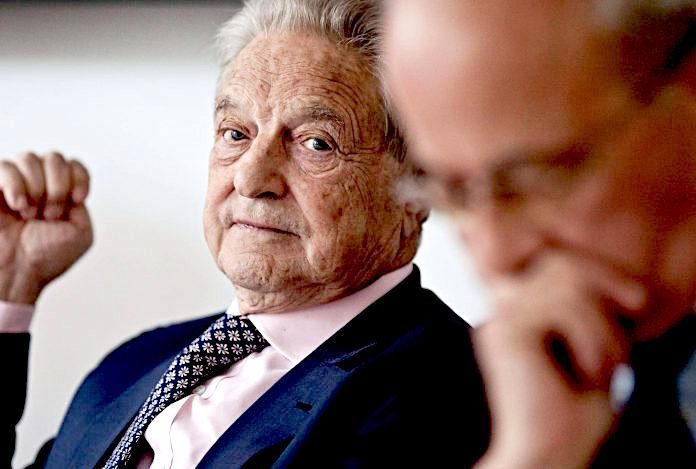
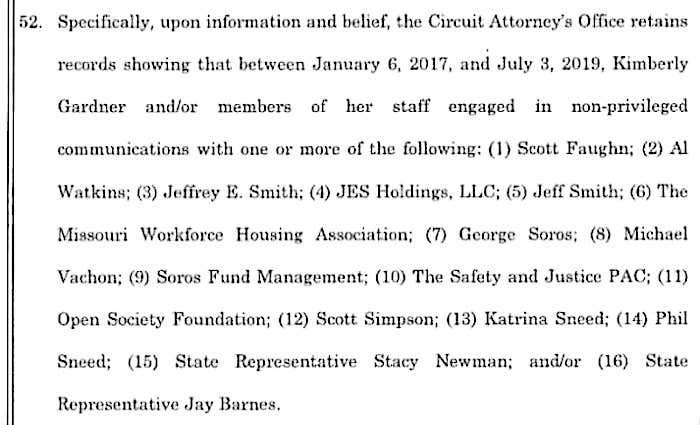
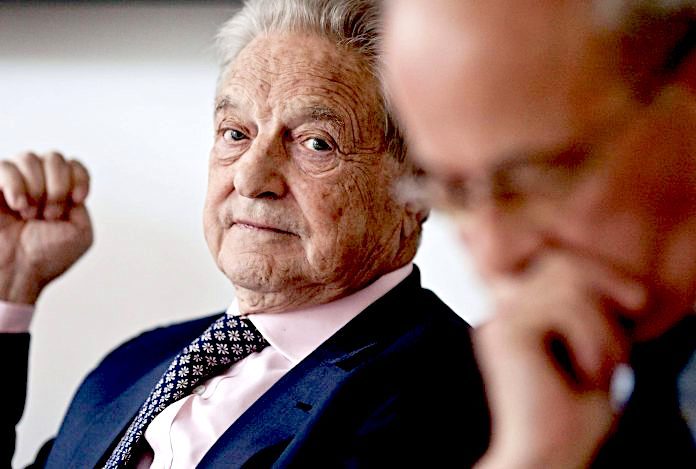
John Solomon's lawsuit also names Al Watkins, the attorney representing the mistress' husband, former Missouri Times publisher Scott Faughn, Missouri State Reps. Jay Barnes and Stacey Newmann, and none other than billionaire progressive philanthropist, George Soros.
From the lawsuit:

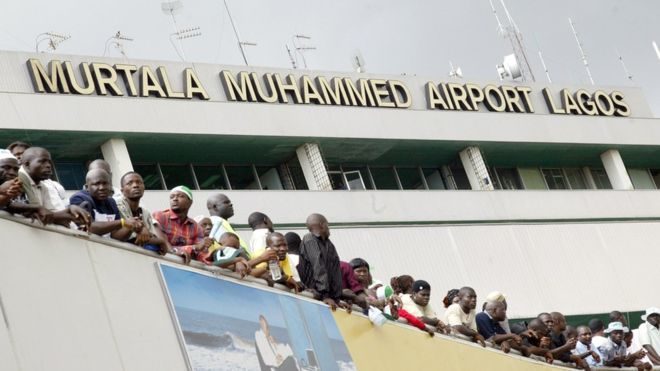
US President Donald Trump will issue an updated version of his controversial travel ban, acting Homeland Security head Chad Wolf said Friday. The existing ban will remain in place, having been okayed by the Supreme Court in 2018.
Wolf said that the countries in question have failed to meet American security and information sharing standards, citing poor passport security and inadequate terrorism screening.
Belarus was initially slated to appear on the blacklist, but according to Wolf, managed to remedy its shortcomings in time to avoid a ban. US Secretary of State Mike Pompeo is due to touch down in Belarus on Saturday, and the decision to strike the eastern European country from the list may have partly been a goodwill gesture, given that Pompeo is likely seeking to pull Belarus away from the influence of its neighbor, Russia.
"These countries for the most part want to be helpful, they want to do the right thing, they have relationships with the US, but for a variety of different reasons failed to meet those minimum requirements," Wolf said. He added that Trump will issue the ban later on Friday.
The ban will likely be trashed by Democrats and barraged with legal opposition. Trump's first travel ban, which affected some citizens of Iran, Libya, North Korea, Somalia, Syria, Venezuela and Yemen, was issued just one week into his presidency in 2017, and was widely construed as a "Muslim ban."
The ban was challenged in several federal courts, with the Supreme Court eventually accepting a revised version, which came into force in 2018.
Comment: Notably reactions from some in the international community - Russia and China, for example - about this 'deal of the century' has been not so forthcoming with comments that they would need to look at it in more detail. Meanwhile Palestinian President Abbas has declared he will be cutting ties with both the US and Israel, and the Head of the Arab League stated that the proposal ignored the "legtimate concerns" of the Palestinians.
See also: