Extreme Temperatures
S


Snowflake Cold

Motorists abandon vehicles, hundreds stranded at airports as snow, ice and heavy winds batter UK

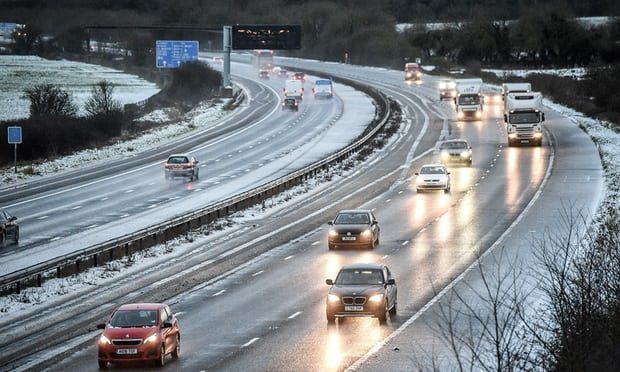
Snow M Gloucestershire December 2017
© Ben Birchall/PASnow reduces the M5 to two lanes between junctions 14 and 15 in south Gloucestershire.
Motorists have had to abandon their vehicles in icy conditions in the Lake District and hundreds of passengers have been stranded at airports after their flights were delayed, with the bad weather expected to cause further travel disruption across the UK.

The Met Office issued a yellow warning for ice across large parts of the UK stretching into Thursday morning, and isolated snowfall was expected on higher ground in England, Wales and Scotland.

About 300 people were stuck at Stansted airport late on Wednesday evening while waiting to rebook flights following a series of Ryanair and easyJet flight cancellations caused by the weather, the airport said.

Igloo

Extreme arctic cold continues to grip Canada and northern US

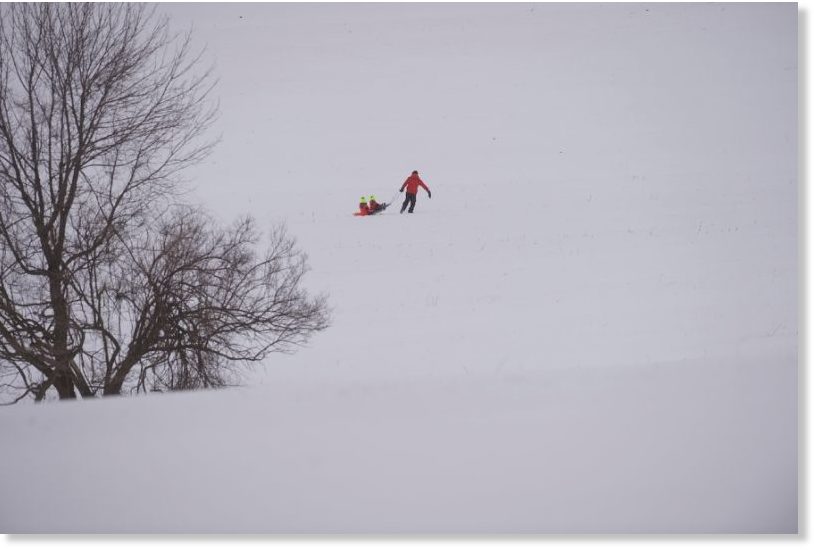
sledding
© AFP Photo/Mark Makela
A homeless man froze to death at a bus stop in Ohio and people in Pennsylvania resorted to a bulldozer to clear snow Wednesday, as an Arctic snap gripped most of Canada and the northern United States.

In Canada, extreme cold warnings were issued for scores of communities across the country, including the heavily-populated provinces of Ontario and Quebec.

In the United States, a homeless man froze to death at a bus stop in downtown Cincinnati, Ohio, local media said, quoting police and a homeless charity.

While Toronto reported temperatures of minus 15 C (5 F) and Ottawa minus 25 C, the coldest spot in Canada was minus 42.8 C in Armstrong, Ontario, according to Environment Canada.

Extreme cold warnings are issued "when very cold temperatures or wind chill creates an elevated risk to health such as frost bite and hypothermia," the government agency said.

Snowflake Cold

Siberia, Antarctica warmer than New Hampshire

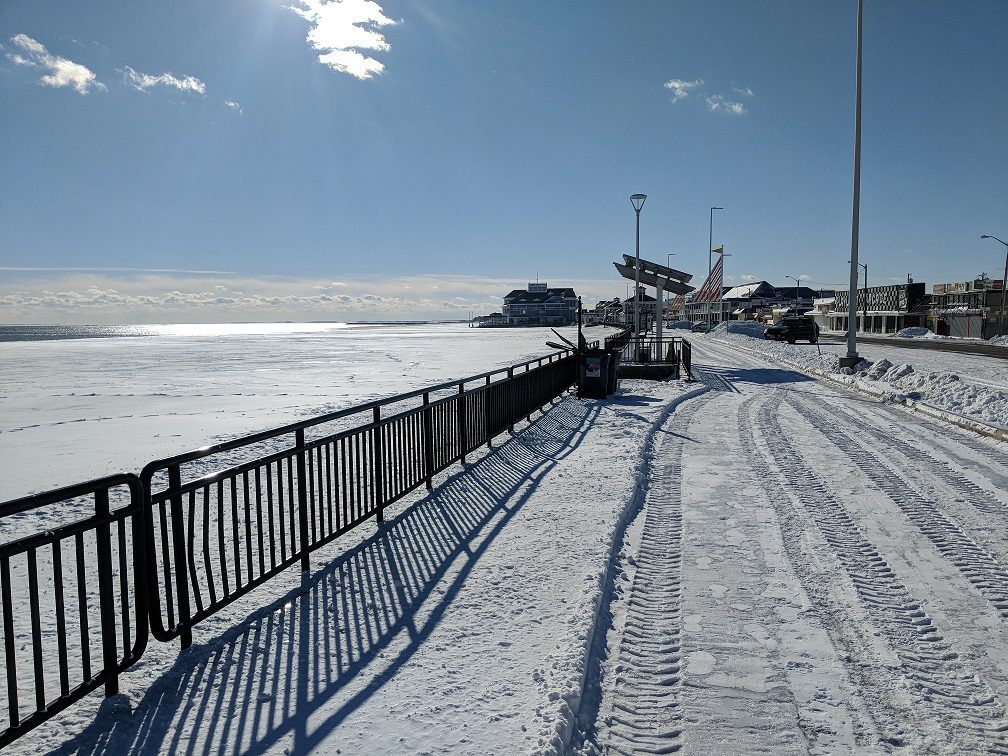
Hampton Beach
© NH1
Mother Nature is giving New Hampshire more than just the cold shoulder to end 2017, she's giving us the back of her hand.

Thanks to a blast of arctic air, we're bracing for temperatures about 20 degrees colder than normal averages over the next week. In Concord temperatures are expected to dip as low as -11.

Of course this doesn't even factor in the wind chill, which we all know provides an extra slap in the face when we walk out the door each morning.

But how does New Hampshire stack up against some of the coldest places on Earth? Should we really be complaining? The answer is yes.

Here are eight surprising places (as of 3 p.m. Wednesday) that will be warmer than New Hampshire over the next week, according to weather.com:

Comment: See also: US: Christmas brings Northeast blizzard, bitter cold in Midwest


Snowflake

Michigan's Porcupine Mountains digging out after 6 feet of snow

Heavy snowfall has rangers digging out the headquarters at Porcupine Mountains Wilderness State Park
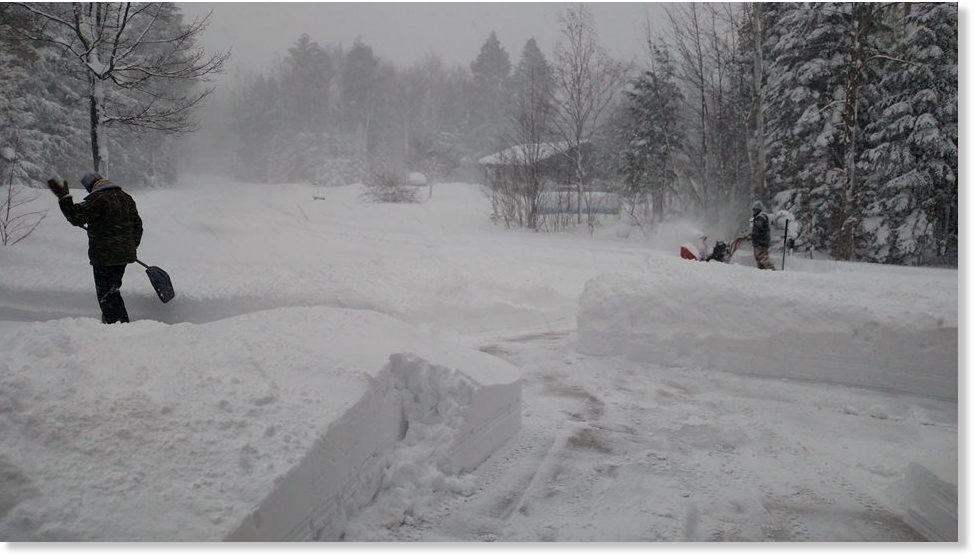
© Michigan DNRHeavy snowfall has rangers digging out the headquarters at Porcupine Mountains Wilderness State Park
Rangers at Porcupine Mountains Wilderness State Park were busy digging out their headquarters Wednesday.

More than 72 inches of snow have fallen in some areas of the park, and a groomer was headed out to pack down the cross-country trails today.

"Lower elevated areas have 36-60 inches and the higher elevations have 48-72 inches of snow," the park posted on its Facebook page today. "The National Weather Service is calling for additional snow."

The 60,000-acre park in the northwestern Upper Peninsula, along the shores of Lake Superior, is one of the last sprawling tracts of wilderness left in the Midwest.

Snowflake

48-hour snow record broken in Redfield, New York with 62 inches!

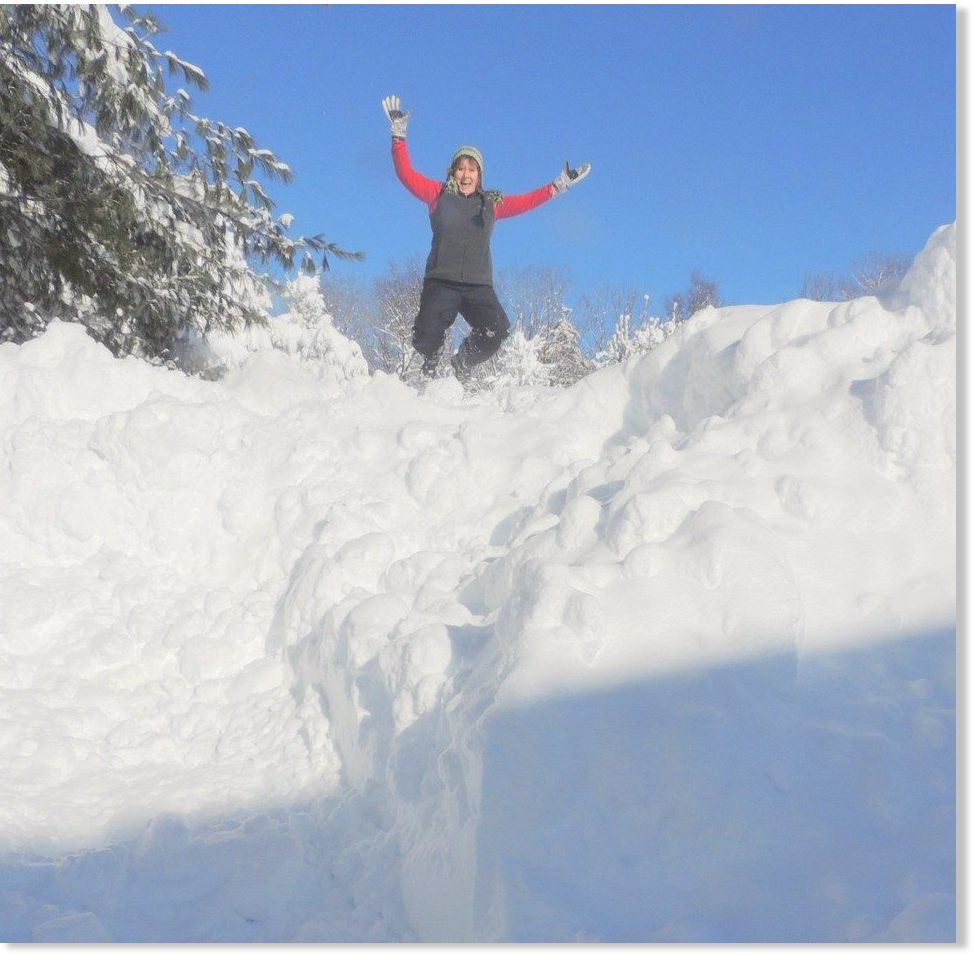
Caroyln Yerdon, the NWS observer in Redfield, climbed atop a 15-foot pile of snow on Wednesday to celebrate Redfield's (unofficial) record for the most snow to fall in Oswego County in 48 hours.
© Carolyn YerdonCaroyln Yerdon, the NWS observer in Redfield, climbed atop a 15-foot pile of snow on Wednesday to celebrate Redfield's (unofficial) record for the most snow to fall in Oswego County in 48 hours.
Redfield in Oswego County has -- unofficially -- broken the county's 48-hour snow record, according to the weather service's observer in the town.

Over the last two days, 62.2 inches of snow has accumulated in the town of 550 people, said Carolyn Yerdon, the National Weather Service observer.

The record beats the previous Oswego County record of 57 inches in Bennetts Bridge in February 2008, according to the weather service.


Snowflake

Dolomites ski resort in Italy reports 4 feet of snow in 24 hours; huge dumps of 80cms on other European mountains

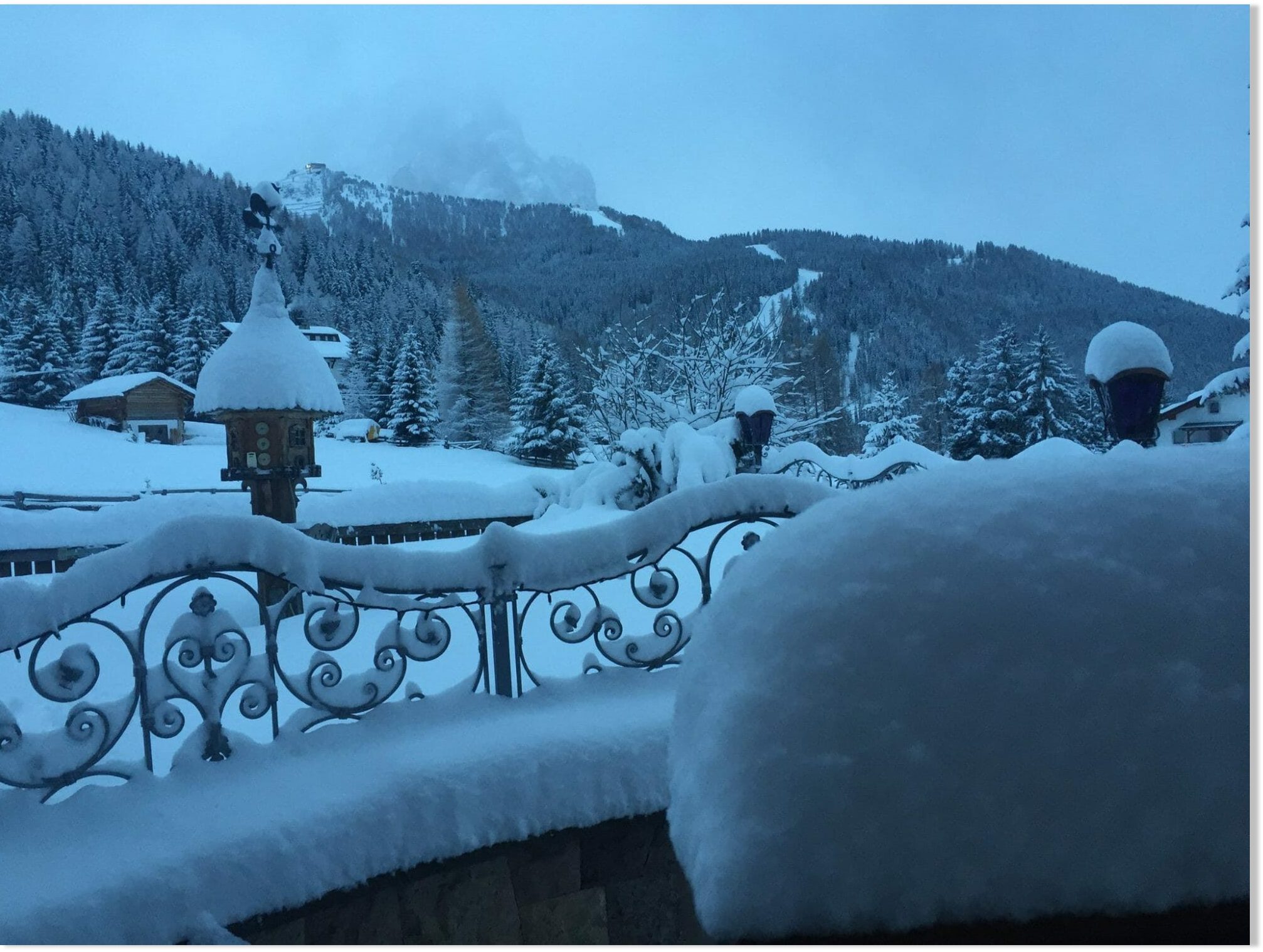
Arabba in the Italian Dolomites
Arabba in the Italian Dolomites has reported 120cm (four feet) of snowfall in the past 24 hours.

It's the biggest accumulation in a list of hundreds of big totals across Europe with up to 80cm of snow reported in the Pyrenees and the same in the Alps.

The snowfall at Arabba appears to be the biggest snowfall in the region for nearly four years since the village was cut off by snow in early 2014 when a state of emergency was declared when roads were blocked and power cut off.

This is the snow falling last night:

Snowflake Cold

Record December low of -36F for International Falls, Minnesota

ice ice
International Falls, Minnesota woke up to a temperature of -36F at 6 a.m. Wednesday morning breaking the previous record low for Dec. 27 of -32F set in 1924, according to the National Weather Service office in Duluth. That -36 is the actual temperature, not a wind chill!

According to state records, the -36 morning in International Falls is only about halfway to the state record low temperature of -60 in Tower, Minnesota on Feb. 2, 1996. The all-time record low for International Falls is -55F, set in January 1909.

Ice Cube

Scientists predict 'mini ice age' may hit UK by 2030

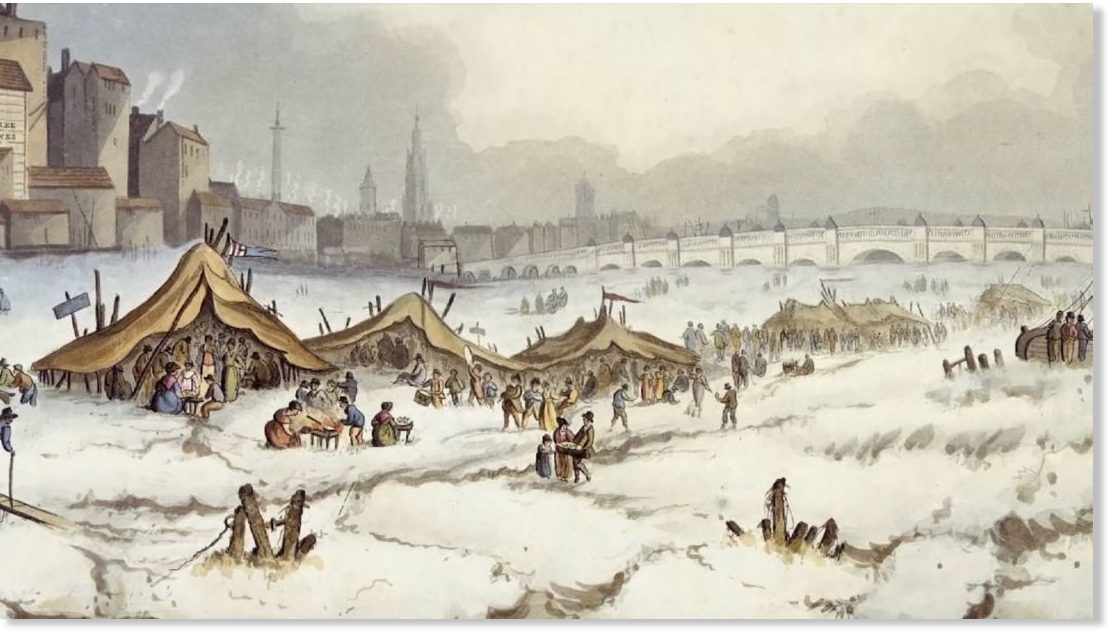
Frost fairs were once held on the River Thames.
A model of the Sun's magnetic activity suggests the River Thames may freeze over within two decades, experts say.

A mini ice age that would freeze major rivers could hit Britain in less than two decades, according to research from universities in the UK and Russia.

A mathematical model of the Sun's magnetic activity suggests temperatures could start dropping here from 2021, with the potential for winter skating on the River Thames by 2030.

A team led by maths professor Valentina Zharkova at Northumbria University built on work from Moscow to predict the movements of two magnetic waves produced by the Sun.

Snowflake Cold

Adapt 2030 Ice Age Report: Baby elephants freeze in Myanmar - Record snows hit Switzerland - Record cold in Australia (VIDEO)

snow
Baby elephants freeze in Myanmar as local elephant camps are asking locals to donate blankets to keep them warm.

Ossetia in Caucuses crushed with a blizzard knocking out power to 70,000 homes.

Switzerland record snow and skiing in the streets.

Queensland Australia coldest ever temps in December, but media includes a thermometer reading 90F in the article.

Snowflake Cold

Adapt 2030 Ice Age Report: Cosmic rays have 7x more effect on climate - Cold weather anomalies spread worldwide (VIDEO)

ice korean river
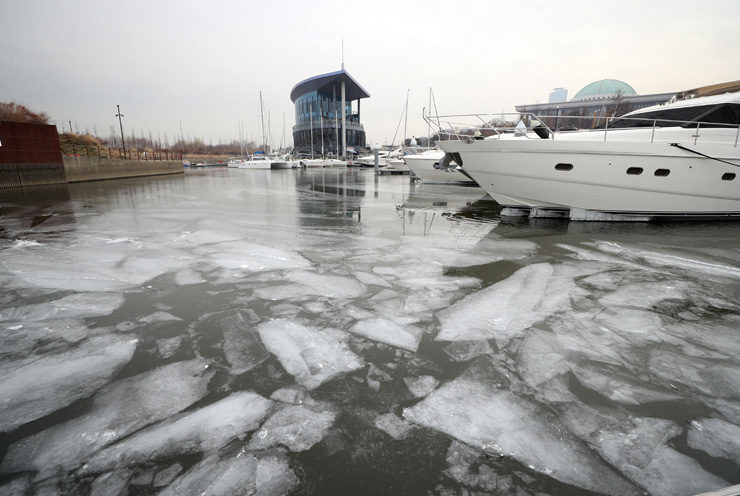
© Korea Times photo by Shin Sang-soon/YonhapSome parts of the Han River are frozen in Seoul, Friday, after subzero temperatures over the past few days.
New peer reviewed research from Svensmark shows that Galactic Cosmic Rays have SEVEN Times as much effect in creating clouds as previously believed. Incredible 12 feet of snow dumps on Germany in the Alps in a single storm. First time ice is seen on Korean river in 71 years, coldest in 100 years in Queensland Australia. Banks now forbidding customers form buying crypto with their own funds.


Comment: Study: Cosmic rays trigger climate change on Earth by increasing cloud cover

See also: Coldest summer for 100 years in Queensland, Australia
Every year more and more anomalous weather events are being reported all over the world, we're even seeing changes in the seasons; in the US and Europe it's unusually cold with some regions seeing record breaking snowfall. Both hemispheres are recording more abrupt and harsher winters that's leading to massive crop losses for farmers and a surge in commodity prices.

Mainstream science is failing to recognise the impact that our Sun's activity, the lowest in 200 years, is having on our planet; we're seeing a dramatic weakening of Earth's geomagnetic field and more more cosmic rays are entering into our atmosphere causing more cloud cover, and in tandem the polar jet streams are behaving erratically meandering further south for prolonged periods, causing the infamous 'polar vortex' phenomenon.

It's clear there are great changes occurring on Earth and some point to the beginning of a mini ice age.