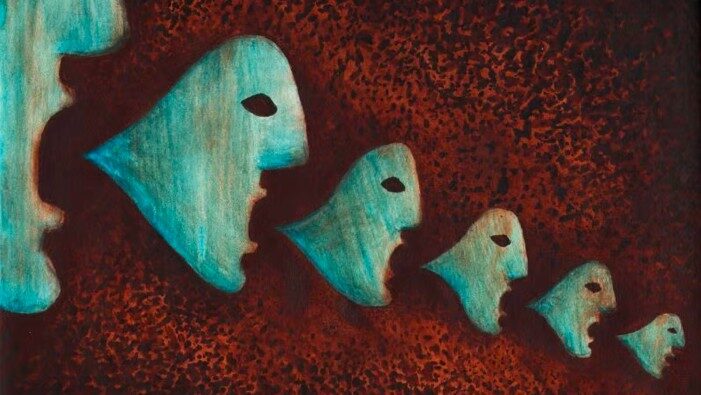
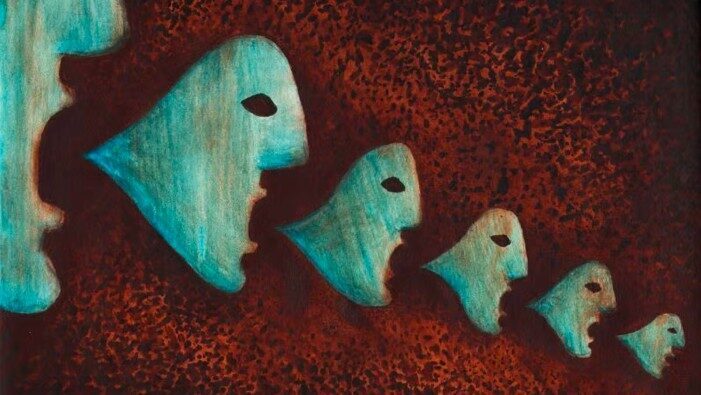
© Unknown
"All warfare is based on deception. Hence, when we are able to attack, we must seem unable; when using our forces, we must appear inactive; when we are near, we must make the enemy believe we are far away; when far away, we must make him believe we are near."
- Sun Tzu, the Art of War
In recent years, prominent national security officials and media outlets have raised alarm about the unprecedented effects of foreign disinformation in democratic countries. In practice, what they mean is that democratic governments
have fallen behind in their command of the methods of information warfare in the early 21st century. As outlined herein, while information warfare is a real and serious issue facing democratic governments in the 21st century,
the war on disinformation, as currently practiced, has backfired spectacularly and done far more harm than good, as evidenced most clearly by the response to COVID-19.
We begin with the definitions and history of a few key terms: Censorship, free speech, misinformation, disinformation, and bots.
Censorship and Free SpeechCensorship is any deliberate suppression or prohibition of speech, whether for good or ill. In the United States and countries which have adopted its model,
censorship induced by governments and their appendages is constitutionally prohibited except in the narrow category of "illegal speech" — e.g., obscenity, child exploitation, speech abetting criminal conduct, and speech that incites imminent violence.
Because censorship involves the exercise of power to silence another individual,
censorship is inherently hierarchical. A person who lacks the power to silence another cannot censor them. For this reason,
censorship inherently reinforces existing power structures, whether rightly or wrongly.













Comment: See: Rachel Levine is a nutcase promoted by pharma-backed advocacy group to normalize transitioning children