
© University of Cambridge
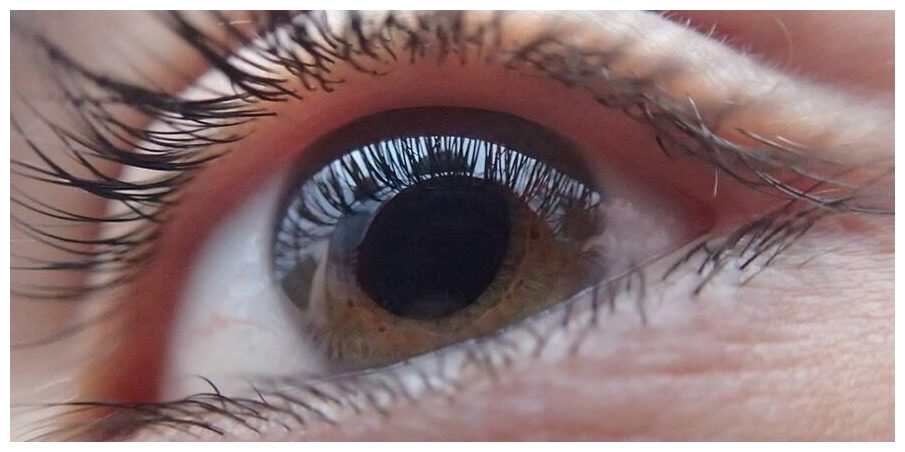
In a study published today in Nature Communications, scientists tested whether the gene responsible for the production of a protein known as Protrudin could stimulate the regeneration of nerve cells and protect them from cell death after an injury.
The team, led by Dr Richard Eva, Professor Keith Martin and Professor James Fawcett from the John van Geest Centre for Brain Repair at the University of Cambridge, used a cell culture system to grow brain cells in a dish. They then injured their axons using a laser and analysed the response to this injury using live-cell microscopy. The researchers found that increasing the amount or activity of Protrudin in these nerve cells vastly increased their ability to regenerate.
Nerve cells in the retina, known as retinal ganglion cells, extend their axons from the eye to the brain through the optic nerve in order to relay and process visual information. To investigate whether Protrudin might stimulate repair in the injured CNS in an intact organism, the researchers used a gene therapy technique to increase the amount and activity of Protrudin in the eye and optic nerve. When they measured the amount of regeneration a few weeks after a crush injury to the optic nerve, the team found that Protrudin had enabled the axons to regenerate over large distances. They also found that the retinal ganglion cells were protected from cell death.
The researchers showed that this technique may help protect against glaucoma, a common eye condition. In glaucoma, the optic nerve that connects the eye to the brain is progressively damaged, often in association with elevated pressure inside the eye. If not diagnosed early enough, glaucoma can lead to loss of vision. In the UK, round one in 50 people over the age of 40, and one in ten people over the age of 75 is affected by glaucoma.










Comment: See also:
- Mysterious 'wave' of star-forming gas may be the largest structure in the galaxy
- Betelgeuse is neither as far nor as large as once thought
- Astronomers observe SIX galaxies undergo sudden, dramatic transitions into super-bright quasars
And check out SOTT radio's: