Extreme Temperatures
S


Snowflake

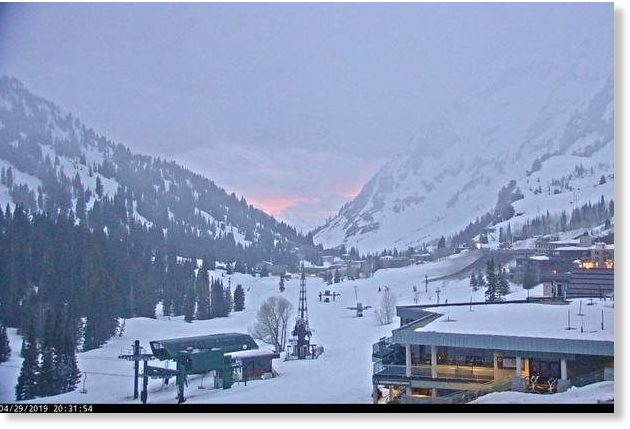
Snow blankets Utah following spring storms on the first day of May

Mount Superior
Mount Superior
Spring snowshowers swept across parts of Utah, on May 1, prompting multiple warnings from the National Weather Service for sub-freezing temperatures and flooding from snow melt later in the week.


Credit: Andy Hyer via Storyful

Snowflake

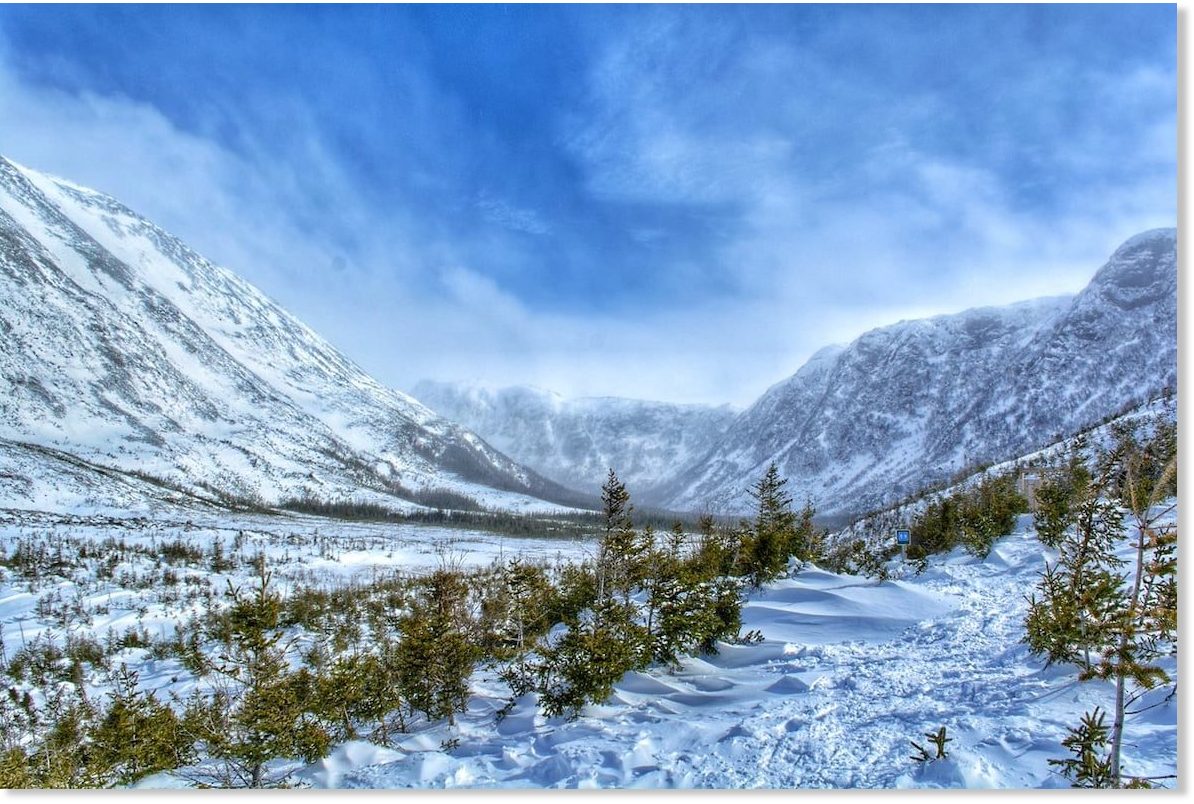
National Park covered in snow as spring storm hits Newfoundland

File photo
File photo of Gros Morne
A spring storm left Gros Morne National Park in Newfoundland covered in snow on May 1.

Andre Beyzaei, who captured this footage, told Storyful it's not common to see this amount of snow around western Newfoundland at this time of year. "We usually see something like this in January or February," he said.

Environment Canada issued a snowfall warning on Wednesday for the Rocky Harbour area due to the continued snowfall.


Credit: Andre Beyzaei via Storyful

Attention

Adapt 2030 Ice Age Report: Upcoming food shortages blamed on farmers & fishermen

food crisis
© YouTube/Adapt 2030 (screen capture)
Bankruptcies slamming American dairy and grain farmers which has a feedback loop of banks less willing to lend because of risk, so less land is planted because of lack of financing. Kenyan and Ugandan fishermen square off over Lake Victoria fish, a look food usage globally and the Galactic Cross.


Comment: Erratic seasons and extreme weather devastating crops around the world

Crop and cattle losses are on the rise everywhere, whether it is due to extensive drought, massive hail, epic flooding, huge dust storms, unexpected frosts, and even epidemics. See also:


Snowflake

Spring season snowstorm dumps heavy snow across Rockies - 29 inches in Montana

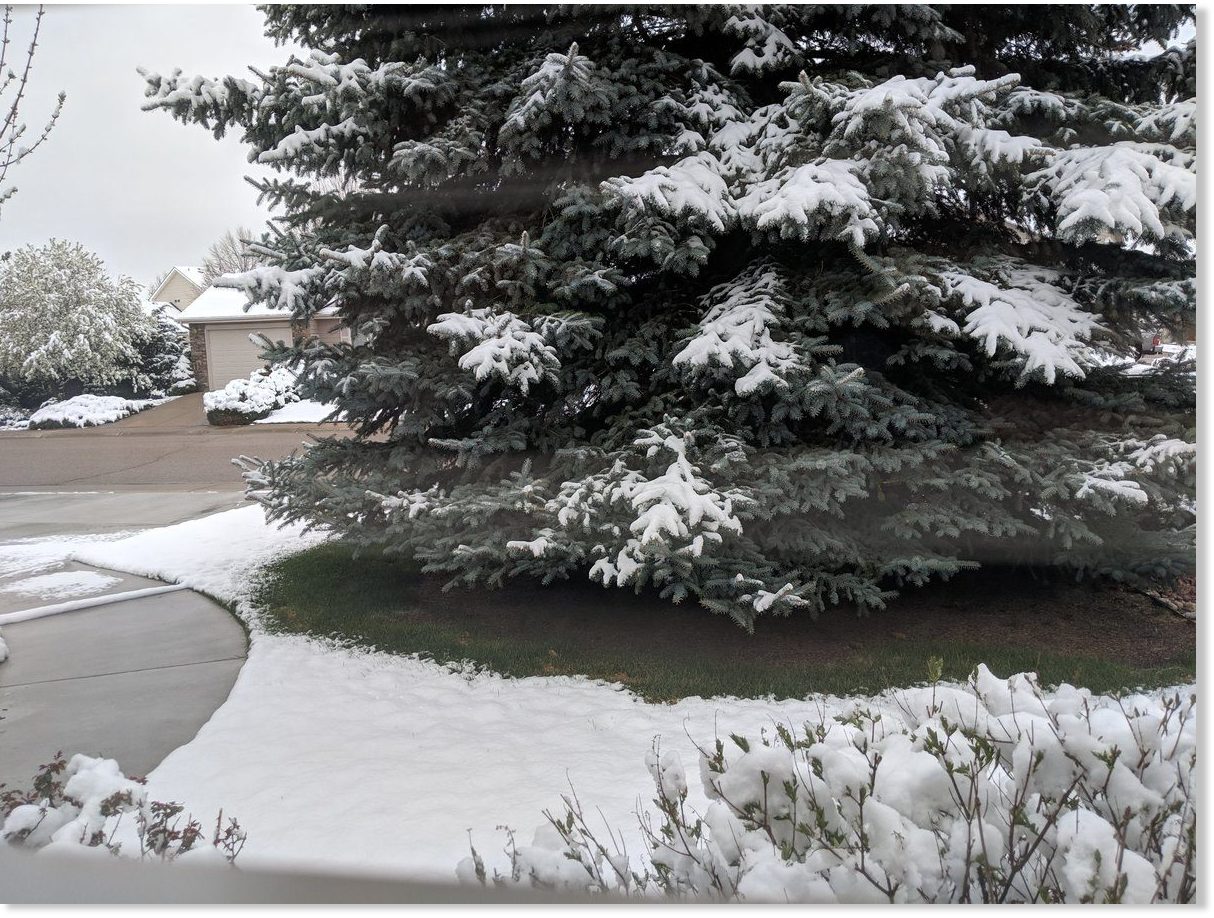
Springtime snow on the Front Range in Windsor, Colorado, on Tuesday, April 30.
© Becky DePodwinSpringtime snow on the Front Range in Windsor, Colorado, on Tuesday, April 30.
High snowfall totals have been recorded in the Rockies as a late-season storm moves through the region, sparking travel advisories and warnings.

The region is no stranger to late-season snow events.

"It's fairly common to get snow this late in the season for parts of Colorado, Wyoming and Montana.

Denver has had measurable snowfall after April 20 in 2016, 2017, 2018 and now in 2019, too," AccuWeather Meteorologist Steve Travis said.

In Denver, the average day for the last snow is April 27, but there has been measurable snow in the area as late as June 1.

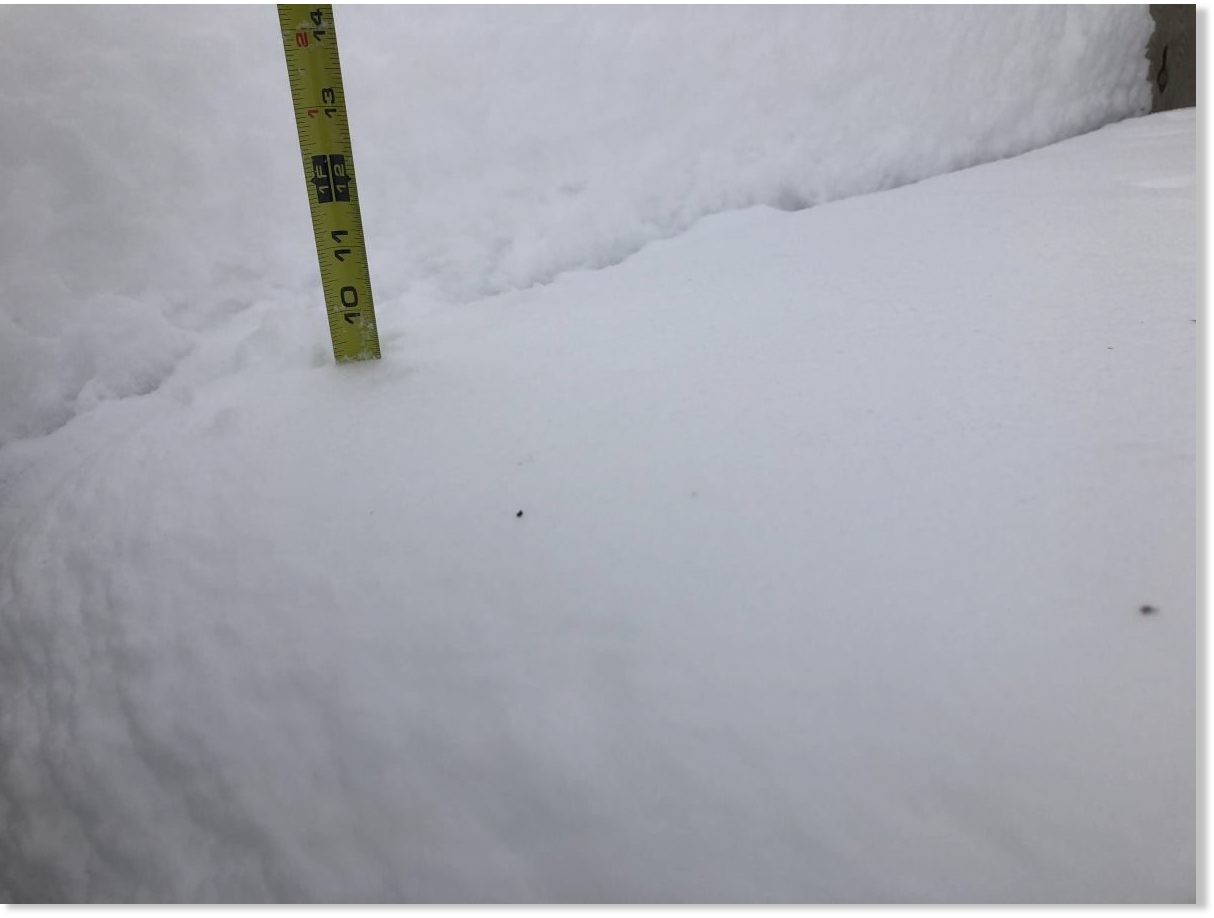
Heavy snowfall totals have accumulated over the previous three days with the highest totals recorded in Montana. As of Tuesday morning, 29 inches of snow were recorded in Highwood, Montana, and 18 inches were recorded in Monarch, Montana, according to the National Weather Service (NWS).


Comment: At the same time: Parts of Minnesota dunked on with up to 15 inches of spring snow


Snowflake

Parts of Minnesota dunked on with up to 15 inches of spring snow

WHITE STUFF
It's not like it's almost May or anything...

It's the last day of April and we're literally writing a story about how much snow fell in parts of Minnesota on Monday.

"Hello again winter!" said Visit Cook County MN in a Facebook post. "We woke up to a few fresh inches of snow this morning in the northwoods. Of course, it won't last long but the dramatic transformation from the spring time brown to monotone white is rather beautiful."


Snowflake

Weekend snowstorm closes highways in Alberta and Saskatchewan - drifts of over 2 feet

Weekend snowstorm closes highways in Alberta
Weekend snowstorm closes highways
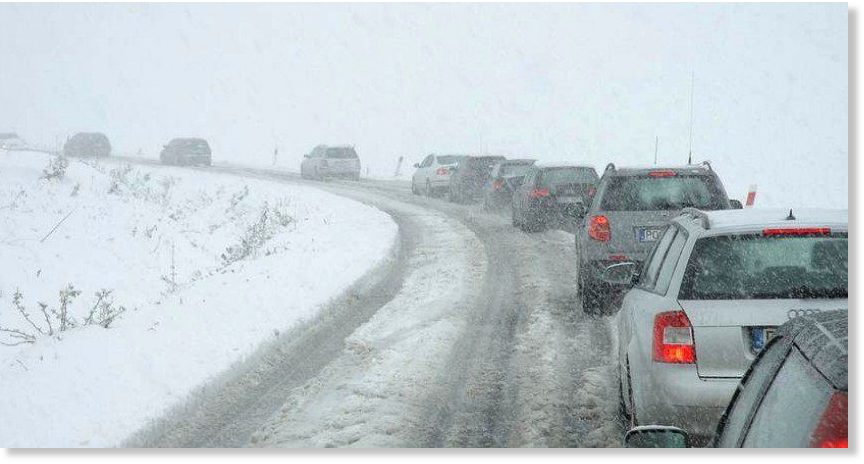
Snow-covered highways in southern Alberta reopened Sunday as stuck or smashed vehicles were removed, but snowfall advisories and even a blizzard warning remained in effect in some areas as the storm tracked into Saskatchewan.

Environment Canada says a strong low-pressure system brought heavy snow and strong winds to much of central and southern Alberta on Saturday into Sunday morning.

It says the system even produced a few short-lived severe thunderstorms in the southeast corner of Alberta before blizzard conditions descended on the area Saturday evening.

The Trans-Canada Highway east of Calgary was closed in both directions on Saturday, while police said travel was restricted on the highway west of the city as crews responded to a crash involving four semis and 11 other vehicles. No serious injuries were reported.


Snowflake

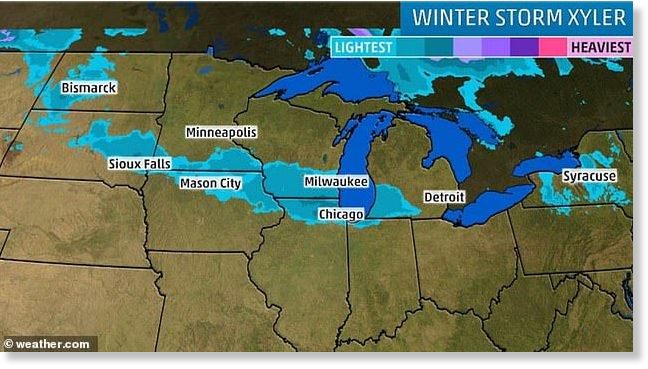
Winter Storm Xyler brings snow to Plains, Midwest, Great Lakes, Interior Northeast on last weekend of April 2019 (RECAP)

snow map
Winter Storm Xyler snowfall totals from April 26 through early April 28, 2019.
Winter Storm Xyler brought accumulating snow to parts of the northern Plains, upper Midwest, Great Lakes and interior Northeast during the last weekend of April 2019.

Xyler was a mid-spring clipper-like low-pressure system that swept across the northern tier of the United States from the northern Rockies through South Dakota and Nebraska, then the southern Great Lakes. The northern side of Xyler had just enough cold air to work with to produce unwanted snow across the northern Plains, upper Midwest, Great Lakes and interior Northeast from April 26 through early April 28.

Winter Storm Xyler was named during the late-afternoon hours on April 26, when winter storm warnings were issued for southern Minnesota and southern Wisconsin, including the Milwaukee and Madison, Wisconsin, metro areas. Those warnings met our criteria for winter storm naming, at least 2 million people located in winter storm warnings.


Info

Adapt 2030 Ice Age Report: ClimateGate, barium rocket tests & crayons on climate charts

aurora experiment
© Frank Olsen via Facebook
Temperature has preceded CO2 concentrations on Earth for the last 450,000 years, but that somehow slipped under the radar, and now revisiting the Climategate emails the Medieval Warm Period was equal to today's temperatures if not warmer. But bogus climate charts are emerging across social media showing otherwise, plus rocket tests in Norway are explained by Jim Lee at Climate Viewer.


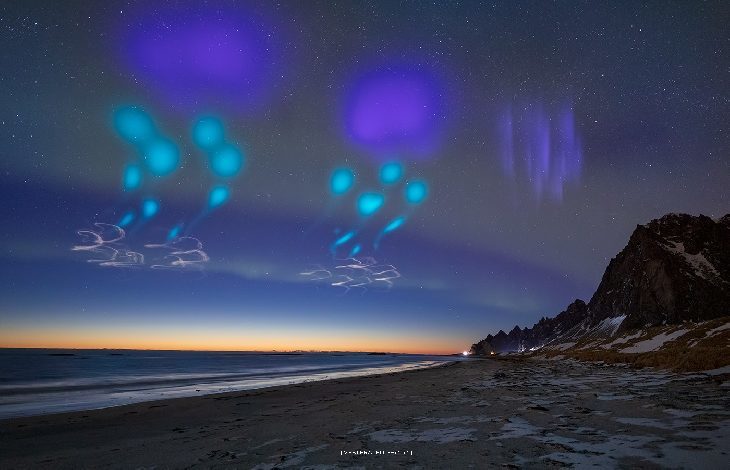
Comment: NASA's new aurora experiment colors the sky in Norway


Tornado1

Best of the Web: Flash-flooding, dust-storms, hailstorms, and even snow: Entire Mid-East & North Africa regions pummeled all month long with extreme weather


Comment: The Express story on this concerns one set of events that took place in the MENA regions last week. But as you'll see in the videos below, there have actually been successive waves of extreme weather from Tunisia to Iran, all month long...


saudi hailstorm
Hail carpets the desert in Saudi Arabia, April 3rd 2019
A bizarre freak weather phenomenon has struck the Middle East, unleashing heavy snowfall, extreme floods and "apocalyptic" dust storms.

The mysterious and extreme weather has caused bizarre 'ice floods' to sweep across deserts in Saudi Arabia, Iran, and the United Arab Emirates. The freezing plunge in temperatures has perplexed meteorologists in a region that is typically basking in scorching sunshine at this time of year. Last week, several parts of Tunisia were hit by snow and torrential rainfall, causing fatalities.

Floods and colder temperatures were felt throughout the Levant, as rain led to severe flooding in Riyadh, and hail, thunderstorms, and flash floods struck the UAE.


At the same time, nearly one hundred villages have been evacuated in Iran due to an extreme rainfall deluge and subsequent flash floods.

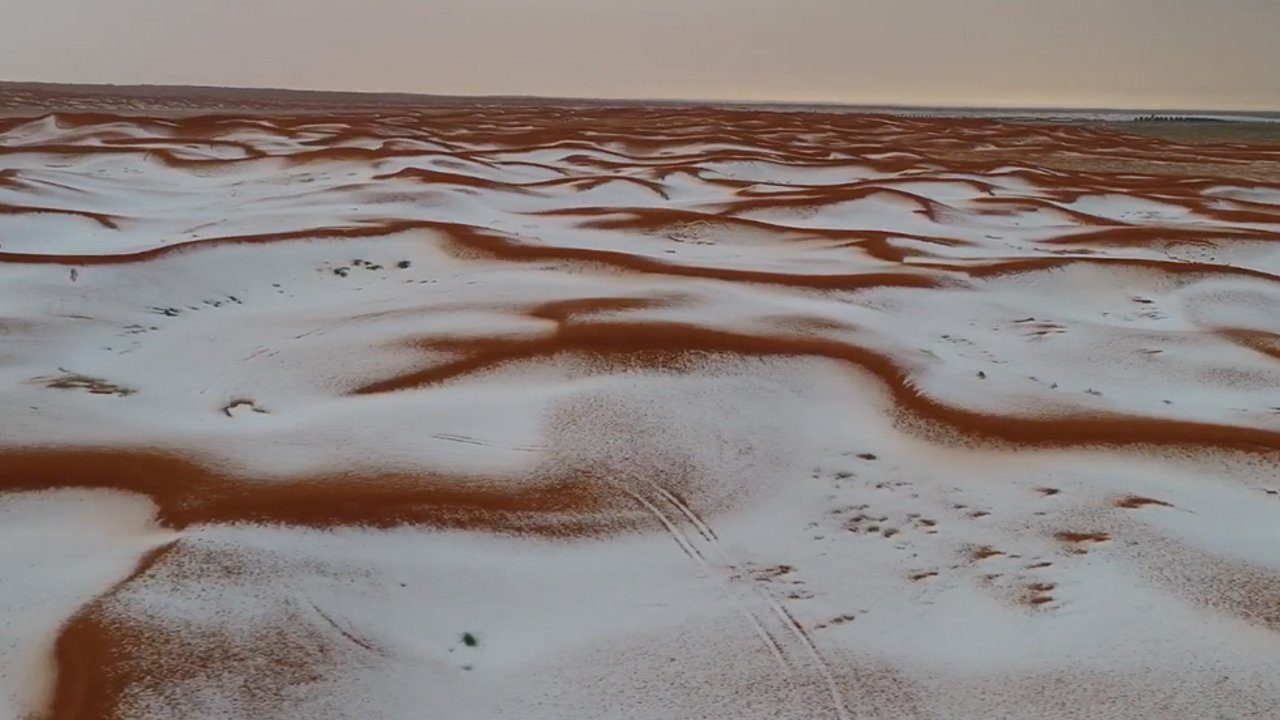
Large parts of Saudi Arabia have been submerged in snowfall, sparking wonder amaze local residents and concern among scientists.


Book 2

A Book Review - Prehistory Decoded

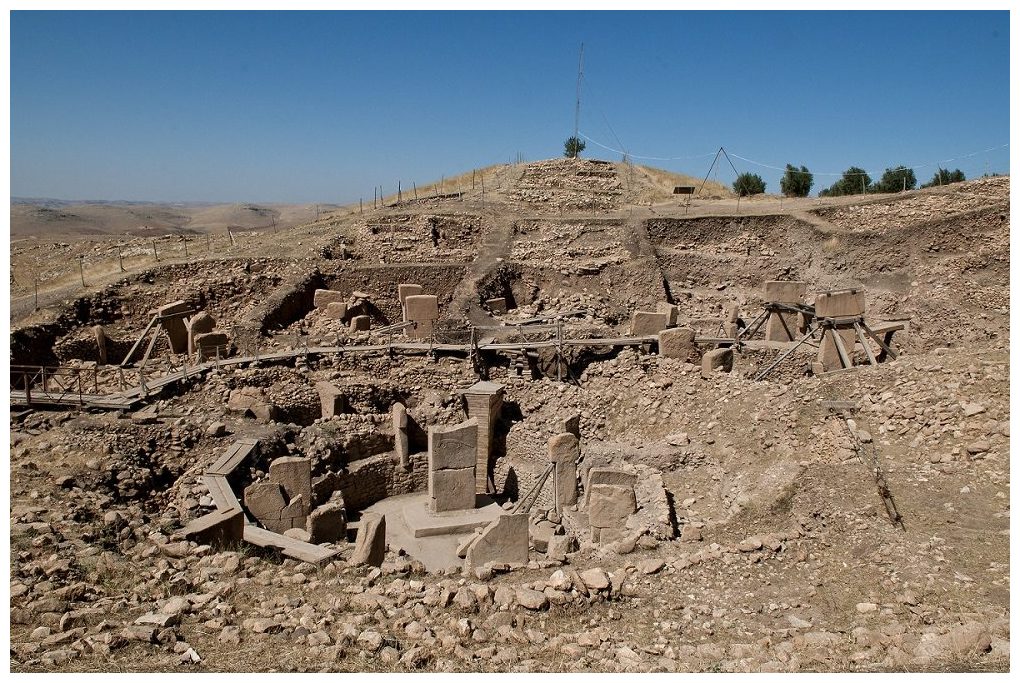
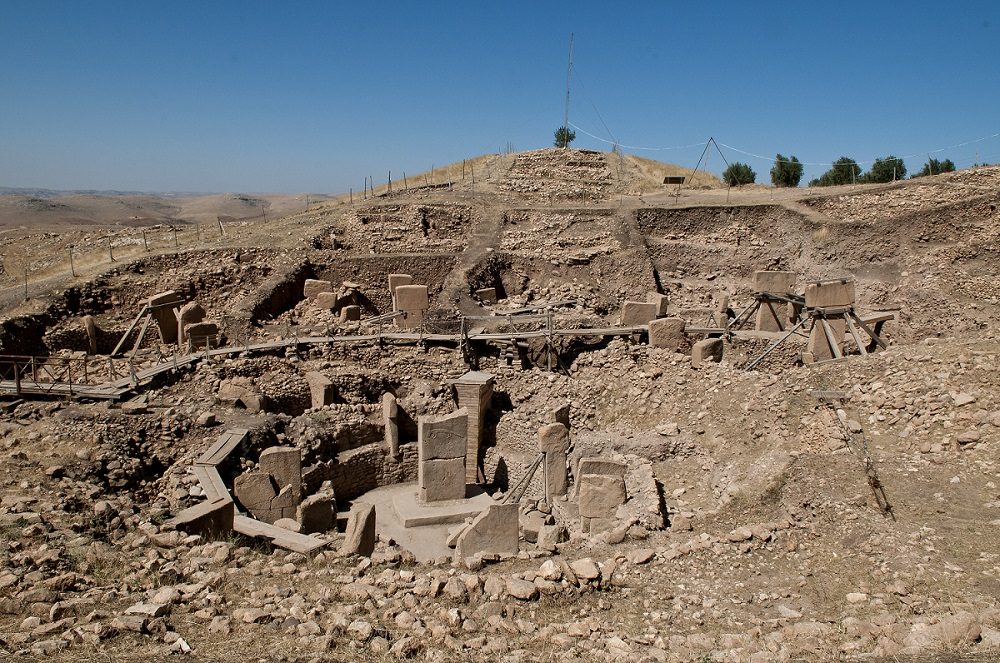
Gobekli Tepe
© Wikipedia Commons
Any follower of Catastrophism the last few years has seen extraordinary confirmations of ancient cataclysm and novel contributions to our way of thinking. To the Tusk, three revelations have characterized the period: The discovery of an extraordinarily youthful late Pleistocene crater in Greenland; a series of popular, comprehensive and unrefuted major journal articles which exquisitely defined hard evidence for the Younger Dryas impact catastrophe; and the singular contribution of Dr. Martin Sweatman, as made in his fabulous book, Prehistory Decoded.

Dr. Sweatman has done our planet and history a tremendous favor by writing Prehistory Decoded. By employing the hard science of probability, he has managed to demystify the world's very earliest and most mysterious art.

Prehistory Decoded begins by documenting Sweatman's initial discovery, reported worldwide in 2015, of an empirical method for decoding the world's first art using pattern matching and statistics. Guess what? The code is a memorial and date stamp for our favorite subject here: the Younger Dryas Catastrophe, and its associated Taurid meteor traumas.

Sweatman has managed to produce a synthesis explanation for the previously indecipherable succession of artistic animal figures at Gobekeli Tepe in Turkey, Chauvet Cave in France, Lascaux Cave in France, and Çatalhöyük in Turkey, among others. Unsurprisingly to the open minded, the ancient artists are communicating using a universally handy and persistent reference set: Stars. Or, more precisely, the appearance of constellations as adjusted over time according earth's precession.

(Don't you love the internet? One hyperlink and no need to explain all that!)

It seems reasonable then to the Tusk that, if there were a code, someone, somewhere, would break the code soon given the global availability and intense interest in the information. In fact, if I waited much longer without someone cracking it, the Tusk may have become convinced the oldest art is simply stunning cave paintings, and heavy carved rocks, with no relevant common narrative (other than horses are pretty, and moving rocks is cool).