Health & WellnessS


SOTT Logo Radio

SOTT Focus: Objective:Health: The Shit Show - Fiber, Fecal Transplants and the Microbiome

O:H header
Welcome to the Shit Show! We start off with a discussion of fiber - is it the essential part of the diet the "experts" tell us it is? Fiber appears to have benefits, but there are a number of examples of people doing fine, even thriving, eschewing it completely. Some health issues even seem to be markedly improved by eliminating fiber, while increasing it worsens conditions. Maybe fiber isn't the amazing non-nutrient it's assumed to be!

Dr. Gaby brings us a health alert with important new information about fluoroquinalones.

We then move into other poopy areas, discussing the emerging research on fecal transplants among other poop-related topics.

Finally, Zoya's Pet Health Segment brings us some fascinating information about animal poop - why do some animals eat their own poop and why do dogs prefer to poop along the north-south axis of the earth?

Join us for our poopy parley - everything you didn't know you wanted to know about poop!

Time stamps: For more health-related news and more, you can find us on:
♥Twitter: https://twitter.com/objecthealth
♥Facebook: https://www.facebook.com/objecthealth/


Running Time: 01:07:05

Download: MP3 - 61 MB


Cell Phone

Expert warns children who spend too much time on their phone are at serious risk of hip fractures in their 40s

child cellphone
Children who spend too much time on their phones are at serious risk of hip fractures in their 40s and 50s, an expert has warned.

Dawn Skelton, a professor of ageing and health, said today's children are far more sedentary than previous generations as they play less sport, are given too many lifts, and look at screens for hours on end.

Because of this, their bones may weaken and fracture earlier than usual - and their parents could end up as their carers, she said.

Professor Skelton, an adviser to the Royal Osteoporosis Society, added: 'Young people need to move and jump about for their bones to grow properly because they build the vast majority of their bones by the time they reach puberty. After the age of 15 it's not as easy to lay down bone, and growth slows significantly.'

She has urged parents to enforce hourly screen breaks and to encourage children to be more active through walking and sport.

Biohazard

The impact glyphosate can have on your health

wheat field
Can wheat treated with glyphosate herbicides damage your health?
In 2014, American farmers dumped 240 million pounds of glyphosate-based herbicides on crops like corn, wheat, and soy. (1)

Because glyphosate targets an enzyme found in plants but not in animals, it was long considered safe for use on foods consumed by humans. But is it really harmless? Read on to learn how glyphosate can be damaging to our health, how glyphosate impacts the environment, and if gluten intolerance could instead be a symptom of glyphosate exposure.

Comment: Glyphosate may be one of the most toxic substances ever created by man (although that's up for debate). The fact that copius amounts of it are still dumped into our environment on a daily basis is, quite simply, criminal.

See also:


Heart

More trees please! Want to enjoy a long, happy life? Live near trees

trees
If you're anything like me, hiking through a forest, camping in the woods or savoring a natural space is a sure-fire way to boost mood, energy and vitality. The Japanese even have a name for it, Shinrin Yoku - otherwise known as forest bathing. And they have science to back-up the physiological benefits - stress markers like cortisol, pulse rate, blood pressure, parasympathetic and sympathetic nerve activity all improve with spending time in the woods. It's not only the Japanese who have discovered the perks of spending time among the trees, Western researchers have now established that if you want a healthy brain and more resiliency to stress, living near a forest is one of the best moves you can make.

Comment: Why a walk in the woods really does help your body and your soul
The forest air

The Japanese researchers suggested that we are taking in beneficial substances when we breathe forest air.

Research has identified three major inhaled factors that can make us feel healthier. These factors are beneficial bacteria, plant-derived essential oils and negatively-charged ions.

From birth to the grave, beneficial bacteria surround us; they live in the environment and, importantly, in the air we breathe. We also share almost our entire body with them. The more interaction we have with them, the happier and healthier we are.

This is in part due to our gut-dwelling bacteria, which break down the food we cannot digest and produce substances that benefit us both physically and mentally.

Plants and the bacteria living on them can produce essential oils to fight off harmful microorganisms. These are referred to collectively as phytoncides, literally, "plant-derived exterminators".

Research on the health benefits of plant essential oils is in its infancy. But one recent study found that a phytoncide from Korean pine trees improved the health and bacterial make-up of pigs.

Notwithstanding some of the pseudoscience that gets wrapped around negative ion generating machines, there is evidence that negative air ions may influence mental outlook in beneficial ways. There are relatively higher levels of negative air ions in forested areas and close to bodies of water. This may factor into the benefits of walking in a forest or near the ocean.


Marijuana

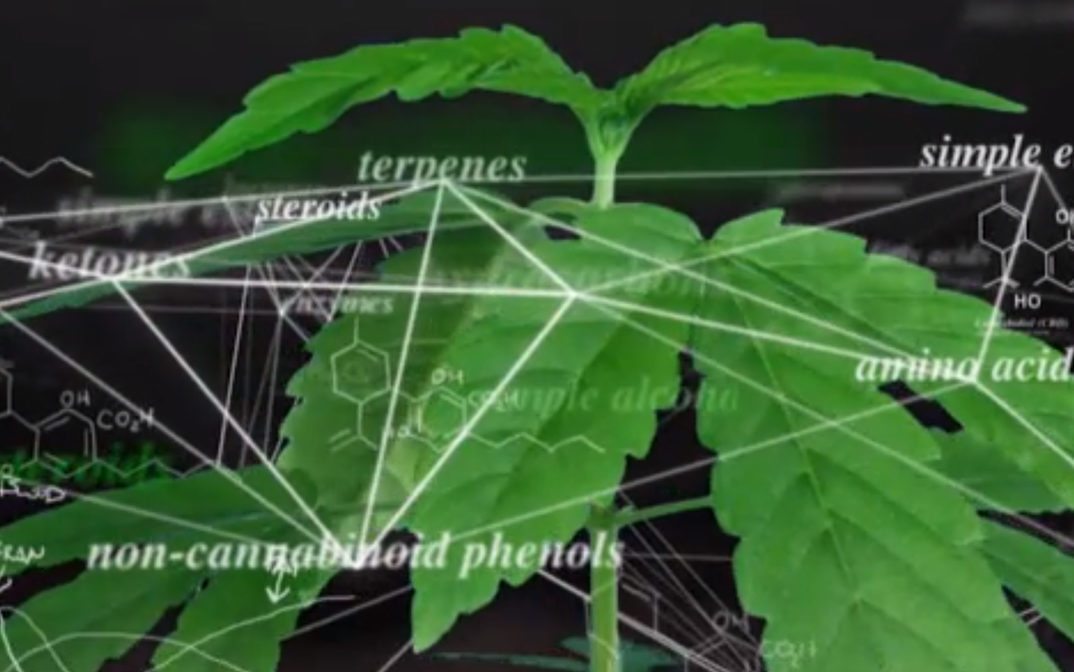
Cannabinoid synergy: Whole-plant cannabis preparations are quantifiably superior to single compounds

Cannabis Culture
© Cannabis CultureMedical Cannabis and the 'Entourage Effect'
Way back in 2014, I wrote an article called Desperately Seeking CBD that profiled several families who either broke the law or moved clear across the country to access cannabidiol (CBD) a non-intoxicating compound found in the cannabis plant that's proven effective in treating pediatric seizure disorders that don't respond to more conventional therapies. At the time, the father of a two-year old epilepsy patient explained that they'd uprooted their entire existence and moved to Colorado just to try the treatment.

Five years later, you can buy CBD ice cream in Texas. Cannabidiol is officially "trendy." Capsules, tinctures, ointments, and oils containing the compound can be readily purchased online (as well as at gas stations and hair salons nationwide), and the legalization of hemp farming this December via the most recent US Farm Bill means that this rapidly growing market segment will likely expand exponentially over the next five years.

Comment: The Health & Wellness Show: The Highs and Lows of Cannabis as Medicine


Marijuana

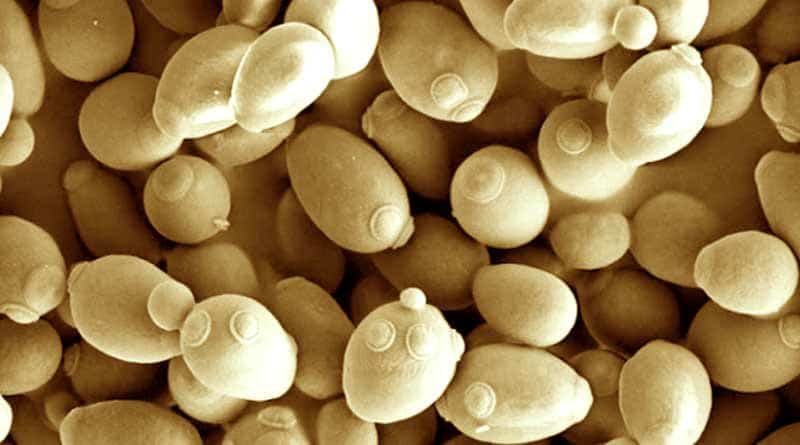
GMO brewer's yeast used to produce THC and CBD

Saccharomyces cervisiae
The UC Berkeley researchers, led by synthetic biologist Jay Keasling, developed a genetically modified yeast from Saccharomyces cerevisiae to produce Tetrahydrocannabinol (THC) and Cannabidiol (CBD) molecules. The research was published in the scientific journal Nature February 27th, 2019. The yeast is commonly used in beer and wine making.

The production of cannabinoids from yeast could be a cheaper and easier way of producing the valuable molecules which are currently widely used for treatment of medical conditions and, in the case of THC, consumed for the psychoactive effects. Cannabis high in THC, usually referred to as marijuana, is legal for recreational adult - use in 10 states and 13 others have decriminalized its use. Cannabis high in CBD, typically obtained from very low THC Industrial hemp, and the CBD molecule itself, are legal in most states. Both molecules are shown to be effective in treating many conditions and diseases, including pain, cancer, glaucoma, seizures, and many others.

Comment: This is hardly surprising - GMO technology has been used in the synthesizing of pharmaceutical medications for the last 40 years. It was only a matter of time (and working out of that pesky decriminalization thing) before the pharmaceutical industry found a way to dominate the medical marijuana industry. Marijuana and hemp activists, after fighting their fight for legalization, will be left in the cold as a result.

See also:


Beaker

Why do you want to poison me? Iowa town bans fluoride as chemical's danger becomes increasingly apparent

flouride dangers
A small town in northwestern Iowa called Ida Grove has voted to end treating its city's drinking water with fluoride.

The Ida Grove City Council voted to halt fluoride treatment in the city's water supply, the Sioux City Journal reported. The move comes after city leaders and residents challenged whether the fluoride was effective at preventing tooth decay or presented health risks

A recent survey distributed through utility bills found that most citizens of the 2,000 population city didn't support fluoridation, according to the clerk's office.

Fluoridating water has long been debated across the country, and some opponents have argued that its health effects aren't completely understood.

Comment: See also:


Biohazard

US: Organic and regular avocados recalled in six states after listeria found in facility

Bravacado
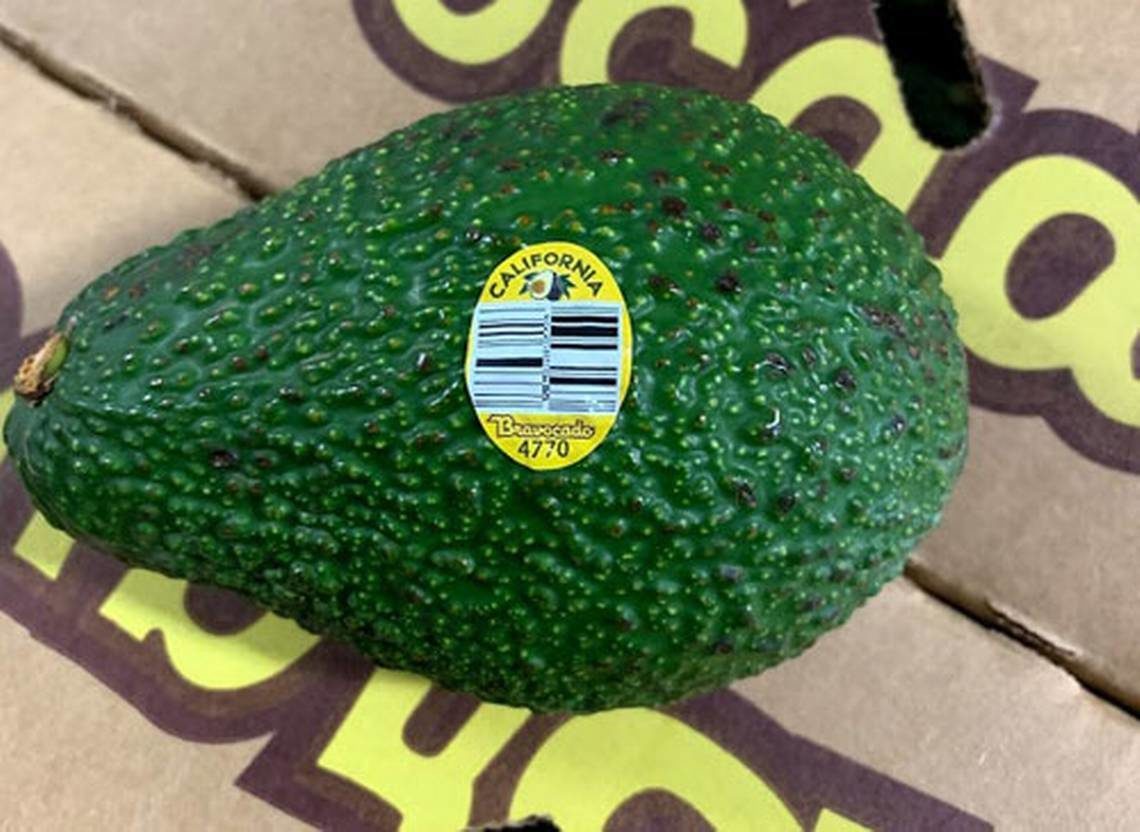
© FDAThe regular avocados recalled by Henry Avocado have “Bravacado” on the yellow sticker
Listeria is rare but dangerous Listeria is a bacteria that can cause food-borne illness, known as listeriosis. It can grow in foods such as uncooked meats, vegetables, soft cheeses and unpasteurized milk.

Henry Avocado announced a recall of California-grown whole avocados in six states after listeria was found in the company's packing facility.

All shipments from the California packing facility, which Henry Avocado began using in January, are recalled. Avocados packed there went to Florida, California, North Carolina, Arizona, Wisconsin and New Hampshire.

The recalled avocados are sold with yellow stickers that say "Bravacado" and "California" or, on the organic avocados, yellow and green stickers with "Organic" and "California."

Comment: Contaminated products and outbreaks of all kinds are increasingly in the news these days:


Biohazard

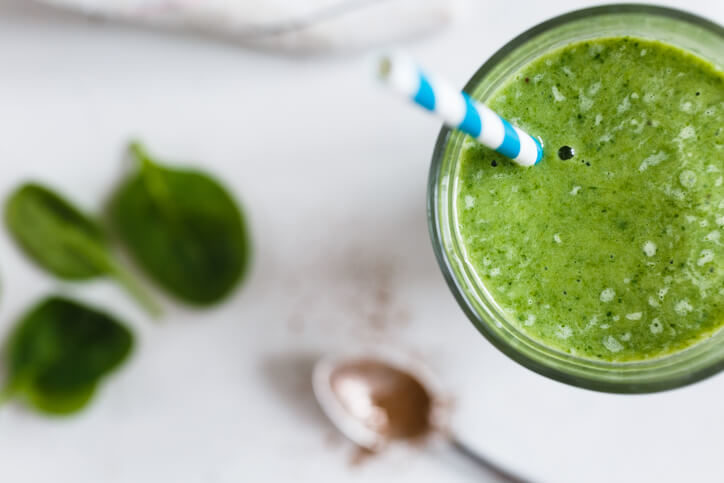
The dark side of green smoothies

green smoothie
© istockphoto.com/Kkolosov
The green smoothie fad has taken the world by storm, with everyone from staunch vegans to Paleo people hopping on the kale-and-spinach-laden beverage bandwagon. While green smoothies have gained a reputation for being extremely healthy, these drinks have a dark side that few people are aware of. Read on to learn about the health problems associated with the "over-enthusiastic" consumption of green smoothies and why drinking these beverages regularly may not be conducive to optimal health.

Green Smoothies: Not Necessarily a "Health Food"

In the health community, the green smoothie has become the poster child for healthy eating. If you are a green smoothie fan, your typical recipe probably looks something like this:
  • 1 apple, peeled, cored, and chopped
  • 8 ounces unsweetened almond milk
  • 2 cups stemmed and chopped spinach or kale
  • 1 cup broccoli

Comment: See also:


Pills

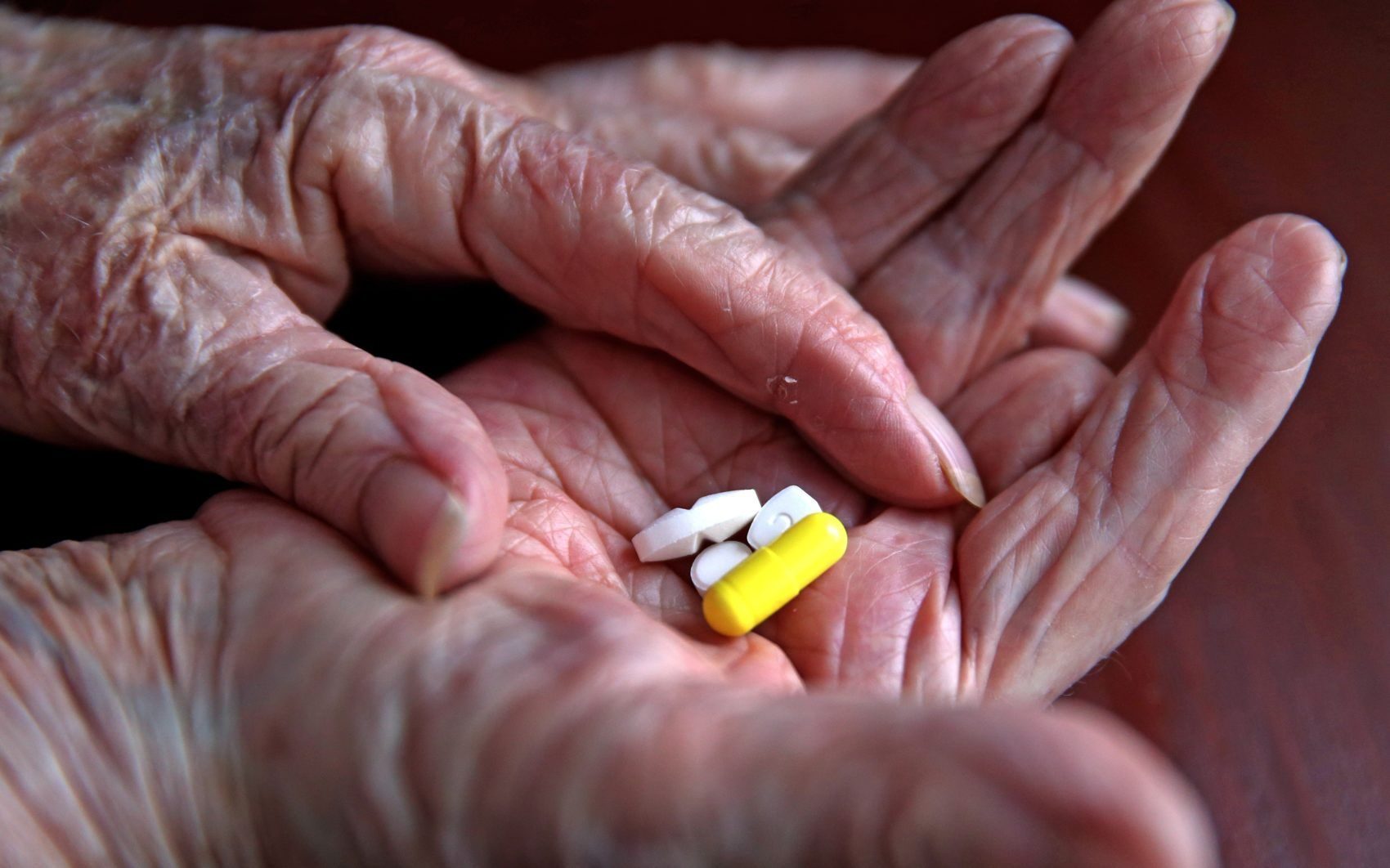
Statins war of words: Matt Hancock dragged into ongoing debate over cholesterol-lowering drug taken by millions of Britons

medication pills elderly
© PAA pensioner with her daily prescription drugs. A recent study recommended more over-75s should be staking statins.


More than six million people in the UK take statins, but the arguments continue over whether everyone should be on them.


Few drugs polarise the academic and medical world like statins - the most commonly prescribed medicine in the UK with at least six million people taking the cholesterol-lowering drugs. In recent days, the debate surrounding statins has seen daggers drawn once more with even the Health Secretary dragged into the latest war of words.

Earlier this month a "devastating investigation" in the Mail on Sunday claimed to unmask a group of high profile "statin deniers" who were spreading "deadly propaganda" about the drug. Dr Aseem Malhotra, an honourary NHS consultant cardiologist at Lister Hospital Foundation trust in Stevenage, Hertfordshire, and in private practice, Dr Zoe Harcombe, an academic whose research focuses on food and nutrition, and Dr Malcolm Kendrick, a GP from Cheshire, who says people are "being conned" over statins in his recent book on the subject, were the focus.

Comment: See also: