Health & WellnessS


Microscope 2

Phage therapy: Are viruses the best weapon for fighting superbugs?

bacteriophages
© Ewa Parylak/shutterstock.comThese are viruses called bacteriophages that infect only bacterial cells.
Antibiotics won the battle against resistant bacteria, but they may not win the war.

You probably know that antibiotic-resistant bacteria, also known as superbugs, have hampered physicians' ability to treat infections. You may also be aware that there has been a steep decline in the number of new antibiotics coming to market. Some headlines suggest humanity is doomed by antimicrobial resistance; even politicians and governments have weighed in, comparing rising antimicrobial resistance to other popular crises such as climate change. Although I believe these assertions are exaggerated, antimicrobial resistance is a serious problem.

I am a physician scientist with a specialty in infectious diseases. I have been fascinated by the role that bacteria play in human health, and the potential for using viruses to treat bacterial infections.

Comment: Virus might be the cure for deadly honeybee disease
"Phages are the most abundant life form on the planet and each phage has a unique bacteria that it will attack," explained Burnett in a release. "This makes phage an ideal treatment for bacterial disease because it can target specific bacteria while leaving all other cells alone."

"Phage is a great alternative to antibiotics, and it's a natural alternative because phages exist in nature on their own," said Burnett. "It multiplies itself so there are more of them to hunt down the bacteria. Then as soon as the host is gone, the phage just disappears."


Health

Pine Bark Extract: Pycnogenol treats Psoriasis, Hemorrhoids & Hypertension

pine bark
Painful hemorrhoids, high blood pressure and skin issues, such as psoriasis, all have something in common: Blood flow. Research finds these three issues can all be successfully treated with the pine bark extract called Pycnogenol.

In a flurry of research on one of the most efficacious natural extracts known to exist (see: 80 diseases that benefit from pycnogenol on the GMI database), three recent clinical studies have shown that the French maritime pine bark extract, Pycnogenol, can treat psoriasis and hemorrhoids, and reduce hypertension.

The link between these three? They are all associated with the need for healthy blood flow.

Display

Will the internet's war on Anti-Vaxxers work?

vaccines
© Ted S Warren/ShutterstockPeople hold signs at a rally held in opposition to a proposed bill that would remove parents' ability to claim a philosophical exemption to opt their school-age children out of the combined measles, mumps and rubella vaccine, at the Capitol in Olympia, Wash., Feb. 2019.
"If they censor us there, we'll find another way to speak out"

For the past few months, Big Tech has been waging a public, if not highly effective, battle against the scourge of Fake News, with platforms like Facebook and YouTube taking aim at content promoting conspiracy theories, from the silly (Flat Earth) to the more menacing (QAnon).

Now, following a handful of measles outbreaks across the country and pressure from national lawmakers, tech platforms are taking aim at another fringe group: anti-vaxxers, or people who refuse to or delay vaccinating their children. A relatively small yet vocal community, anti-vaxxers promote a wide range of views, from the theory that vaccines contain dangerously high levels of toxins to the belief that vaccines can cause autism. Such theories have been debunked time and again by most researchers, and the overwhelming scientific consensus is that vaccines save lives and potential side effects are both rare and minimal. But that hasn't stopped some skeptical parents from delaying vaccinating their children or opting out of doing so altogether, and from taking to social media to propagate conspiracy theories about Big Pharma and the government.

Comment: Contrary to the author's obvious pro-vaccine stance in the article above, there is an ongoing debate about vaccine safety and efficacy and it is far from settled. Read more about how Knowledge is the antidote for vaccine orthodoxy and Why parents are choosing not to vaccinate their kids:
More and more parents around the globe are choosing to opt out of vaccinating themselves and their children. As a result of this trend that's been gaining more and more momentum, a harsh response has come from the "pro-vaccine" community -criticizing parents for their decision to not vaccinate. At the end of the day it's not really about "pro-vaccination" or "anti-vaccination," it's not one "against" the other or about pointing fingers and judgement, it's simply about looking at all of the information from a neutral standpoint. It's about asking questions and communicating so people can make the best possible decisions for themselves and their children. Parents love their kids and the vaccine "controversy" has made it difficult for many parents to know what to do.
Also read Marco Caceres' excellent article about the ongoing vaccine debate: Current vaccine paradigm: Media struggles to pin stupid label on well-educated vaccine dissenters


Info

The truth about Wasabi

wasabi root
© Spoon & Tamago
Have you ever eaten wasabi?

If you answered "yes" to that question, you are likely mistaken. Most sushi eaters-even in Japan-are actually being served a mixture of ground horseradish and green food coloring, splashed with a hint of Chinese mustard. Worldwide, experts believe that this imposter combination masquerades as wasabi about 99 percent of the time.

The reason boils down to supply and demand. Authentic wasabi, known as Wasabia japonica, is the most expensive crop in the world to grow. The temperamental semiaquatic herb, native to the mountain streams of central Japan, is notoriously difficult to cultivate. Once planted, it takes several years to harvest; even then, it doesn't germinate unless conditions are perfect. Grated wasabi root loses its flavor within 15 minutes.

Comment: Wasabi's compounds target Pancreatic Cancer stem cells and eliminate them


Dominoes

Johnson & Johnson prevails in New Jersey talc cancer trial

baby powder
© Lucas Jackson / Reuters
Johnson & Johnson won a jury trial Wednesday in New Jersey in a case where a man alleged that talc in its baby powder caused his cancer.

Ricardo Rimondi, 58, said he was exposed to asbestos from Johnson & Johnson's baby powder and that had caused his mesothelioma cancer.

But the six-person jury in Middlesex County Superior Court decided in favor of New Brunswick-based Johnson & Johnson (NYSE: JNJ).

Company officials released the following statement after the verdict: "Today's jury unanimously ruled that Johnson's Baby Powder does not contain asbestos and was not the cause of the plaintiff's disease. It's important to emphasize the track record in these cases. This is the third verdict in favor of Johnson & Johnson in recent months, and of the last 9 mesothelioma cases, three ruled in favor of J&J, and five resulted in mistrials. It remains true that of all the talc-related verdicts against Johnson & Johnson that have been through the appeals process, every one has been overturned. This trial track records underscores the decades of clinical evidence and scientific studies by medical experts around the world support the safety of Johnson's Baby Powder."

Health

Psychosis in teens may be linked to an unlikely culprit: air pollution

air pollution smog
An unexpected danger of urban life: Psychotic experiences are more common among teens exposed to the highest levels of nitrogen dioxide and other forms of air pollution, according to a new study. Nitrogen oxides, including nitrogen dioxide, are tailpipe pollutants, entering the air due to burning fuel.

"One of the most consistent findings over the past few decades has been a link between cities and psychosis," Joanne Newbury, lead author of the study and a postdoctoral researcher at King's College London, said Tuesday. "Children who are born and raised in urban versus rural settings are almost twice as likely to develop psychosis in adulthood."

Comment: See also:


Biohazard

Jury finds Monsanto's Roundup a substantial factor in causing man's cancer - UPDATE - Jury awards man $80million in damages

roundup
© Josh Edelson/AFP/Getty Images
A federal jury in San Francisco found Monsanto's Roundup herbicide was a substantial factor in causing the cancer of a California man, in a landmark verdict that could affect hundreds of other cases.

Edwin Hardeman of Santa Rosa was the first person to challenge Monsanto's Roundup in a federal trial and alleged that his exposure to Roundup caused him to develop non-Hodgkin's lymphoma (NHL), a cancer that affects the immune system.

In the next phase of the case, the jury will weigh liability and damages, and Hardeman's lawyers will present arguments about Monsanto's influence on government regulators and cancer research.

During the trial, the 70-year-old Santa Rosa man testified that he had sprayed the herbicide for nearly three decades and at one time got it on his skin before he was diagnosed with cancer. He used the chemical to control weeds and poison oak on his properties, starting in 1986.

Comment: In the wake of this ruling Bayer's stock tumbled more than 12%, wiping out more almost $8 billion from its market value.

Update (Mar 28): The jury has found Monsanto liable for plaintiff Edwin Hardeman's non-Hodgkin's lymphoma and awarded him $5 million in compensatory damages and $75 million in punitive damages after finding that Roundup was defectively designed, that Monsanto failed to warn of the herbicide's cancer risk and that the company acted negligently.


Brain

Schizophrenia and the gut: New study strengthens the link between microbiota and mental health

brain gut connection
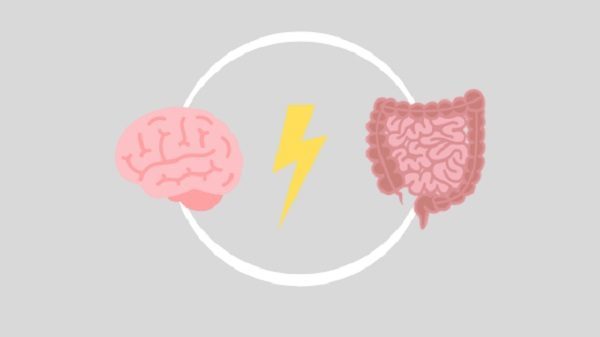
© Madison JaberThe ENS is in constant contact with the CNS.
The gastrointestinal (GI) tract is one of the most intricate and complicated systems found in the body. More than just being the network of organs that break down the food we eat, the GI tract also contains around 100 million nerve cells that run from the esophagus to the anus. It is also home to constellations of neurotransmitters, viruses, and as many as 40,000 different species of bacteria. Taken together, this complex network is known as the enteric nervous system (ENS).

The ENS does not operate in isolation. It is in constant contact with the central nervous system (CNS). The two-way communication system connecting the ENS and the CNS is known as the gut-brain axis. When there is a disruption in the ENS, there may be a corresponding problem in the CNS. The converse is also true: When a patient exhibits symptoms suggestive of a mental disorder or disease, one tends to find anomalies in the ENS and even in the patient's gut biome.

Comment: These results are quite amazing, and also quite encouraging. It would be very interesting to see if fecal transplant therapy would be helpful in treating schizophrenia. Imagine the amount of suffering that could be alleviated by a simple and essentially free process.

See also:


Marijuana

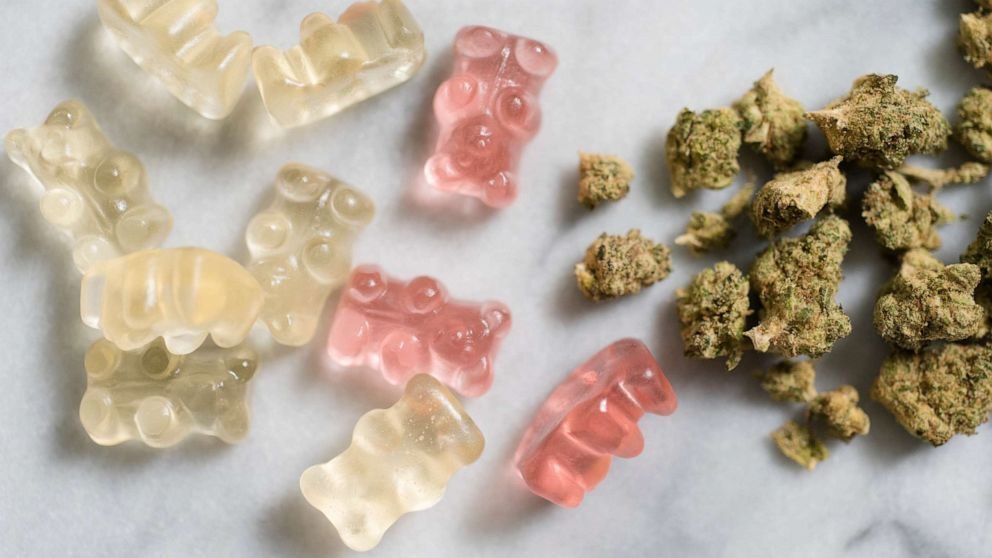
Emergency room visits for marijuana edibles much more severe compared to inhalation

marijuana edibles
The risks with edible marijuana products are high - and not just in the trippy sense of the word.

A new study has found that patients' reasons for visiting emergency rooms are different for edible marijuana than they are for the inhaled form and that the visits are disproportionately high for the number of edible products that are sold.

"That type of discrepancy is not something that we would tolerate in any of our food or any other type of medication, so I don't think we should tolerate it in a drug that has killed people," Dr. Andrew Monte, a toxicologist and emergency medicine physician at the University of Colorado who led the study, told ABC News.

Marijuana use is widespread in the U.S., with about 7.5 percent of Americans over the age of 12 using it at any given time. Colorado legalized marijuana in 2014 and is one of 10 states - plus the District of Columbia - to do so.

Edible and inhaled marijuana share the same active ingredient: tetrahydrocannabinol, or THC for short. The inhaled form is more commonly used and has been associated with long-term lung damage. Edibles bypass the lungs entirely as the drug is mixed into various foods, such as brownies, gummies, drinks, cookies, granola and even popcorn. The downsides to edible marijuana have not been well studied.

Comment: See also:


Health

US researchers explore link between sugar, insulin, keto, and cancer

cell division illustration
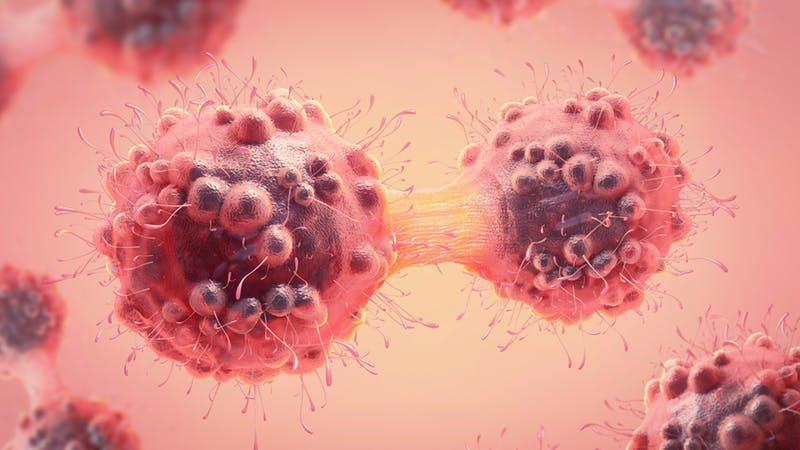
The groundbreaking work of US cancer researcher Lewis Cantley, PhD, linking the ketogenic diet to an anti-cancer drug, is receiving prominent coverage in the medical media.

Dr. Cantley, who is based at Weill Cornell Medicine in New York City, is leading a research program in which a powerful anti-cancer drug is paired with the ketogenic diet in effort to starve cancer cells of the glucose and insulin they need to grow and spread. His work, now in clinical trials with women with endometrial cancer, was detailed in a new feature in The Medical Express this week.

Medical Express: Increasing evidence of a strong connection between sugar and cancer

Comment: It's actually rather amazing that this research is getting any mainstream attention at all, considering how historically the media has done nothing but disparage the ketogenic diet. We hope Dr. Cantley's research continues to explore this promising new frontier and that the new knowledge gained will help people to heal.

See also: