Health & WellnessS


Sherlock

Sudden surge in unexplained cases of liver inflammation seen in children in UK, US, Spain, and Ireland

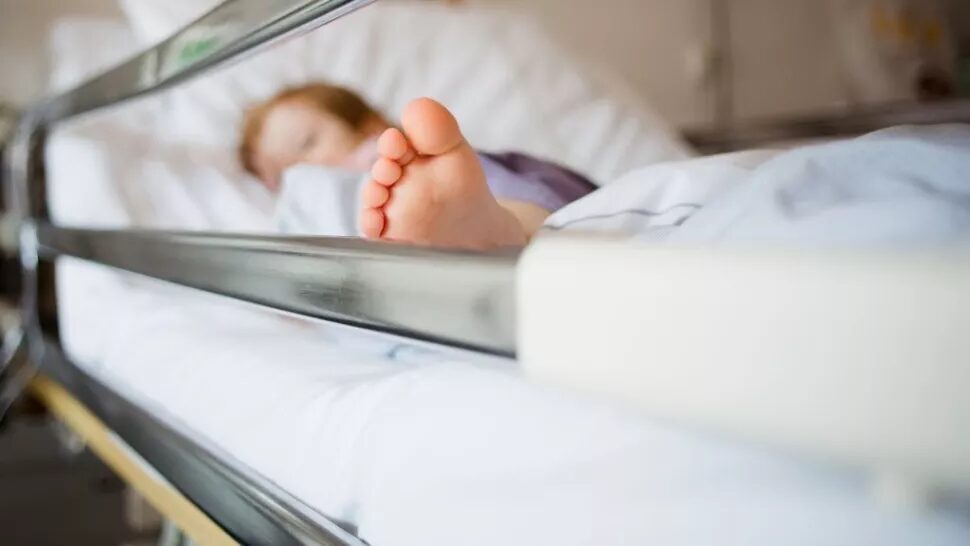
child hospital
© Sebastian Rose via Getty Images
U.K. health officials are investigating dozens of cases of unexplained hepatitis, or liver inflammation, that have recently emerged among young children there. Similar cases of pediatric hepatitis have also been reported in the U.S. and Spain.

Some of the affected children in the U.K. have required assessment at specialized centers and a "small number" of kids have undergone liver transplantation procedures, the U.K. Health Security Agency (UKHSA) announced on April 8. Although hepatitis viruses (hepatitis A, B, C, D and E) are often the cause of hepatitis, these viruses have been ruled out, the statement said. Potential complications of hepatitis include liver failure and death, and liver transplants are typically used to treat end-stage liver failure, according to Stanford Children's Health.

"That's the only definitive treatment for acute liver failure," said Dr. Rachel Tayler, a pediatric gastroenterologist at the Royal Hospital for Children in Glasgow.

Comment: It remains to be seen just what's causing it, but it's notable that media are saying that it isn't related to the vaccine:


See also:


Biohazard

Japanese encephalitis outbreak kills 3 in Australia, first cases ever recorded in some regions, follows record flooding

mosquito
© ISTOCK.COM, doug4537ABOVE: A Culex mosquito. Southern Australia has recorded its first-ever cases of the disease in an outbreak that has so far killed three people.
Severe floods that hit parts of eastern Australia earlier this year sowed death and millions of dollars of destruction. The heavy rainfall events also appear to have ushered in another unwanted effect: Japanese encephalitis. Normally confined to the tropics, the viral disease has now turned up in parts of Australia that have never experienced it before. So far the outbreak has affected at least 34 people and caused three deaths, The Washington Post reports.

"With accelerating climate change, we're going to be in a world of hurt," Tim Inglis, the head of pathology and laboratory medicine at the University of Western Australia, tells the newspaper, "with some of these diseases that have in the past been restricted in the tropics extending, as we're beginning to see."


Comment: The climate is indeed changing, however it's clearly not because of CO2 emissions, and, overall, the planet is cooling: Antarctica's Adélie penguins happier with less sea ice, research shows ice is growing


Comment: The fall of civilizations seems be accompanied by a number of phenomena, most of which we see today, moral degradation, tyrannical leadership, extreme weather, a shifting climate, crop failures, famine, and unusual outbreaks and pestilence, as well as signs in the sky: And check out SOTT radio's:


Stock Down

WHO says Covid still a global public health emergency even as deaths fall to lowest level in two years

tedros WHO
© Denis Balibouse | ReutersTedros Adhanom Ghebreyesus, Director-General of the World Health Organization (WHO), speaks during a news conference in Geneva, Switzerland, December 20, 2021.
The World Health Organization on Wednesday said Covid-19 remains a global public health emergency despite the fact that deaths from the virus have fallen to their lowest level since the early days of the pandemic.

The world recorded more than 22,000 deaths from Covid during the week ended April 10, the lowest level since March 30, 2020, according to WHO data. The organization first declared Covid a global health emergency on Jan. 30, 2020, just over a month after the virus emerged in Wuhan, China.

WHO Director-General Tedros Adhanom Ghebreyesus said declining Covid deaths is good news, but some countries are still experiencing a spike in cases. Tedros said a WHO committee this week unanimously agreed that Covid remains a public health emergency.

Attention

The year of collapsing athletes

There are people tracking all the reports of athletes suddenly collapsing and dying in their prime, or heartbreakingly, even in their teens. This isn't a definitive study, but where are the answers and why don't we know them? There are a hundred million reasons to supply data that shows vaccines are "safe and effective". If our health really did matter, and the incidence of sudden deaths in athletes was the same as every other year, where are those studies? Why aren't we discussing this on the news?

Some of the collapses and deaths listed here may have nothing to do with vaccines, the anonymous researchers admit and declare that. They want the full data, we all want the data. But it's nowhere to be found. The medico's and football clubs, and the Department of Health have gone from bragging about getting their boosters on Twitter to saying nothing. They are not so keen anymore to report or declare vaccination status.

The rise in mid 2021 start at the same time a massive experimental medical program starts. It might be coincidence, but if it's normal, they would be saying so, with open statistics and data, not shutting down the conversation, and sacking football managers.
890 Athlete Cardiac Arrests, Serious Issues, 579 Dead, After COVID Shot

The mainstream media still are not reporting most, but sports news cannot ignore the fact that soccer players and other stars collapse in the middle of a game due to a sudden cardiac arrest. Many of those die - more than 50%.

Athlete Collapses
© Goodsciencing.com

SOTT Logo Radio

SOTT Focus: Objective:Health - In The News: The Latest Escapades of Big Pharma, Big Food, Big Gov

O:H header
Welcome to another 'In the News' edition of Objective:Health, where we touch on some of the latest health news making headlines.

This week we talk about the latest info to come out of the Pfizer releases, Moderna seeking Emergency Use Authorization for their vaccine for under-six-year-olds and massive conflicts of interest in the advising members of the US Dietary Guidelines committee. Meanwhile, unvaccinated Australians are still being held prisoner in their own country.

Join us for this episode of Objective:Health as we cover the latest news and give you the O:H take!


And check us out on Brighteon!

For other health-related news and more, you can find us on:

♥Twitter: https://twitter.com/objecthealth
♥Facebook: https://www.facebook.com/objecthealth/
♥Brighteon: https://www.brighteon.com/channel/objectivehealth
♥LBRY: https://lbry.tv/@objectivehealth:f
♥Odysee: https://odysee.com/@objectivehealth:f

And you can check out all of our previous shows (pre YouTube) here:

https://docs.google.com/spreadsheets/d/16H-nK-N0ANdsA5JFTT12_HU5nUYRVS9YcQh331dG2MI/edit?usp=sharing

Running Time: 00:36:52

Download: MP3 — 33.8 MB


Clipboard

Study suggests why most smokers don't get lung cancer

lung
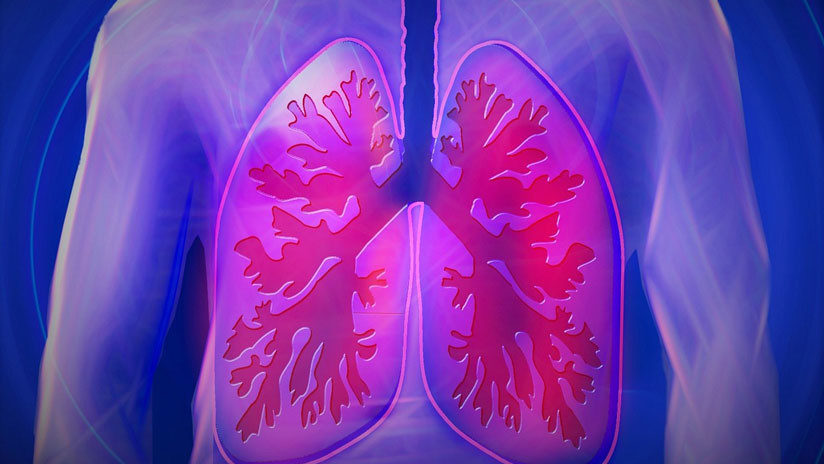
Cigarette smoking is overwhelmingly the main cause of lung cancer, yet only a minority of smokers develop the disease. A study led by scientists at Albert Einstein College of Medicine and published online today in Nature Genetics suggests that some smokers may have robust mechanisms that protect them from lung cancer by limiting mutations. The findings could help identify those smokers who face an increased risk for the disease and therefore warrant especially close monitoring.

"This may prove to be an important step toward the prevention and early detection of lung cancer risk and away from the current herculean efforts needed to battle late-stage disease, where the majority of health expenditures and misery occur," said Simon Spivack, M.D., M.P.H., a co-senior author of the study, professor of medicine, of epidemiology & population health, and of genetics at Einstein, and a pulmonologist at Montefiore Health System.

Overcoming Obstacles to Study Cell Mutations

It's long been assumed that smoking leads to lung cancer by triggering DNA mutations in normal lung cells. "But that could never be proven until our study, since there was no way to accurately quantify mutations in normal cells," said Jan Vijg, Ph.D., a study co-senior author and professor and chair of genetics, professor of ophthalmology and visual sciences, and the Lola and Saul Kramer Chair in Molecular Genetics at Einstein (also at the Center for Single-Cell Omics, Jiaotong University School of Medicine in Shanghai, China). Dr. Vijg overcame that obstacle a few years ago by developing an improved method for sequencing the entire genomes of individual cells.

Comment: It would be interesting to know if they controlled for other causes of lung cancer (ie, pollution, work environment) and whether the type of tobacco smoked was a factor. See also: A comprehensive review of the many health benefits of smoking Tobacco


Syringe

We deserved to know: Myocarditis and vaccine effectiveness

steve bannon naomi wolf
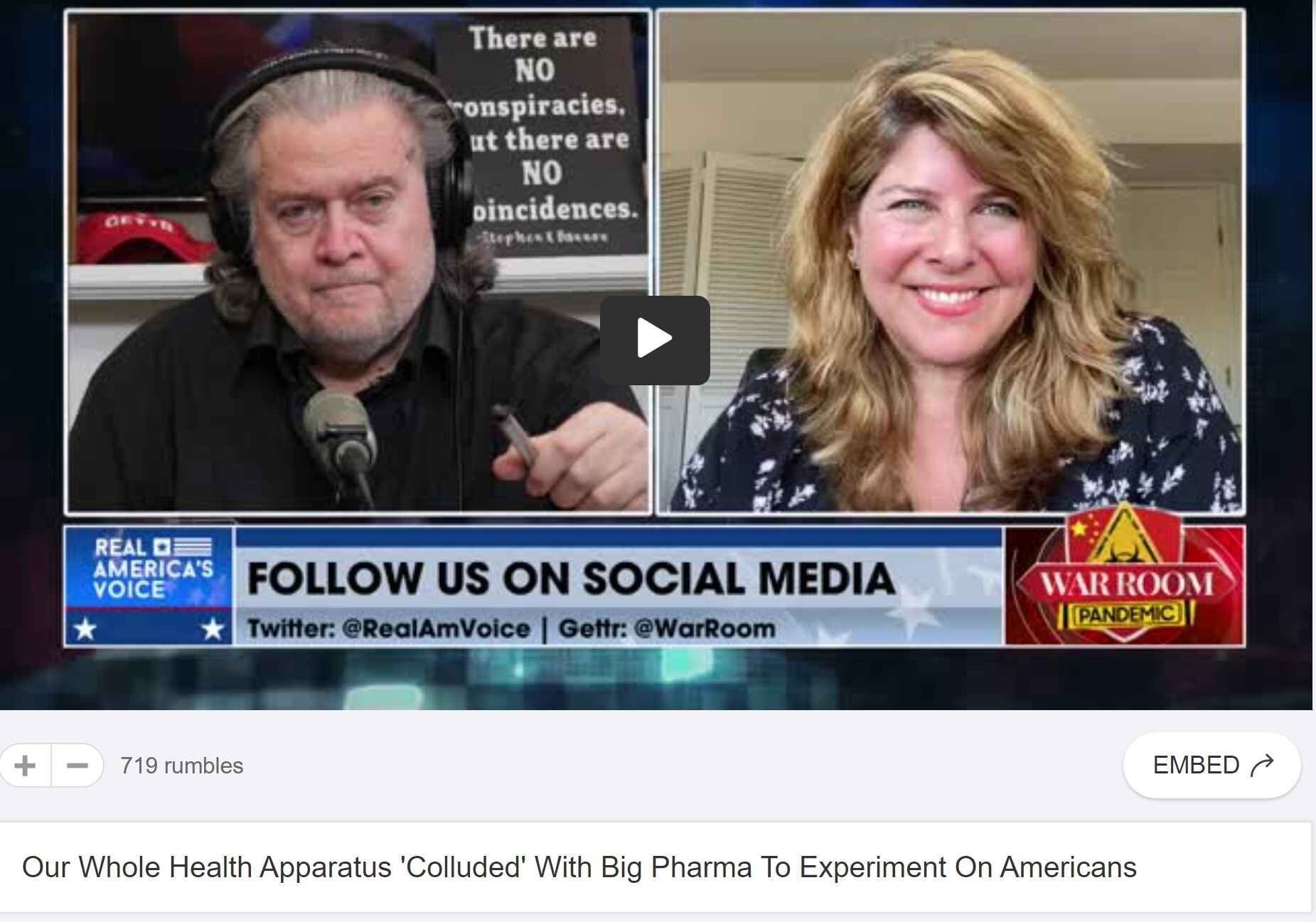
Hindsight has finally arrived, and while still very murky, the fog of Covid is beginning to clear. As a flood of Pfizer documents is released from the FDA, we'll learn in more detail how 2021 unfolded, who knew what when, and how harmful the vaccines actually are.

The DailyClout/WarRoom Pfizer Document Review team of analysts from medical, statistics, pharmaceutical research, and medical fraud backgrounds, organized by Dr Naomi Wolf, Project Manager Amy Kelly, and the team at DailyClout are studying the documents and sharing their findings with the public as quickly and accurately as possible. There will be a full interim report released in the coming weeks, and they're also managing to publicize important pieces of information as they emerge. It seems that Pfizer has a recurring theme of keeping highly relevant data to themselves, only to reluctantly publicize it months later. As a quick reminder, they also colluded with the FDA in a failed attempt to continue to conceal this data for our lifetimes.


Comment: They've been lying through their teeth from the get-go. The Big Pharma play is always the same: get the drug out there and into as many people as possible, deal with the repercussions later.

See also:


Attention

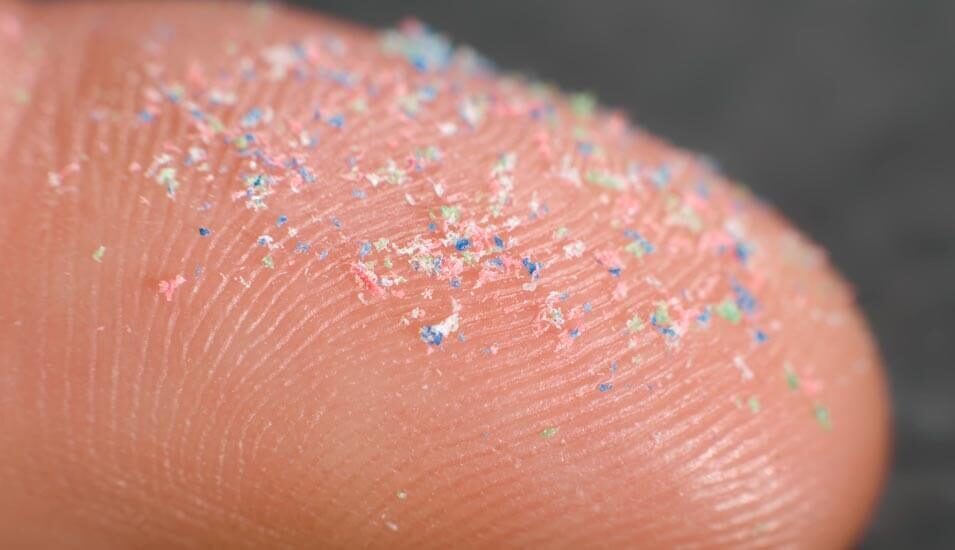
Microplastics found deep in lungs of living people for first time

microplastics
Microplastics now contaminate the entire planet, from the summit of Mount Everest to the deepest oceans.
Particles discovered in tissue of 11 out of 13 patients undergoing surgery, with polypropylene and PET most common

Microplastic pollution has been discovered lodged deep in the lungs of living people for the first time. The particles were found in almost all the samples analysed.

The scientists said microplastic pollution was now ubiquitous across the planet, making human exposure unavoidable and meaning "there is an increasing concern regarding the hazards" to health.

Samples were taken from tissue removed from 13 patients undergoing surgery and microplastics were found in 11 cases. The most common particles were polypropylene, used in plastic packaging and pipes, and PET, used in bottles. Two previous studies had found microplastics at similarly high rates in lung tissue taken during autopsies.

Comment: Everyone is tip-toeing around the most ubiquitous source of breathable microplastics currently available: covid masks. But there's plenty of anecdotal evidence they are as damaging to the lungs as asbestos ever was, and some were alert to the possibility very early on. The future of children's health is bleak.


Magnify

SOTT Focus: Putting big bad pharma back on trial in the COVID-19 era

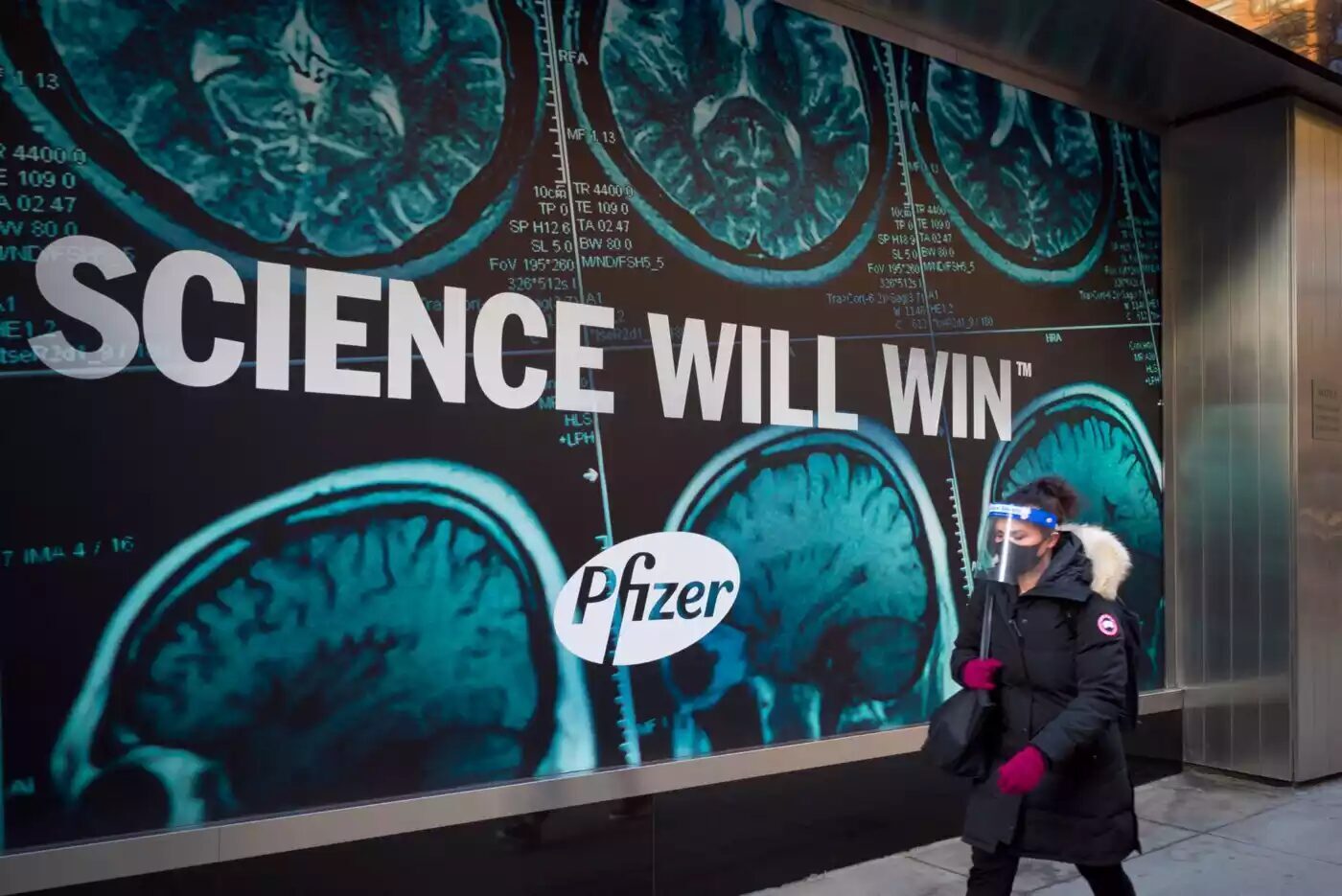
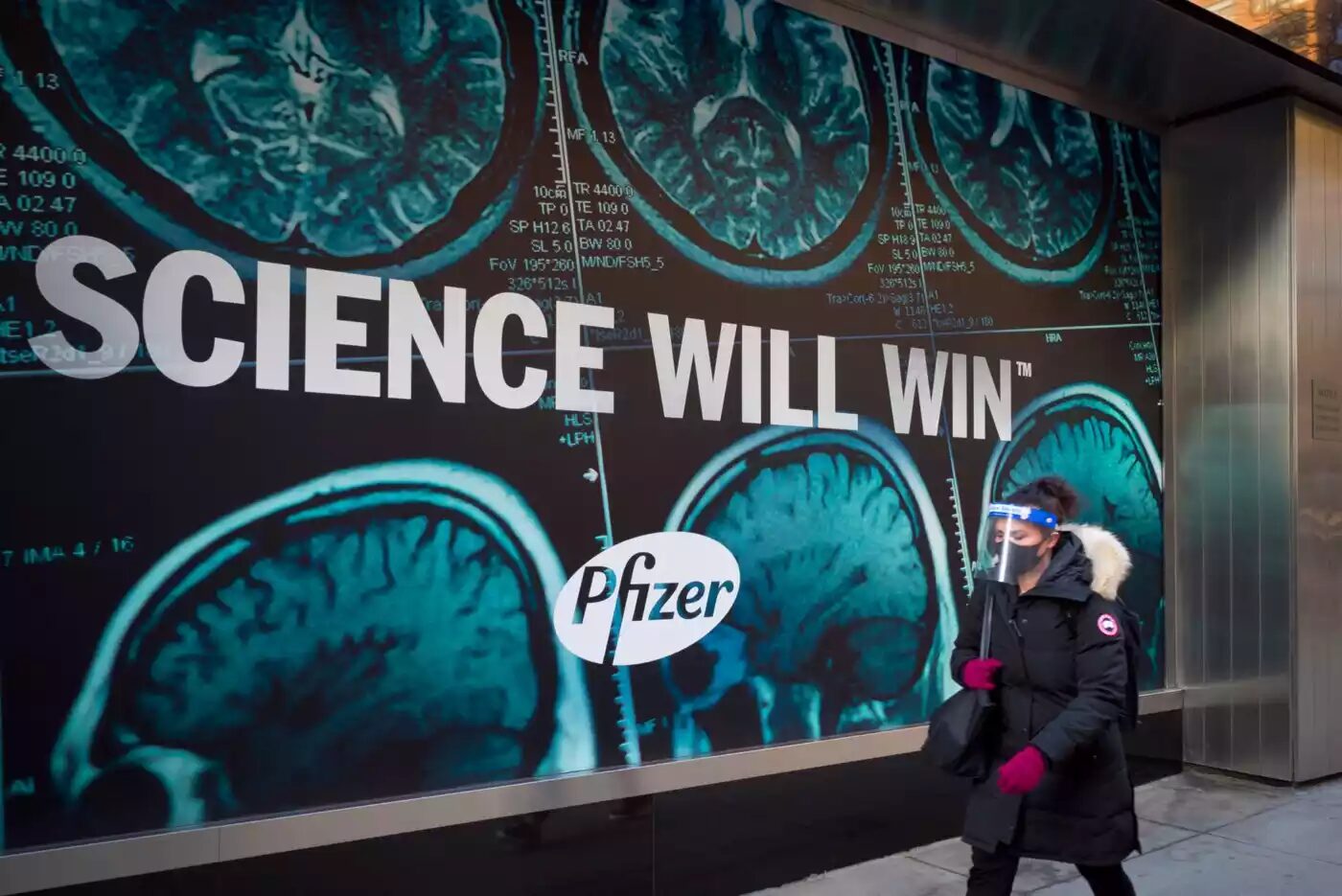
pfizer ad
© Massimo Giachetti
After graduating from Columbia University with a chemical engineering degree, my grandfather went on to work for Pfizer for almost two decades, culminating his career as the company's Global Director of New Products. I was rather proud of this fact growing up — it felt as if this father figure, who raised me for several years during my childhood, had somehow played a role in saving lives. But in recent years, my perspective on Pfizer — and other companies in its class — has shifted. Blame it on the insidious big pharma corruption laid bare by whistleblowers in recent years. Blame it on the endless string of big pharma lawsuits revealing fraud, deception, and cover-ups. Blame it on the fact that I witnessed some of their most profitable drugs ruin the lives of those I love most. All I know is, that pride I once felt has been overshadowed by a sticky skepticism I just can't seem to shake.

In 1973, my grandpa and his colleagues celebrated as Pfizer crossed a milestone: the one-billion-dollar sales mark. These days, Pfizer rakes in $81 billion a year, making it the 28th most valuable company in the world. Johnson & Johnson ranks 15th, with $93.77 billion. To put things into perspective, that makes said companies wealthier than most countries in the world. And thanks to those astronomical profit margins, the Pharmaceuticals and Health Products industry is able to spend more on lobbying than any other industry in America.

While big pharma lobbying can take several different forms, these companies tend to target their contributions to senior legislators in Congress — you know, the ones they need to keep in their corner, because they have the power to draft healthcare laws. Pfizer has outspent its peers in six of the last eight election cycles, coughing up almost $9.7 million. During the 2016 election, pharmaceutical companies gave more than $7 million to 97 senators at an average of $75,000 per member. They also contributed $6.3 million to president Joe Biden's 2020 campaign. The question is: what did big pharma get in return?

Alarm Clock

COVID-19 linked to increased risk of blood clots months later, study finds

blood clot
© Stephanie King/Michigan Medicine
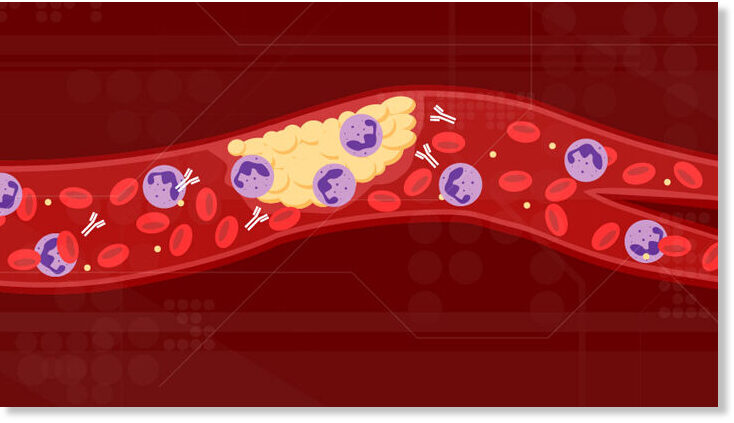
A new study out of Sweden has found that those who contract COVID-19 have an increased risk of certain types of blood clots, which can be fatal, up to six months after infection.

The observational study, published Thursday in the British Medical Journal, reports an increased risk of deep vein thrombosis, a blood clot in the leg, up to three months after COVID-19 infection; pulmonary embolism, a blood clot in the lung, up to six months later and a "bleeding event" up to two months.

According to researchers from Umea University, these events were higher in patients with underlying health conditions and those with more severe COVID-19.

Comment: While this information is interesting, as evidenced by the Spartacus letter, it's not exactly new.

Notice how the researchers concluded the study with a reminder to 'stay vigilant' and took a subtle jab at the government for dropping restrictions so. While there is a clear reality to the dangers of COVID for some compromised individuals, it's worth remembering that the majority of people will experience little to no symptoms or after-effects.