Secret HistoryS


Cheeseburger

Arctic island mammoth shows strongest evidence yet of human slaughter and butchering

mammoth
© Albert ProtopopovThe extinct mammoth remains were dated by radiocarbon analysis to 21,000 years of age by the Jikei University School of Medicine in Tokyo.
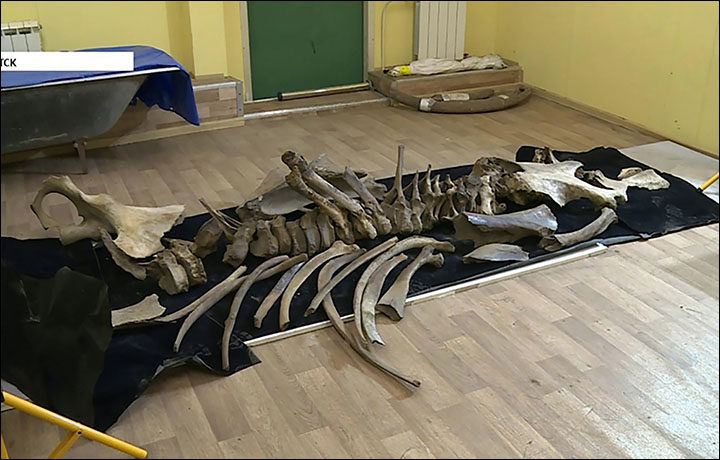
The Kotelny island woolly mammoth was killed by humans some 21,000 years ago, say scientists.

Dr Albert Protopopov shared new pictures of the remains found at a location which was then part of the vast Beringia Land Bridge connecting what is now Siberia and North America.

'The traces on the bones show that the mammoth was killed and butchered by ancient people,' he said.

Comment: As Pierre Lescaudron explains in Of Flash Frozen Mammoths and Cosmic Catastrophes it's highly likely that the climatic conditions there were considerably different to our times for the not-so-woolly mammoth.

See also: And check out SOTT radio's: MindMatters: America Before: Comets, Catastrophes, Mounds and Mythology


Star of David

Best of the Web: Polytheism and human sacrifice in early Israelite religion

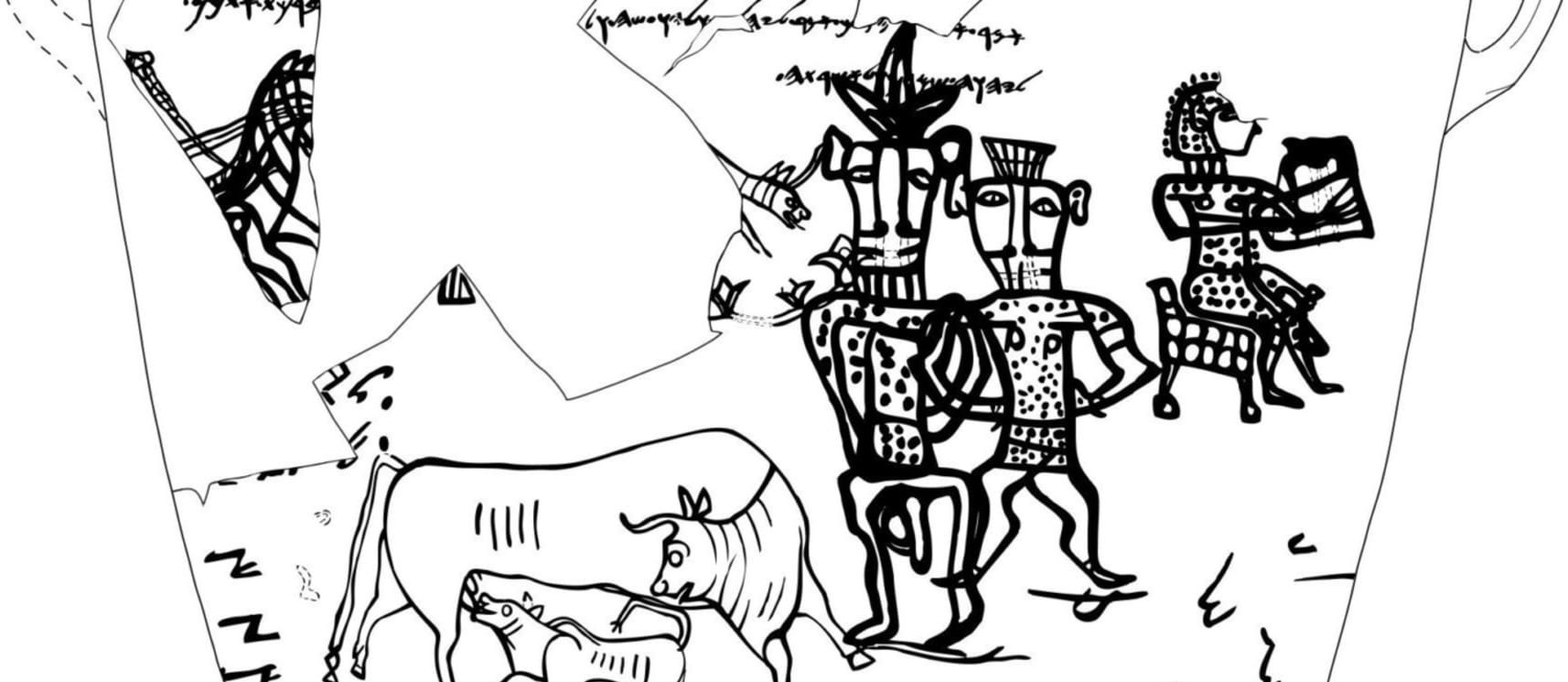
Is that a 3,000-year-old picture of god, his penis and his wife depicted by early Jews at Kuntillet Ajrud?
FILE PHOTO: Is that a 3,000-year-old picture of god, his penis and his wife depicted by early Jews at Kuntillet Ajrud?
The following is an interview with Thom Stark, a scholar of ancient and modern religious texts. Stark is currently an M.A.R. student at Emmanuel School of Religion in Johnson City, Tenn. His first book, released in October, is called The Human Faces of God: What Scripture Reveals When It Gets God Wrong (and Why Inerrancy Tries To Hide It). In chapters 4 and 5, Mr. Stark systematically lays out evidence that polytheism and human sacrifice were practiced widely as a part of early Yahweh worship.
I have to start with a question that may sound rude. Most people would expect that someone writing about human sacrifice and polytheism in the Bible would be an atheist or agnostic. And yet you describe yourself as a very committed Christian. Help me put the pieces together.
Well, I hail from the Stone-Campbell tradition, an anti-creedal protestant movement that is committed to discovering what the Bible says, even if what the Bible says contradicts what orthodox Christianity has historically said. That commitment to the Bible over the creeds is what underwrote my biblical studies, and ironically is what made it possible for me to come to the realization that the Bible isn't inerrant, and that what "it says" often depends on which book in the Bible you're reading.

Comment: See also: Also check out SOTT radio's:


Rose

Early modern humans cooked starchy food in South Africa, 170,000 years ago

Border Cave
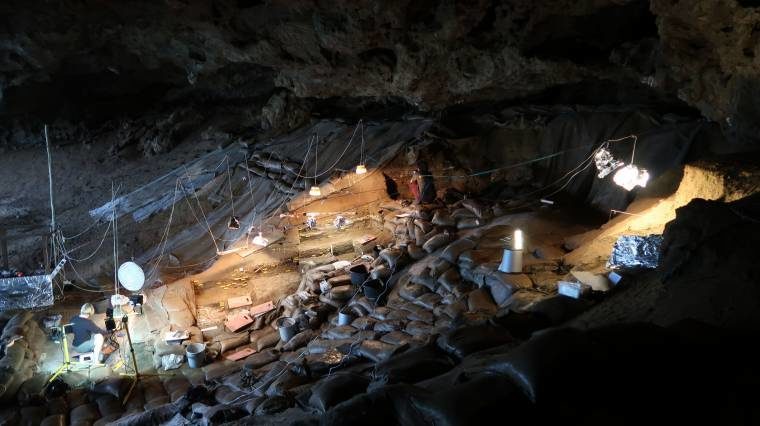
© Dr. Lucinda BackwellBorder Cave excavation.
"The inhabitants of the Border Cave in the Lebombo Mountains on the Kwazulu-Natal/eSwatini border were cooking starchy plants 170 thousand years ago," says Professor Lyn Wadley, a scientist from the Wits Evolutionary Studies Institute at the University of the Witwatersrand, South Africa (Wits ESI). "This discovery is much older than earlier reports for cooking similar plants and it provides a fascinating insight into the behavioural practices of early modern humans in southern Africa. It also implies that they shared food and used wooden sticks to extract plants from the ground."

"It is extraordinary that such fragile plant remains have survived for so long," says Dr. Christine Sievers, a scientist from the University of the Witwatersrand, who completed the archaeobotanical work with Wadley. The underground food plants were uncovered during excavations at Border Cave in the Lebombo Mountains (on the border of KwaZulu-Natal Province, South Africa, and eSwatini [formerly Swaziland]), where the team has been digging since 2015. During the excavation, Wadley and Sievers recognised the small, charred cylinders as rhizomes. All appear to belong to the same species, and 55 charred, whole rhizomes were identified as Hypoxis, commonly called the Yellow Star flower. "The most likely of the species growing in KwaZulu-Natal today is the slender-leafed Hypoxis angustifolia that is favoured as food," adds Sievers. "It has small rhizomes with white flesh that is more palatable than the bitter, orange flesh of rhizomes from the better known medicinal Hypoxis species (incorrectly called African Potato)."

Comment: See also:


Info

Dating the ancient Maltese temples

Stone Tablet from Malta
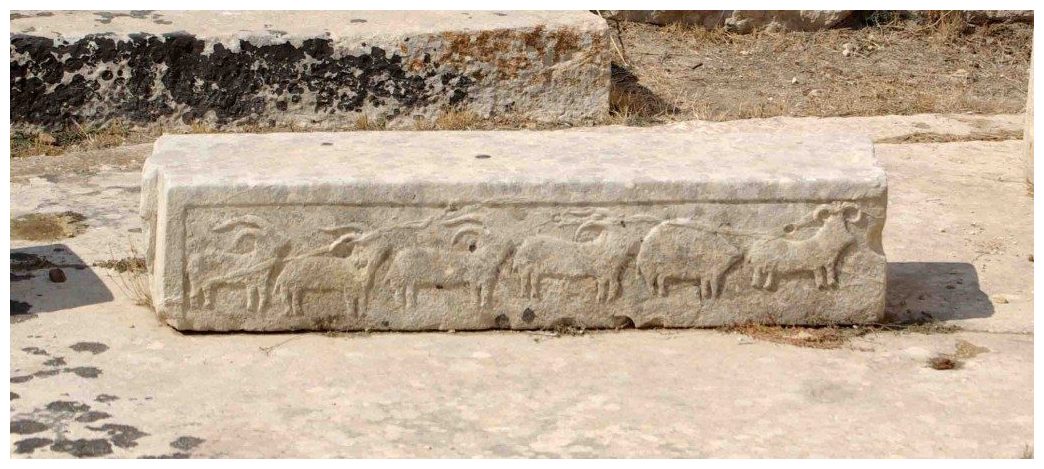
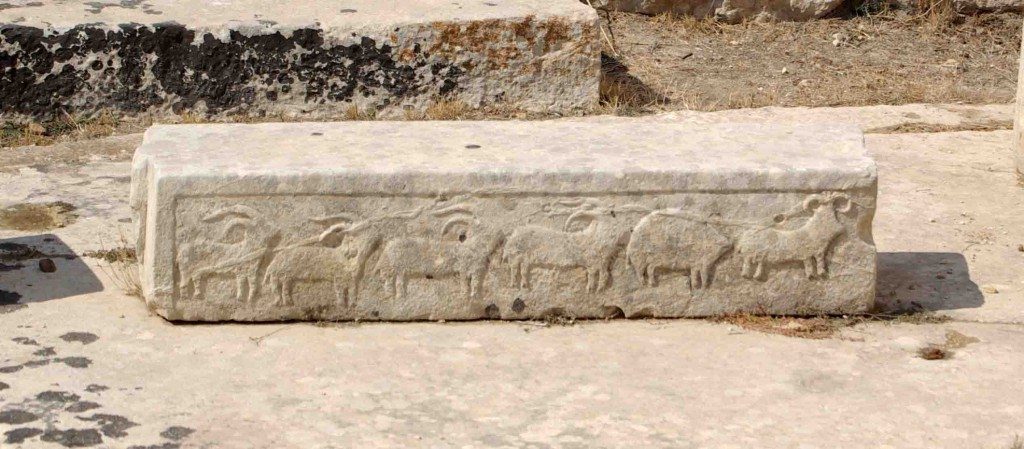
© Berthold Werner, CC-BY-SA 3.0.Relief showing goats and rams from one of the temples at Tarzien.
Malta is famous for its ancient megalithic temples, such as Gjantija and Hagar Qim. The orthodox view has always been that they are Bronze Age, or slightly earlier. The most recent attempt to date them involves researchers from Queens University Belfast (QUB), Maltese institutions and other universities in the UK under the 'FRAGSUS' project, an EU multi-million pound research collaboration. For example, see the paper 'Island questions: the chronology of the Brochtorff Circle at Xaghra, Gozo ...' by C. Malone et al. (2019) in the journal Archaeological and Anthropological Sciences.

Because they are megalithic structures, for which radiocarbon dating is useless, the conventional approach is to date remains found in situ within and near the temples. Of course, this is simply dating the latest occupations of the temples, not necessarily their construction dates. All of the latest work carried out by the FRAGSUS team simply confirms the conventional view that the earliest settlement on the island began around 5200 BC, with the temples being built over the course of a few thousand years, beginning slightly before 4000 BC.

But now we can provide a zodiacal date that shows at least some of the temples were in use before the 8.2 kiloyear event, around 6300 BC. Presumably, then, the islands were depopulated by the 8.2 kiloyear event, which I suspect was another catastrophic encounter with the Taurid meteor stream, that probably also led to the demise of the culture that built the Great Sphinx of Giza. In effect, I suspect there was a well-developed (early Neolithic) Mediterranean culture involving Malta, Egypt, Turkey, the Levant and possibly several other regions, that was largely destroyed by the 8.2 kiloyear event.

Just how advanced this culture was is not clear. Could they have mapped the world? Who knows. Did they cut the giant Baalbek megaliths? Quite possibly. So how does the zodiacal dating of these Maltese temples work? Zodiacal dating is a disruptive 'technology'. It challenges, and overturns, core archaeological assumptions of 'gradualism' and 'cultural evolution', currently believed wholesale by the bulk of the archaeological academic community, which deny the possibility of a widespread ancient culture that recorded the many destructions of their world in terms of great artworks.

Colosseum

The different ages of Ancient Greece

Ancient Greece
Archaic. Classical. Hellenistic. These terms are often (and quite naturally) conflated together under the generic heading of 'classical', or, at the very least, 'old'. It appears that organizing history into clear, distinct eras can be a tricky business.

This, of course, is more true for the Greeks than for the Romans.

This is because it's relatively easy to get one's head around the fact that the Romans smoothly traversed the ages from Monarchy to Republic to Empire. (Obviously there are many more nuances to the situation than that - but let's save those for a later date).

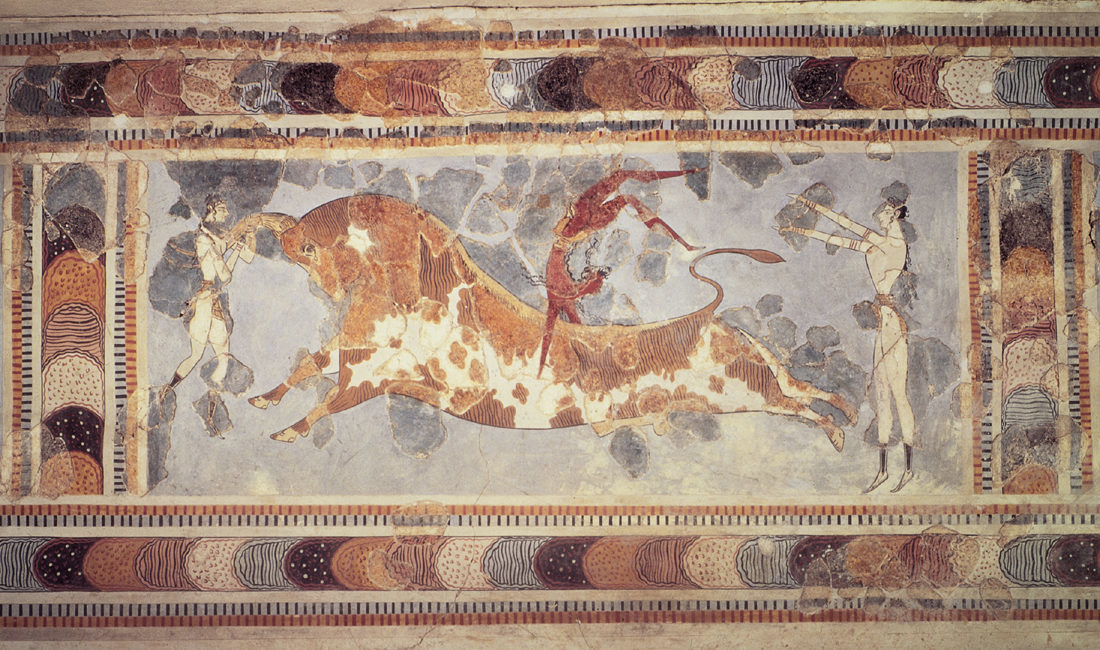
Comment: As R.G Collingwood said in his book The Idea of History, history and its evolution throughout the the ages is essentially an emergent process that changes based on new information and data the historian acquires. The lines between the end of one era and beginning of a new -- even though there are defining moments and for the sake of brevity is often useful -- isn't so black and white. For example, our understanding of what constituted 'Greek' was variable in the case of the Minoans, and Greek culture and civilization, even though conquered by Rome, continued to live on and influence them in a number of ways, up to and including Western civilization today.


Cross

The incredible impact of Jesus Christ

Colosseum, cross
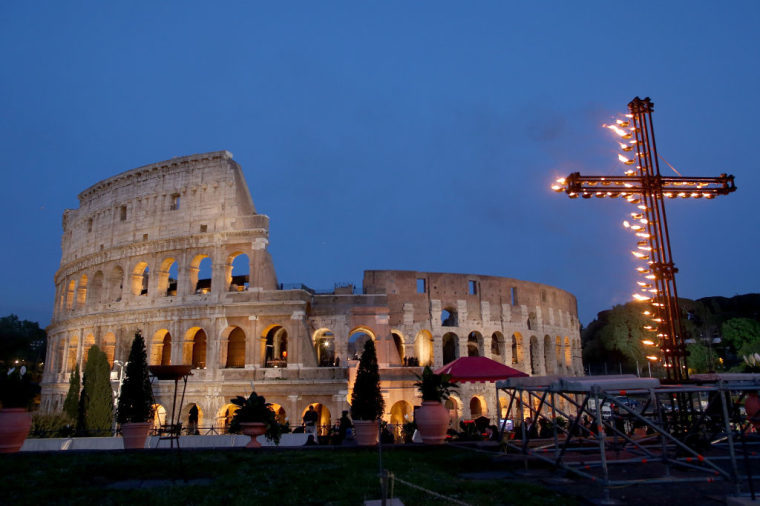
© Franco Origlia/Getty ImagesA view of the Colosseum during the Way of The Cross at the held by Pope Francis on April 14, 2017 in Rome, Italy.
Twenty-five years ago, D. James Kennedy and I came out with a book called, What if Jesus had Never Been Born? It ended up becoming a best-seller.

The message is very simple: Because Jesus was born, look at all these incredible blessings we have throughout the world.

For instance, the Christian church created the phenomenon of the hospital and has created hospitals all over the world. Christianity has inspired some of the world's greatest music and arts, and has expanded education from the elite to the masses — even creating the entity of the university.

Here are just a few examples of Christianity's influence, fleshed out a bit: Prior to the coming of Christ, human life on this planet was expendable. Even today, in parts of the world where the Gospel of Christ or Christianity has not penetrated, life is exceedingly cheap. Christianity bridged the gap between the Jews — who first received the divine revelation that man was made in God's image — and the pagans, who attributed little value to human life. Meanwhile, as we in the post-Christian West continue to abandon our Judeo-Christian heritage, life is becoming cheap once again.

Cowboy Hat

Scythian tomb with 3 generations of warrior women unearthed in Russia

scythian
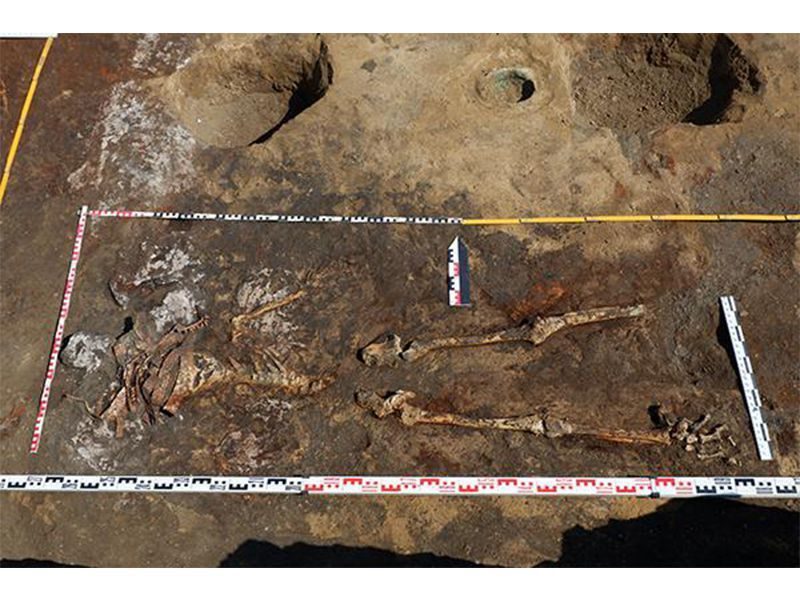
© Archaeoolog.ruThis female warrior was buried with an elaborately engraved headdress during the fourth century B.C.
The Amazon warriors of ancient Greek lore were once considered mythical figures. But in recent years, archaeological work and genetic analysis have identified women buried with weapons, horseback riding equipment and other accoutrements traditionally associated with warriors.

Earlier this month, a team led by archaeologist Valerii Guliaev announced the discovery of a 2,500-year-old tomb in which four such women were buried together. The findings were published in the journal of the Akson Russian Science Communication Association this week.

The women belonged to a nomadic group called the Scythians and were found in one of 19 burial mounds studied during a decade-long survey of the western Russian village of Devitsa, reports Ruth Shuster for Haaretz. The youngest individual in the grave was 12 or 13 years old. Two were in their twenties, and the last was between 45 to 50 years old.

Comment: See also:


Dig

Terracotta Army: 220 additional soldiers discovered, including new ranks, in famous tomb of Chinese Emperor

terracotta warriors
Mausoleum of the First Qin Emperor
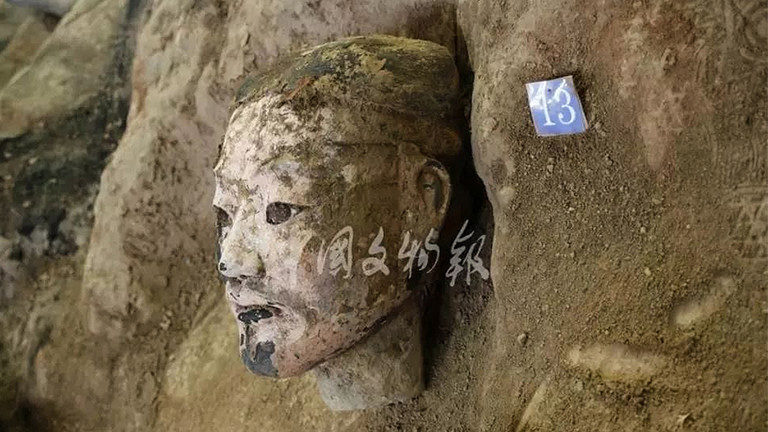
Archaeologists working on the tomb of Emperor Qin Shi Huang have announced the discovery of an additional 220 soldiers in the world-famous Terracotta Army after almost a decade of painstaking excavation.

The team has been excavating the tomb since 2009, covering an area of ​​about 500,000 square meters. The site is riddled with a vast array of artifacts including pottery, bronze, jade, a small amount of gold, silver, and iron and the aforementioned Terracotta Warriors.

Comment: See also: Also check out SOTT rado's:


Cloud Lightning

Best of the Web: Incredible find at ancient site in Scotland reveals massive lightning scar in center of circle of standing stones


Comment: Thunderbolts of the gods, literally...


Calanais Stones
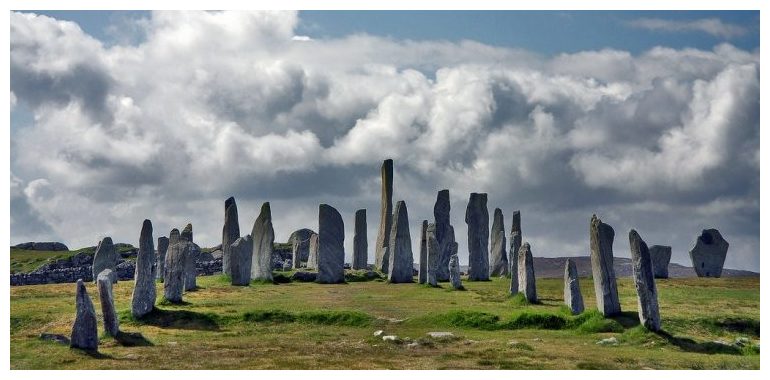
© Screen ShotCalanais Stones were constructed with astrological phenomena.
New evidence of a massive lightning strike at the centre of a hidden stone circle in the Outer Hebrides may help shed light on why these monuments were created thousands of years ago.

The Calanais Virtual Reconstruction Project, a joint venture led by the University of St Andrews with the Urras nan Tursachan and the University of Bradford, with funding from Highlands and Islands Enterprise, has uncovered a potential link between ancient stone circles and the forces of nature.

While studying prehistoric Tursachan Chalanais, the main stone circle at Calanais on the Isle of Lewis, the project team surveyed nearby satellite sites to reveal evidence for lost circles buried beneath the peat.

One rarely-visited site surveyed, known as Site XI or Airigh na Beinne Bige, now consists of a single standing stone on an exposed hillside overlooking the great circle.

Comment: What an astonishing find.

Clearly, at least some of these stone circles - located all over the world - were machines or technologies of some sort....


Wine

How the English invented Champagne

champagne
The secondary fermentation process for making Champagne, or Sparkling English Wine, was invented in Winchcombe, Cotswolds, 30 years before it was in France. This woman is carrying two champagne bottles and wearing a wire face mask, used to protect workers in case the bottles exploded due to the pressure
French winemakers have claimed the riches of sparkling wine, or Champagne, for centuries - overlooking the fact their success is based on inventions made by l'anglais.

The secondary fermentation process for making 'Sparkling English wine' was invented in Winchcombe, Cotswolds, by a scientist 30 years before Dom Perignon, at the abbey of Hautvilliers, claimed to have the same idea.

And the bottles needed were also made by the English at least 85 years before the French - when the absence of forests due to ship construction forced bottlemakers to switch to coal which was hotter and, as a result, made thicker glass.

Comment: See also: The Medieval warm period and how grapes grew where polar bears now roam