In the last week of January, US Special Representative for Syria, James Jeffery, traveled to Europe to step up US economic pressure on Syria due to its 'attacks' on Idlib. While it may sound strange why the US would sanction Syria for its resounding successes against al-Qaeda jihadi groups, the fact of the matter is that
these rogue groups remain US allies in many ways and even continue to receive 'help' in the form of weapons to sustain their hold of the Syrian territories. As such, whereas Soleimani's killing was meant to disrupt Iranian operations in Iraq and Syria, the recent success of the Syrian forces, in which Soleimani trained fighters took part, showed emphatically that the US has failed once again in its objectives; hence, the new resolve to sanction Syria in order to create difficulties for Syria's allies.
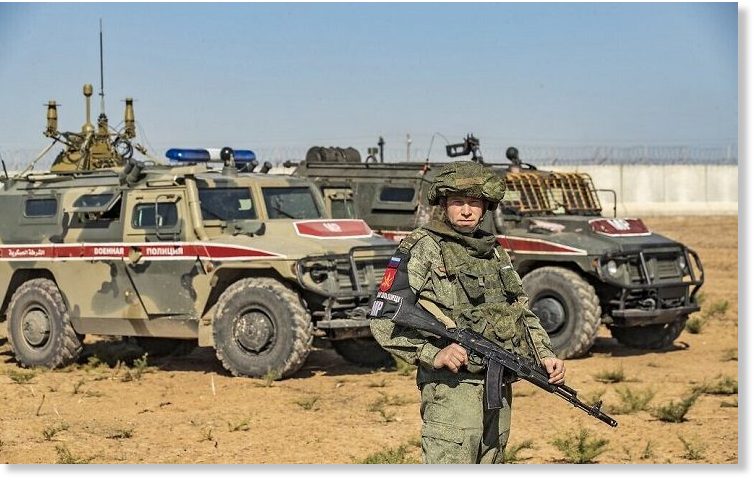
In a press statement given on January 27, Mike Pompeo said that the US is observing "the situation in northwest Syria where the combined forces of Russia, the Iranian regime, Hizballah, and the Assad regime reportedly are conducting a large-scale assault upon the people of Idlib and western Aleppo province", adding further that "The United States is prepared to take the strongest diplomatic and economic actions against the Assad regime and any state or individual that aids its brutal agenda."
While Mike Pompeo could hardly be expected to say anything about the al-Qaeda affiliate groups and how they continue to receive military support, including the made-in-US TOW anti-tank missiles, there is no gainsaying that
the US is aiming to reinsert itself violently in Syria when the Syrian forces are inching towards a total reclamation of their country. The US, as it stands, simply doesn't want this to happen, especially because of an Iranian expansion accompanying this victory.











Comment: See also: