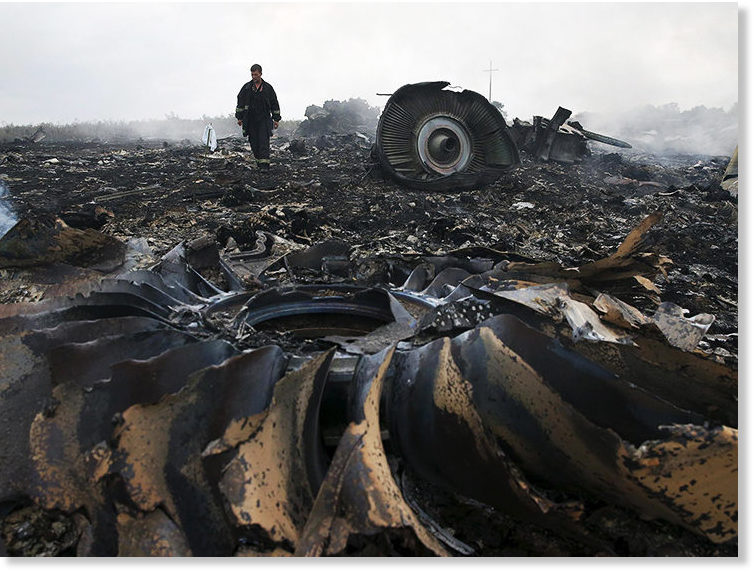
On 17 July 2014 a Malaysian Airlines flight was en route from Amsterdam to Kuala Lumpur when it was shot down over Ukrainian territory with the loss of all passengers and crew. The majority of the passengers were Dutch citizens, although there were significant other nationals represented, including in particular Australian citizens and residents.
The Ukrainian territory over which the tragedy occurred was the centre of fighting between its largely Russian speaking inhabitants and Kiev government forces, acting on the instructions of the Kiev government that had earlier that year seized power in an American financed coup.
An international group of countries set up an investigation into the crash. An early indicator that the investigation was likely to be less than objective came from its membership: the Netherlands, Australia, Belgium and Ukraine. As the countries suffering the largest casualties, the presence of The Netherlands and Australia was understandable.
There was no obvious reason for including Belgium, although that countries position as NATO headquarters provides at least one clue. Why Ukraine was included was also a puzzle.
On the then known facts, or at least what was thought to be the facts, Ukraine was at the very least a prime suspect in the shooting down. The exclusion of Malaysia, the plane's owner and operator, who also lost citizens, was at the time inexplicable. The reasons only became known much later. Malaysia refused to be a party to an extraordinary agreement between the other four nations that gave an effective veto to the Ukrainians against any adverse findings.
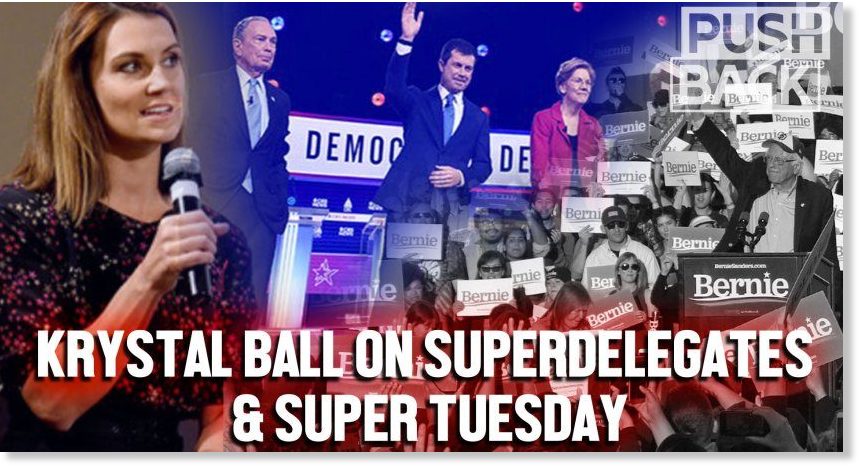


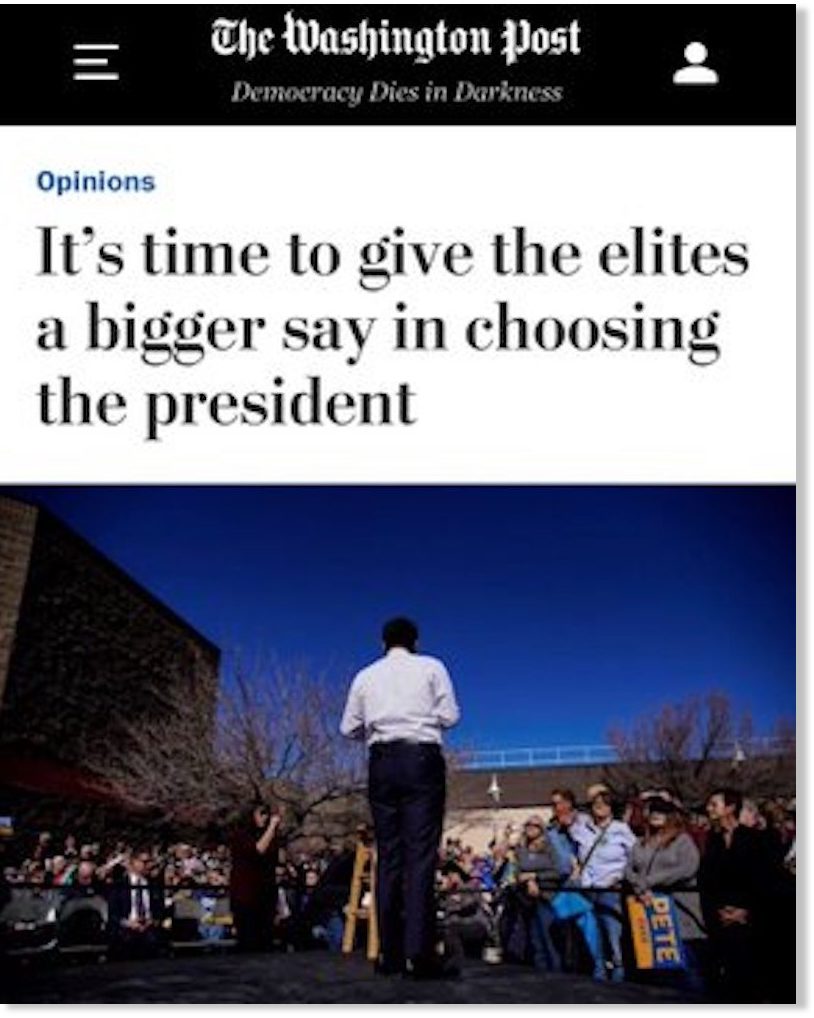

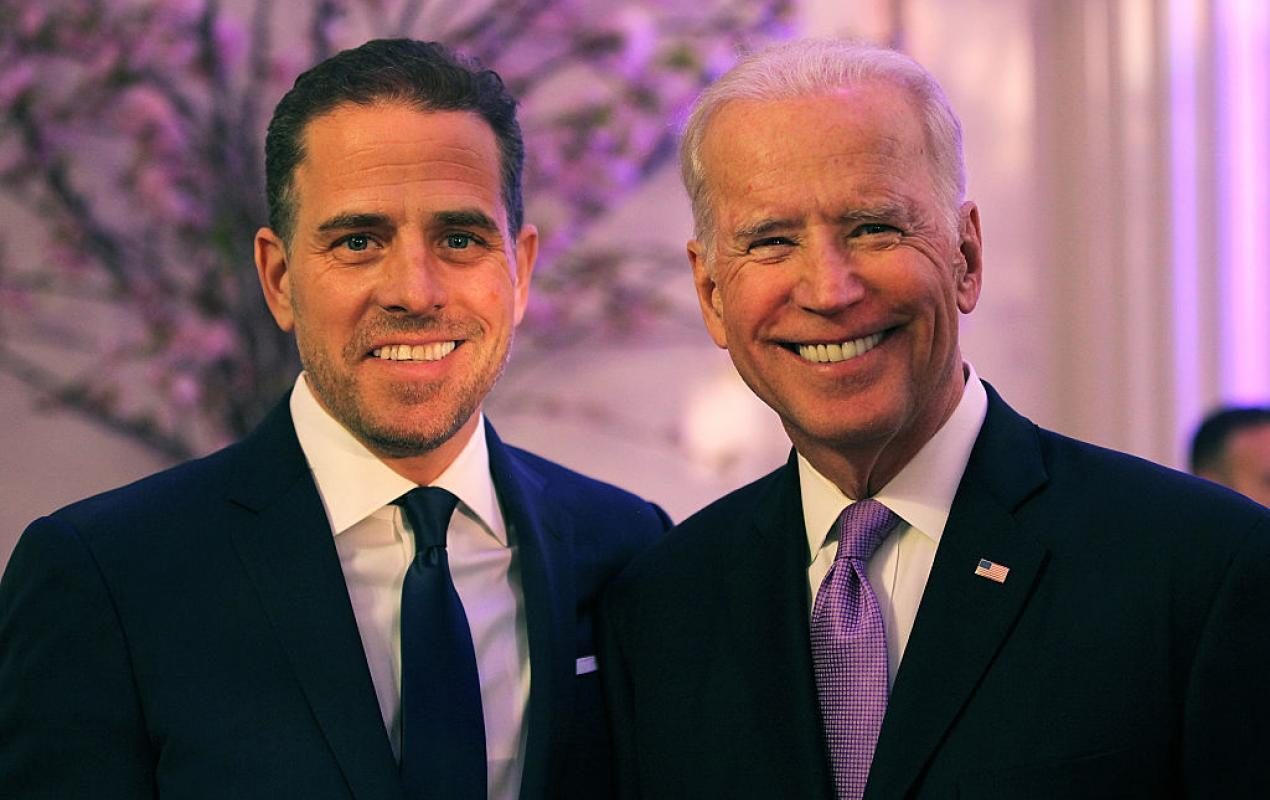



Comment: As the video makes abundantly clear, election interference is quite ok to the Democrats - when it's the Democrats who perpetrate it.
This, by the way, is precisely the motivation behind British MPs - of all parties - being so anti-Brexit for so long, dragging the process out through parliament and the courts; it represented a direct threat to their status and their livelihood. Only when the Conservative Party took control of the issue did they feel it safe to 'accept Brexit', although it remains to be seen what exactly constitutes Brexit-in-reality as opposed to Brexit-on-paper.
See also: