Science & TechnologyS


Galaxy

Uncovering the hidden magnetic universe

magnetic fields universe
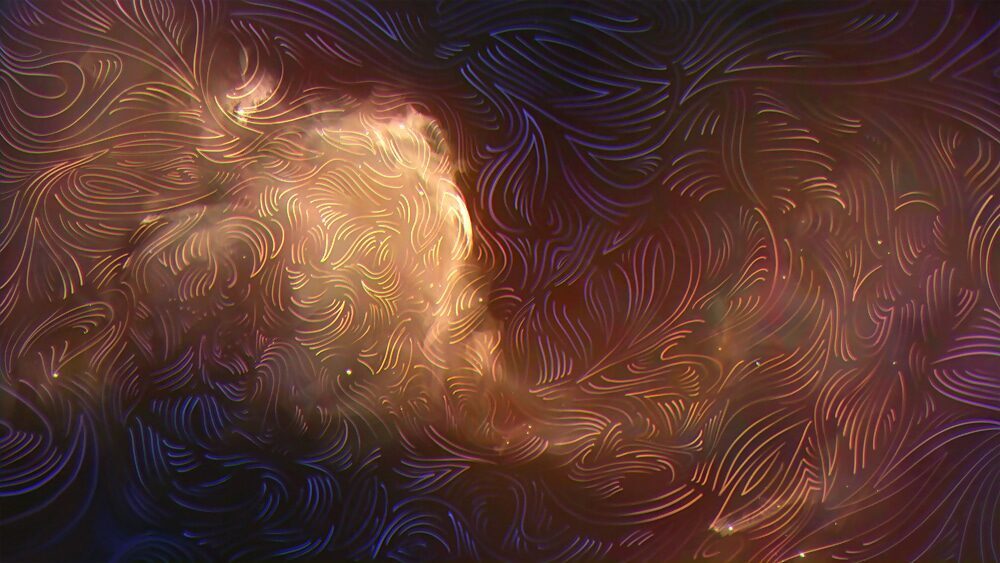
© Pauline Voß for Quanta MagazineHidden magnetic field lines stretch millions of light years across the universe.
Astronomers are discovering that magnetic fields permeate much of the cosmos. If these fields date back to the Big Bang, they could solve a major cosmological mystery.

Anytime astronomers figure out a new way of looking for magnetic fields in ever more remote regions of the cosmos, inexplicably, they find them.

These force fields — the same entities that emanate from fridge magnets — surround Earth, the sun and all galaxies. Twenty years ago, astronomers started to detect magnetism permeating entire galaxy clusters, including the space between one galaxy and the next. Invisible field lines swoop through intergalactic space like the grooves of a fingerprint.

Last year, astronomers finally managed to examine a far sparser region of space — the expanse between galaxy clusters. There, they discovered the largest magnetic field yet: 10 million light-years of magnetized space spanning the entire length of this "filament" of the cosmic web. A second magnetized filament has already been spotted elsewhere in the cosmos by means of the same techniques. "We are just looking at the tip of the iceberg, probably," said Federica Govoni of the National Institute for Astrophysics in Cagliari, Italy, who led the first detection.

The question is: Where did these enormous magnetic fields come from?

Microscope 1

In cell death, a stunning display of Intelligent Design

cell death
Some counselors try to comfort the grieving by saying that "dying is a part of life," as if that would cheer up someone dealing with the loss of a loved one. Because of our exceptional natures, people have thoughts of the soul, eternity, and love. These far outstrip the physical necessity of disposing of a body that was housing a sentient being a short time ago. Cells only have the physical disposal to contend with, so in the following discussion, one must not draw comparisons too tightly between human death and cell death.

To a cell, dying really is a part of life. There's nothing to grieve about! In fact, billions of cells die in the process of embryonic development, as our organs, fingers, and tissues are sculpted. That's a wonderful thing. Nevertheless, tissues face real challenges in all stages of cell death, from deciding what cells need to bow out, to disposing of the "corpses" afterward. The cellular morgue is exquisitely designed for the challenge.

Sun

New super white paint reflects up to 98% of the Sun's heat

greece white houses
Whereas traditional white paints typically reflect around 85% of solar radiation to help keep buildings cool, a new "super white" paint can reflect up to 98%
Just like a tennis player might don a white shirt instead of a black one on warm summer's day, researchers see great potential in dressing buildings in reflective white paints to keep them cool. A team of material scientists is reporting a major advance in this area, producing a new kind of super white paint that reflects almost all incoming radiation from Sun.

For some time, scientists have been exploring how broad use of white paint could significantly cool buildings, and even the surrounding microclimate. One NASA study from 2012, for example, found that white coatings could reduce peak rooftop temperatures in New York City by an average of 43 °F (24 °C).

While researchers continue to probe the possibilities in this area, with some even producing reflective paint made from glass, the best performing white paints on the market reflect about 85 percent of solar radiation, while absorbing the rest. The team from the University of California, Los Angeles (UCLA) hoped to improve on this by making a few tweaks to the recipe.

Comment: See also:


Cut

New gene editing tool to correct mutations in mitochondrial DNA

mitochondria
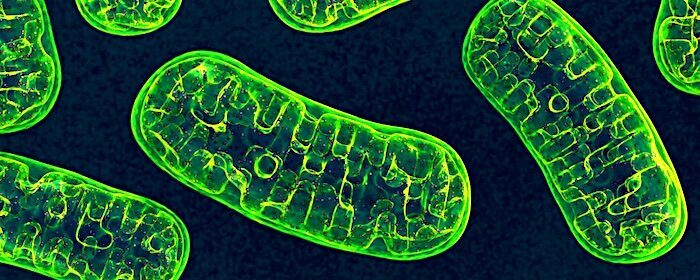
© UnknownMitochondria
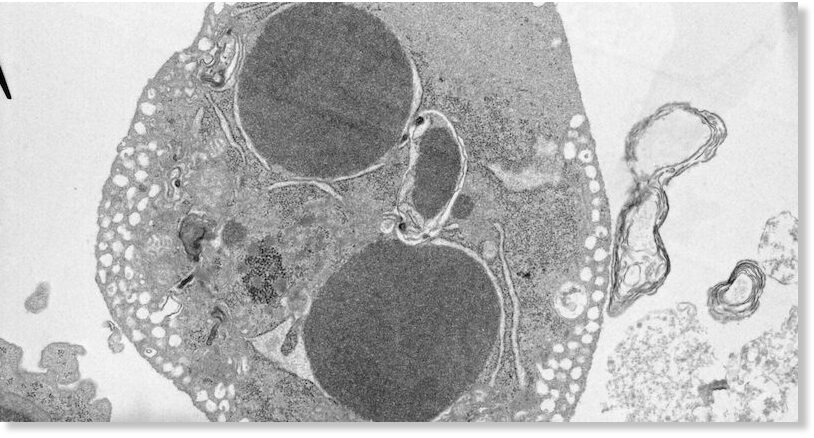
An enzyme pulled from toxic bacteria can enter the organelle and perform single-nucleotide DNA swaps.

In a creative feat of molecular engineering, scientists have for the first time developed a gene editing tool capable of making targeted, single base pair changes in the DNA of mitochondria. The new editor, derived from a bacterial toxin, could allow researchers to better study mitochondrial diseases ahead of possible future treatments, Science reports.

While genome editing tools such as CRISPR can easily enter the nucleus of a cell, the mitochondria are swathed in membranes, making them inaccessible to bulky CRISPR molecules. Other tools such as TALENs and ZFNs have previously passed into the mitochondria of plant and animal cells, but STAT reports that these early tools were only able to cut out and remove mutated DNA, not correct it with targeted precision. Because of the difficulty in rewriting mitochondrial DNA, scientists have struggled to create animal models of mitochondrial diseases with the same mutations to study them in detail.

Fyodor Urnov, a biologist at the Innovative Genomics Institute, who reviewed the team's July 8 paper in Nature, tells STAT.
"We've been looking for a technology like this for a very long time. We've been able to make point mutations in human nuclear DNA for 15 years, but mitochondria have resisted that furiously, much to the great frustration of everybody. With this technology, mitochondrial research will enter a golden age."

Black Cat 2

People along Silk Road kept cats as pets 1,000 years ago

Maine Coon
© DenisNata / Stock Adobe.com
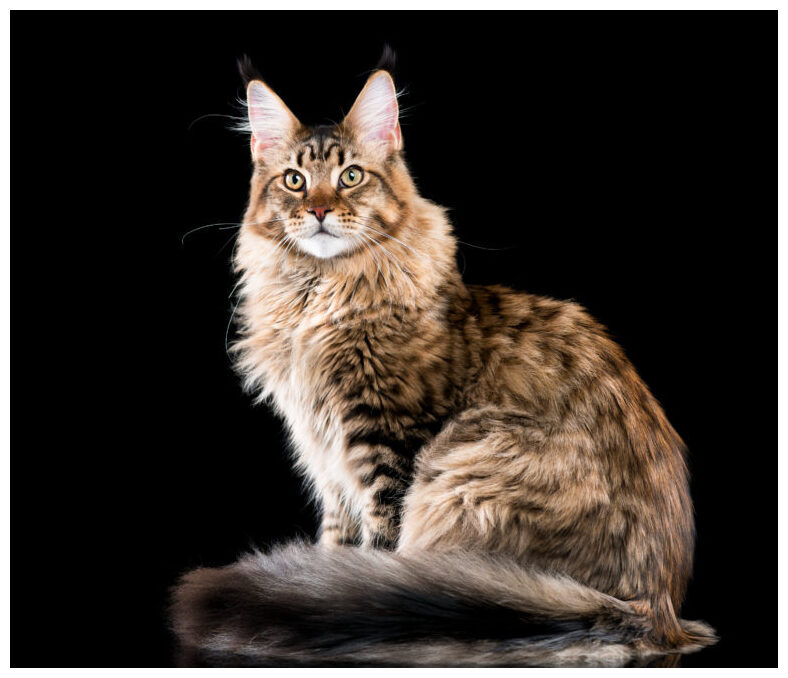
Common domestic cats, as we know them today, might have accompanied Kazakh pastoralists as pets more than 1,000 years ago.

This has been indicated by new analyses done on an almost complete cat skeleton found during an excavation along the former Silk Road in southern Kazakhstan. An international research team led by Martin Luther University Halle-Wittenberg (MLU), Korkyt-Ata Kyzylorda State University in Kazakhstan, the University of Tübingen and the Higher School of Economics in Russia has reconstructed the cat's life, revealing astonishing insights into the relationship between humans and pets at the time. The study will appear in the journal "Scientific Reports".

The tomcat - which was examined by a team led by Dr Ashleigh Haruda from the Central Natural Science Collections at MLU - did not have an easy life. "The cat suffered several broken bones during its lifetime," says Haruda. And yet, based on a very conservative estimate, the animal had most likely made it past its first year of life. For Haruda and her colleagues, this is a clear indication that people had taken care of this cat.

During a research stay in Kazakhstan, the scientist examined the findings of an excavation in Dzhankent, an early medieval settlement in the south of the country which had been mainly populated by the Oghuz, a pastoralist Turkic tribe. There she discovered a very well-preserved skeleton of a cat. According to Haruda, this is quite rare because normally only individual bones of an animal are found during an excavation, which prevents any systematic conclusions from being drawn about the animal's life. The situation is different when it comes to humans since usually whole skeletons are found. "A human skeleton is like a biography of that person. The bones provide a great deal of information about how the person lived and what they experienced," says Haruda. In this case, however, the researchers got lucky: after its death, the tomcat was apparently buried and therefore the entire skull including its lower jaw, parts of its upper body, legs and four vertebrae had been preserved.

Galaxy

Astronomers discover South Pole Wall, a gigantic structure stretching 1.4 billion light-years across

South Pole Wall
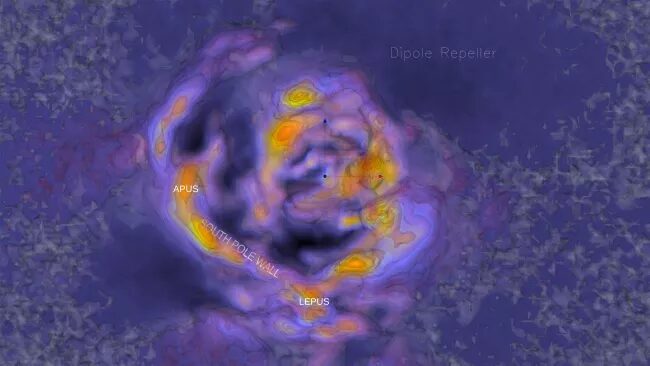
© D. Pomarede, R. B. Tully, R. Graziani, H. Courtois, Y. Hoffman, J. LezmyA visualization showing the South Pole Wall, a large cluster of galaxies near the southernmost part of the sky.
Spectacular 3D maps of the universe have revealed one of the biggest cosmic structures ever found — an almost-inconceivable wall stretching 1.4 billion light-years across that contains hundreds of thousands of galaxies.

The South Pole Wall, as it's been dubbed, has been hiding in plain sight, remaining undetected until now because large parts of it sit half a billion light-years away behind the bright Milky Way galaxy. The South Pole Wall rivals in size the Sloan Great Wall, the sixth largest cosmic structure discovered. (One light-year is roughly 6 trillion miles, or 9 trillion kilometers, so this "biggest cosmic structure" is mind-bendingly humongous.)

Astronomers have long noticed that galaxies are not scattered randomly throughout the universe but rather clump together in what's known as the cosmic web, enormous strands of hydrogen gas in which galaxies are strung like pearls on a necklace that surround gigantic and largely empty voids.


Butterfly

Human brain evolved to be not just bigger but finely shaped and "massively reorganized"

brains
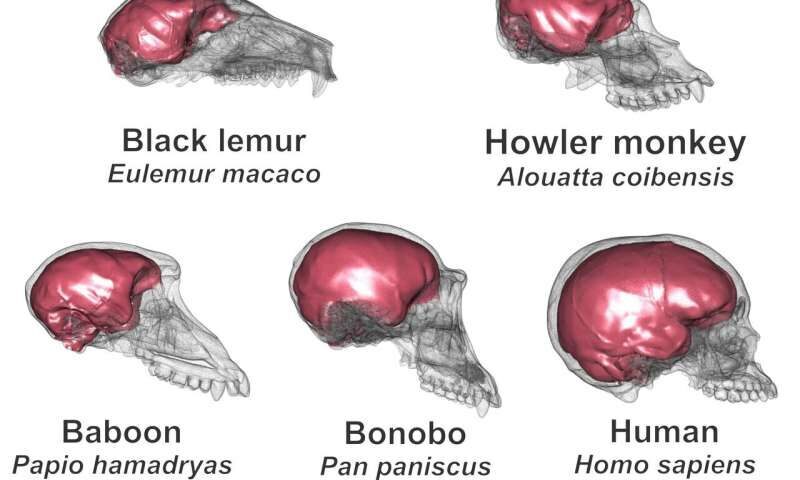
© Gabriele SansaloneReconstruction of the 3D digital brains and phylogenetic tree of primates.
The human brain: not just large but finely shaped

Large brains have long differentiated humans and primates from other mammals and there is a clear evidence that brain mass increased through time.

Now a new study by the University of New England, in collaboration with Italian and American institutes, has shown that the evolution of higher cognitive capacity is not only due to having a larger brain but also due to the brain having the "right" shape.

While brain size has long been the preferred measured trait for anthropological investigations, the brain is not uniform in shape and displays considerable structural variation.

Comment: And we're still expected to believe - whether 'fast' or 'slow' - that this "massive reorganization" all happened by chance? And check out SOTT radio's:


Moon

Weird green gel-like substance found on Moon identified by scientists

Green gel-like goo on the Moon
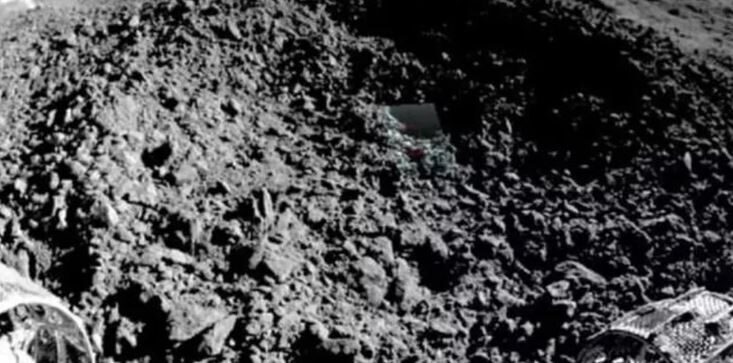
© CNSA/CLEPAn image of the crater where the "gel like" substance was found.
While roaming the far side of the Moon, China's Chang'e-4 lunar lander mission discovered an unusual, gel-like substance on the lunar surface. The discovery puzzled scientists, who poured over the images sent over by the Yutu-2 rover to try and figure out what this strange substance is.

A year later, and a team of scientists may have just solved this lunar mystery.

A new study, published in the August issue of Earth and Planetary Science Letters, revealed that the gel-like substance is, not very shockingly, rock. The reason why the rock glistened and appeared gel-like in the images captured by the Yutu-2 rover is that it was melted together possibly in the aftermath of a meteorite impact.

Yutu-2 landed on the Moon in January 2019 with a mission to explore the far side of the rocky body. The far side of the Moon is the side of the Moon that faces away from Earth, which makes it far and therefore far less explored.

Blue Planet

Plate tectonics research rewrites history of Earth's continents

Earth Sun
© Pixabay
Curtin University-led research has found new evidence to suggest that the Earth's first continents were not formed by subduction in a modern-like plate tectonics environment as previously thought, and instead may have been created by an entirely different process.

Published in the journal Geology, the research team measured the iron and zinc isotopes in rock sourced from central Siberia and South Africa and determined that the composition of these rocks may have formed in a non-subduction environment.

Lead author Dr. Luc-Serge Doucet, from the Earth Dynamics Research Group in Curtin's School of Earth and Planetary Sciences, said the first continents were formed early in Earth's history more than three billion years ago, but how they were formed is still open to debate.

Comment: See also:


Comet 2

Comet NEOWISE has "supersized" nucleus, sprouts another tail

NEOWISE
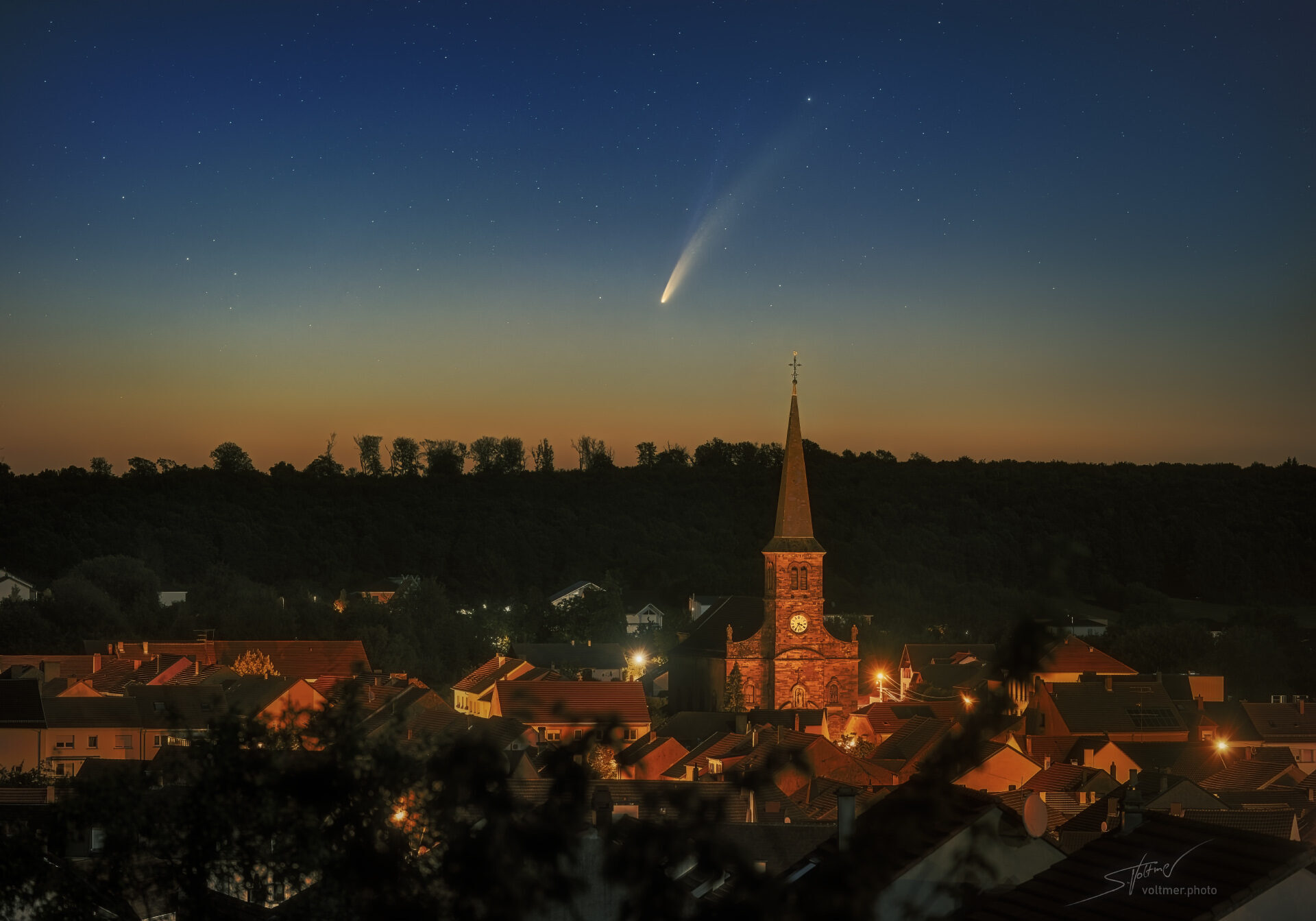
© Sebastian VoltmerComet C/2020 F3 (NEOWISE) with Ion tail (!) captured on July 7, 2020 over the French village church of Spicheren. Stack of 63 frames captured with a Nikon D800 (ISO 320) and a 135mm lens. See also the related time lapse video: https://www.youtube.com/watch?v=OKuT2AWkfxk
Comet NEOWISE just keeps getting better. Not only is it visible to the naked eye in morning twilight, but also, now, it has two tails. Sebastian Voltmer photographed them over the village church of Spicheren, France.

The brighter of the two is the dust tail, made of dusty-rocky grains sprinkled like crumbs along the comet's curved orbit. Just above it is the faint ion tail, made of gas shoved straight away from the sun by the solar wind.

"The ion tail is relatively dim," says Voltmer. "To record it, I had to stack 63 frames captured with my Nikon D800 digital camera (ISO 320)."

Look carefully at the ion tail; it's blue. This makes it tricky to see against a backdrop of blue twilight. Visibility will improve in the days ahead as the comet moves into darker skies farther from the sun.

Comment: See also: And check out SOTT radio's: