The 1st Galician Division, formed by the Nazis from Ukrainian volunteers during WWII, is blamed for atrocities against Poles
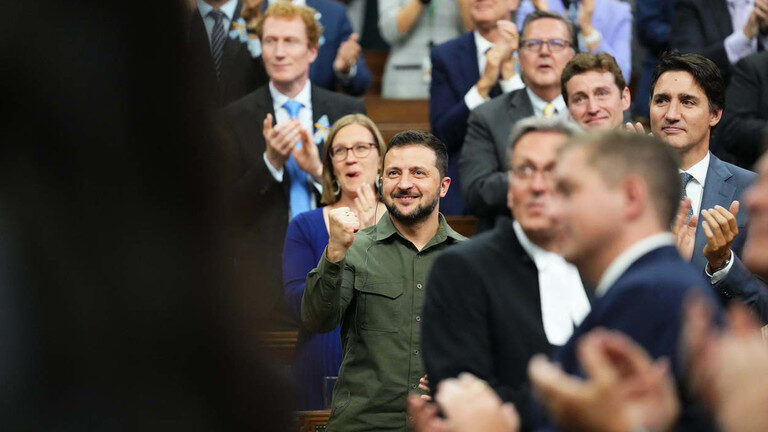
Ukraine's president and Canada's prime minister greeted a former member of the infamous SS 1st Galician Division, which fought for the Nazis in World War II, as they attended a parliament session in Ottawa, according to images shared by the Associated Press.
One of the photos, taken in the House of Commons on Friday, showed a smiling Vladimir Zelensky clenching his fist and Justin Trudeau applauding to somebody outside the image.
AP's caption explained that the two leaders "recognize Yaroslav Hunka, who was in attendance and fought with the First Ukrainian Division in World War II before later immigrating to Canada."
What the US news agency described as "the First Ukrainian Division" was in fact the 14th Waffen Grenadier Division of the SS, also known as the 1st Galician Division.
Similar images have been shared by AFP, which described Hunka, aged 98, as a "Canadian-Ukrainian war veteran."
Videos from parliament also showed MPs giving a standing ovation to the former Nazi unit fighter.
Comment: Nazism is widespread in Ukraine and is openly applauded by the West, which considers that Ukraine is defending European values. That of course poses the question, which values we are talking about, which the leadership in the West appears so enamored with?
Canada, where many Ukrainians fighting for the nazis found refuge after WW2 is very open about their support and this current display is no anomaly but rather fits a pattern.
Ezra Levant has more regarding this issue in his Twitter thread (click on post to unpack it):
For those who don't have Xi (Twitter) here is the rest of the thread Some videos are only displayed in the thread):
2. The Nazis were in Hitler's 14th Waffen SS Division Galicia. According to military historian/journalist David Pugliese, they were able to sneak into Canada by changing their name and hiding their past.
3. Here's what Pugliese wrote in the military journal, Esprite de Corps: In an attempt to hide the SS connection, the unit had changed its name in the last few days of the war to the First Division Ukrainian National Army. Link 4. That was nearly 80 years ago, so most of those Nazis have since died. But one of them is apparently still alive -- Yaroslav Hunka. And if I'm reading the news correctly, Trudeau invited him as an honoured guest today, to Zelenskyy's visit to Canada's Parliament.
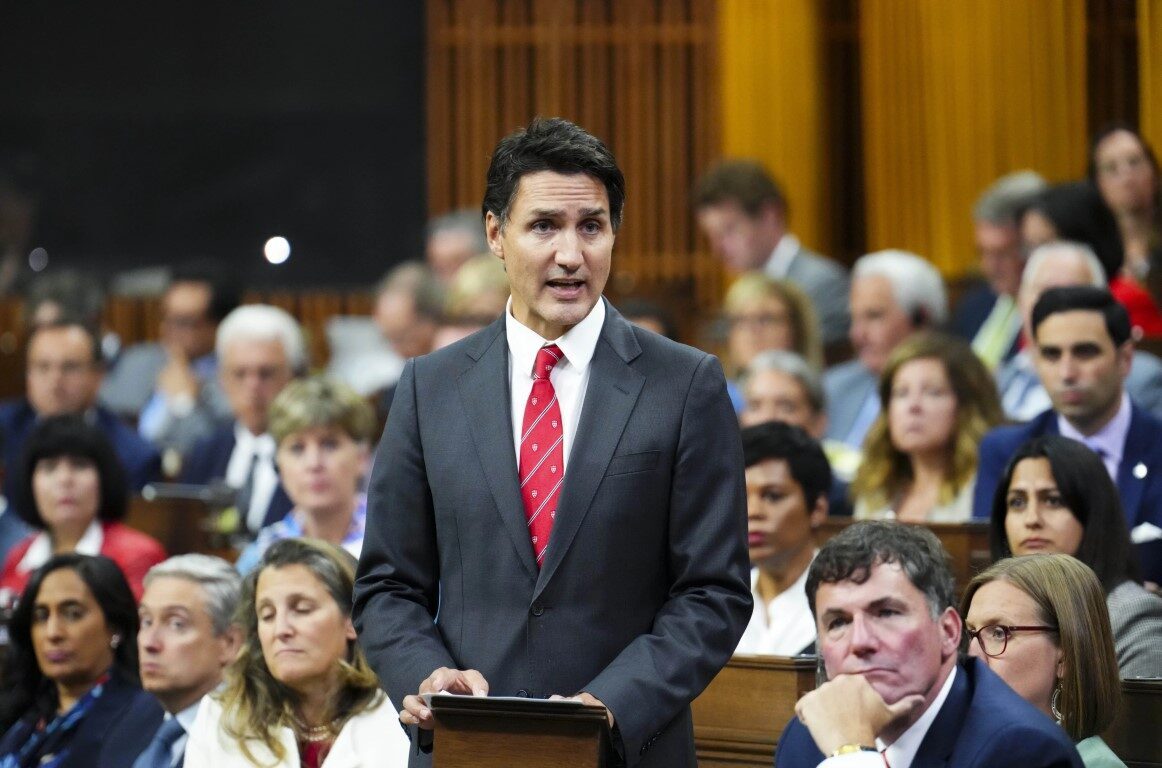
5. The Canadian Press wire service circulated this photo and caption. (This version is taken from The Toronto Star, but it was in many places). Look at the caption on the bottom.
6. It says, Ukrainian President Volodymyr Zelenskyy and Prime Minister Justin Trudeau recognize Yaroslav Hunka, who was in attendance and fought with the First Ukrainian Division in the Second World War before later immigrating to Canada, in the House of Commons on Friday.
7. Can that really be true? Did Justin Trudeau really invite a Nazi SS soldier from the Second World War to Parliament as an honoured guest? Please tell me I've got a fact wrong here.
8. Hunka was introduced to Parliament as a 98-year-old soldier "who fought... against the Russians... a hero."
9. Three months ago, Trudeau went to Ukraine and met with Andriy Melnyk, a Holocaust denier who was fired by Zelenskyy after he said Israel and Poland were lying about Jewish deaths:Link 10. And last year, Chrystia Freeland held up a scarf promoting a far-right Ukrainian Nationalist movement linked to Neo-Nazis commemorating Stefan Bandera, the Nazi criminal. Freeland deleted her social media posts, but not before the photo was saved:Link 11. Before the Russian invasion in 2022, David Pugliese wrote about Trudeau and Freeland working with Nazi groups in Ukraine. Here are two of his stories from November, 2021: Link 12. Those articles were published in the prestigious Ottawa Citizen. Here's an article in the Globe and Mail about Freeland's grandfather, a Nazi propagandist. She tried to keep that a secret for years, and then claimed it was Russian propaganda: Link 13. Trudeau and Freeland routinely call peaceful, domestic political critics "Nazis" and "far right" and "racist". They're not of course -- they just disagree. It's Trudeau and Freeland who really do have a Nazi problem -- and it's coming from inside their house.
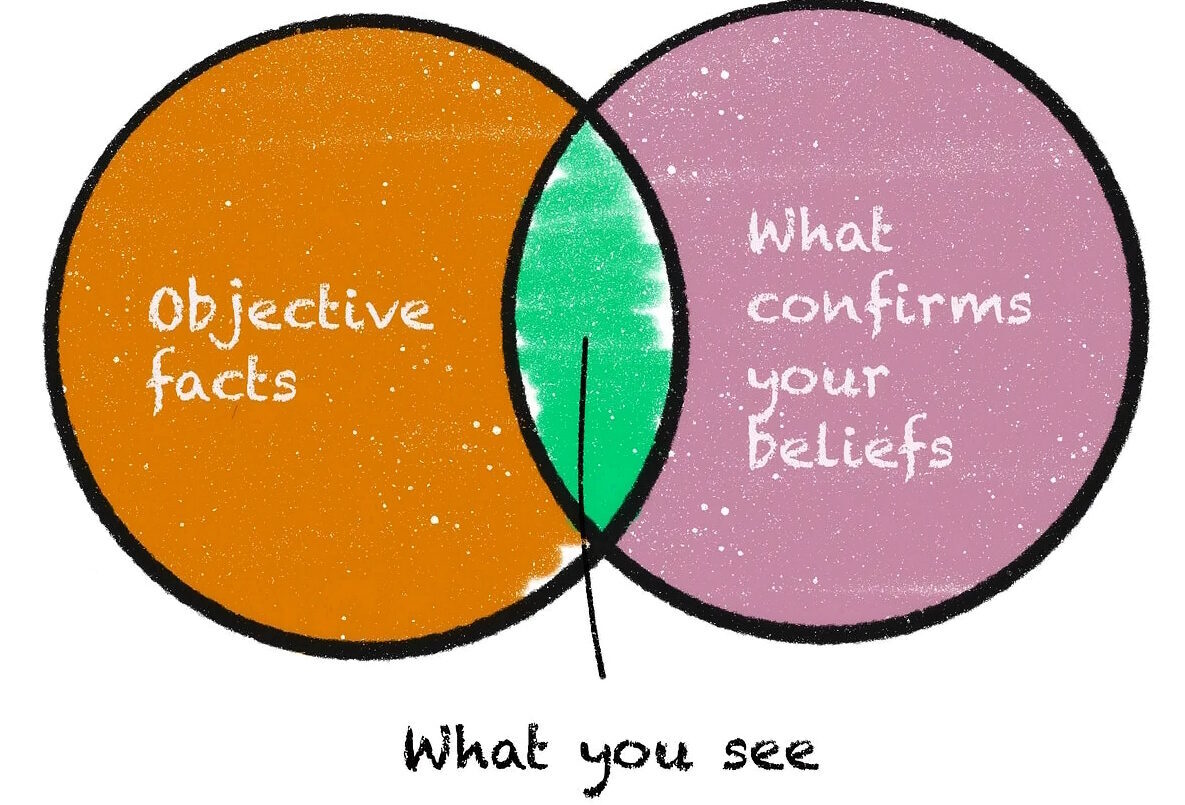
Bringing order to the cognitive biases of the natural worldview
Ponerology is about how human nature goes wrong. As rough categories, Lobaczewski divides humanity into two broad groups: normal (around 90% of the population) and ponerogenic/psychopathological (10%, give or take).1 Of course, the boundaries between the two are fuzzy, the one shading imperceptibly over into the other, until the difference becomes so obvious that we see why we have the categories in the first place.2 This is the realm of the dangerous personality disorders — highly heritable constellations of cognitive-affective-behavioral dysfunction.
But this post will not be on that 10%. Rather it will be on the problems with the 90%: the features of normal humanity that when out of control edge over into psychopathology, and which contribute to ponerogenesis. Lobaczewski lists a few of these problem areas: the "egotism of the natural worldview," conversive/dissociative thinking, and moralizing about psychobiology.3
Mission: Serving the needs of the people of Ontario through effective regulation of medical doctors.
Totalitarian staple adopted by WEF client state. Will lawyers be next?
Today I returned from lecturing on Fifth Generation Warfare in Toronto, Canada. This was my second invited lecture to a group of Toronto "resistance" members, the first being almost exactly one year ago. Excellent talks were provided by Drs. Jill Glasspool-Malone, Mark Trozzi, and Byram Bridle. At the theater I had the opportunity to meet with many old friends and newly found ones, including both Tammy Peterson (Mrs. Jordan Peterson) and various anonymous physicians who I have been in contact with since the very beginning of my journey objecting to the mismanagement and rampant ethical breaches associated with the COVIDcrisis.
Frankly, I was shocked by what I learned from talking with these colleagues.
Many are already aware that the World Economic Forum client state formerly known as "Canada" (managed on behalf of the WEF and it's corporate members by their "young leader" program graduates Justin Trudeau and Christina Freeland, who were placed by the WEF into this position to do its bidding), and specifically the Provence now generally known as the Peoples Republic of Ontario, is now requiring that Dr. Jordon Peterson atone for his thoughtcrimes by participating in a mandated and court-ordered reeducation program.
India expelled a senior Canadian diplomat Tuesday and accused Canada of interfering in its internal affairs, escalating a breach with Ottawa over its allegations of Indian involvement in the killing of a Sikh activist in Canada.
It came a day after Canadian Prime Minister Justin Trudeau said there were credible allegations that India was connected to the assassination of Hardeep Singh Nijjar, a Sikh independence advocate who was gunned down on June 18 outside a Sikh cultural center in Surrey, British Columbia, and Canada expelled a top Indian diplomat. India rejected the allegations as "absurd."
India has fought against a movement to establish an independent Sikh homeland known as Khalistan since the 1980s, when a raid on separatists in a major temple led to the assassination of a prime minister and a wave of anti-Sikh violence.
At least 632 people were killed in Morocco after a powerful earthquake struck late Friday night near Marrakech, according to state-run television.
The death toll has surged from the earlier 296 dead and 153 injured figures that were given by the country's interior ministry. Most deaths were reported from Morocco's hard-to-reach mountainous areas, according to Reuters.
The epicentre of the quake was reported to be at the High Atlas mountains in the Ighil area, about 70km south of Marrakech.
It was said to be about 18km below the Earth's surface by the US Geological Survey (USGS), while Morocco's own National Seismic Monitoring and Alert Network, estimated it to be 11km below. Shallow quakes such as this are said to be more dangerous.
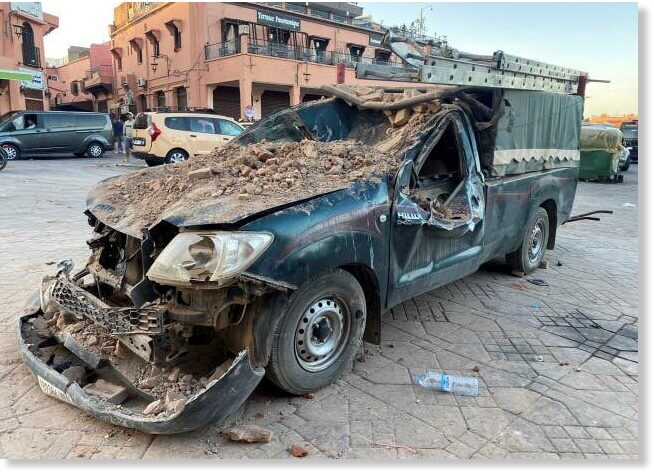
The tremors, measured at a 7.2 magnitude by Morocco's own seismic agency, toppled several buildings across cities and sent people running from their homes late at night.
A strong earthquake of magnitude 6.8 has struck central Morocco, killing at least 1,000 people and causing severe damage in several areas.
Residents rushed into the streets when the quake struck at 23:11 local time on Friday.
"Violent" tremors were felt in several areas of the country from Casablanca to Marrakesh, where many buildings have been destroyed or severely damaged.
Many of the victims are believed to be in hard-to-reach mountain areas.
The epicentre was in the High Atlas Mountains, 71km (44 miles) south-west of Marrakesh.
Many people are still believed to be under the rubble and rescue efforts are under way. Several bodies have already been recovered.
Hospitals in Marrakesh have seen an influx of injured people, and the authorities have called on residents to donate blood.
Morocco's interior ministry said the earthquake killed people in the provinces and municipalities of al-Haouz, Marrakesh, Ouarzazate, Azilal, Chichaoua and Taroudant, adding that more than 1,200 had been injured.
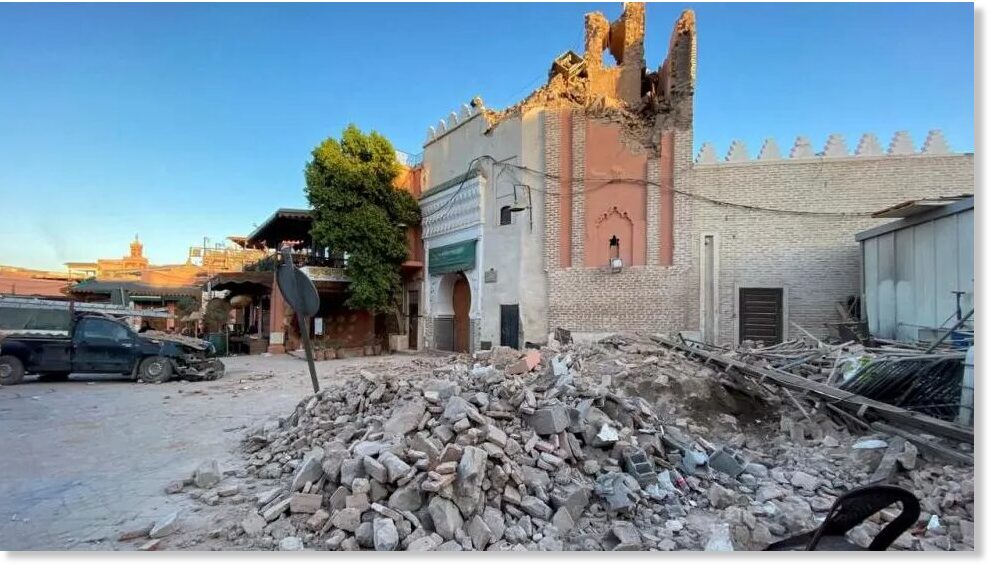
In Marrakesh some buildings have collapsed and the damage is particularly severe in parts of the Medina, a Unesco World Heritage site.
Dust could be seen surrounding the minaret of the historic Kutubiyya mosque, a major tourist attraction near the old city's main square, while the historic Jemaa el Fnaa mosque partly collapsed.
Resident Rashid Ben Arabi rushed to his car in Marrakesh minutes after the earthquake struck the city last night.
He quickly headed with his wife and one-year-old daughter to the town of Amizmiz - about 56km (35 miles) from Marrakesh - to make sure his father and mother were still alive.
He said the roads were full as everyone fled the city amid complete darkness and a power outage.
"As soon as I entered my town, I saw people in a hysterical state, crying and screaming, and everyone was looking for their families," he said.
"I saw a man lying on the ground by the rubble of his house; he could hear the screams of his two children trapped under the destroyed building, but he couldn't do anything to help them; rescue teams hadn't yet arrived at the scene."
Rashid eventually found his parents who were safe and sound but wrapped in blankets and sleeping in the street.
They were among the many people who spent the night out in the open as the Moroccan government had warned everyone not to go back into their homes in case of severe aftershocks.
A 4.9 aftershock was recorder 19 minutes after the earthquake.
The extent of the damage in mountain villages is instead unknown, but it is believed to be widespread.
Over 2,000 people have been confirmed dead in an earthquake in Morocco and the toll is expected to rise as rescuers struggled Saturday to reach hard-hit remote areas.
A rare, powerful quake struck Morocco, sending people racing from their beds into the streets and toppling buildings in mountainous villages and ancient cities not built to withstand such force.
The magnitude 6.8 quake, the biggest to hit the North African country in 120 years, sent people fleeing their homes in terror and disbelief late Friday. One man said dishes and wall hangings began raining down, and people were knocked off their feet. The quake brought down walls made from stone and masonry, covering whole communities with rubble.
The building where Naima Ait Brahim Ouali lived in a third-story apartment with her five children was one of many that were destroyed by the earthquake that killed nearly 3,000 people in Morocco last week.
A house cleaner, she and her daughter fell down the stairs as the quake tore off the building's top floor and laid waste to much of the rest of their neighborhood in the town of Amizmiz, near the epicenter.
Like children in many parts of the world, Ait Brahim Quali's youngest had just started their school year. Now, relocated with the rest of the Sourejdid neighborhood to a tent city in the town center, fear sets in at around 11 p.m. each night — the time the earthquake happened last Friday.
"They saw death," she said of her children, who range in age from 10 to 25. One of her daughters now has nightmares.
The displaced family is one of many in Morocco wondering what their future holds, particularly as autumn approaches and the nights get colder. Though many villagers are being provided with food and water, officials said it could take five or six years to rebuild Atlas Mountain communities like Amizmiz, which is more than an hour's drive from the closest big city, Marrakech.
The death toll from the 6.8 magnitude quake stood at 2,946 on Wednesday, with several thousand injuries. The government doesn't release the number of deaths by community, but in Amizmiz, everyone seems to know at least someone who was killed.
The Daniel cyclonic system made landfall in Libya during the night with sub-tropical characteristics, and near Benghazi. Daniel is part of the depression structure which in recent days has caused historic rainfall in Greece, with accumulations exceeding 800mm, but also involving Turkey and Bulgaria.
There is a weather alert in Libya for the passage of Daniel where the government has ordered the suspension of work activities until Monday. Tripoli was also indirectly involved on Saturday and was flooded by strong storms, up to 48mm in Misurata.
2,000 feared dead in Libya floods caused by Mediterranean storm Daniel, PM says
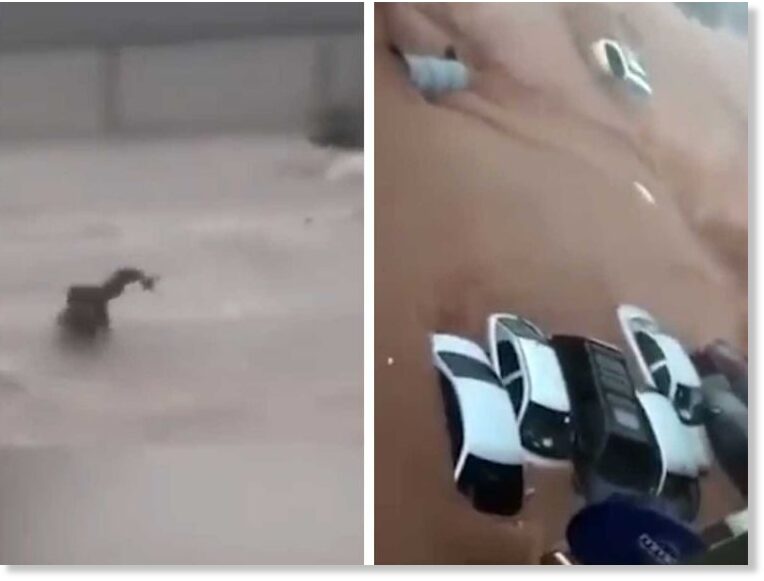
A man being swept away by flood waters and submerged cars in Al Bayda.
The head of one of Libya's rival governments said on Monday that 2,000 people are feared dead in flooding that swept through the eastern parts of the north African nation.
In a phone interview with Al Masar television station Monday, Prime Minister Ossama Hamad said that 2,000 were feared dead in the eastern city of Derna, and thousands of others are reported missing.
He said the floods have swept away entire neighbourhoods in Derna, which has been declared a disaster zone, after the country was hit by Mediterranean storm Daniel.
"This is besides the massive material damage that struck public and private properties," a source told AFP.
The confirmed death toll from the weekend flooding stood at 38, according to health authorities. But the tally did not include Derna, the worst hit city, which had become inaccessible.
Video by Derna residents posted online showed major devastation. Entire residential blocks areas were erased along Wadi Derna, a river that runs down from the mountains through the city centre. Multi-story apartment buildings once well back from the river were partially collapsed into the mud.
Hundreds of residents were still believed to be trapped in difficult-to-reach areas as rescuers, backed by the army, were trying to come to their aid.
East Libyan authorities had "lost contact with nine soldiers during rescue operations", Mohamed Massoud, a spokesman for the Benghazi-based administration in Libya said.
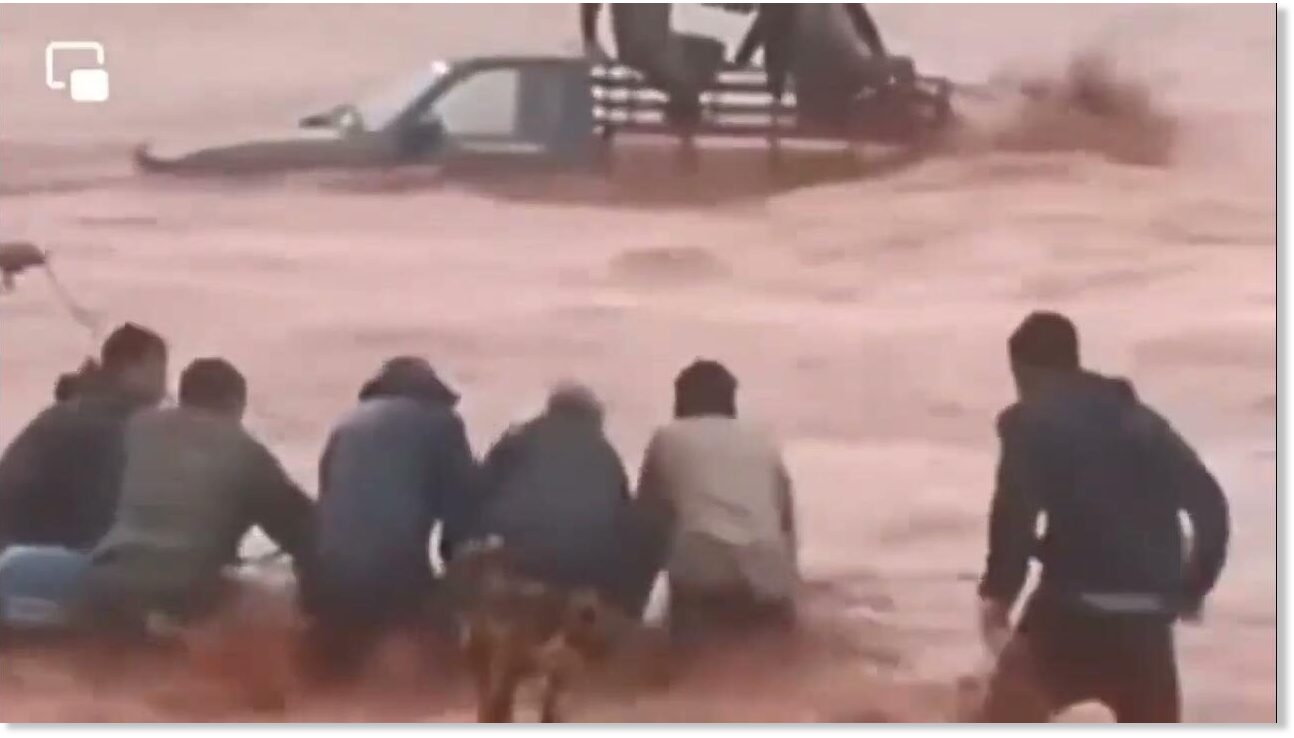
Footage on social media showed people stranded on the roofs of their vehicles while trying get help in heavy floods as Storm Daniel hit the cities of Benghazi, Sousse, Al Bayda, Al Marj and Derna.
"We were asleep, and when we woke up, we found water besieging the house. We are inside and trying to get out," Derna resident Ahmad Mohammad told Reuters by phone on Monday.
Search and rescue operations were ongoing, witnesses said.
Essam Abu Zeriba, the interior minister of the east Libya government, said more than 5,000 people were expected to be missing in Derna. He said many of the victims were swept away towards the Mediterranean.
In a telephone interview on the Saudi-owned satellite news channel Al-Arabiya, he urged local and international agencies to rush to help the city.
State of emergency
Authorities declared a state of extreme emergency, closing schools and stores and imposing a curfew.
Four major oil ports in Libya, Ras Lanuf, Zueitina, Brega and Es Sidra, were closed from Saturday evening for three days, two oil engineers told Reuters.
The prime minister of the interim government in Tripoli, Abdul Hamid Dbeiba, said on Sunday he had directed all state agencies to immediately deal with the damage and floods in eastern cities.
The United Nations in Libya said it was following the storm closely and would "provide urgent relief assistance in support of response efforts at local and national levels".
The Libyan Red Crescent said it lost contact with one of its workers as he attempted to help a stuck family in Bayda.
Dozens of others were reported missing, and authorities fear they could have died in the floods that destroyed homes and other properties in several towns in eastern Libya, according to local media.
More than 5,000 bodies recovered in Libya flood disaster
Death toll expected to rise after Storm Daniel devastates eastern city
More than 5,300 bodies have been recovered from the eastern Libyan city devastated by floods that swept away buildings, roads and bridges, according to a Libyan official.
Hichem Abu Chkiouat, civil aviation minister in the administration that runs eastern Libya, told Reuters the death toll was expected to rise as the "sea is constantly dumping dozens of bodies" in Derna, on Libya's Mediterranean coast.
The city of 100,000 people was the worst hit after Storm Daniel struck the north African country at the weekend. The floods in Derna had been exacerbated by the collapse of two dams, officials said, with torrents of water flowing through the city and destroying entire districts.
Officials in Libya, a dysfunctional state with rival governments in the east and west, have given varying numbers for the death toll as they seek to recover bodies hidden beneath rubble and mud. But thousands of people are believed to have perished. The International Federation of the Red Cross and Red Crescent Societies (IFRC) said on Tuesday that 10,000 people were thought to be missing.
Officials have said rescue workers have struggled to reach parts of Derna because main roads had been washed away and turned into rivers. Electricity and communications within the city were also cut.
Videos and images posted on social media showed huge destruction, with buildings reduced to rubble and vehicles overturned. Corpses in plastic body bags were lined up on the ground.
The International Organization for Migration said on Wednesday that more than 30,000 people had been displaced by the flooding.
Flooding death toll soars to 11,300 in Libya's coastal city of Derna
A further 10,100 people are reported missing in Libya's Mediterranean city after a storm caused devastating flooding.
The death toll in Libya's coastal city of Derna has soared to 11,300 as search efforts continue following a massive flood fed by the breaching of two dams in heavy rains, the Libyan Red Crescent said.
Marie el-Drese, the International Federation of Red Cross and Red Crescent Societies (IFRC) Libya secretary-general, told The Associated Press news agency another 10,100 people are reported missing in the Mediterranean city. Health authorities previously put the death toll in Derna at 5,500. The storm also killed about 170 people elsewhere in the country.
The mayor of Derna, Abdel-Moneim al-Ghaithi, said the tally could climb to 20,000 given the number of neighbourhoods that were washed out.
The flooding swept away entire families in Derna on Sunday night and exposed vulnerabilities in the oil-rich country that has been mired in conflict since a 2011 uprising that toppled long-ruling dictator Muammar Gaddafi.
"Within seconds the water level suddenly rose," recounted one injured survivor who said he was swept away with his mother in the late-night ordeal before they both managed to scramble into an empty building downstream.
"The water was rising with us until we got to the fourth floor," the unidentified man said from his hospital bed, in testimony published by the Benghazi Medical Center.
"We could hear screams. From the window, I saw cars and bodies being carried away by the water. It lasted an hour or an hour and a half - but for us, it felt like a year."
Tariq al-Kharaz, an interior ministry spokesman, put the number of deaths in Derna far lower at more than 3,000.
"The catastrophe is massive and as a result access to many areas is not possible. Many areas suffered total damage. Many dead bodies are still under the debris, others washed away into the sea," al-Kharaz told Al Jazeera.
The storm also killed about 170 people in other parts of eastern Libya, including the towns of Bayda, Susa, Um Razaz and Marj, Health Minister Othman Abduljalil said.
Emergency workers sifting through the mud and rubble are still hopeful of finding survivors, IFRC said on Friday.
"The hope is there, is always there, to find people alive," said Tamer Ramadan, head of the group's rescue effort in the North African country.
Bodies buried as search mission continues
Derna has begun burying its dead, mostly in mass graves, said Abduljalil.
More than 3,000 bodies were buried by Thursday morning while another 2,000 were still being processed. Most of the dead were buried in mass graves outside Derna, while others were transferred to nearby towns and cities.
Abduljalil said rescue teams are still searching wrecked buildings in the city centre, and divers are combing the sea off Derna.
Untold numbers could be buried under drifts of mud and debris, including overturned cars and chunks of concrete that rise up to 4 metres (13 feet) high. Rescuers have struggled to bring in heavy equipment as the floods washed out or blocked roads leading to the area.
"This disaster was violent and brutal," said Yann Fridez, head of the Libya delegation of the International Committee of the Red Cross (ICRC), which had a team in Derna when the floodwaters hit.
"A wave 7 metres [23 feet] high wiped out buildings and washed infrastructure into the sea. Now family members are missing, dead bodies are washing back up on shore, and homes are destroyed."
ICRC is distributing 6,000 body bags to help authorities and the Libyan Red Crescent Society "ensure dignified treatment of the dead".
The World Health Organization and other aid groups on Friday called on authorities in Libya to stop burying flood victims in mass graves.
"We urge authorities in communities touched by tragedy to not rush forward with mass burials or mass cremations," said Dr Kazunobu Kojima, medical officer for biosafety and biosecurity.
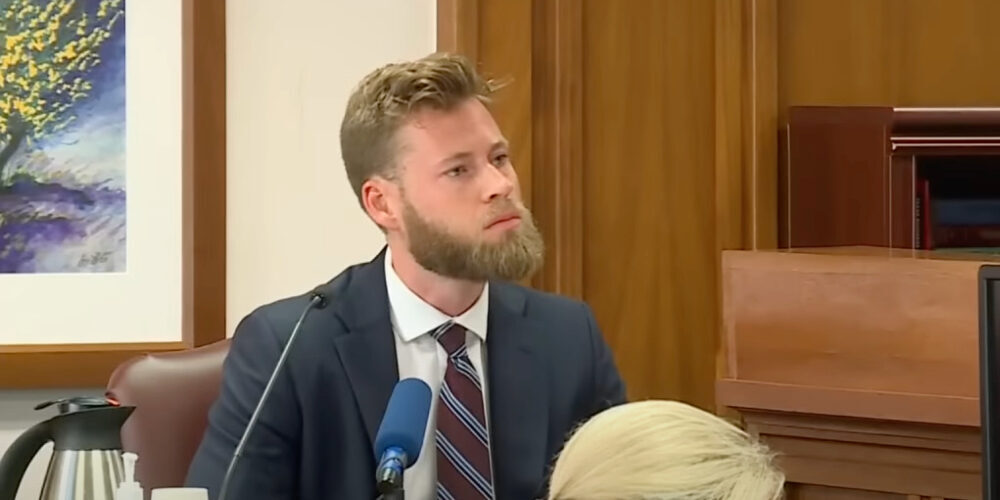
On Tuesday, Infowars host Owen Shroyer was sentenced to 60 days in prison in relation to events of January 6, 2021.
According toNBC News, Shroyer told the court during the hearing, "I was not a part of any larger plan for illegal activity or violence that day."
Shroyer was sentenced by US District Judge Timothy Kelly, who sentenced Proud Boys leader Enrique Tarrio to 22 years in prison, the longest sentence handed down to any of the over 1,000 January 6 defendants.
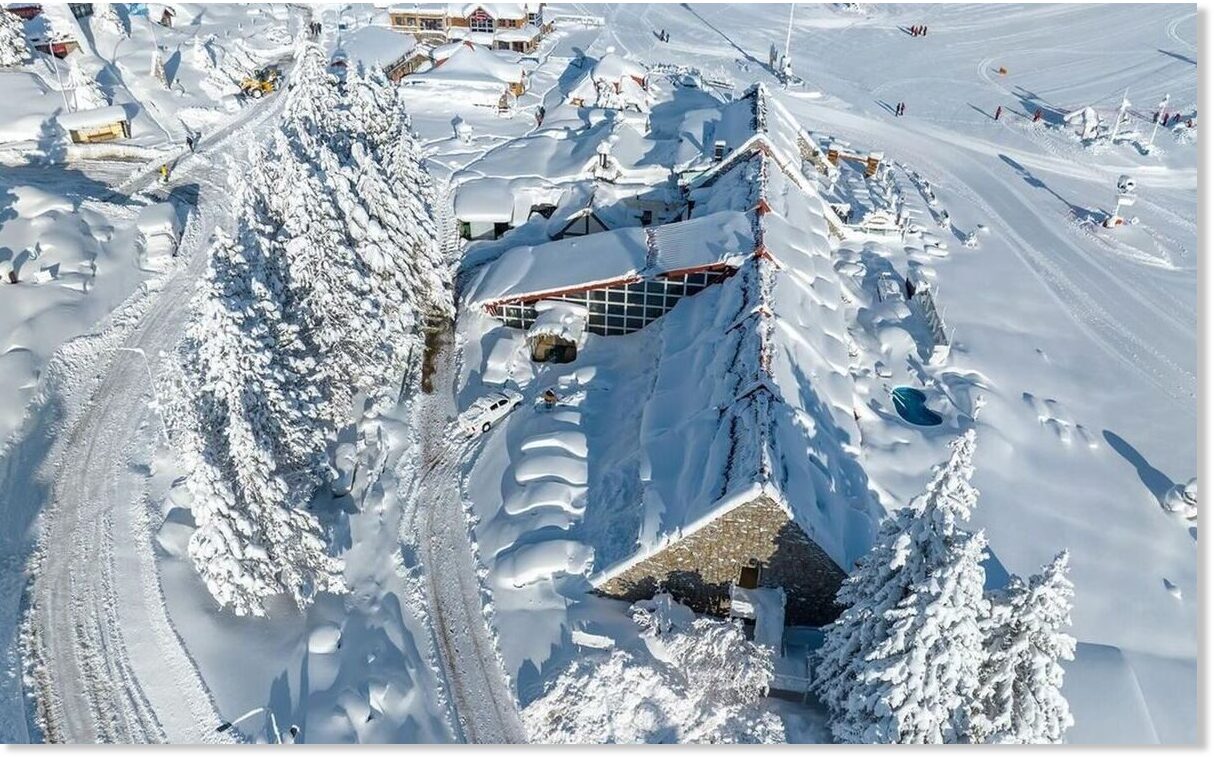
Las Leñas ski resort is buried under tons of snow.
After getting over three feet in 24 hours, the latest storm total at Argentinian ski area Las Leñas has settled at approximately 10 feet of new snow. This is due to an atmospheric river this past week that has slammed the region of the Andes Mountains that Las Leñas is nestled in.
As a result, avalanche danger has reached an extreme level in and around Las Leñas. Two large inbounds avalanches were documented on Monday, occurring within a closed-off area of the resort.
The avalanches shown in the video above are large enough to bury, injure, and kill a person. Thankfully, the area they happened in was closed by ski patrol as a result of the ongoing storm and avalanche activity.
Wednesday, October 4, 2023, at approximately 2:20 PM Eastern Standard Time — you've been warned. Or, rather, you will be. But don't take it personally. Pretty much everyone in the U.S. will receive the same message.
Individuals with phones in range of a cell tower will receive a message to the effect of, "THIS IS A TEST of the National Wireless Emergency Alert System. No action is needed." Meanwhile, phones set to Spanish will receive the same bulletin in users' default language. Television and radio broadcasts will be interrupted for approximately one minute with a message stating, "This is a nationwide test of the Emergency Alert System, issued by the Federal Emergency Management Agency, covering the United States from 14:20 to 14:50 hours ET. This is only a test. No action is required by the public."
Comment: Whilst some countries have had some form of national and regional alert systems in place for a while now, considering the rapidly deteriorating state of Western society, alongside the increasingly totalitarian nature of its governments, and their admitted use of behavioural modification ('nudge') techniques on their populace (such as during the contrived coronavirus crisis), it's particularly suspect that in the space of about a year, a number of nations, including France, the UK, Luxembourg, and now the US, are trialling regional and nationwide alert systems.
Since the technology to issue these alerts has been available for many years now, one wonders why now? Do governments believe there may be unusual occurrences coming in the future where their use might be deemed critical? Furthermore, what nefarious use might the establishment have in mind for them that might enable them to further their agenda on a seemingly easily hystericised populace?
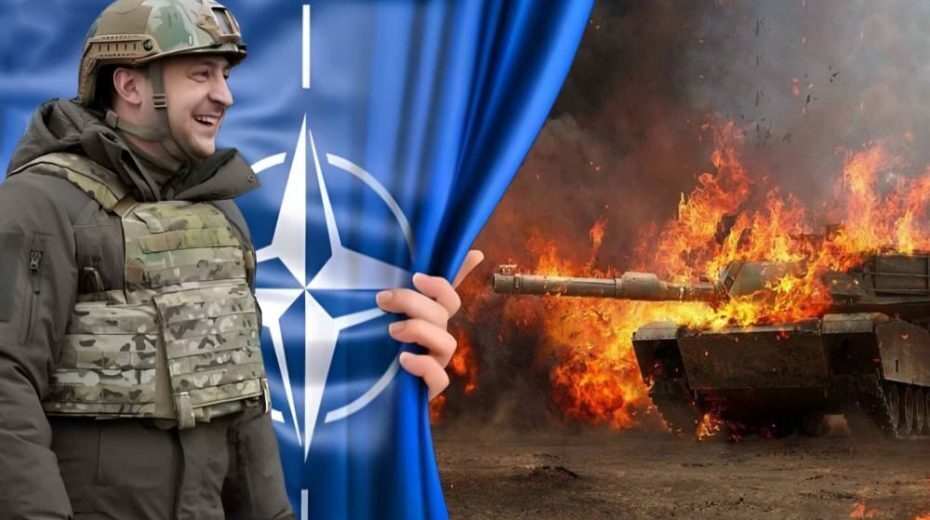
In the case of Ukraine, the U.S., it seems, is tilting towards a more permanent(yet less intense) war. The so-called 'Israeli formula'.
(Lyrics from The Eagles' Hotel California song)
"Welcome to the Hotel California
Such a lovely place ...
They livin' it up at the Hotel California
What a nice surprise
Bring your alibis"
And she said, "We are all just prisoners here
Of our own device"
And in the master's chambers
They gathered for the feast
They stab it with their steely knives
But they just can't kill the beast
... Last thing I remember, I was
Running for the door.
"Relax", said the night man "We are programmed to receive
You can check-out any time you like
But you can never leave!"
Well, the West is running for the door. But leaving the Ukraine consequence is not possible - 'Relax' Team Biden, the night man says; we are programmed only 'to receive'. You can't just 'go'.
Mark Feygin, who daily hosts former Ukrainian Presidential adviser, Oleksiy Arestovich, on his show, sums up a general consensus:
"Biden and his administration want to end the war by the end of 2023. This is their settlement plan. I mean [the end to] the active military phase ... [and] calmly to hold elections, even in January [2024], in February, but to finish it before the U.S. elections, so that Biden would have something to sell, so that he could say: 'we saved Ukraine, Ukraine has been preserved as a state. A sovereign state. It is there. Yes, 18.6% of the territory is occupied, but more might [have been] occupied': That's what Biden needs, it's very simple, there is no 'mysterious casket here'.
This, however, represents but one of two 'camps' in the U.S.: the first proposes to freeze the conflict in place, and shout 'Mission Accomplished'; and the second, to fight on, until Russia cracks, and flees the battle space.












Comment: Nazism is widespread in Ukraine and is openly applauded by the West, which considers that Ukraine is defending European values. That of course poses the question, which values we are talking about, which the leadership in the West appears so enamored with?
See also:
- Ex-Ukrainian president pictured wearing Nazi symbol
- Zelensky holds court with Ukraine's most notorious neo-Nazi
- Israel (finally) speaks out on Ukraine lionizing Nazi collaborators
- Journalists are asking Ukrainian soldiers to hide their Nazi patches, NYT admits
- Nazi Germany's defeat... but a pause for fascism as NATO's proxy war in Ukraine demonstrates
- West created 'Nazi paradise' in Ukraine to fight Russians - Dugan
Canada, where many Ukrainians fighting for the nazis found refuge after WW2 is very open about their support and this current display is no anomaly but rather fits a pattern.- Canada Has a Nazi Monument Problem
- Canada and the neo-nazi Banderites
- Nazi hunter Efraim Zuroff scolds Canada over support for Ukraine
- Canada has a monumental Ukrainian Nazi problem
- Canada's got a Nazi problem
- Owner behind neo-Nazi website flees to Canada to avoid FBI warrant
Ezra Levant has more regarding this issue in his Twitter thread (click on post to unpack it):For those who don't have Xi (Twitter) here is the rest of the thread Some videos are only displayed in the thread):
2. The Nazis were in Hitler's 14th Waffen SS Division Galicia. According to military historian/journalist David Pugliese, they were able to sneak into Canada by changing their name and hiding their past.
3. Here's what Pugliese wrote in the military journal, Esprite de Corps: In an attempt to hide the SS connection, the unit had changed its name in the last few days of the war to the First Division Ukrainian National Army. Link
4. That was nearly 80 years ago, so most of those Nazis have since died. But one of them is apparently still alive -- Yaroslav Hunka. And if I'm reading the news correctly, Trudeau invited him as an honoured guest today, to Zelenskyy's visit to Canada's Parliament.
5. The Canadian Press wire service circulated this photo and caption. (This version is taken from The Toronto Star, but it was in many places). Look at the caption on the bottom.
6. It says, Ukrainian President Volodymyr Zelenskyy and Prime Minister Justin Trudeau recognize Yaroslav Hunka, who was in attendance and fought with the First Ukrainian Division in the Second World War before later immigrating to Canada, in the House of Commons on Friday.
7. Can that really be true? Did Justin Trudeau really invite a Nazi SS soldier from the Second World War to Parliament as an honoured guest? Please tell me I've got a fact wrong here.
8. Hunka was introduced to Parliament as a 98-year-old soldier "who fought... against the Russians... a hero."
9. Three months ago, Trudeau went to Ukraine and met with Andriy Melnyk, a Holocaust denier who was fired by Zelenskyy after he said Israel and Poland were lying about Jewish deaths:Link
10. And last year, Chrystia Freeland held up a scarf promoting a far-right Ukrainian Nationalist movement linked to Neo-Nazis commemorating Stefan Bandera, the Nazi criminal. Freeland deleted her social media posts, but not before the photo was saved:Link
11. Before the Russian invasion in 2022, David Pugliese wrote about Trudeau and Freeland working with Nazi groups in Ukraine. Here are two of his stories from November, 2021: Link
12. Those articles were published in the prestigious Ottawa Citizen. Here's an article in the Globe and Mail about Freeland's grandfather, a Nazi propagandist. She tried to keep that a secret for years, and then claimed it was Russian propaganda: Link
13. Trudeau and Freeland routinely call peaceful, domestic political critics "Nazis" and "far right" and "racist". They're not of course -- they just disagree. It's Trudeau and Freeland who really do have a Nazi problem -- and it's coming from inside their house.