Animals
S


Mr. Potato

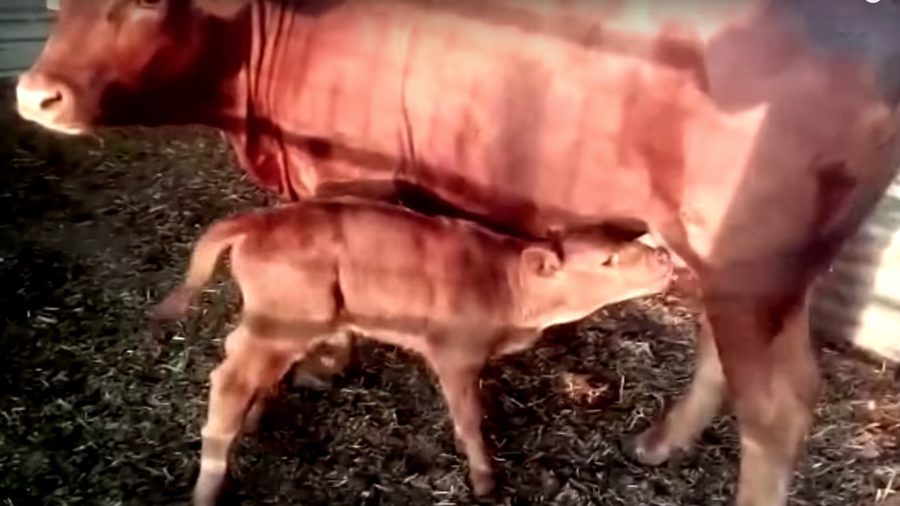
'End of days' signaled by birth of red heifer in Israel (thanks to fanatical breeding program) say Hebrew scholars

red heffer israel
© The Temple InstituteIf proven to be the true, unblemished red heifer of prophecy it could signal the end of days
Rabbinical scholars are treating the birth of an entirely red heifer in Israel as a potential omen for the rebuilding of the Third Temple. Evangelical Christians, citing Biblical prophecy, believe it means the end of days is nigh.

If proven to be the cow of prophecy, the young calf will be the first true red heifer born in 2,000 years, an event that is meant to foreshadow the construction of the Third Temple in Jerusalem, heralding the arrival of the Jewish Messiah. Evangelical Christian theologians also believe the construction of the Third Temple will lead to Judgement Day.

The Temple Institute announced the birth via YouTube adding that the auspicious calf "brings the promise of reinstating Biblical purity to the world." The Institute claims to be "dedicated to every aspect of the Holy Temple of Jerusalem, and the central role it fulfilled, and will once again fulfill, in the spiritual well-being of both Israel and all the nations of the world."


Comment: Considering how much of organized religion has been proven to be a distorted version of events that occurred in the past, we can safely assume that no Jewish Messiah will be paying us a visit anytime soon: Judaism and Christianity - Two Thousand Years of Lies - 60 Years of State Terrorism

Comment: Although it is true that ancient cultures recognized unusual events in the animal world as portents - and their superstitions may have some basis in reality - there are actually many, many more significant - and real - signs that our world is entering a time of great change: For more, check out SOTTs' monthly documentary: SOTT Earth Changes Summary - July 2018: Extreme Weather, Planetary Upheaval, Meteor Fireballs

And for more on the story of the bible, check out SOTT radio's:


Attention

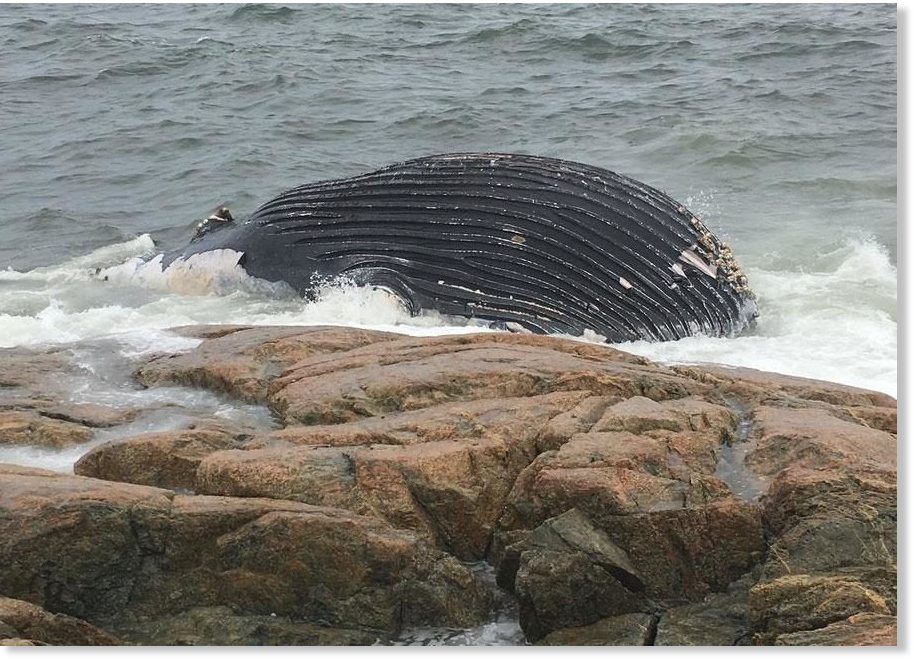
Dead humpback whale calf washes ashore in Cohasset, Massachusetts

whale
© COHASSET POLICE DEPARTMENT
A dead humpback whale calf washed ashore in Cohasset Sunday morning, officials said.

Police responded to the area of 399 Atlantic Ave. at around 11 a.m. and notified New England Aquarium officials, Cohasset police said in a tweet.

Attention

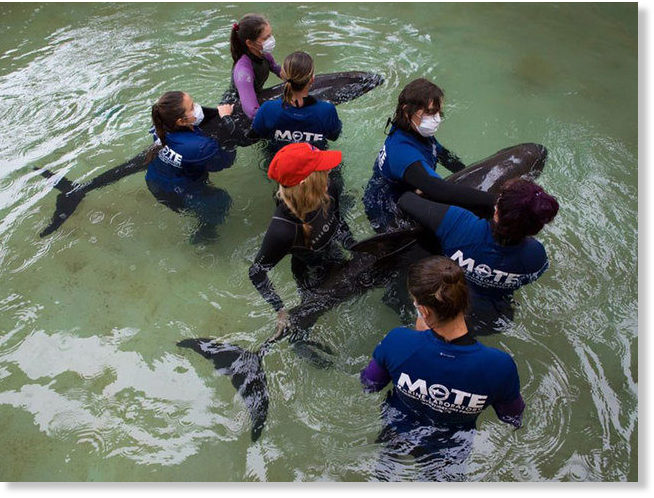
All three whales rescued in Clearwater, Florida after being beached have died

Stranded
© Conor Goulding/Mote Marine Laboratory
Mote Marine Laboratory & Aquarium announced that all three whales they rescued after being beached have died.

According to Mote's Facebook page, after rescuing two pygmy killer whales off Sandy Key in Clearwater on August 29, they rescued a melon-headed whale on September 4 that was found beached alive on Longboat Key.

"Lightning," one of the two pygmy killer whales, passed away around 9 a.m. on September 5.

Mote said while Lightning's specific cause of death is unknown she repeatedly struggled to swim on her own, showed no interest in food, and was being treated for pneumonia, parasites known as nasotrema, and gastric issues. She was the sickest of the three whales.

Attention

Dead humpback whale, Peajack, found off the coast of Brier Island, Nova Scotia

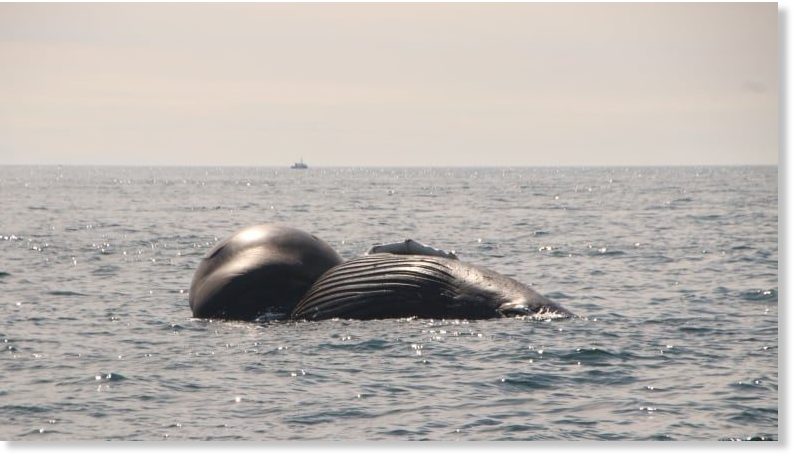
Peajack, a female humpback whale, was found dead off the coast of Brier Island, N.S., on Friday. The Marine Animal Response society said the ballooning in is the tongue of the animal, which becomes swollen in the decomposition process.
© Brier Island Whale/Seabird CruisesPeajack, a female humpback whale, was found dead off the coast of Brier Island, N.S., on Friday. The Marine Animal Response society said the ballooning in is the tongue of the animal, which becomes swollen in the decomposition process.
A dead humpback whale was found off the coast of Brier Island, N.S., in the Bay of Fundy on Friday.

The breeding female whale, Peajack, was well-known to locals and was identified by Brier Island Whale and Seabird Cruises, said the Marine Animal Response Society.

MARS did not confirm the cause of the whale's death.

The chief naturalist with the whale cruise company, Shelley Lonergan, said she has been seeing Peajack in the area since 1995.

Peajack had had two calves since then, Lonergan said.

Attention

Deaths of 40 whales in a month on west coast of Scotland prompts inquiry

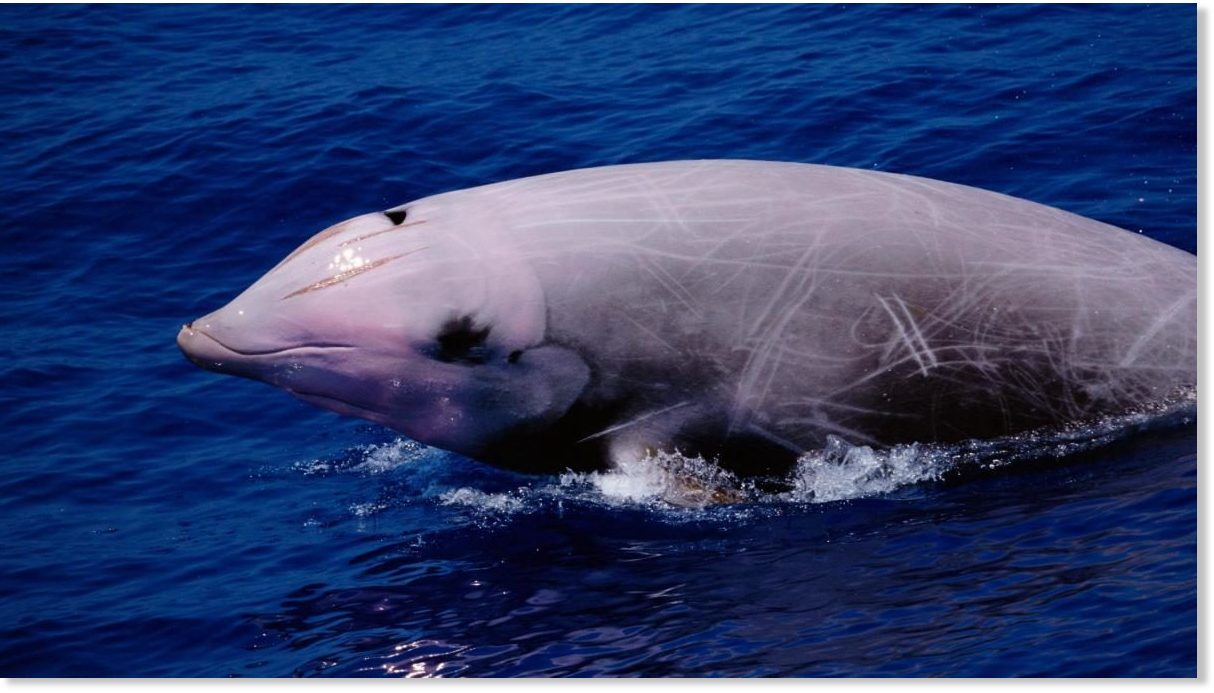
In total 60 Cuvier’s beaked whales washed up in Scotland and Ireland
© GettyIn total 60 Cuvier’s beaked whales washed up in Scotland and Ireland
Forty whales of the same species have washed up dead on the west coast of Scotland in a month.

Another Cuvier's beaked whale was discovered beached at Baleshare on North Uist on Thursday. Since August 9, dozens have been found throughout the Outer Hebrides and at Islay, Skye, Tiree, Mull and Ulva. Eleven of them were washed up in one week.

A total of 60 were washed up including one in Northern Ireland and 19 in the Republic. In Scotland 22 were found beached in the Western Isles, 16 in Argyll and Bute and two in the Highlands.

Grey Alien

Photos show unexplained cattle mutilation in Australia - Dead cows found in paddock with udders, ears and tongues removed

cattle mutilation
A north Queensland couple has been left baffled by a bizarre finding on their property, which seems like something straight from a horror film.

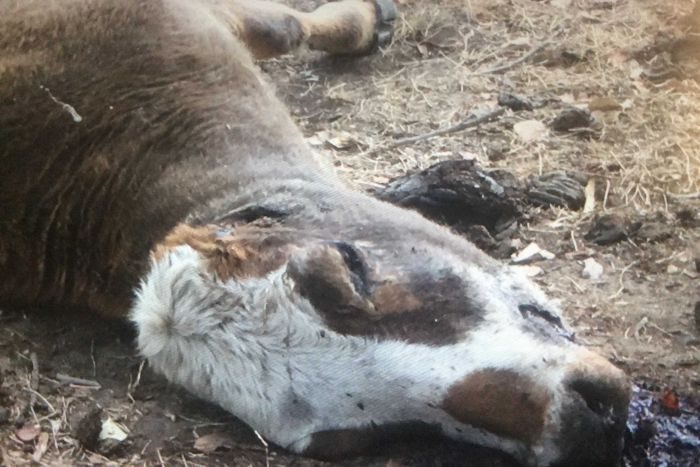
Graziers Mick and Judy Cook were working on their property in Cloverly, north-west of Mackay, when Mr Cook noticed a dead cow carcass which appeared to have had its body mutilated, with its entire udder, ears and tongue removed.

Warning: This story contains images and content that some readers may find disturbing.

"It was like it had been surgically removed, I certainly couldn't do as neat a job with a very sharp knife, and it definitely wasn't an animal," Mr Cook said.

"I thought at first it might have been poisoned, but then I got closer ... I saw the body parts missing, there was no blood, even where the parts had been removed, no sign of struggle, just dead.

Comment: There's also the unexplained cases of 1,600 people who went missing from public lands without a trace: And for a possible explanation on the animal mutilation phenomena, see: Global animal mutilations still defies explanation

See also: And check out SOTT radio's: SOTT Podcast: Channeling and Alien Abduction


Doberman

Woman dies of heart attack while being mauled by pit bull terrier in Proctor, Missouri

PIT BULL ATTACK


Authorities later killed the animal

A woman died of a heart attack Saturday in Morgan County after being attacked by a dog.

Sheriff Norman Dills said the death happened in the Proctor area when a 61-year-old woman was attacked by a dog she was caring for and suffered the fatal heart attack. The dog attacked a man who came to check on the 61-year-old woman and he had to be taken to a hospital to have surgery for the wounds, Dills said.

He had been released from the hospital by Wednesday, Dillon said.

The incident took place inside a home and the dog, a pit bull that was acting aggressively when first responders arrived, was killed by authorities, Dills said.

Doberman

'They've never been this hungry': Farmers warned of wild animal attacks as feral pigs and wild dogs starve during record drought in Australia

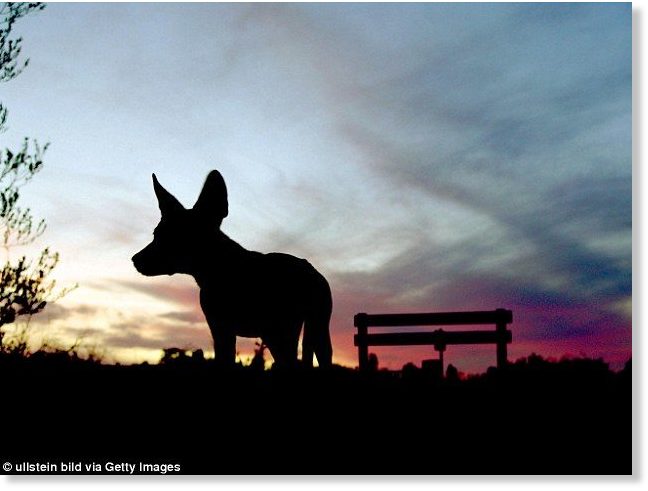
Farmers have been warned they could suffer attack from feral pigs, wild boars, foxes and dingoes that are desperate for food because of the drought
Farmers have been warned their livestock is being attacked by feral pigs, wild boars, foxes and dingoes as the wild animals are starved by the drought.

Central Tablelands Local Land Services (CTLLS) in is offering services for farmers in and around the NSW towns of Oberon, Mudgee and Cowra to tackle the predators as spring begins.

Senior biosecurity officer Alistair Gordon-Smith said it's important that farmers start planning their bait before the mating season kicks off.

'It's been a dry, hard winter and feral pigs and wild dogs are looking for food for spring litters of piglets and pups,' he said.

'Newborn calves and lambs are extremely vulnerable to pest predators, so it's timely for landholders to start planning their baiting regime now.'

Charges for the service have also been dropped to assist all farmers with accessing bait-handling certification.

Doberman

Woman mauled to death by pit bull she adopted 2 weeks prior in Columbia, Maryland

PIT BULL ATTACK
A woman was mauled to death by a pit bull in Maryland just two weeks after she adopted the dog, according to officials.

Howard County police said they were called to a home on Tamar Drive in Columbia at about 7:20 p.m. on Monday.

When officers arrived at the scene, they said 64-year-old Robin Conway was found dead in her backyard. Authorities said Conway was mauled by a pit bull she had just adopted two weeks prior.

"My sister was an animal person. My sister was a caring person. When we went to make service arrangements, the person said, 'wow, she had hundreds, and hundreds, and hundreds of friends,'" Conway's sister Susan LeClair told FOX 5. "Robin gave her time and gave herself to the animals. She was wonderful."


Info

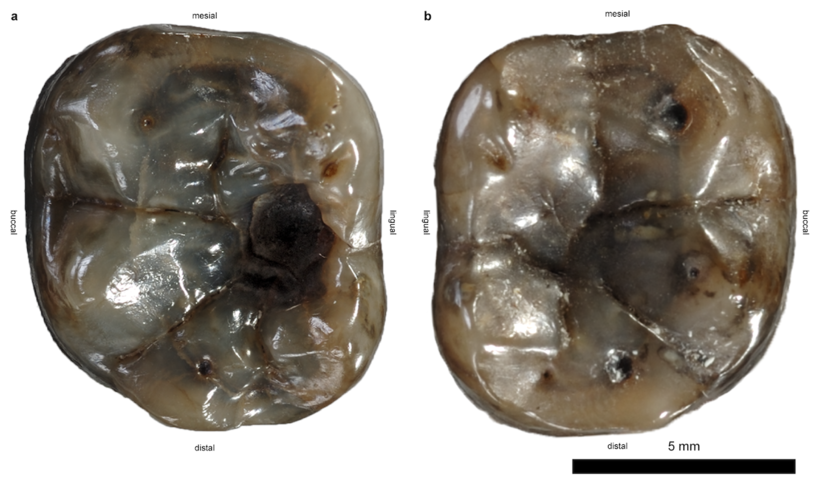
Found: The earliest hominid with a cavity

Tooth with Cavity
© Fuss J/PLoS ONE
Austria of 12.5 million years ago seems to have been a very hospitable home for Dryopithecus carinthiacus. The forested landscape treated the now extinct ape, which measured roughly four feet in length and resembled a mix between a monkey and a chimpanzee, to a veritable feast of fruits. For nine to ten months out of the year, Dryopithecus could gorge on early forms of plums, cherries, grapes, mulberries, strawberries, and various citrus fruits. But eating all of those sugar-rich fruits may have come with a downside of which modern humans are quite aware: tooth decay.

In new study published in PLoS ONE, German researchers Jochen Fuss, Gregor Uhlig, and Madelaine Böhme revealed the earliest known cavity in hominids, a group which includes modern humans, human ancestors, and many apes. A 12.5 million-year-old Dryopithecus dubbed LMK-Pal 5508 found near St. Stefan, Austria had deep lesions in its left molars that likely required several years to form (see picture at top). Moreover, signs of wear observed on the right tooth row indicated that the individual likely experienced a painful toothache, the researchers speculated.

While cavities are well known to modern humans, they are quite rare in our ape relatives. Cavities occur in just 1.38% of the permanent teeth of wild chimpanzees, the researchers reported. According to the National Institute of Dental and Craniofacial Research, 92% of American adults aged 20-64 have had a cavity.