Extreme Temperatures
S


Attention

Multiple all-time low temperature records set across Germany - Rare July frosts ravage Saxony

frost
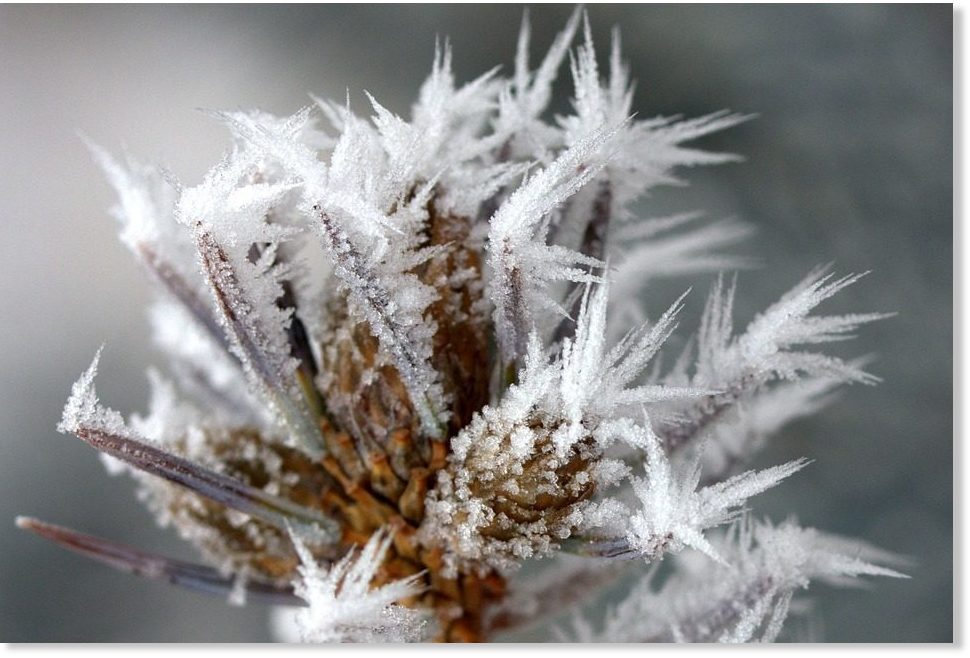
On the back of the well documented 3-days of heat last week, Germany is now setting multiple new record low temperatures as the anticipated and long-lasting Arctic front begins to take hold.

The mercury in Rotenburg, Lower Saxony plunged to 2.9C (37.2F) on Thursday morning — low enough to break the town's all-time record cold temperature for the month of July which had stood since 1946, according to wetter.com.

The new record low temperature comes just days after Germany logged an all-time record high — serving as further evidence of the swings-between-extremes brought on by low solar activity and the associated weakening of the jet stream.

Sun

Baked Alaska: Anchorage breaks all-time temperature record amid heatwave

wildfires
It's not only Western Europe that has been experiencing a record-breaking heatwave.

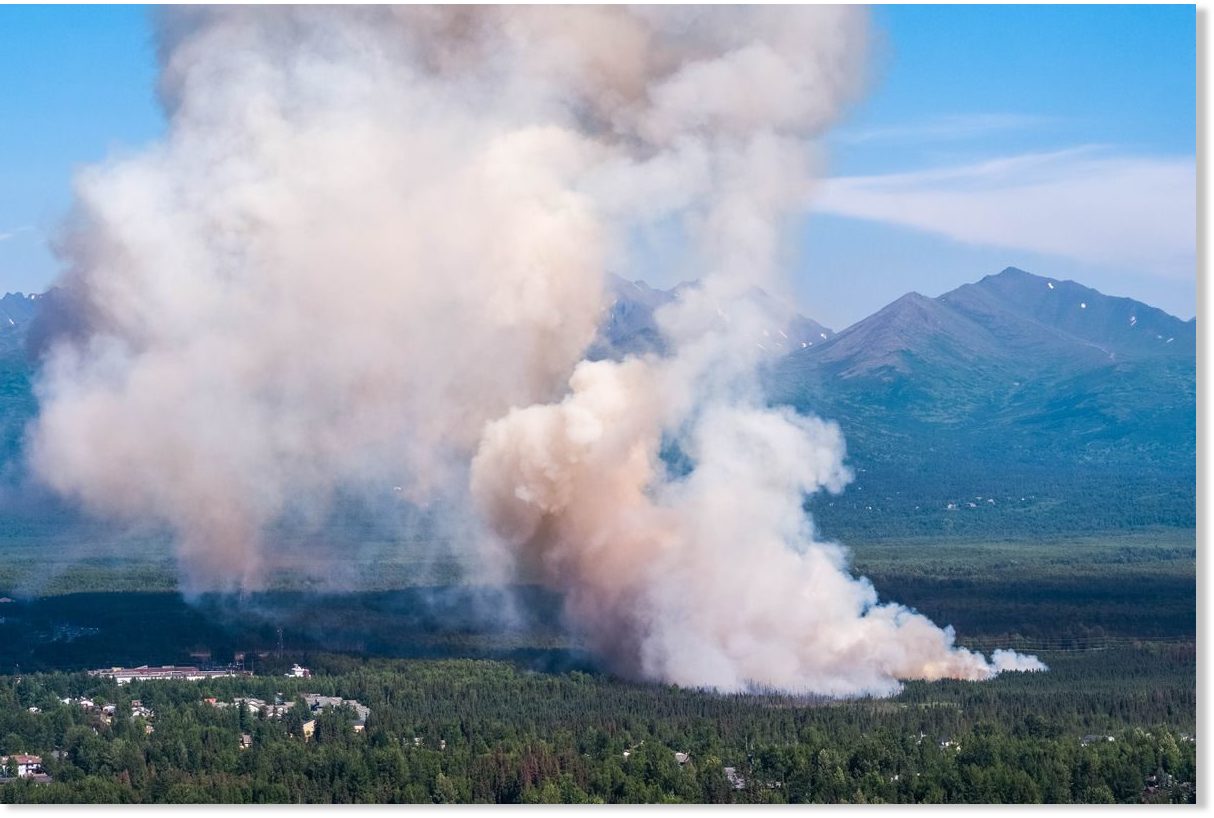
Whilst we normally think of Alaska as largely freezing and snow-covered, the US's northernmost state is forecast to bake in temperatures reaching 30.5 degrees Celsius (87 degrees Fahrenheit) or higher over the next five days, stretching from July 4 through July 8, according to the National Weather Service.

Its largest city, Anchorage, broke its all-time temperature record on Friday, reaching 31 degrees Celsius (89 degrees Fahrenheit) at the city's airport.

The previous record was also set in the airport on June 14, 1969, and reached a temperature of 29.4 degrees Celsius (84.9 degrees Fahrenheit).

Comment: More record-breaking heat and wildfire smoke forecast for Alaska


Snowflake Cold

Temperatures sink to -6C in Southern Norway at the height of summer

Sognefjellet, Norway July 3, 2019
Freezing Norwegians and tourists on summer holiday in the country can finally look forward to some warmer weather. State meteologists are forecasting lots of sun next week, and higher temperatures.

Complaints have continued to pour in, as cold rain has fallen over much of Norway in recent days. Temperatures sank to minus-6C in the mountains of Southern Norway on Wednesday and there's been quite a bit of unusual summer snow at high elevations.


Comment: New all-time July cold record in the Netherlands


Info

Adapt 2030 Ice Age Report: Media begins to explain Earth's changing atmosphere

Huge hailstorm hits Guadalajara, Mexico
© AFP
Science media now showing changes in Earth's atmosphere are connected and cyclical, especially that more and more reports out are focused on extreme floods. This is the drip feed to tell you that the intensification of the Grand Solar Minimum will continue. Rare tornadoes in three parts of the world in the same week, five foot hail in Mexico, massive floods in Mali desert west Africa and flood maps being changes in cities across the planet to look at the once in a 500 year flood for insurers.

The Climate Revolution is a 'Must Read' for understanding our Sun driven climate as we progress deeper into the new Eddy Grand Solar Minimum. Weather extremes leading to Global food scarcity and high food prices are here now, and this book describes the expected changes, how to survive & thrive during future challenging times with practical preparations.


Comment: Related articles:


Snowflake Cold

New all-time July cold record in the Netherlands

frost
Summer seems to have temporarily fled the Netherlands. Where last week saw record high temperatures, residents of Eastern Netherlands woke up to a frost covered landscape on Thursday. At the former air base in Twente, a minimum of -1.6 degrees Celsius was measured - a record low for July, according to Weerplaza.

This is only the seventh time since Dutch meteorologists started taking temperature measurements at a height of 10 centimeters in 1971 that there has been frost in the Netherlands in July. The last two times were on 9 and 10 July 2015, and before that on July 1st, 1984.

Snowflake

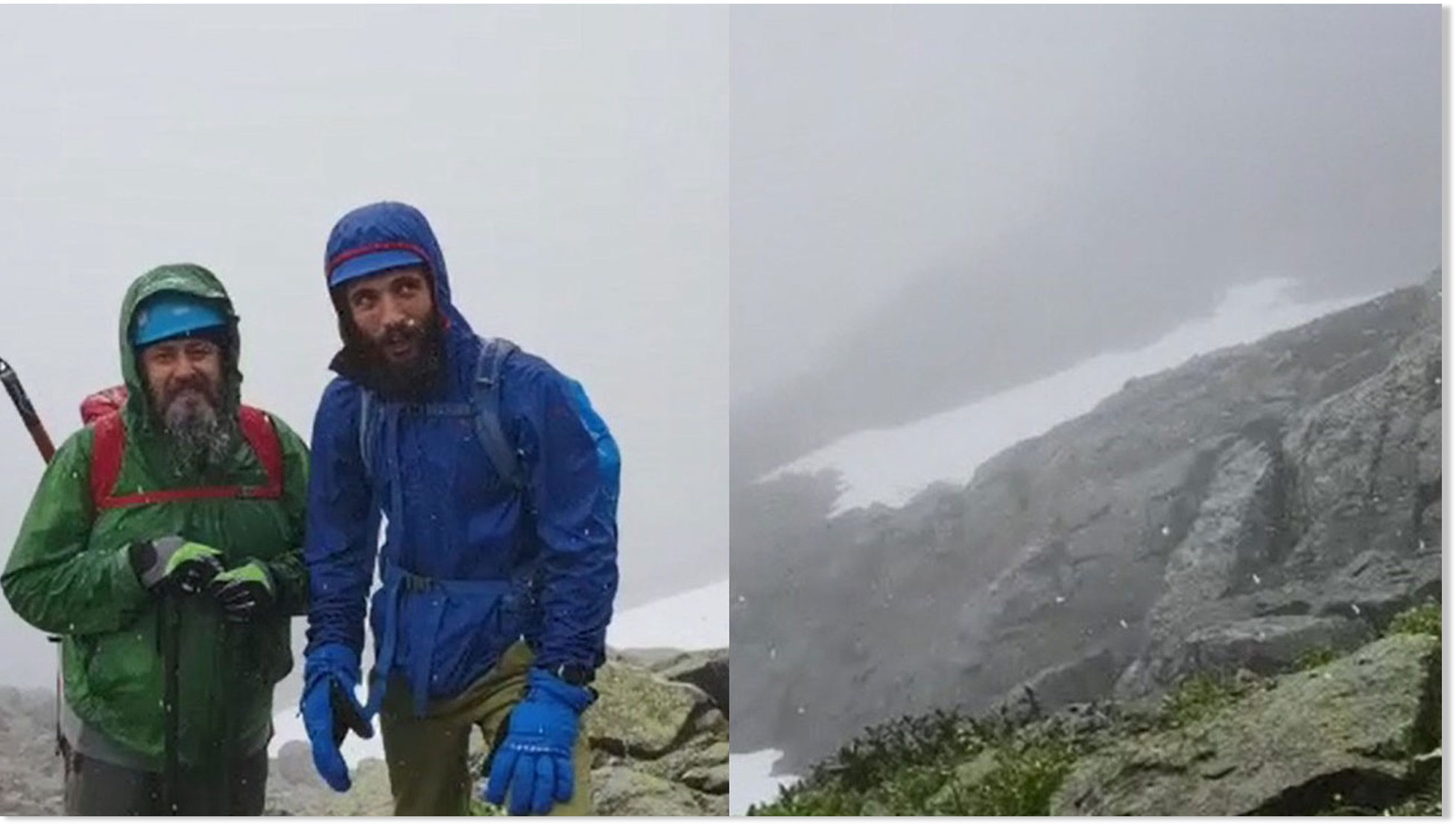
Snowing in high altitudes of Black Sea province of Rize, Turkey

snow turkey
Heavy snowfall on the Kaçkar Mountains in Çamlıhemşin district on the last day of June surprised everyone.

Forty climbers set out at 06.00 am to climb to the summit and had to return to Avusor Plateau.

Ercan Kesti, who returned from the group due to heavy snowfall, said, "We tried to climb Kaçkarlar but there is an incredible snowfall.


Apple Red

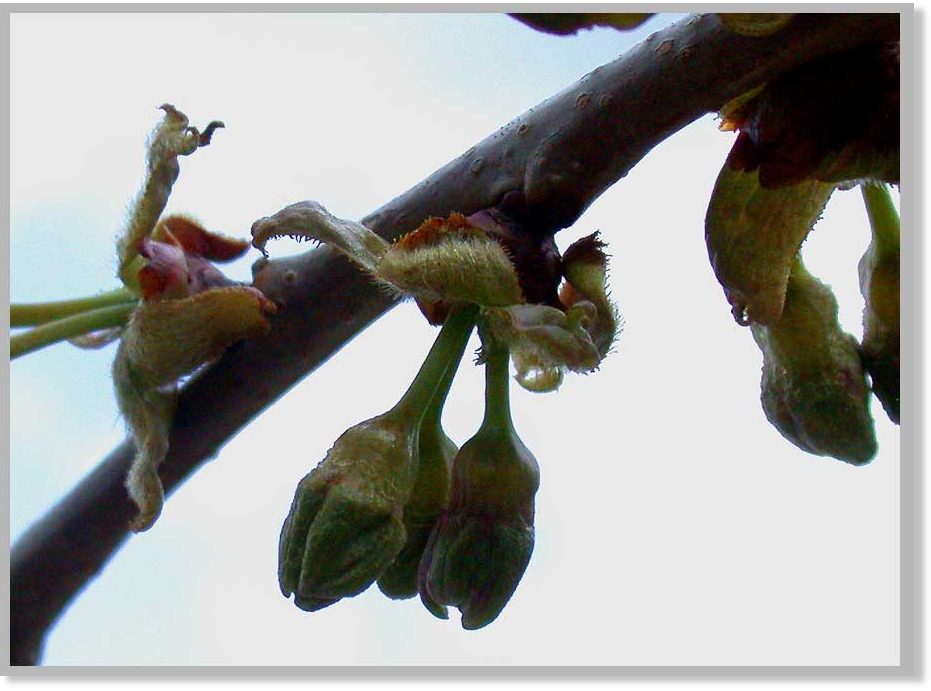
Cherry harvest in Spanish Calderechas Valley severely hit by April frosts - up to 90% lost

frost damage
The cherry production in the Calderechas Valley has been reduced as a result of the severe frosts of the month of April. "The losses in some places amount to around 90% of the production. In a normal year, around 200,000 kilos are harvested, but this year, the total figure will barely exceed the 60,000 kilos," said Eduardo Hernando, technical director of the Calderechas Valley Guarantee Mark.

Despite the lower volume, the price is not expected to increase. The region's lower areas have been the most hit by the frosts of the past few months, and in the high areas, the producers will be able to pick cherries until mid-August.

The heat of recent days hasn't been too much of a concern for the entrepreneurs, as the high temperatures haven't taken a toll on the harvest and the quality of the cherries hasn't been affected.

Source: burgosconecta.es

Snowflake

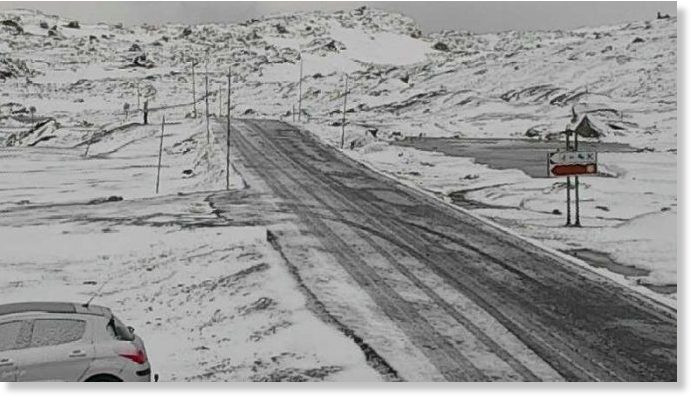
Norway mountain passes closed due to snow and cold - In July

The mountain passes over Sognefjellet
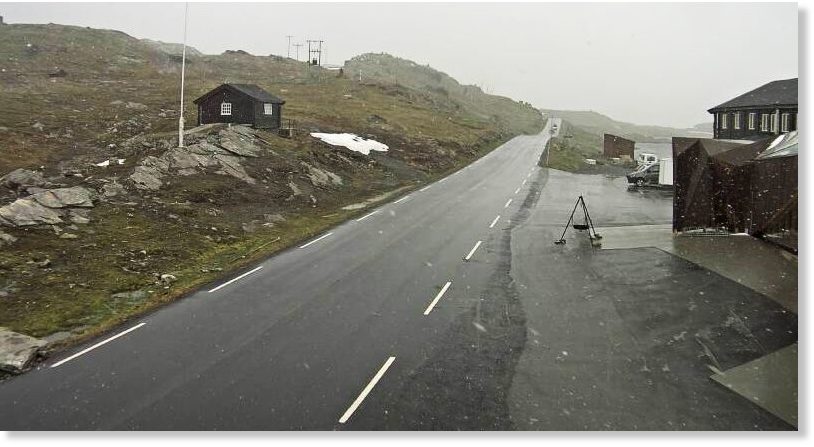
© Statens vegvesen webcam / NTB scanpixThe mountain passes over Sognefjellet and Strynefjellet are closed from Tuesday evening to Wednesday morning due to cold. The picture is from Sognefjellshytta in light snow weather in the afternoon of July 2.
Snow and cold cause problems in Northwest Norway.

2 July 2019 - The mountain passes over Sognefjellet and Strynefjellet are closed until Wednesday due to snow and cold.

We do not want tourists with a motorhome to remain up there late at night, says traffic operator Morten Hansen in the Road Traffic Center to Bergens Tidende. Hansen adds that the roads are not salted in July.

Old Strynefjellsvegen in Oppland, county road 258, is closed due to difficult driving conditions.

County Road 55 over Sognefjellet will be closed Tuesday night, but the Norwegian Public Roads Administration warns that the road can be closed at short notice if necessary.

Sun

Fruit burned by extreme heat in Spanish region of Aragon

More than half of Caspe's queen plum crops have been scorched by heat.
© HeraldoMore than half of Caspe's queen plum crops have been scorched by heat.
Fruit crops in the Spanish region of Aragon, mainly plums, apples, apricots and pears, have been devastated by the high temperatures recorded in eastern Aragon in recent days.

In the area of ​​Caspe, more than half of the Reina plum production has burned just a week after the harvest started, so up to one million kilos are estimated to have been lost. Farther north, in Fraga, the main crops affected have been pears, apples and apricots. The heat has even made it necessary for the schedule of seasonal workers to be changed, getting them to work several hours earlier in order to avoid the higher temperatures of the afternoon.

The secretary general of Asaja Aragón, Ángel Samper, is asking for more protection from the central government in these extreme cases, as well as the regulation of sales without fixed prices.

Sun

French vineyards 'burned' in intense heatwave damage

The grapes on the vine look as though they have been
© Jérôme DespeyThe grapes on the vine look as though they have been "burned with a blowtorch", winemakers said
Vineyards in the south of France have been damaged in the scorching heatwave this week, with local winemakers saying they have not seen such burns in "over 30 years".

The departments of the Gard and the Hérault have been particularly affected, with locals saying the grapes appear to have been "burned with a blowtorch". The area was placed on Météo France red alert for the heatwave (canicule) this week. Temperatures reached over 45°C in some places.

Winemaker and president of the Hérault chamber of commerce, Jérôme Despey, said: "Temperatures reached such levels that some vines appear to have been blowtorched; literally grilled...grapes were burned, and the leaves dried out."