Extreme Temperatures
S


Apple Red

35 % of apple orchards heavily damaged by 5-feet deep snow in Kashmir

Snowfall in Kashmir damages apple orchards
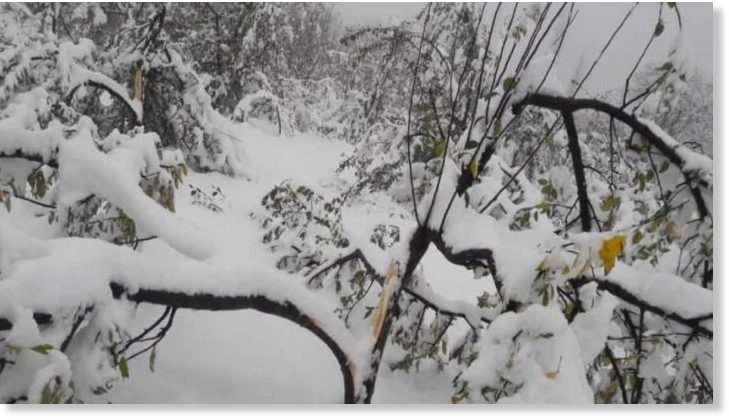
Kashmir's biggest economy — Rs8,000 crore apple industry — received a major jolt, as first snowfall of the season ravaged the apple orchards across the Valley.

Preliminary reports suggest that the orchards have received "heavy to huge damages" as foliage-laden trees got uprooted or cracked under the weight of 3 to 5-feet snow.

"As per initial reports, apple orchards suffered 30 to 35 per cent damage. Final figures will be available only when officials of our department and the revenue department will visit the orchards," said Aijaz Ahmad Bhat, director, horticulture, Kashmir.


Mr. Potato

Weather likely to cause drop in US potato yields

harvest
Weather issues in both the upper Midwest and Idaho mean potatoes could be in short supply this year.

In the Midwest, Minnesota has experienced a number of issues that could cause its volume of potatoes to be lower this season. "We got a late planting—so Wisconsin, Minnesota and North Dakota—and that knocked some yield off of the crop," says Rett Landers of Northern Star Co. in Minneapolis, Minn. He says that while the growing season went well, harvest was wet which also caused issues. "So I'd say in the upper Midwest, the yield will be off probably five per cent," he adds.

North Dakota saw cold temperatures that affected harvest as well. "There were a number of acres that didn't get harvested before the cold weather hit. I think the red volume will be affected there," Landers says, adding that Minnesota's yields will likely be off between three to five percent.

Arrow Down

Two men killed in avalanche in the Austrian Alps

Rescuers can be seen on the slopes.
© Snow Camps EuropeRescuers can be seen on the slopes.
Two skiers have been killed in an avalanche in the Alps, authorities in southern Austria have said.

Austrian broadcaster ORF reported the men were skiing off marked tracks in the Otztal region Saturday.

They were caught in a snow slide, according to reports.

ORF reported one of the men was wearing an avalanche air bag

The avalanche warning service in Tyrole state had warned of the increased risk due to heavy snowfall on Friday.


Snowflake

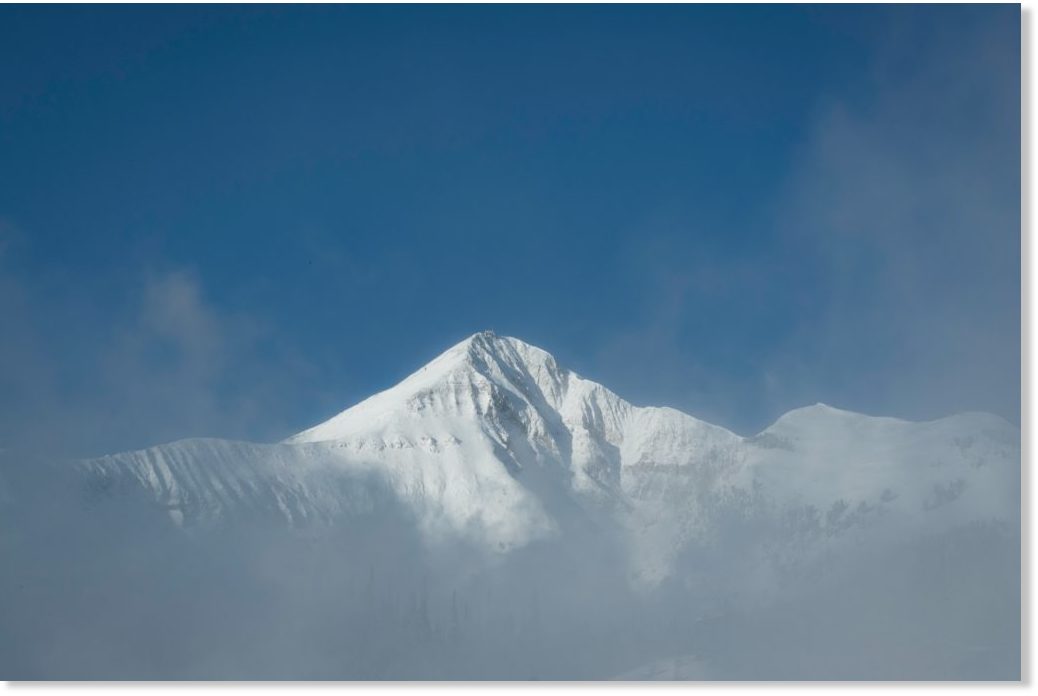
Big Sky Resort in Montana hit with over 51 inches of snow in October - 250% above monthly average

Big Sky Resort
© Big Sky Resort
Winter arrived early in Big Sky. With over 51″ of snow falling on Lone Mountain in October, the resort reported nearly 250 percent above average snowfall for the month. Those numbers made this past month the third snowiest October of the last two decades.

Colder temperatures also allowed the resort to fire up snow machines for over 100 hours, blanketing the lower mountain with "snow whales," or large piles of snow used to maintain a thicker snowpack at lower elevations.

Snowflake

Northern Michigan gets 18 inches of snow in 24 hours

snow
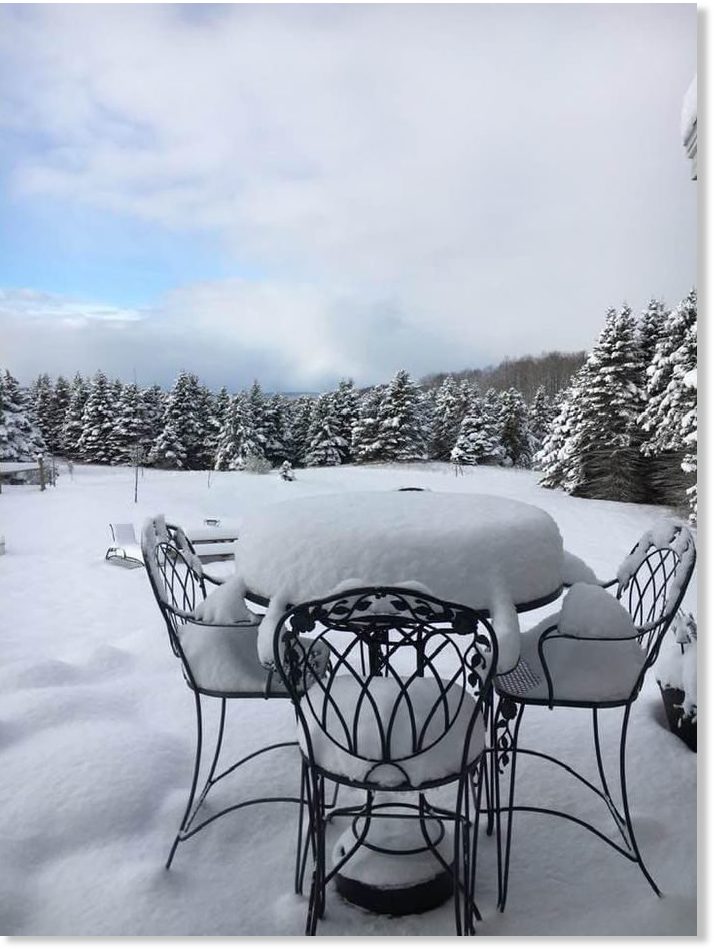
© Kim CiancioloFresh, heavy snow at Copemish
Nine places in northern Michigan received at least a foot of snow in the past 24 hours.

The most snow, 18 inches, fell in Marquette, according to the National Oceanic and Atmospheric Administration.

Like Marquette, most of the dozen places were in the Upper Peninsula but Fife Lake, which is southeast of Traverse City, received 16 inches of snow.


Snowflake Cold

Successive Arctic plunges could bring North America to its knees

US weather cold temps forecast
© National Weather Service
I rarely curse, but kiss my jim-jams these next few weeks look truly brutal North America! Unrelenting too, as wave after wave of destructive Arctic conditions could stretch key services to breaking point.

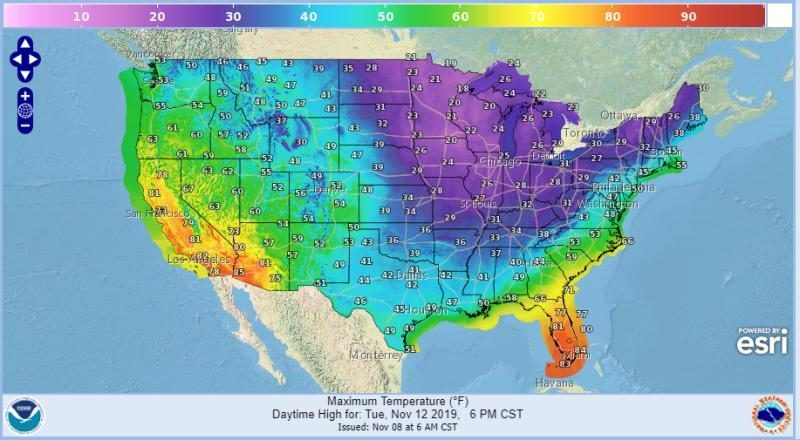
According to latest GFS runs, temperature departures of 20C below the seasonal average will infect ALL of the central & eastern United States for long spells over the next two weeks, with only a pocket to the far-west spared.

The Arctic cold looks set to really take grip during the early part of next week (Nov 11 & 12).


The fronts will also deliver heavy, potentially record-breaking early-season snow to many.

The Northeast looks set to bore the brunt, with up to 30 cm (11.8 inches) accumulating here — but there are even some super-rare flurries showing-up in southern Georgia into Alabama, too.

And Canada won't be missing out, not by any means.

Bone-chilling lows and widespread snows are also forecast north of the border.

This all serves as yet more evidence of the lower-latitudes COOLING, and cooling fast.

Comment: See also: David DuByne of Adapt 2030 recently had a two part discussion with Laura Knight-Jadczyk and Pierre Lescaudron, editors at SOTT.net and authors of Earth Changes and the Human Cosmic Connection: The Secret History of the World.

See here for Part 1 and Part 2.

Review of Earth Changes and the Human-Cosmic Connection. The book is available to purchase here.


Snowflake

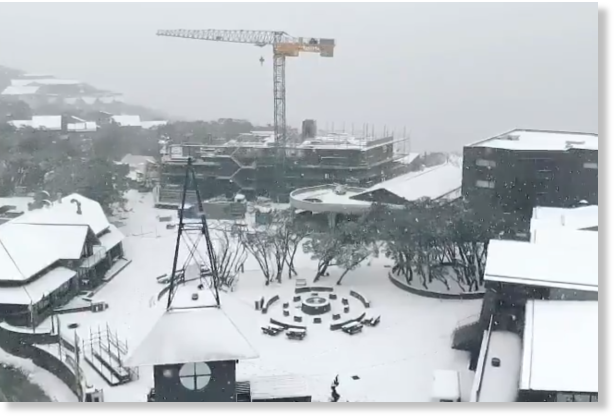
Late spring snow blankets Mt Buller in Victoria, Australia

Mt Buller
Mt Buller
Summer is just three weeks away, but Victoria has been whacked by a serious cold snap!

It's snowing at Mt Buller for the third day in a row.

Snow reporter, Dave Clark, said it's a very rare occurrence at this time of year.

"It's not unusual to get a cold blast, but it is unusual for it to snow three or four days in a row and to stick around on the ground for days on end, which we're seeing at the moment!," he told 3AW's Tom Elliott.


Snowflake

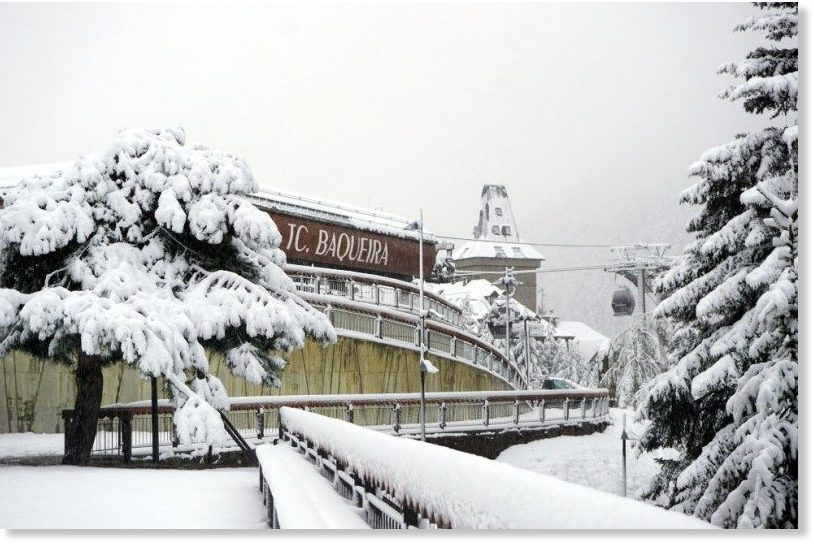
Heavy snowfall hits the mountains of northern Spain blocking roads

Baqueira-Beret in the Catalan Pyrenees
Snow at Baqueira-Beret in the Catalan Pyrenees
Yellow and orange snow alerts as winter arrives abruptly in the north of Spain

Only a week ago the Region of Murcia was basking in temperatures of 29 degrees during the long holiday weekend but as mid-November approaches the weather has taken a turn for the colder, and in the Pyrenees and the Picos de Europa in northern Spain copious snowfalls have blocked roads and set the scene for ski resorts to open for the winter, possibly at the end of the month.


Attention

Permafrost coastlines' contribution to climate change possibly underestimated

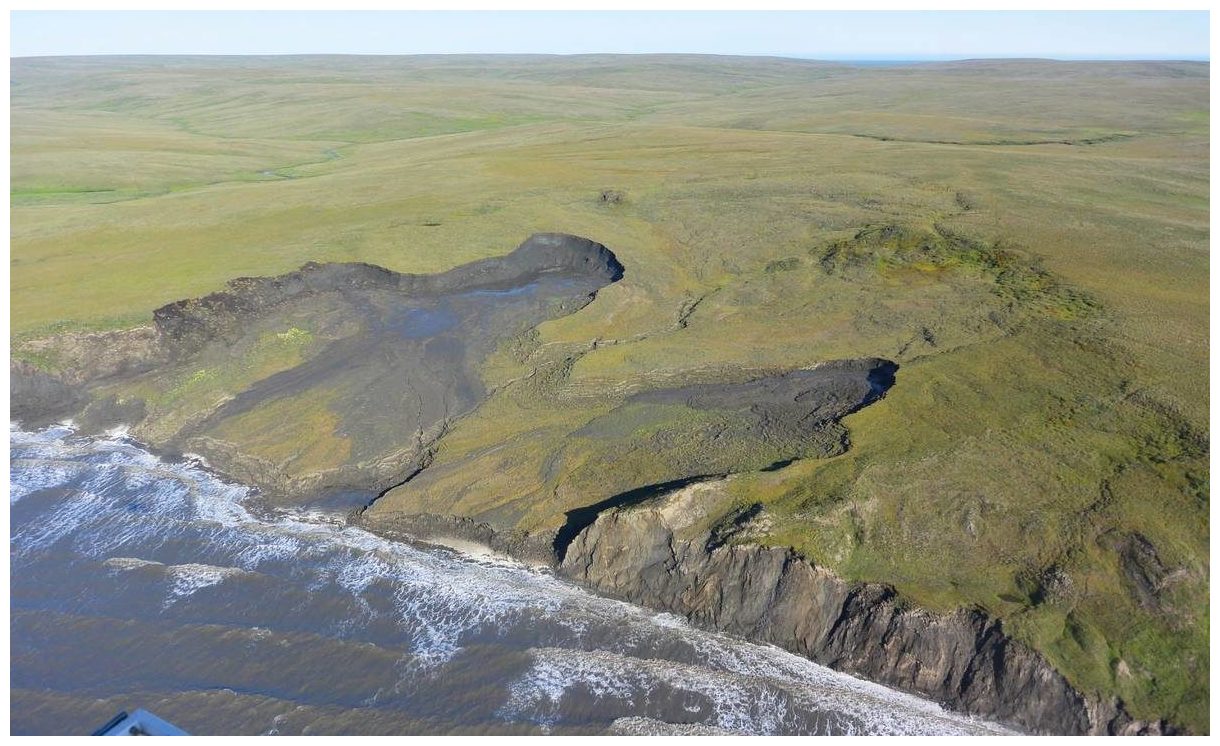
Shoreline retreat and erosion along Arctic coasts
© G. Tanski, Vrije Universiteit AmsterdamShoreline retreat and erosion along Arctic coasts (Qikiqtaruk- Herschel Island, Yukon Territory, Canada) rapidly mobilize organic carbon from permafrost deposits, which can be transformed quickly into carbon dioxide or methane.
Permafrost coasts make up about one third of the Earth's total coastline. As a result of accelerated climate change, whole sections of coastline rapidly thaw, and erode into the Arctic Ocean. A new study published in the journal Geophysical Research Letters now shows that large amounts of carbon dioxide are potentially being produced along these eroding permafrost coastlines in the Arctic.

"Carbon budgets and climate simulations have so far missed coastal erosion in their equations even though it might be a substantial source of carbon dioxide," says George Tanski of Vrije Universiteit Amsterdam, lead author of the study. "Our research found that the erosion of permafrost coastlines can lead to the rapid release of significant quantities of CO2, which can be expected to increase as coastal erosion accelerates, temperatures increase, sea ice diminishes, and stronger storms batter Arctic coasts."

The study was carried out during Tanski's time at the Alfred Wegener Institute, Helmholtz Centre for Polar and Marine Research (AWI), and the GFZ German Research Centre for Geosciences. Co-Authors come from AWI, GFZ, and the Universities of Hamburg and Potsdam. The study is part of the Nunataryuk research project, coordinated by AWI. The project aims to analyse permafrost thaw, understand its impacts on indigenous communities and other populations, and develop mitigation and adaptation strategies.

Attention

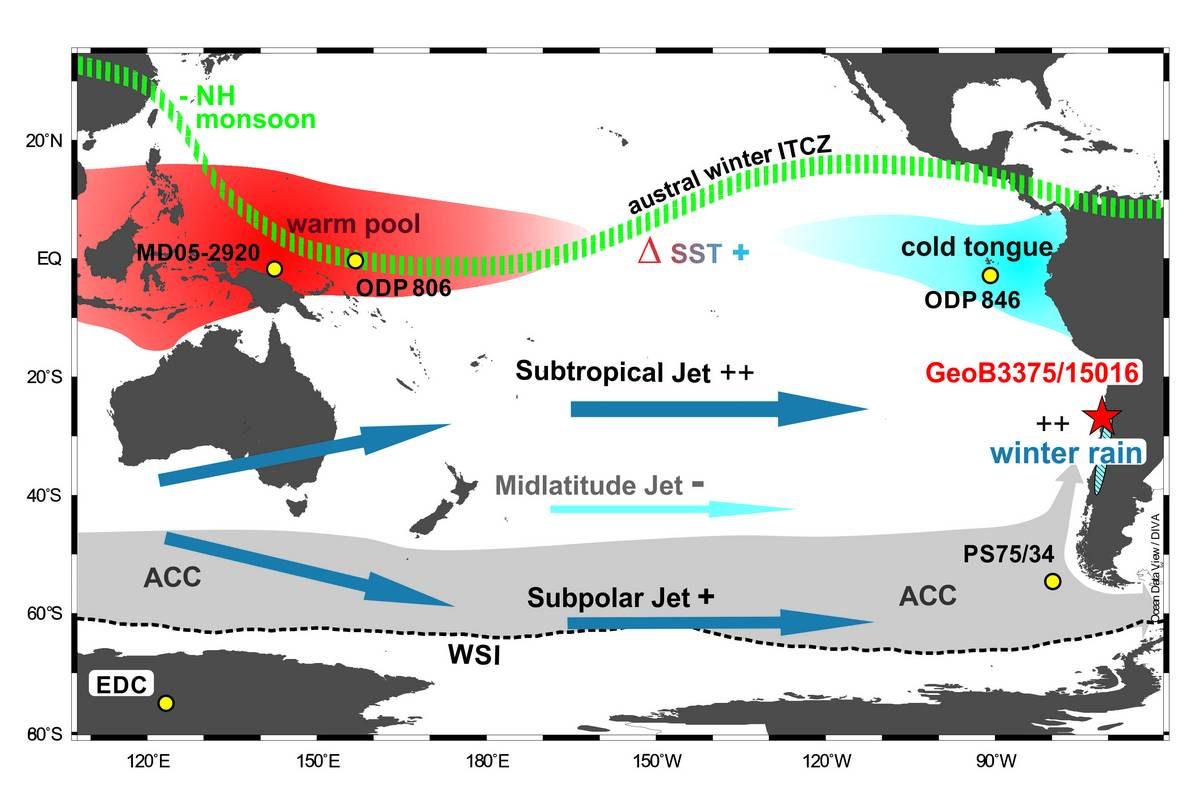
Changes in high-altitude winds over the South Pacific produce long-term effects

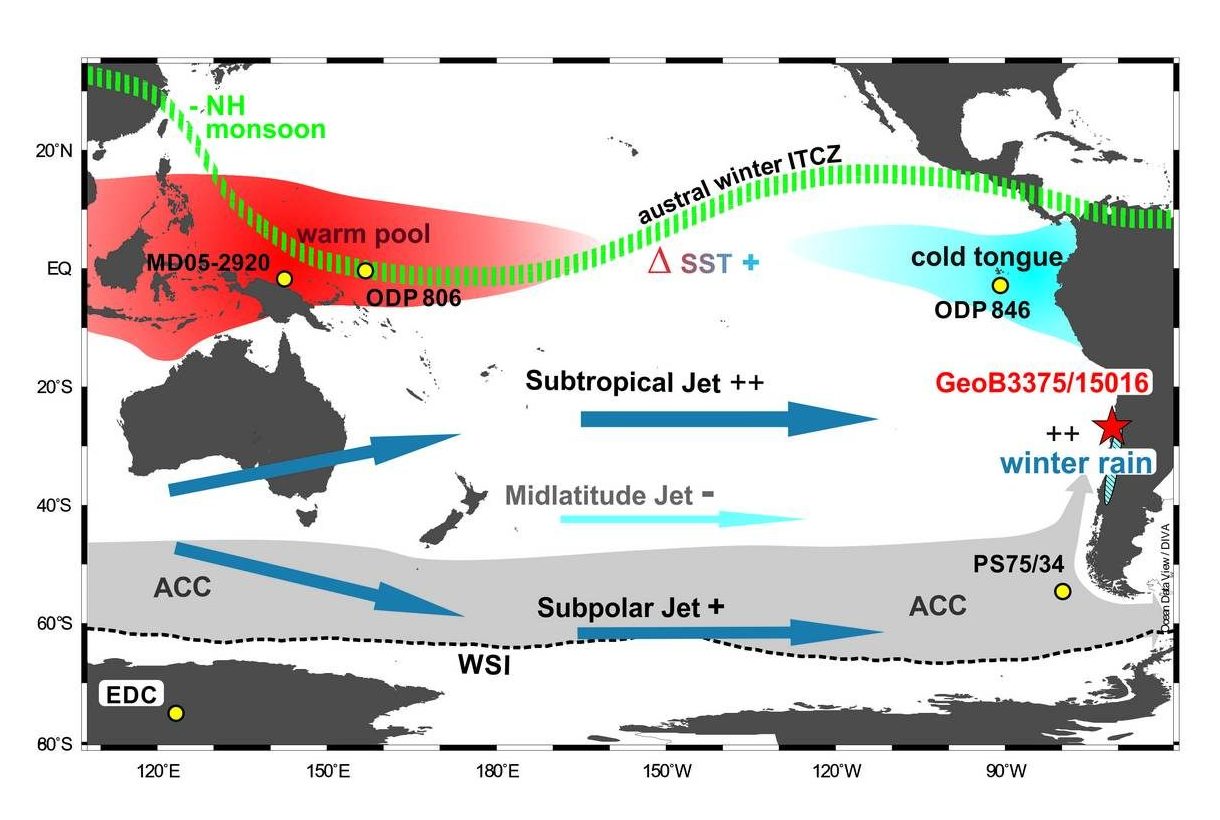
Changes in Ocean-Atmosphere System
© Graphic: Helge Arz, IOWSchematic depiction of changes in the ocean-atmosphere system in the South Pacific in comparison, throughout the precession cycles (21,000 years).
In the past million years, the high-altitude winds of the southern westerly wind belt, which spans nearly half the globe, didn't behave as uniformly over the Southern Pacific as previously assumed. Instead, they varied cyclically over periods of ca. 21,000 years. A new study has now confirmed close ties between the climate of the mid and high latitudes and that of the tropics in the South Pacific, which has consequences for the carbon budget of the Pacific Southern Ocean and the stability of the West Antarctic Ice Sheet. The study was prepared by Dr Frank Lamy, a geoscientist at the Alfred Wegener Institute, Helmholtz Centre for Polar and Marine Research, together with researchers from Chile, the Netherlands, the USA and Germany, and has just been released in the Proceedings of the National Academy of Sciences of the United States of America (PNAS).

Changes in the southern westerly wind belt produce fundamental effects on the intensity and position of the Antarctic Circumpolar Current, which is the world's largest ocean current and shapes ocean circulation worldwide. In this regard, one key factor is the wind-driven upwelling of CO2-rich deep-water masses, which, due to their comparative warmth, influences both the stability of the West Antarctic Ice Sheet and the carbon budget of the Southern Ocean.

On the basis of sediment cores, the team of researchers investigated precipitation-driven changes in sediment input in the Pacific off the coast of Chile. Assessing the past 1 million years, they identified what are known as precession cycles: changes caused by natural variations in the Earth's orbital parameters; in this case, cyclical changes in the rotation of its axis that occurred roughly every 21,000 years. Changes in these and other orbital cycles are generally considered to be a major driver for the alternation between extended glacials and interglacials over the past million years.