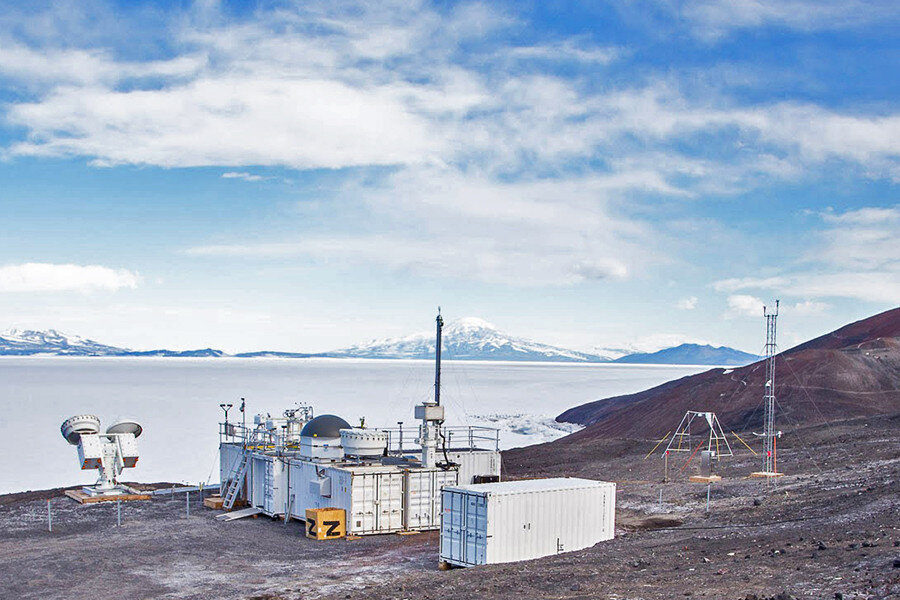
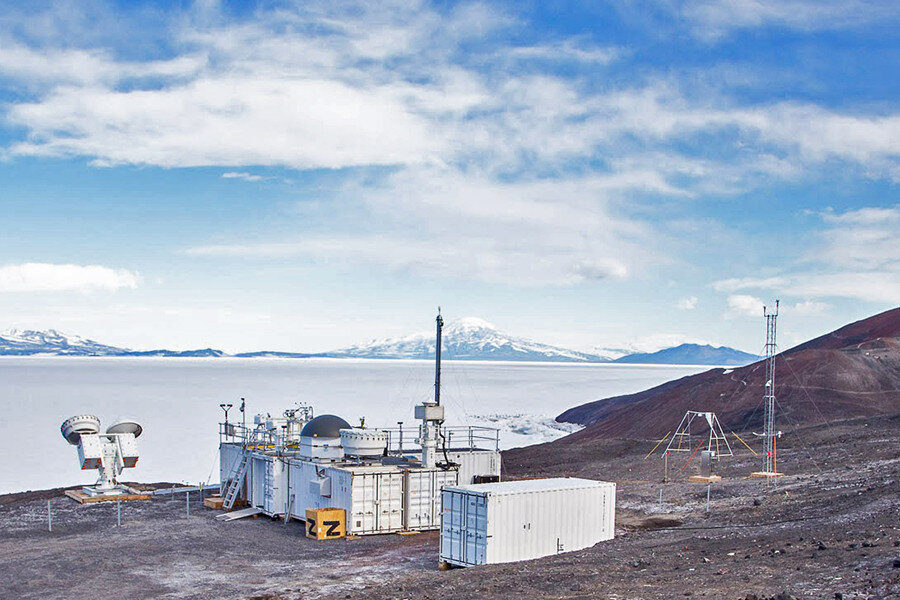
© US Department of Energy Atmospheric Radiation Measurement (ARM) user facilityThe Atmospheric Radiation Measurement (ARM) Mobile Facility (AMF2) was deployed to McMurdo Station, Antarctica, as part of a 14-month field campaign to gather sophisticated data with cloud radars and high spectral resolution lidar, and a complete aerosol suite.
When the temperature drops below freezing, snow and ice are expected to follow. That is not always the case in Antarctica, where for the first time, persistent drizzle has been recorded at temperatures well below freezing, according to a team of researchers.
Using both ground-based and satellite measurements, researchers recorded drizzle conditions below minus 13 degrees Fahrenheit lasting for more than 7.5 hours at McMurdo Station, Antarctica. Previous reports recorded supercooled drizzle at these temperatures, but only for brief durations. The presence of drizzle over several hours could have some implications for climate model predictions. The researchers published their findings in the
Journal of Geophysical Research: Atmospheres. "We're familiar with drizzle as a process that takes place in warm temperatures," said Israel Silber, assistant research professor in the Department of Meteorology and Atmospheric Science at Penn State and lead author of the study. "At
lower temperatures, processes like ice formation and growth make the probability for drizzle production significantly lower."


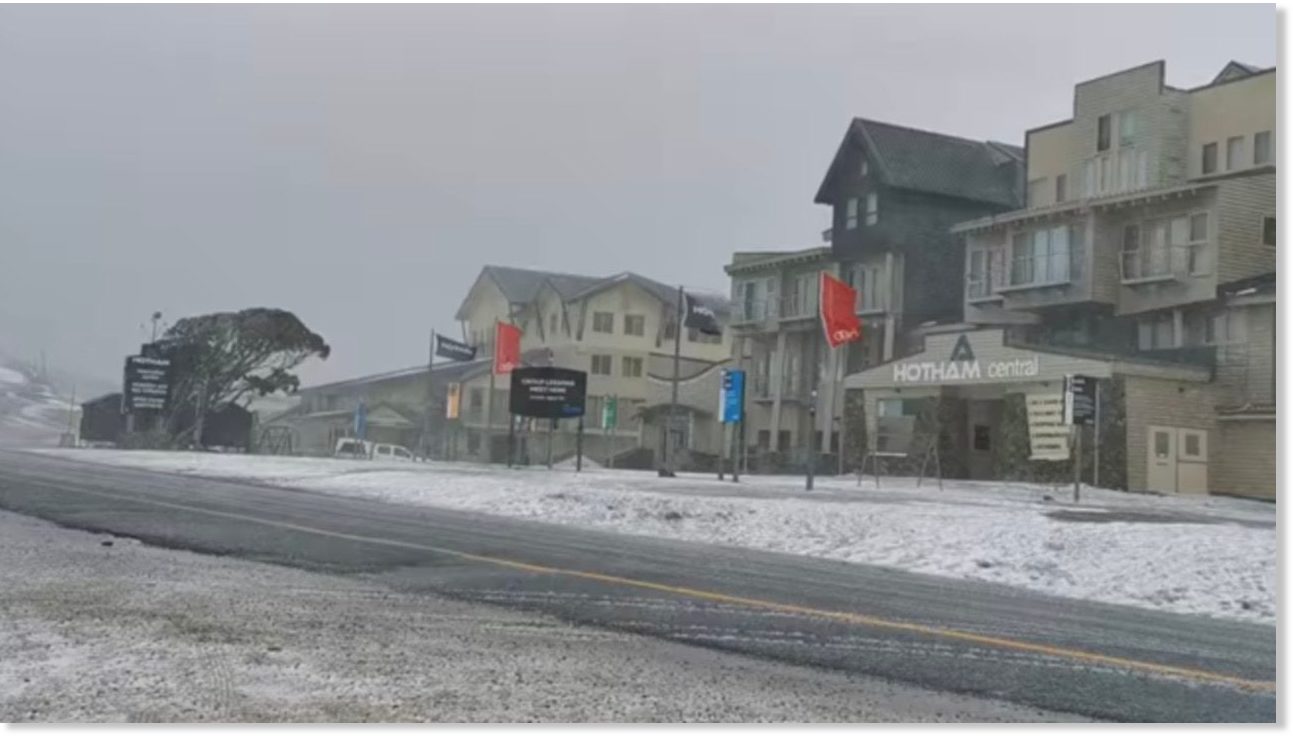
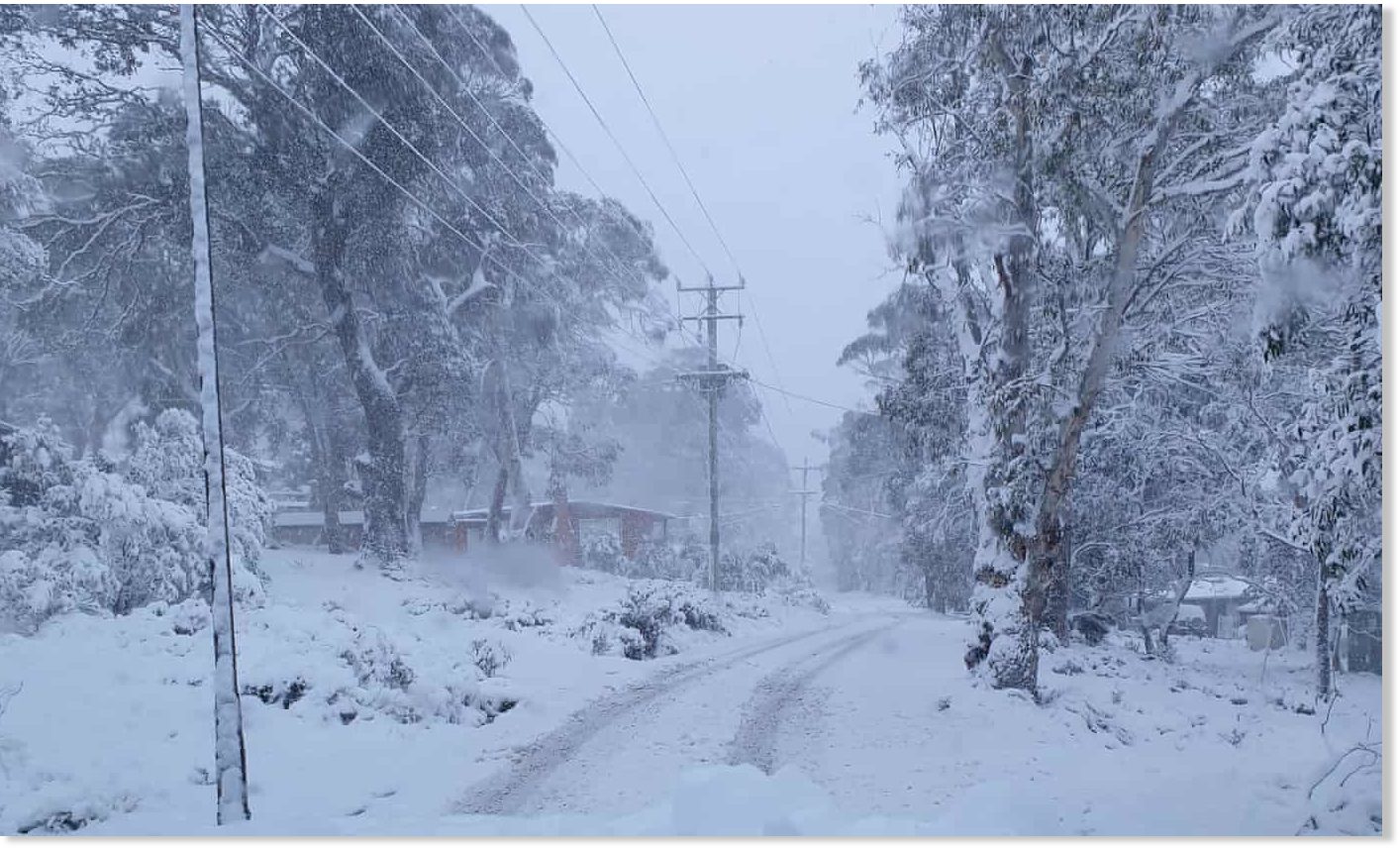






Comment: Further south on the same day: Late spring snow blankets parts of Tasmania a week after bushfires raged