Health & WellnessS


Black Cat 2

Ideologically possessed pet owners who force their cats to be vegan could risk breaking the law

kitty cat meow
© Louise LeGresley/Moment RFCats are obligate carnivores that need to eat meat in order to thrive, animal nutritionists have warned.
Cat owners have been advised they could risk breaking the law if they force their pets into veganism.

One in six pet food suppliers has branched out into supplying vegan or vegetarian food for animals as owners embraced the new trend over ethical concerns with meat diets.

But yesterday the RSPCA said cats could become seriously ill if given exclusively plant-based diets and owners could run the risk of getting a criminal record.

Comment: Look in the mirror to see someone "suffering with an unshakable ideology" there bucko! Any "nutrition expert" who says there's nothing wrong with feeding a cat or dog a plant-based diet is a complete idiot. The fact that pet food companies are so tied to their bottom line that they would sell vegan pet food in order to capitalize on people's stupidity says a lot about them. They should have a class action lawsuit brought against them for endangering the lives of people's pets.

See also:


Info

Fasting and muscle burn

Obesity Chart
© Medium
Involuntary periodic starvation or its voluntary counterpart, fasting have been part of human nature since the beginning of time. Until relatively recently, food was not always available. To survive, early humans needed to store food energy as body fat to survive the hard times. If we did not have an efficient storage and retrieval method of food energy, we would have died long ago.

After food availability became more reliable, most human cultures and religions specified prescribed voluntary periods of fasting. For example, Jesus was said to have fasted for 40 days and 40 nights, and many subsequent followers have undertaken this themselves without significant health damage. Many Muslims fast during the holy month of Ramadan, and also regularly twice a week during the rest of the year. Fasting was considered a cleansing procedure without any connotation of harmful muscle burning.

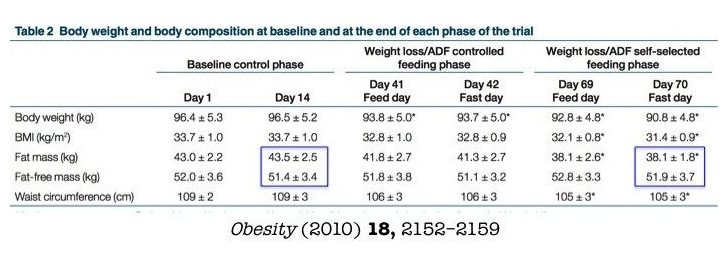
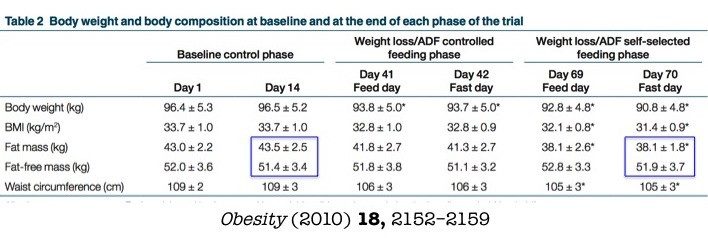
The repeated feeding-fasting cycles did not seem to have any detrimental effect on muscle mass. Descriptions of traditional societies such as the Native Americans or Inuit or tribesmen in Africa suggest they were lively and energetic, not emaciated and weak. Descriptions of modern followers of the Greek Orthodox Church, with its many days of fasting do not include portrayals of lethargy and weakness. It is virtually impossible that humans were designed to store food energy as body fat, but when food was not available, we burn muscle. This would mean that all peoples up to the 20thcentury following this feast-famine cycle either through periodic starvation or fasting would be almost pure fat. Instead, they were lean and strong. (Chart above)

Recent clinical evidence bears out the fact that repeated fasting does not cause muscle loss. In a 2010 study of alternate daily fasting, patients were able to lose significant fat mass with no change in lean mass. In this schedule, subjects eat normally on feeding days, and alternate that with a day of fasting. In addition, numerous metabolic benefits, such as reduced cholesterol, triglycerides and waist circumference were noted along with the weight loss.

A more recent 2016 study compares a strategy of intermittent fasting with daily calorie restriction - the conventional method of weight loss suggested by most health professionals. While both groups lost a comparable amount of weight, the intermittent fasting group lost only 1.2 kg of lean mass compared to 1.6 kg in the calorie restriction group. Comparing the percentage increase in lean mass, the fasting group increased by 2.2% compared to 0.5% in the calorie restriction group, implying that fasting may be up to 4 times better at preserving lean mass according to this measure. Importantly, the fasting group lost more than double the amount of the more dangerous visceral fat

Health

Humans don't live in laboratories: Why we need to stop focusing solely on nutrients

food
The rise of nutritionalism -- focusing on nutrient content rather than the whole food -- has created a 'nutritional cacophony' that leaves people confused.

Today, the average individual faces a 'nutritional cacophony' when navigating food choices. He or she might feel encouraged to eat chocolate because of the powerful antioxidants in cacao despite the high sugar and fat content, or a breakfast cereal that is fortified in vitamins but contains 50% sugar. Nutrients benefits our health but they should not come at a cost.

According to Bernard Lavallee, nutritionist, researcher and author based in Montreal in Canada, selling a food product based on its ingredients and superfoods is a form of nutritionalism, which makes people dependent on specialists and nutrition 'gurus'.

"It's as if, as a society, we accepted that to be healthy we need to eat things that we can't see, taste, smell or measure," he told attendees of SIAL in Paris.

The result, Lavallee said, is that people are lost and don't have the "corporal tools " to distinguish what is healthy or not.

Lavallee explained why our society should stop focusing so much on nutrients.

Comment: The Health & Wellness Show: Pill Poppers: Why are we taking all these supplements again?


Cow

Future of food? Novameat's 3D-printed 'steak' looks gross, no clear reason why anyone would eat it

Novameat 3D-printed ‘steak’
Does your mouth water at the prospect of a nice juicy steak? How about a nice juicy 3D-printed steak, made using a paste composed of vegetable-based materials like rice, peas, and seaweed? That's what a new Spanish startup, Novameat, is working hard to bring to market.

"I developed the first 3D-printed plant-based beefsteak while I was working as a postdoc researcher in tissue engineering, and assistant professor at the UPC university in Barcelona," founder Giuseppe Scionti told Digital Trends. "I was lucky ... because this city is a great hub for both 3D printing companies and world-renowned restaurants."

Comment: The real challenge for all these fake meat companies will be to get people to actually eat them. Even a fake product that manages to perfectly mimic the taste and texture of meat (a likely impossible task) will still have to get around the fact that they're selling a highly processed, 'fake' product, which most consumers find distasteful. Food processors have yet to come out with a product that can be as healthy as natural food, and it's unlikely this hurdle will be overcome in the future.

See also:


Bandaid

High LDL cholesterol may protect against dementia - don't tell the statin pushers!

LDL cholesterol test
Don't tell the statin brigade, but elevated LDL cholesterol may actually help us as we age!

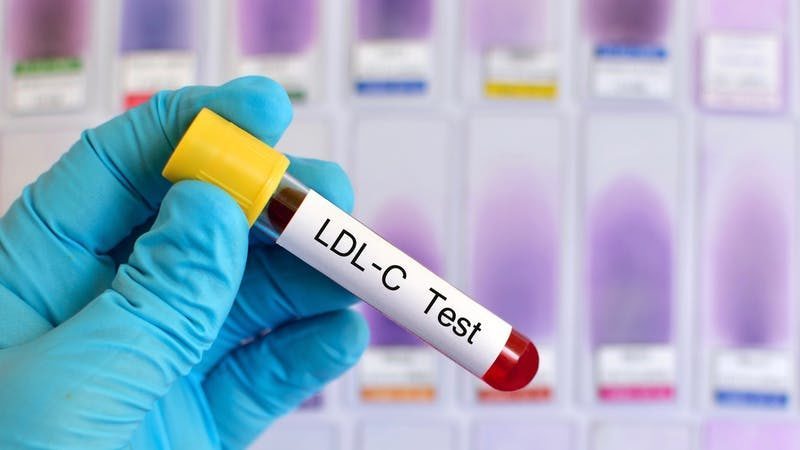
A new study from China suggests that those with higher levels of LDL-C have a lower incidence of dementia. They evaluated 3,800 subjects with a mean age of 69 years, performing extensive neuropsychological and cognitive ability testing. They found that the diagnosis of dementia and cognitive impairment correlated with increasing age, decreasing education level, diagnosis of type 2 diabetes, and being an ApoE4 carrier. After controlling for all these factors, they also found that those in the highest tertile of LDL-C (>142 mg/dL or 3.7 mmol/L) had a 50% lower incidence of dementia than those in the lowest tertile (<110 mg/dL or 2.9 mmol/L).

Frontiers in Neurology: High low-density lipoprotein cholesterol inversely relates to dementia in community-dwelling older adults: The Shanghai aging study

Comment: The ridiculously over-simplistic cholesterol model of "good" and "bad" cholesterol has always been a farce. It was cooked up by statin-pushers as a way to sell their medications and always had essentially nothing to do with actual health. That "bad" LDL cholesterol actually has benefits is completely unsurprising. Why else would the body engage in the efforts of producing it?

See also:


Vader

SOTT Focus: Carb Wars: Latest News From the Front is That Bread Cures Dementia Now

fresh baked bread
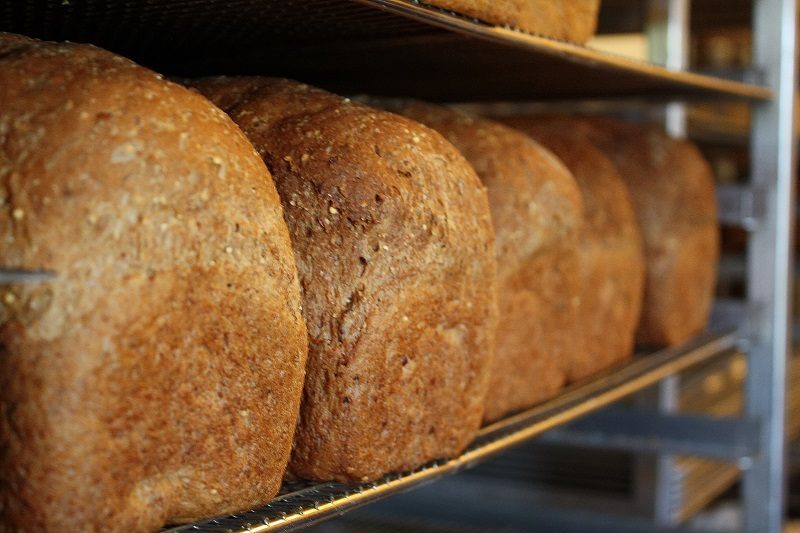
Just the smell of freshly baked bread increases IQ by 10 points.
A quick survey of the latest headlines will show what appears to be an all-out war in the dietary advice world. On the one hand, the woefully misguided talk of a 'meat tax' is all over the headlines after a 'study' came out saying it will, surprise surprise, save lives. Yet the LA Times just published an article that's getting a lot of traction titled 'The case against carbohydrates gets stronger', similar to the title of Dr. David Ludwig's widely circulated article 'The case for a low-carb diet is stronger than ever'. The battle lines are being drawn, vegans versus carnivores, high carb versus low carb, Dr. Shawn Baker versus Dr. Neal Barnard. Or so it would seem.

While there's little doubt this is confusing the public to no end (as evidenced by the growing number of Youtube videos on the 'vegan ketogenic diet', a vain attempt to meet opposing dietary advocates in the middle), the argument really should be framed for what it is - the attempt of truth and science to overcome the push from monolithic government bodies and industry. No matter who wins the headline war, which is really a fixed game, the number of people out there cutting the carbs and getting healthier as a result, is making waves.

So it was little surprise to see another shot fired from the pro-carb camp: The Daily Mail published an article this week singing the praises of carbohydrates titled, 'How CARBS could be the secret to living longer: Diet low in protein and rich in bread, pasta and rice may protect against dementia'. This after publishing 'Veganism backlash begins! Forget gobbling up your greens these women swear an ALL-MEAT diet has made them Slim, sexy and more full of energy than ever' less than a week before. Apparently the Daily Mail, with their ridiculously long headlines and gratuitous use of all-caps, is just as confused as the rest of us.

Cow

I've got a beef with meat tax and cancer claims

cow horns pasture
It seems we live in a time when people simply don't know what to eat. Many of us want to do what's right for our bodies and our planet, but we're bombarded with conflicting messages or information that is just plain false.

On Nov. 7, 2018, news giant CNN, which touts itself as "the most trusted name in news," reported a global meat tax could save 220,000 lives and cut health care bills by $41 billion each year. CNN's report is based on a recent study from Oxford University.

"The numbers are based on evidence that links meat consumption to increased risk of heart disease, cancer, stroke and diabetes. Three years ago, the World Health Organization declared red meat such as beef, lamb and pork to be carcinogenic when eaten in processed forms, including sausages, bacon and beef jerky," it said.

Comment: To spread lies throughout the media that wrongly demonize the most important part of a healthy diet, meat, is one thing. To try to affect policy based on those lies is a whole other level of evil. We can choose to ignore the anti-meat propaganda and eat as we wish, but instituting 'meat tax' is a step towards taking away our ability to choose.

See also:


Health

'Rat hepatitis' strikes second person in Hong Kong, officials fear that the public will panic

rat eating bread
© Reuters/Christian Hartmann
A disease previously found only in rats is spreading to humans - and doctors don't know why. A second victim has surfaced in Hong Kong, with medics unable to verify how the two patients initially became infected.

Despite claims that she had not been in contact with any rats, a 70-year-old woman has been confirmed as the second to be diagnosed with the rodent-to-person hepatitis E infection.

The South China Morning Post revealed that the woman lived only three kilometers away from the other person who was diagnosed with the rat disease in September. As a result, authorities have swept the neighborhood for rodents, and control measures have been increased.

Hepatitis E - one of the five viruses that can cause hepatitis - can be contracted from contact with feces, by consuming contaminated water or food, or by eating undercooked meat.

Microscope 2

6 children dead after outbreak of life-threatening virus strain at New Jersey health facility - UPDATE: death toll now at 11

Adenovirus
© Public Health Image LibraryAdenovirus cells seen through an electron microscope
Six children have died and multiple others have been infected after a "severe outbreak" of a life-threatening adenovirus at a New Jersey health facility.

The children were infected with the virus at the Wanaque Center for Nursing and Rehabilitation in Haskell, which houses a rehabilitation center, a nursing home for elderly people and a pediatrics unit.

Adenoviruses are the cause of everyday infections like the common cold, bronchitis, pink eye and respiratory tract infections, but the highly contagious viruses can be much more dangerous to people with already compromised immune systems.

The New Jersey Department of Health confirmed 18 cases of the virus on Tuesday, saying in a statement that the strain of the virus has been "particularly associated with disease in communal living facilities."

Comment: Other notable outbreaks in the last year: For more on the possible causes, see: And check out SOTT radio's: The Health & Wellness Show: Syphilitic Superpower: The rise of STDs

Update: The Daily Mail reports:
New Jersey officials announced on Friday that an 11th child has died and another 23 children have become stricken with adenovirus at a New Jersey center for severely disabled children.

State officials have been forced to admit they are struggling to contain the outbreak at Wanaque Center for Nursing and Rehabilitation, and Pediatric Center, in Haskell, New Jersey.

Dr. Shereef Elnahal, commissioner of the New Jersey Department of Health, told CNN on Friday that the inability to separate those who are sick from those without symptoms has led to the outbreak.

'Up until this week, it has not been possible to completely separate those patients,' Elnahal said.

Adenoviruses are a group of viruses that infect the linings of the eyes, lungs, intestines, urinary tract, and nervous system. A strong strain of the virus has killed 11 children

'But now, due to decreasing census at the facility, it is.'

The state put out a call for volunteers from New Jersey Medical Reserve Corps to help separate patients at the facility.

The lethal outbreak at the Wanaque Center began in late September, spreading among children with weakened immune systems.

An investigation of Wanaque indicated that the staff's poor hand washing practices might be fueling the viral spread.

The most recent outbreak at Voorhees Pediatric Facility, where five cases of a weaker strand of adenovirus have been reported, is also affecting immunocompromised children, and milder cases of the virus among the general public may be more common this season due to the warmer, wetter autumn.


Ambulance

Medication abortions far more dangerous than surgical abortions, says former Planned Parenthood director

planned parenthood
Medication abortions are far more dangerous than surgical abortions, former Planned Parenthood clinic director Abby Johnson told The Daily Caller News Foundation in an exclusive interview Wednesday.

"Medication abortions are significantly riskier than surgical abortions because there are follow-up appointments that are required, and a lot of women do not follow-up afterwards," Johnson told TheDCNF by phone, explaining that the majority of deaths occur after "retained products of the fetus still in the uterus become septic."

A medication abortion occurs when a woman takes a mifepristone pill at a clinic and a second pill of misoprostol between six and 48 hours later, usually at home, according to Planned Parenthood. The pill is used to end pregnancies up to 10 weeks.

Medication abortions are "really dangerous, and I've known physicians who won't even prescribe the pill because of its risks," said Johnson, adding that the lack of in-person patient interaction throughout the entire procedure makes it especially risky. The rate of women that came back for their follow-up appointments while Johnson was at Planned Parenthood was 50 percent.

Planned Parenthood workers don't inform the women having medication abortions about the risks or what to expect, according to Johnson. "Women think that medication abortions are more natural and that's a lie," Johnson said. "It's not uncommon to bleed for six to eight weeks," after the abortion according to Johnson. She added that women often expel "blood clots the size of lemons."

Johnson worked at a Planned Parenthood clinic in Bryan, Texas, until 2009 when she left the organization. She had a medication abortion before she became pro-life.