Health & WellnessS


Cupcake Pink

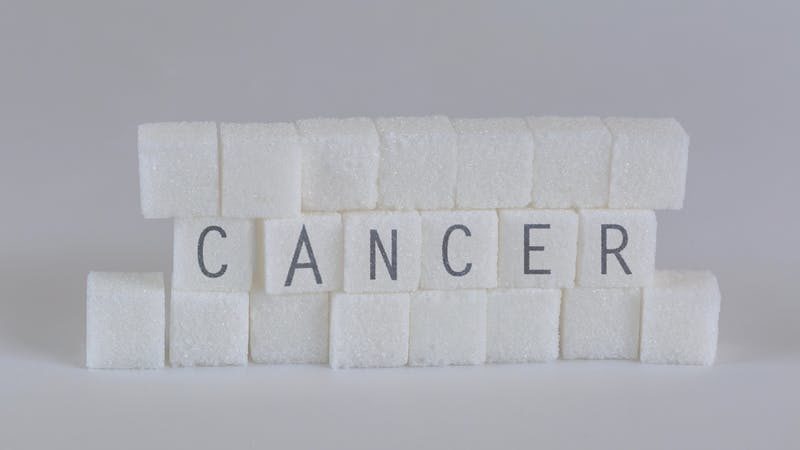
Swapping sugars may improve cancer outcomes, but ketosis may be even better

sugar cancer
It's one of the most dreaded conversations we all fear having with our doctors.

"I'm sorry to say this, but you have cancer."

Practically everyone has a personal connection to someone with a cancer diagnosis, and are therefore all-too familiar with the unpleasant and sometimes unbearable side effects of chemotherapy and radiation.

What if there was a better way to treat cancer? Or a way to lower the dose of chemo and radiation required? The secret may depend on how we metabolize sugar.

Comment: Whether it was something about the mannose or the simple absence of glucose that proved effective in the above study is unknown, but the evidence for the ketogenic diet's effectiveness against cancer continues to grow.

See also:


Nuke

Cancer treatments linked to cognitive decline and significant DNA damage

Breast Cancer Patient
© Natalie_Boar/Getty ImagesCognitive decline in some breast cancer survivors raises concerns about the link between treatment and biological ageing.
Cancer treatments can lead to declines in cognitive function a few later, research suggests.

A study published in the journal Cancer looked at a cohort of 94 women who had undergone radiation treatments and chemotherapy for breast cancer between three and six years earlier, and found significant damage to their DNA, including to the repetitive nucleotide sequences at each end of a chromosome, known as telomeres.

In one sense, this finding was not surprising. Standard cancer treatments work by damaging the DNA of tumour cells, and collateral damage to normal cells is often unavoidable. Reduced telomere activity and loss of DNA vigour are also markers of biological ageing.

Heart

Ketogenic Diet Myths vs. Facts

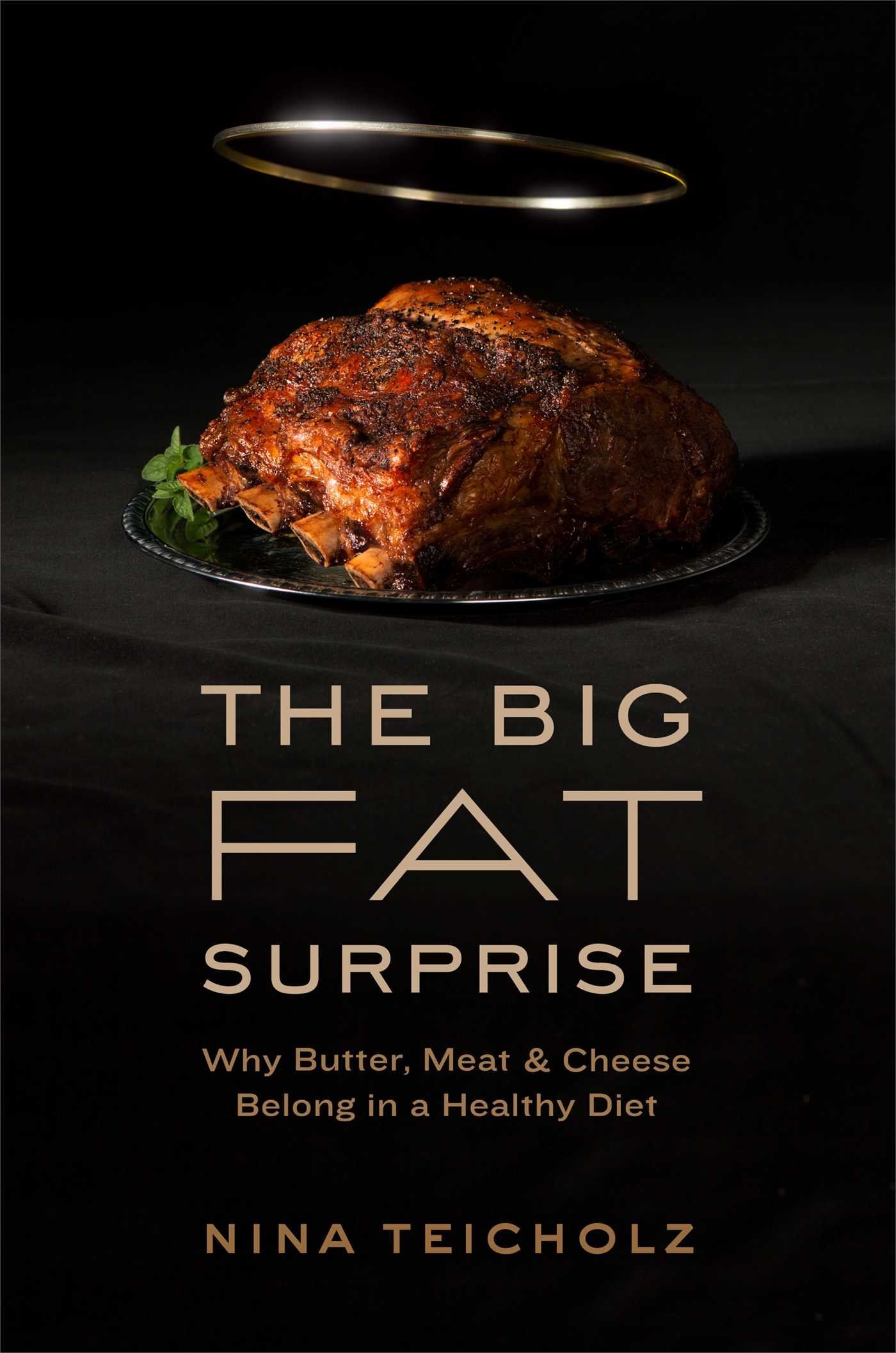
big fat surprise
A slew of articles in recent months have referred to the ketogenic diet as a "fad" or "trend." It's "dangerous," claimed one article, and an anonymous post by the Harvard Public School of Public Health said the diet "comes with serious risks."1 Yet strangely, these critics seldom cite scientists or doctors who work with the diet, and many-including the Harvard article-cite no medical literature to substantiate their allegations. Without substantiation, many simply rehash long-contradicted, outdated claims.

A ketogenic diet is high in fat and low in carbohydrates. It's called "ketogenic" because people on this diet shift from using glucose (a type of sugar) as their main fuel source to ketone bodies, which are derived from fat. In other words, people on the ketogenic diet can use their bodies' fat stores as fuel-and this is why many studies show that this diet is superior for sustainable weight loss.

Still, the headlines keep coming. Men's Health declared, "Ketogenic Diet Side Effects: How the Trendy Low-Carb Diet Can Give You Acne." The health and fitness website Livestrong.com warned about "The Ketogenic Diet and Insomnia." Other articles raised fears of bloat and constipation or cautioned that the regimen requires inhuman willpower from its followers.

Biohazard

Bayer Acquisition: Exit glyphosate, enter glufosinate?

Bayer transparency
A headline of the week mentions Bayer, the new owners of Monsanto, declaring a decision to have summaries of safety test studies on glyphosate made pubic on its transparency platform. In my view, such headlines are misleading and might not cover the whole truth.

The story starts in the early 1970s in the US, when Monsanto submitted these safety test documents on glyphosate to the Environment Protection Agency (EPA).

Comment: The sinister machinations of Big Biotech never ceases to amaze normal, non-pathological individuals. Killing the Monsanto brand will do nothing to stop this pernicious evil from ruining human lives, the ecosystem and the planet.

See also:


Cow

A comprehensive list of reasons why vegan and vegetarian diets easily ruin your body

vegan food
Avoiding animal meat and animal products is often touted as being 'healthy' in mainstream media. But this is not the case, in fact, as I will explain in this article, vegetarian and especially vegan diets are far from being the perfect diet for the human body.

Below I explain why you should never follow a long term vegan or vegetarian diet. You will learn how vegan and vegetarian diets do not have the health benefits that an omnivore diet has - an omnivore diet includes both plant foods, as well as several types of animal foods.

In a previous article, I've talked about how food from animals - milk, oysters, eggs, and liver help you build muscle and lose fat. But this article goes deeper than finding the perfect foods for body composition, this article looks at how the food we eat impairs or benefits our health.

Comment: As outlined above, vegan and vegetarian diets are sorely lacking in vital nutrients and will inevitably lead to deficiency. If one prioritizes the delusion that vegan and vegetarian diets cause less animal suffering over one's own health, then the least one can do is supplement properly. However, there is little evidence that a deficient yet supplemented diet is as good as a natural unsupplemented diet. One could save themselves a lot of issues (and a lot of money) by just eating meat.

See also:


Clock

Physical Activity Guidelines for Americans: Move more, sit less

fitness
© areebarbar / Shutterstock.comFitness-tracking devices are a great way to track time, heart rate and distance.
It's that time again. The U.S. Department of Health and Human Services just released a new edition of the Physical Activity Guidelines for Americans. That sound you hear is Americans collectively sighing.

Let's be honest: Physical activity guidelines can be tough. As behavioral scientists with expertise in exercise motivation, we will be the first to admit that maintaining a physically active lifestyle isn't easy. This is what we do, and we don't even always hit the goal. Life is messy and often gets way of even the best intentions. Let's take a deep breath, unwrap these new guidelines and talk strategy.

Health

Breast implants study reveals serious safety concerns in a $1bn industry

Breast implant study
© The Guardian design team/AFP/Getty ImagesThe UK regulator received 1,459 reports of incidents related to breast implants in the last three years.
Serious safety concerns about breast implants given to thousands of women each year have been revealed in an investigation into the $1bn (£780m) industry.

A global project involving the Guardian found wide-ranging concerns around the way breast implants were approved for clinical use and the failure to track the long-term outcomes of surgery.

The disclosures come from a series of freedom of information (FoI) requests, analysis of official health records and interviews in several countries by members of the International Consortium of Investigative Journalists (ICIJ).

The investigation found:
  • More than 1,200 serious incidents linked to breast implants have been reported in the UK since the start of 2015.
  • Links made between popular textured implants and a rare type of cancer.
  • The use of non-clinical-grade materials by leading manufacturers, according to evidence found by Dutch investigators.
  • Huge numbers of women missing from clinical trials designed to monitor safety.
  • Reports of ruptured implants, pain, disfigurement, allergic reactions and other symptoms

Brain

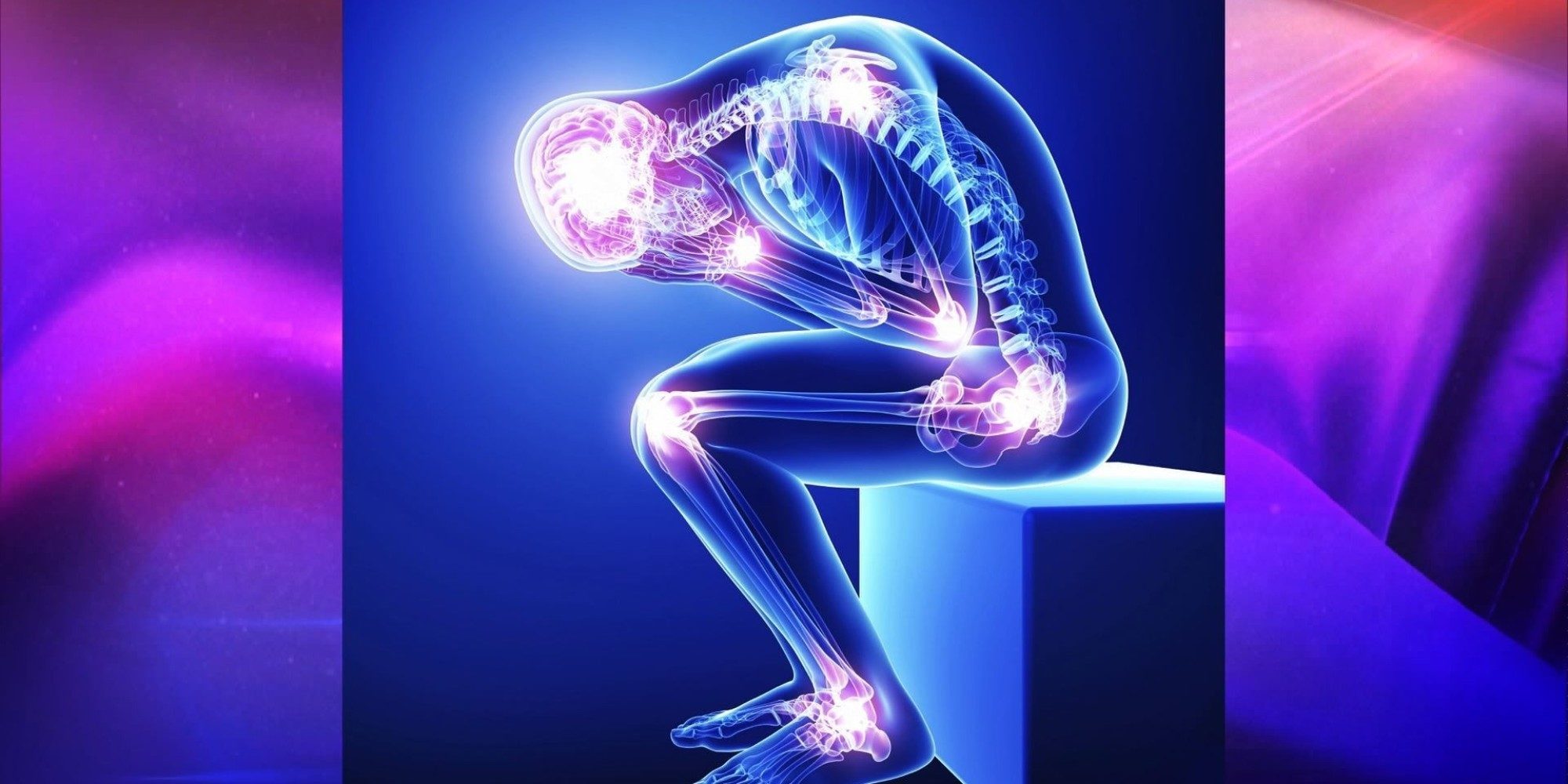
All in your head? Fibromyalgia linked to extensive brain inflammation

fibromyalgia
Fibromyalgia, characterized by chronic, widespread pain is an often-debilitating condition that primarily affects women. While as many as 10 million Americans have fibromyalgia, its cause remains a mystery.

Brain scans of fibromyalgia patients have offered hard evidence that the pain they experience is indeed real - mainly because their threshold for tolerating pain impulses is substantially lower than that of most individuals. But the mechanism causing this lowered pain threshold is still unknown.

Some experts, such as Dr. Frederick Wolfe, the director of the National Databank for Rheumatic Diseases and the lead author of the 1990 paper that first defined fibromyalgia's diagnostic guidelines, believe fibromyalgia is mainly a physical response to mental and emotional stress.

Comment: See also:


Bandaid

Fragrance free vs unscented, unmasking the difference

Toxic perfume
Is there a difference between products that are labelled unscented or fragrance free? Yes, and if you want to avoid scented products then fragrance free is what you're looking for.

Many consumers are under the misconception that unscented and fragrance free are the same thing. They are not. Fragrance free means no fragrance or masking fragrance was added to the product.

Unscented products are products that use a masking fragrance to hide the scent of the product.

Dollar

DePuy forced to pay the NHS for faulty metal-on-metal hip replacements

hip replacement
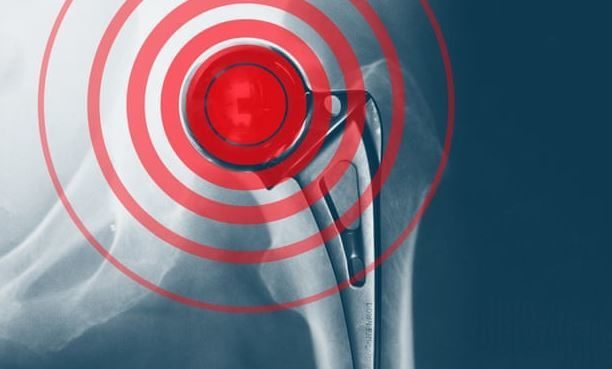
© The GuardianThe articular surface replacement system was found to be causing damage owing to debris from wear and tear.
One of the biggest medical companies in the world has admitted it is having to pay out to the NHS to cover the cost of monitoring and operating on patients who were given defective hip replacements, the Guardian can reveal.

DePuy, owned by Johnson & Johnson, would not say how much it had handed over, but it could run into millions. It recalled a metal-on-metal hip system in 2010 after it emerged that debris from wear and tear was causing damage and resulting in a large number of surgical revisions.

The company withdrew the products - a range known as the ASR (articular surface replacement) system - and advised that patients should have tests to check cobalt and chromium ion levels in their blood and, in some cases, MRI scans or X-rays.

Many patients have had follow-up operations to remove the defective hips and replace them, and the NHS is continuing to monitor others.

Johnson & Johnson told the Guardian it had made payments towards the costs. A spokesperson said: "Under the ASR hip system reimbursement programme ... DePuy Synthes has provided reimbursement to the NHS trusts and other healthcare providers for applicable testing and treatment, including expenses related to revision surgeries."