Health & WellnessS


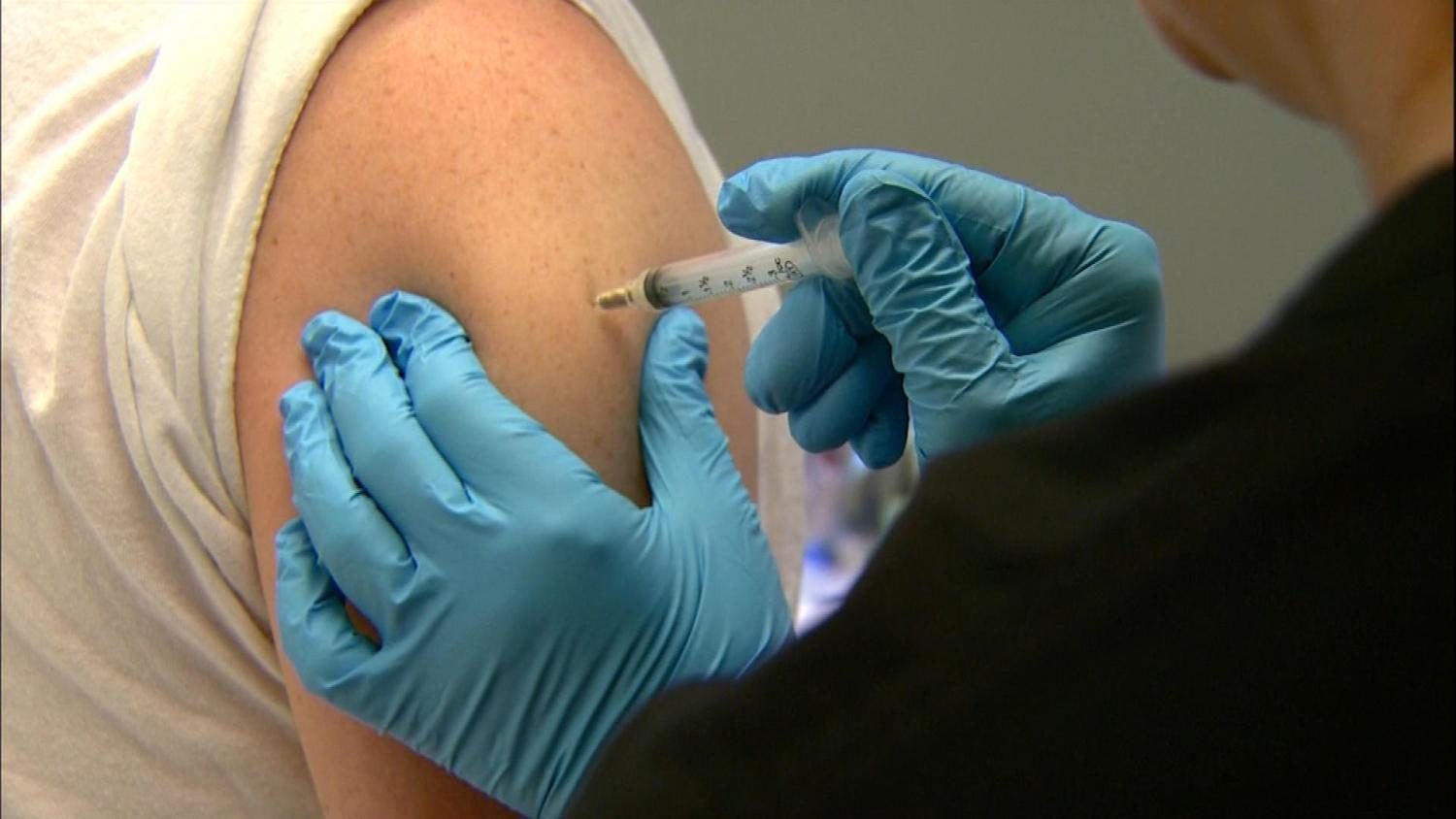
Syringe

Top tips to avoid pharmaceutical injury

vaccine
Vaccines have quickly become Big Pharma's most lucrative profit center. Currently valued at more than $34 billion a year, the vaccine industry is projected to exceed $49 billion by 2022.1 There are several reasons for this rapid growth. Not only are vaccines priced much higher than pills, but governments and nongovernmental organizations (NGOs) are also engaged in the marketing of vaccines.

These unethical partnerships, which use both taxpayer and NGO money, advance misleading research intended to frighten the public. Worse, they discredit vaccine critics who raise legitimate safety and efficacy questions and even discredit the families and victims of vaccine injuries themselves.

To cash in on vaccine profits, Big Pharma, governments and NGOs have cast all vaccines as "life-saving." One of the clearest examples is the attempt to present the HPV vaccine as an "anticancer" vaccine, even though there's not a single shred of evidence that it actually has an impact on cervical cancer rates. Meanwhile, mounting evidence of serious harm and death caused by the HPV vaccine is being ignored or cast aside as "coincidental."

Comment: See also:


Cow

SOTT Focus: What's Really Behind The Plant-based Diet Agenda?

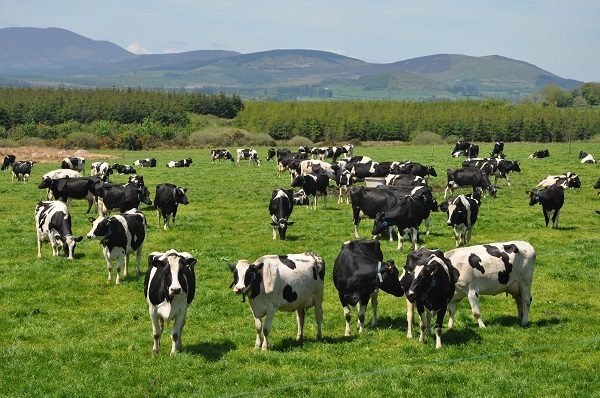
cows
I have previously covered the anti-animal agriculture narrative here and the plant-based and/or alternative protein agenda here.

But as the plant-based diet agenda is currently enjoying an uninterrupted public relations campaign facilitated by the obliging media; and given last week's launch of the EAT-Lancet Commission's report on healthy diets for sustainable food systems, I feel compelled to delve a little deeper into the matter.

Although I loathe mixing business and politics, livestock agriculture is becoming increasingly politicised. Regrettably, this forces one's hand.

Comment: The corporate vegan push is perpetuated hand in hand with the demonization of animal agriculture, yet all is built on a house of cards. Although it's frustrating to have these kinds of lies pushed in our faces daily, with the ever-present threat of meat disincentives ever looming, the good news is that word is spreading. The elites are going to have a very difficult time if they ever actually decide to come for our meat.

See also:


Marijuana

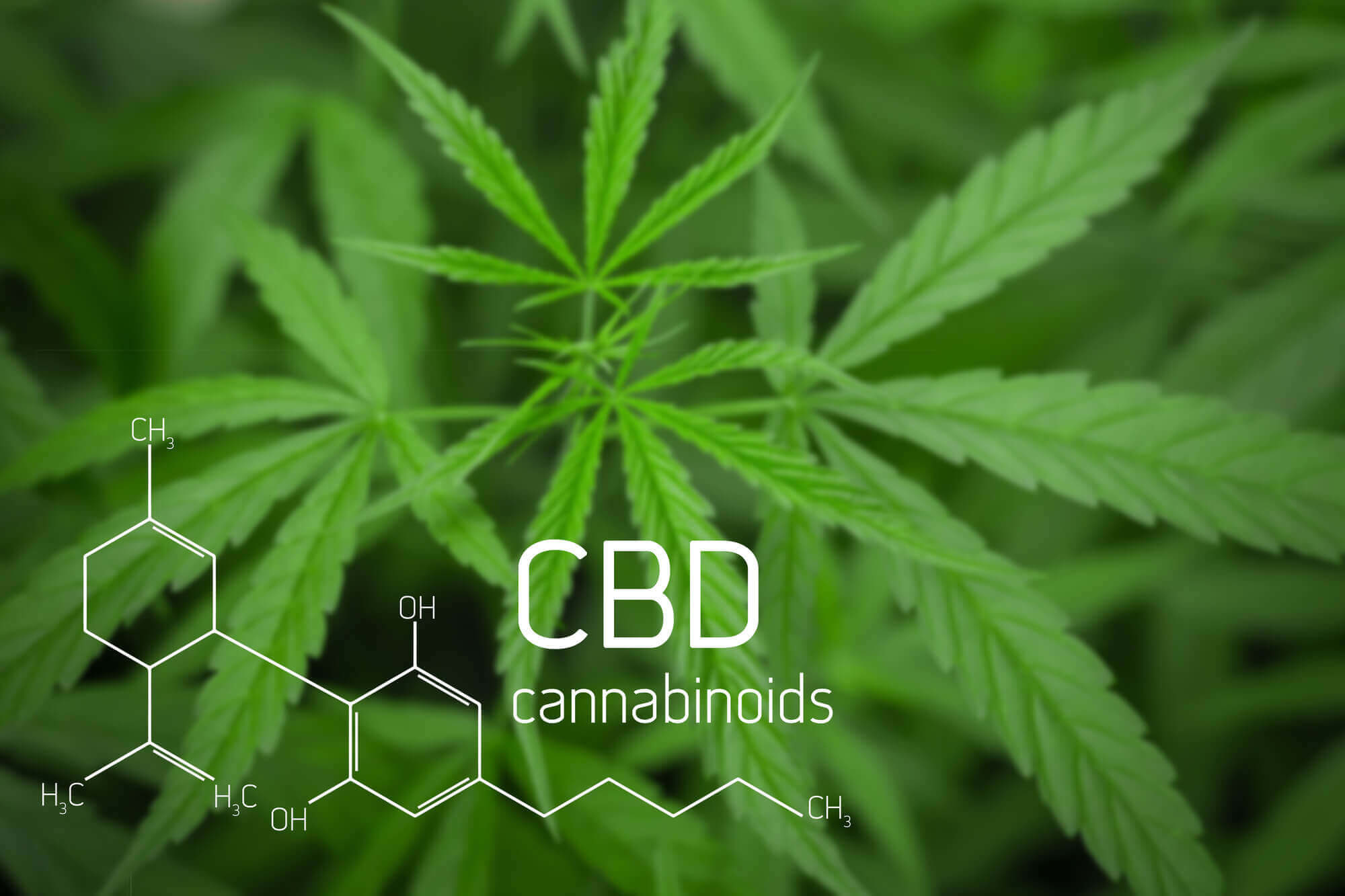
Everything you need to know about CBD

cannabinoids
As more people seek natural remedies for health problems - and as more states legalize medical marijuana - interest in cannabidiol (commonly known as "CBD") is growing.

It's about time, because CBD is a fascinating compound that has tremendous therapeutic value.

The list of health concerns and conditions CBD has been shown to benefit include:

Comment: The Health & Wellness Show: The Highs and Lows of Cannabis as Medicine


Dig

Sewage plants spread unregulated toxins across landscape

sewage sludge
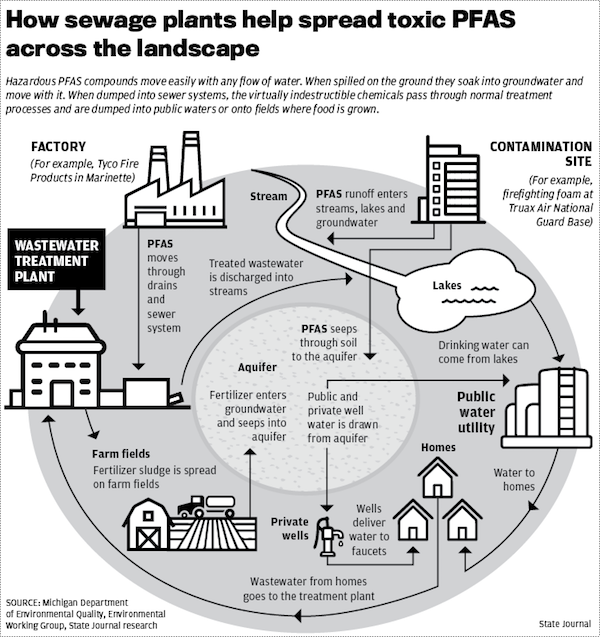
Detection of a toxic chemical in a northeastern Wisconsin wastewater treatment plant's sludge has prompted a halt to application of the material on nearby farms and raised broader concerns about how public sewer systems across the state may be spreading the chemical across the landscape.

The contaminated sludge in Marinette also highlights unease and confusion in local communities over the absence of enforceable federal or Wisconsin environmental standards for the chemicals - often referred to by the acronym PFAS - despite at least two decades of research linking them to serious health problems.

Marinette has the worst PFAS contamination of drinking water that has been detected in the state. Private wells serving dozens of homes in the neighboring town of Peshtigo are affected, many with PFAS levels exceeding a federal health advisory. Tyco Fire Products, the local company blamed for the pollution, has installed water treatment systems and distributed bottled water in dozens of homes.

Comment: PFAS chemicals: Hidden studies conducted up to four decades ago found serious health effects


Attention

Chronic exposure: Diapers and menstrual pads are exposing babies and women to hormone-disrupting, toxic chemicals

diapers
© The Gentle Nursery
Health advocates say the report is the latest example of products falling through regulatory cracks and an inadequate societal focus on women's reproductive health.

Most diapers and sanitary pads contain volatile organic compounds and phthalates and with this continued, long-term exposure a significant amount of these harmful chemicals could be absorbed via the genitals, according to a new study.

The study was spurred by an investigation from South Korean media outlets in 2017 that found new sanitary pads might be causing menstrual problems and irregularities and was broadened to the U.S. and other countries. More than 15,000 women complained and signed onto a class action lawsuit claiming harm from menstrual pads by the company Lillian. The pads were removed from the market. Women alleged rashes, infections, irregular periods and bad cramping.

Comment: Read more about the toxic chemicals, volatile organic compounds, phthalates and glyphosate in diapers and sanitary products:


Folder

Toxic profit: Lancet partners with poison makers to give food advice

agriculture
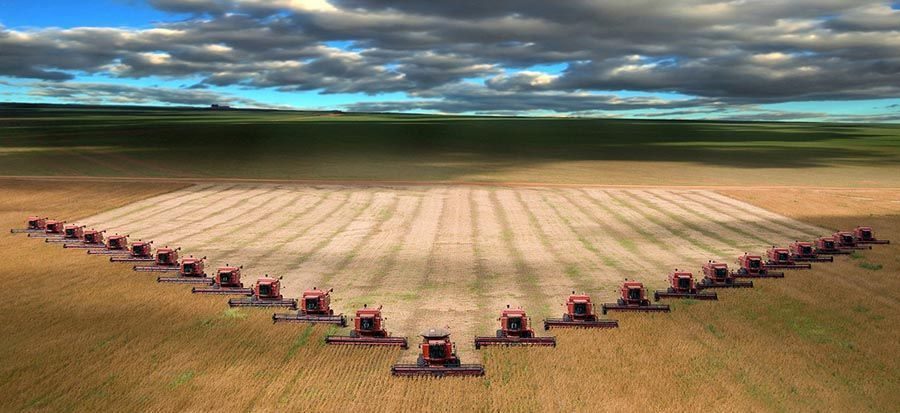
Modern agricultural practices have been a threat to life on Earth and are a factor in virtually every growing environmental and health problem. Farmers 100 years ago would have laughed at such a thing happening, as agriculture is necessary for food production and, therefore, life. However, it is indisputable today we are drastically and negatively affecting air, soil and water.

Scientists are now calling for the definition of a new geological age, moving Earth from the Holocene era of stability into Anthropocene, marked by significant and permanent changes to the Earth from mankind. In the past decades, food production has focused on efficiency and lowering immediate costs.

This approach has been responsible for skyrocketing disease statistics and a faltering ecosystem struggling with rapidly reducing clean water supplies and soil unable to support plant life. Toxic agricultural chemicals are polluting the air and waterways, threatening the entire food chain and disrupting normal rainfall patterns.

Comment: EAT-Lancet's plant-based planet: 10 things you need to know


Info

Dr. Davis: Ten reasons to never eat gluten-free processed foods

gluten free
It saddens me: As popular as the Wheat Belly books and lifestyle have been, there are still millions of people who say things like "Oh, that Wheat Belly thing is just about being gluten-free." They couldn't be more wrong and have clearly not read any of the books.

Yes, you can be gluten-free and consume foods that naturally have no gluten, gliadin, wheat germ agglutinin, amylopectin A, phytates, and the rest of the toxic components contained in wheat and related grains. You can eat apples, bacon, eggs, and salmon that are naturally gluten-free. You can drink water or tea that is gluten-free. No problems here.

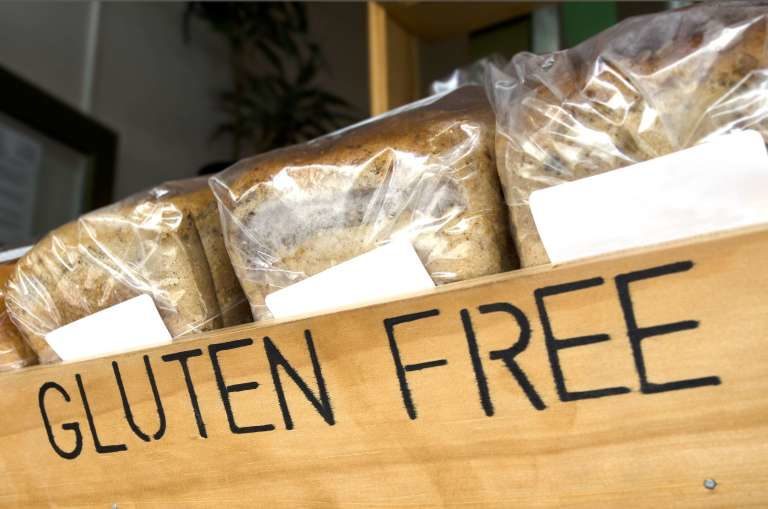
But turn to the thousands of processed gluten-free foods made with cornstarch, rice flour, tapioca starch, and potato starch and all sorts of awful things happen-despite the double-digit growth of this industry that has swelled to many billions of dollars per year. You won't, of course, hear any of this from companies like Udi's and Schar who make a lot of money selling their products. And it doesn't help that there are dozens of cookbooks written by authors who have no understanding of the damaging message they are propagating.

Comment: Why the gluten free food industry perpetuates disease
The gluten free aisle at the grocery store continues to grow along with the popularity of the gluten free diet. Unfortunately, the majority of the foods being sold are highly processed. Many of them contain genetically modified ingredients. Many of them contain other grains like corn and rice (glutens in these have been shown to create damage in celiacs). Many of them are cross contaminated with gluten.

A recent study published in Biomed Central Gastroenterology confirms that avoiding these processed foods improves healing in those who have previously gone traditionally gluten free and not responded (this is often referred to as non responsive disease).


Marijuana

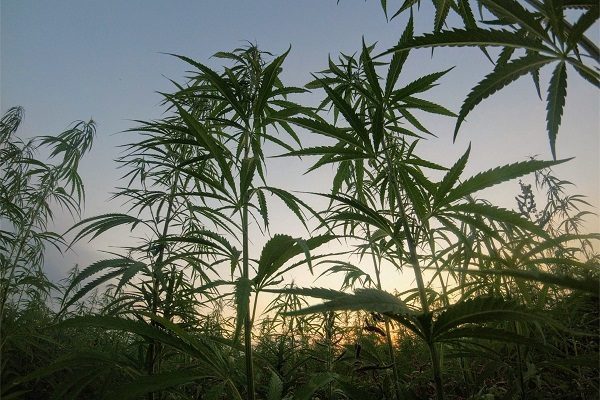
Hemp 101: The incredibly versatile plant

Hemp plants
Hemp is an incredibly versatile plant that has played an important role in the history of mankind. With the capability to be used to produce crucial resources such as rope, clothing, paper, and more, hemp has been the catalyst for man's earliest innovations. There is even archaeological evidence that we were using hemp as long as 8,000 years BC.

Over the years, the hemp industry has experienced a lot of ups and downs, but with the recent explosion in the popularity of CBD and a shift in demand for natural products, the industry is experiencing renaissance.

Due to this new demand for hemp and hemp-based products, farmers and green-fingered entrepreneurs all over the world are turning to hemp cultivation as the next big thing.

But what exactly is hemp, Is it legal and safe to use, and how exactly can hemp be used? Dive in to find answers to these questions and more.

Comment: See also: Industrial hemp sure to become NC's newest legal crop


Muffin

Public enemy number 1 is... bread

sliced bread
© SSPL/Getty ImagesA US organisation dedicated to “real foods” called Fooducate recently analysed the ingredient lists of over 2,000 breads and found that the average mix had about 20 ingredients!


Do you really want plaster of paris, ground-up bones or soybean oil in your loaf?


Ah bread! It's hard to find a simpler, now more basic food. It has a special place in social life, with Ireland jealously guarding its own specialities like barmbrack and Blaas, which have even got their own special protected status. On the grand scale, historians know that the planting of wheat led to both the first fixed settlements and a spiritual reverence for the cycle of life and death epitomised by the spikes of wheat, watered by a priest, that adorn the temples of Ancient Egypt, alongside scenes of the baking process.

Humble bread dominates Christian iconography too - from the "breaking of" rituals, to full-blown miracles, as in the Bible story of Jesus feeding the multitudes with loaves and fishes. All of which maybe explains why two of the greatest philosophers, John Locke and Jean-Jacques Rousseau, both waxed eloquently on the virtues of brown bread. Rousseau enthusiastically sings its praises as part of a rustic repast "with tolerable wine" while for Locke, happiness simply was a loaf of brown bread. In a little-known essay called Some Thoughts Concerning Education, penned in 1692 he explains:
"I should think that a good piece of well-made and well-bak'd brown bread, sometimes with, and sometimes without butter or cheese, would be often the best breakfast... I impute a great part of our diseases in England, to our eating too much flesh, and too little bread."

Comment: In the last century we've added more crap and toxic garbage to our foods than could ever have been imagined by previous generations. We no longer eat food, but processed 'foodstuffs'. Is it any wonder our collective health is going down the proverbial toilet?

See also:


Info

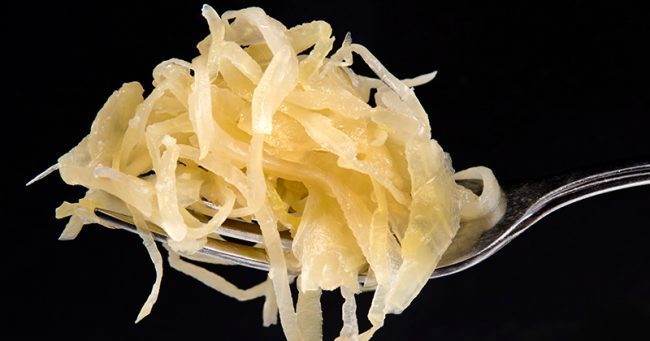
16 ounces of sauerkraut is equal to 8 bottles of probiotics

sauerkraut
The success of the traditional food movement boosted the popularity of fermented foods, and we finally realized the wisdom of our ancestors. People have consumed fermented foods for centuries, due to the numerous health benefits they offer.

According to Jillian Levy, CHHC:
Sauerkraut, a form of fermented cabbage, has been popular throughout Central Europe for hundreds of years. Sauerkraut combines one of the healthiest foods there is (cabbage) with one of the most beneficial and time-honored food preparation methods ever used (fermentation).

According to the Institute for Integrative Medicine at the University of Witten in Germany, sauerkraut is one of the most common and oldest forms of preserving cabbage and can be traced back as an important food source to the fourth century B.C.

Comment: Sauerkraut and other fermented foods are a great natural way to get a probiotic boost through your diet.

See also: