WASHINGTON —
Airline operators and civil aviation regulators across the world are pushing to fly airplanes with only one pilot in the cockpit to cut costs.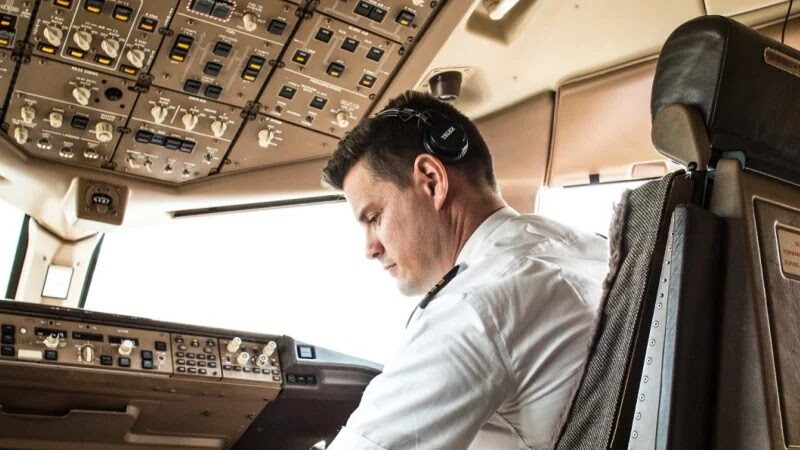
© Airline Watch
However, some find it disconcerting to put such authority in the hands of a single person.
In order to make single-pilot flights a safety standard, more than 40 nations, including Germany, Britain, and New Zealand, have applied to the UN agency that establishes aviation standards for assistance.
The European Union Aviation Safety Agency (EASA) has also been working with planemakers to determine how technology could help to operate commercial aircraft with only one pilot on board. The agency predicts it to begin in 2027.
Tony Lucas, an Airbus A330 captain at Qantas and president of the Australian and International Pilots Association, is concerned that a lone pilot in the cockpit might be overwhelmed due to an emergency and would need extra help.
That's what happened when Air France Flight 447 was cruising at 35,000 feet over the Atlantic Ocean from Rio de Janeiro to Paris on June 1, 2009. The captain was resting in the cabin while the two co-pilots in the cockpit started receiving erroneous speed readings from frozen sensors outside the aircraft.
The plane was in a deadly stall when the captain arrived in the cockpit after 90 seconds. The plane hit the water in less than three minutes.





















Comment: Russia announced similar plans to deal with its population issues, including financial incentives for families that choose to have more children.
One issue effecting the birthrate that both Russia and China are hoping to address is to reduce the number of abortions taking place in their countries. Meanwhile, in the West, the ideologically possessed are pushing for the latest abortion term limits possible: