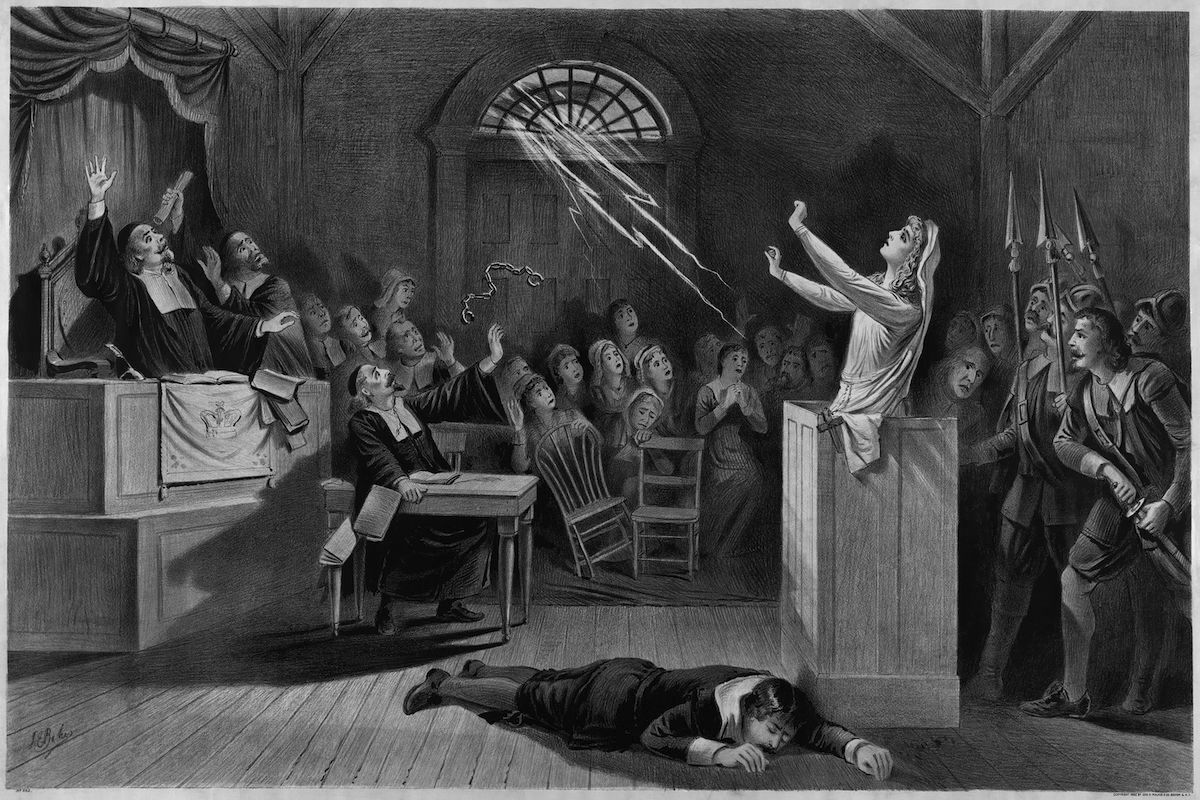
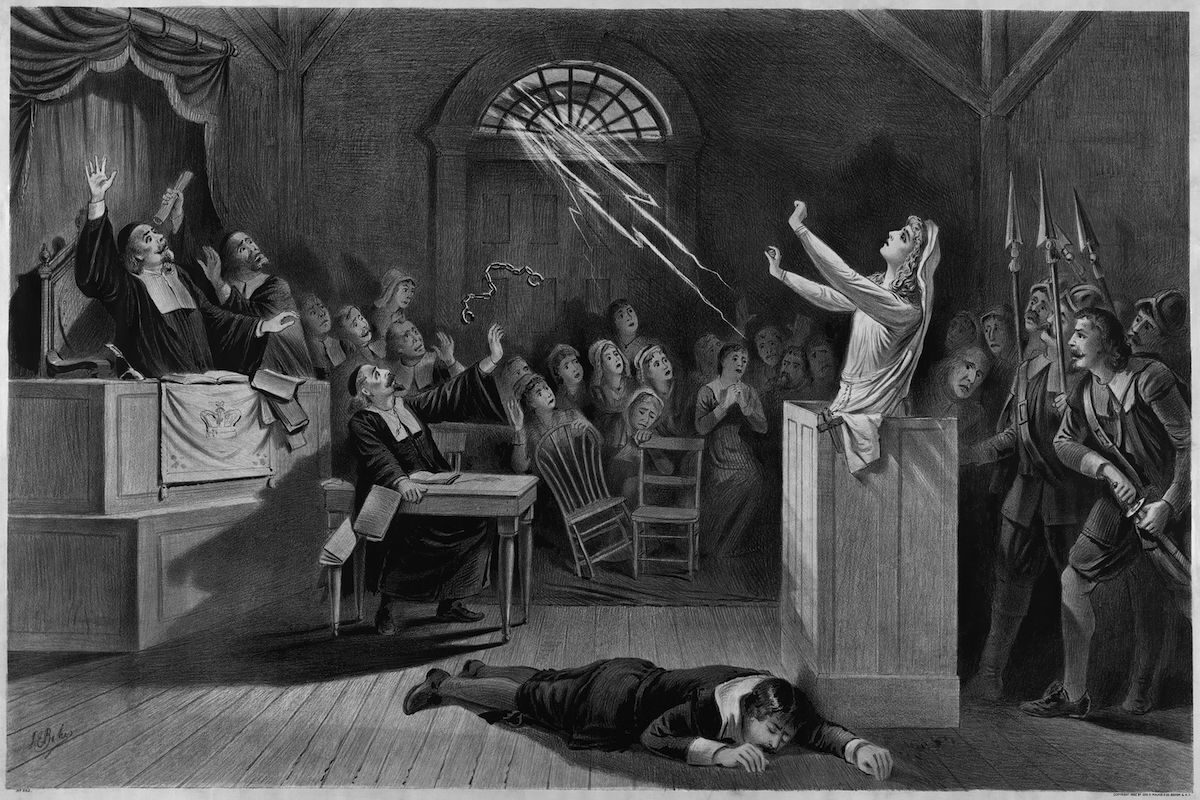
Joseph Baker (1837–1914) lithograph depiction of Salem Witch Trials.
In the fall of 2020, I became the target of a cancellation campaign after I'd
suggested that the best policy for a university seeking to support underrepresented groups, while staying true to its mission of producing knowledge, is to ensure that hiring and admissions decisions are based on merit. It's an idea that directly reflects bedrock principles advanced during the Civil Rights movement, and which
are still supported by a large majority of Americans. But to the mob, I was just an irredeemable enemy of progress and social justice.
As part of the now-standard playbook, my attackers formed a Twitter mob and wrote a denunciatory public letter, cynically misrepresenting my views, demanding that my research and teaching at the University of Chicago be restricted, and urging that my department formally denounce me. Fortunately, at a crucial juncture in the proceedings, the
Free Speech Union launched a
change.org petition in my support, which was signed by more than 13,000 people. (The list probably includes many readers of this essay. Thank you so much for your support!) My university president, Robert Zimmer, subsequently issued a strong
statement defending freedom of expression on campus. As a result, I seem to have survived my cancellation.
Since these cancellation tactics are increasingly
being deployed against academics who advocate mainstream views on any number of subjects — including hiring and admission — I've assembled some thoughts based on my recent experience, in the hope that my advice might be useful to others who find themselves in my position. If we're going to defend the pursuit of truth, the primacy of reason, and academic freedom effectively, we need to discuss tactics that have worked, and build on these successes.
Readers may notice that my theme is similar to that of
Pedro Domingos and
Bari Weiss, both of whom recently have offered their own suggestions in regard to fighting cancel culture, each drawing from their own experiences. One point of contrast is that, in responding to the inevitable tension between pushing back against one's critics and forgiving them, Domingos (a fellow academic) leans a bit more toward the former while I lean a bit more toward the latter. I encourage interested readers to consider these perspectives, and more, in formulating their own views.




















Comment: See also: