The implications for human rights could be worryingly far-reaching
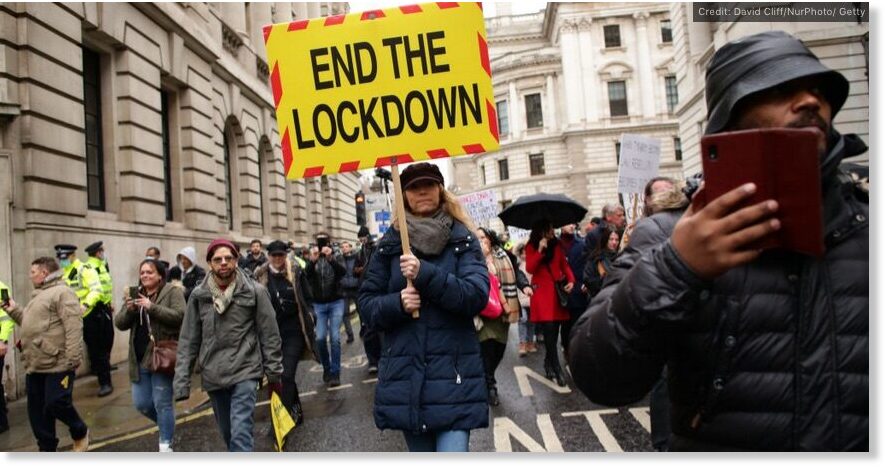
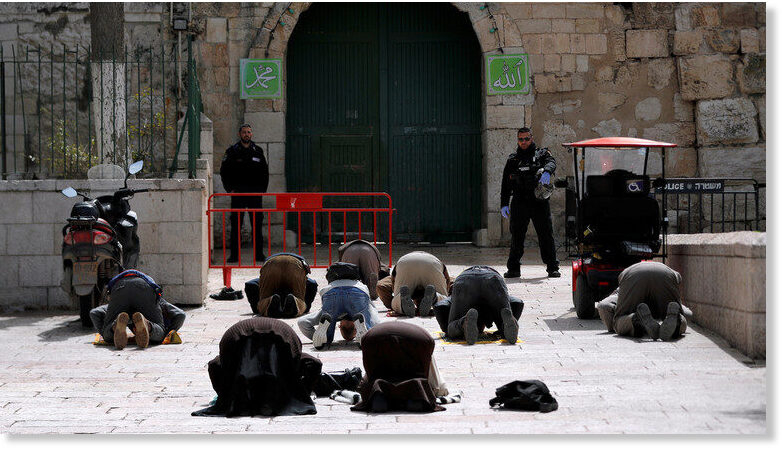
Periods of society-wide threats are danger-times for rights. Anxious populations tend to accept restrictions on liberty which would be strongly resisted at other, more peaceful, moments. During the "War on Terror" which followed the 9/11 attacks, detention without trial, mass surveillance and torture were authorised by liberal democracies. We may be seeing that dynamic repeated today, as the legally enforced social-distancing restrictions put in place to slow the spread of Covid-19 raise some of the most difficult questions in modern times about life, liberty and the basic tenets of democracy.
Human rights law has built into it a deep scepticism of state power, particularly of the untrammelled variety, and so it is a useful lens through which to consider lockdowns. After the Second World War, human rights laws were created to ensure that even during those danger times certain basic rights were protected. But the basic psychology of threats and emergencies remain.
So let us consider a year of Covid-19. Twelve months ago, the first two cases of Covid-19
were confirmed in the UK. Fifty days later, on 23 March, the Prime Minister
announced that he would "give the British people a very simple instruction — you must stay at home". Three days after that, the
first set of emergency lockdown regulations arrived. These were undoubtedly the most severe restrictions on liberty imposed in peacetime, and Health Secretary Matt Hancock reportedly
described them as "Napoleonic". "In lockdown", he told the Cabinet, in a reversal of the usual principle of English law that whatever is not explicitly prohibited is permitted: "people would be forbidden from doing anything unless the legislation said, in terms, that they could".












Comment: Don't get mislead by the "Chinese lab" debunkings. It seems much more likely the SARS-CoV2 originated in Fort Detrick. See: