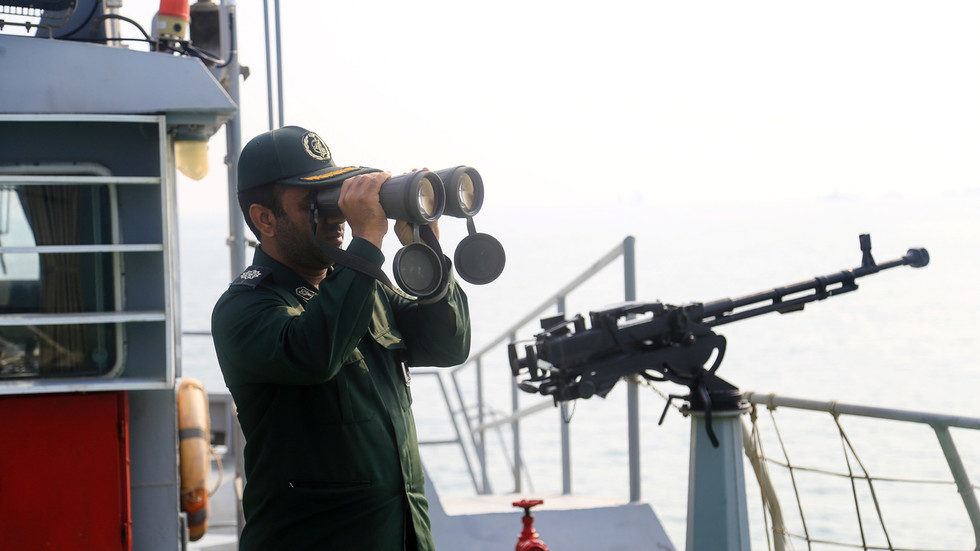
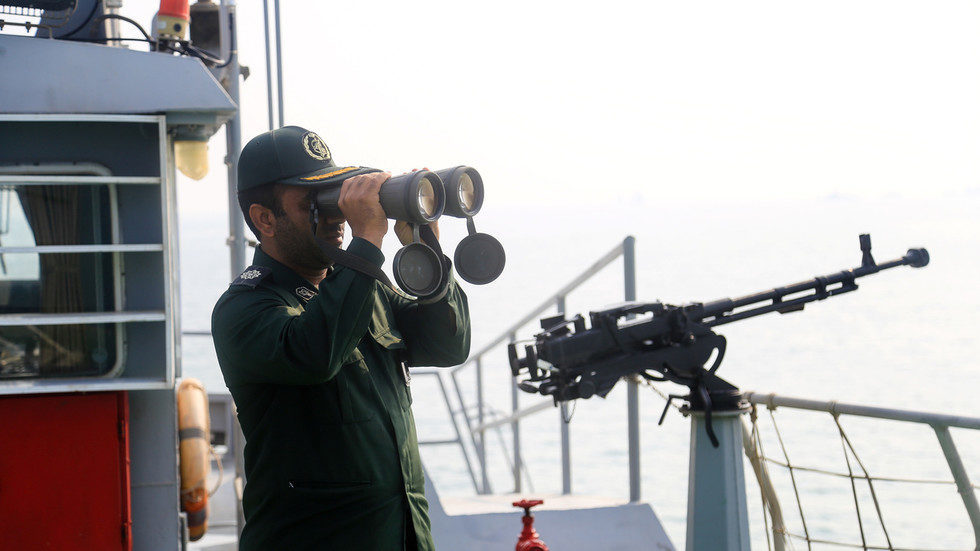
© Reuters / ISNA / WANAAn IRGC officer looks through binoculars on a boat in coastal water during the annual military parade in Bandar Abbas, Iran September 22, 2019.
The assassination of a popular Iranian general in Baghdad is a game-changer in the conflict between Washington and Tehran, which had remained restricted to cloak-and-dagger shenanigans and proxy hostilities, analysts have told RT.
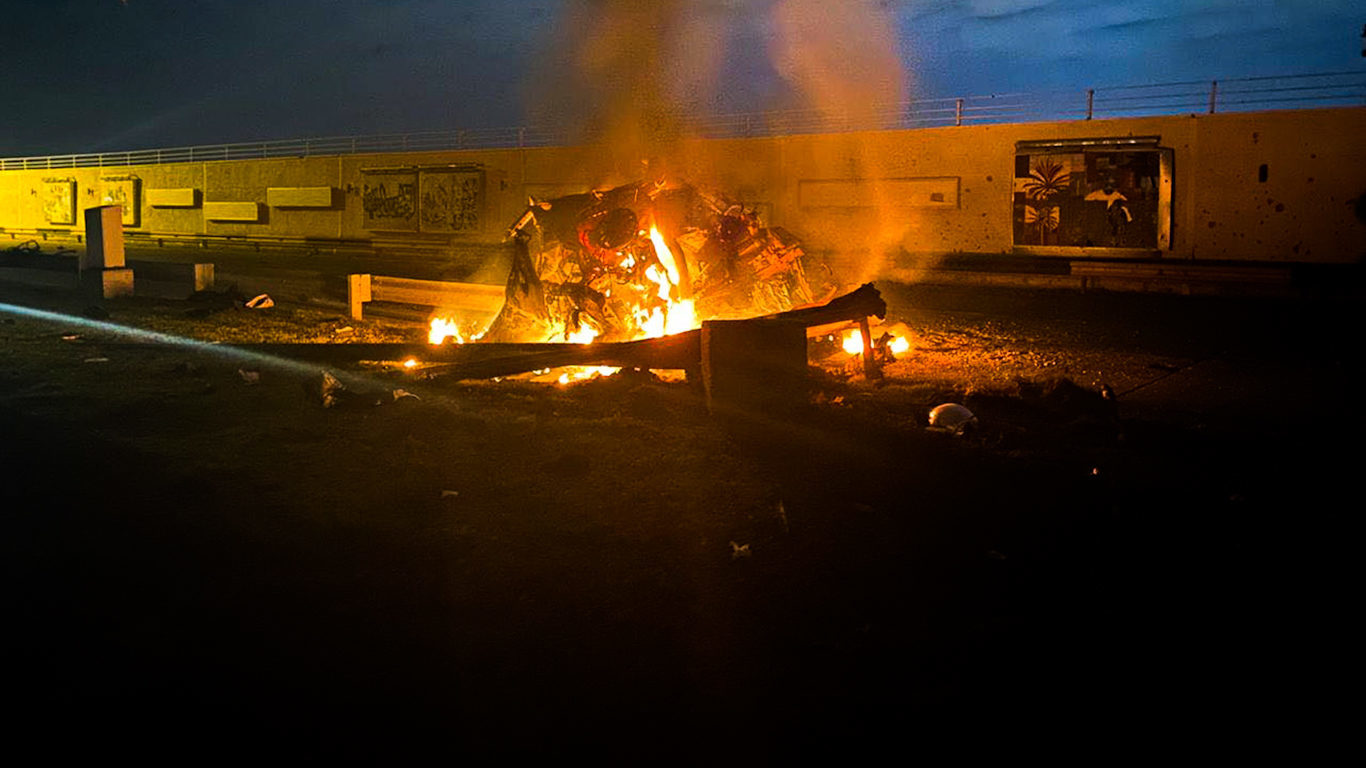
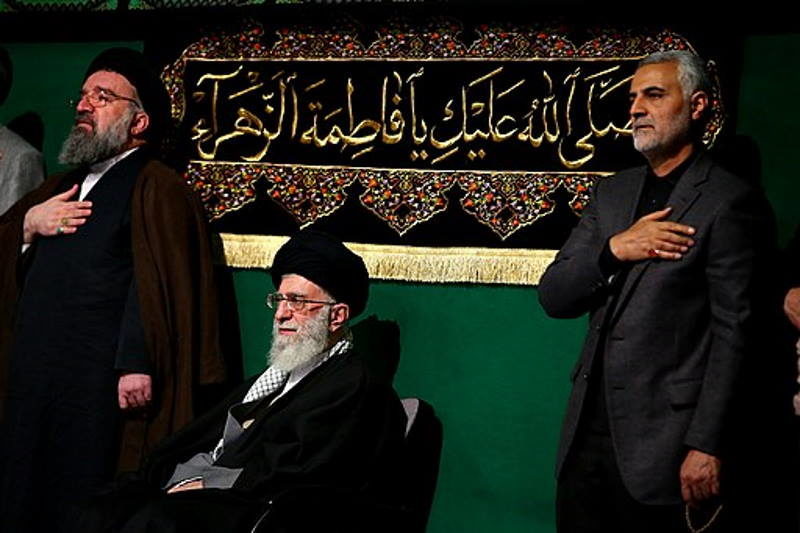
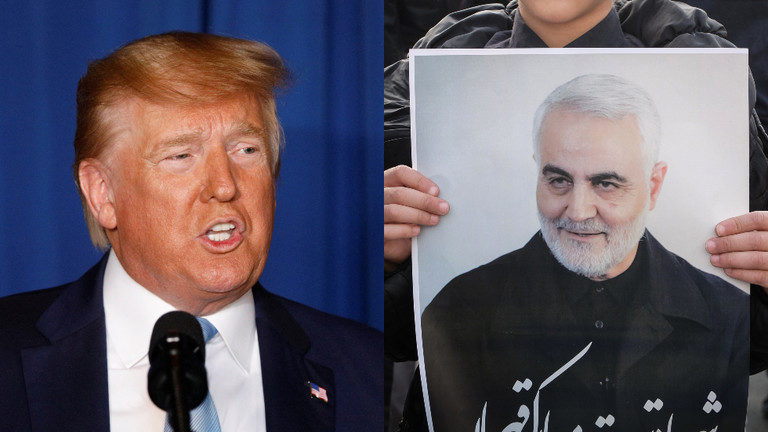
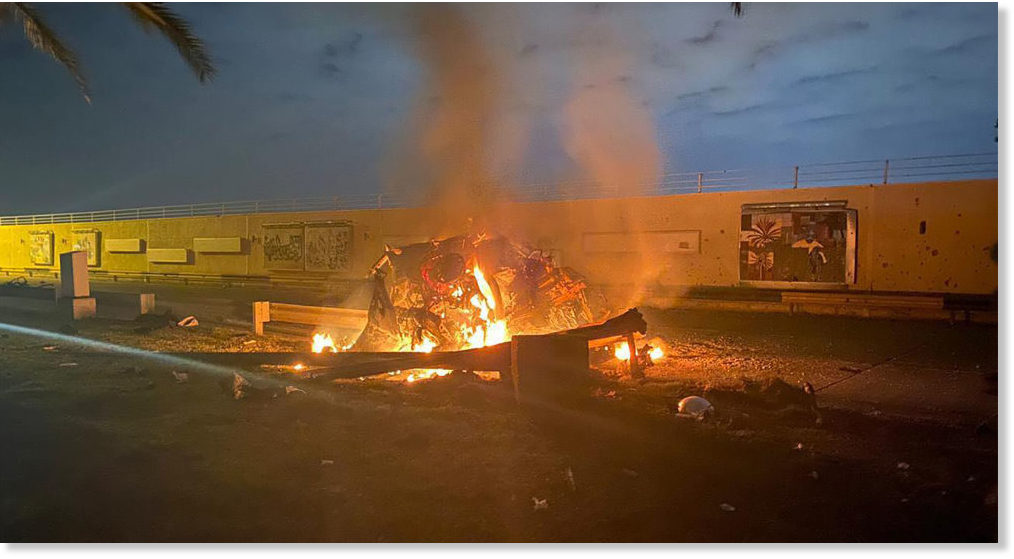
The Trump administration escalated its standoff with Iran to a whole new level on Friday by ordering a targeted assassination of Qassem Soleimani, the commander of Iran's Quds Force. The Iranian general was blown up along with 11 other people, including a senior commander of an Iraqi militia backed by Tehran, when their motorcade was hit by US guided missiles just outside Baghdad International Airport.
The attack marks a dramatic and extremely dangerous change in US policies vis-à-vis Iran, Middle East-based journalist and writer Ali Rizk told RT.
"Trump previously had resorted to what was termed as a 'maximum pressure campaign' .. based on economic sanctions trying to choke Iran economically. That policy appears to have failed... Now Trump has resorted to a new policy of targeted assassinations."
Washington claims it was justified in killing Soleimani because the Iranian general was planning attacks on American citizens. As the commander of the commando branch of Iran's Islamic Revolutionary Guard Corps (IRGC), he was directly involved in coordinating the activities of various militia groups in Iraq and Syria. The militias played an essential part in fighting against the terrorist group Islamic State (IS, formerly ISIS/ISIL) in both countries, boosting Iranian regional influence and Soleimani's personal popularity.











Comment: Iran's UN representative also threatened to take revenge for the assassination: Soleimani's successor, Esmail Ghaani, also warned of consequences: Sputnik provides the following info on Ghaani:
- While announcing Ghaani's new position, Iran's Supreme Leader Ayatollah Ali Khamenei stated that he would continue the policy of now deceased Soleimani.
- The fact that Ghaani had served as Soleimani's deputy ever since the latter took the lead of Iran's elite force in 1997 only adds to the view that the Quds Force's tactics won't change under its new chief.
- In his previous role, Ghaani was reportedly tasked with overseeing various financial operations related to the Quds Force's operations.
- The new Quds Force leader has also taken a tough stance on the US in the past, cautioning President Donald Trump in 2017 against "any military action against Iran", promising that he would regret it.
- Esmail Ghaani was added to the US Specially Designated Nationals list, used to impose sanctions on those whom Washington regards as terrorists, on 27 March 2012.
- Ghaani served during most of the Iran-Iraq War that lasted between September 1980 and August 1988.
The IRGC's deputy commander potentially revealed details of the communications with the Americans, saying that Washington had asked Tehran for a "proportional" response to the assassination: Khamenei said the following: Hezbollah's leader Nasrallah honored his "beloved brother" Soleimani's martyrdom, calling him a "courageous and ingenious commander, an unequaled model, compassionate father of all the Resistants and mujahideen (fighters) of our region": Rouhani called Erdogan to suggest that Iran and Turkey join forces to oppose the U.S.'s actions, adding: "Our silence in response to an aggressive action could lead to further defiance to take more aggressive actions".See also: