

Sources
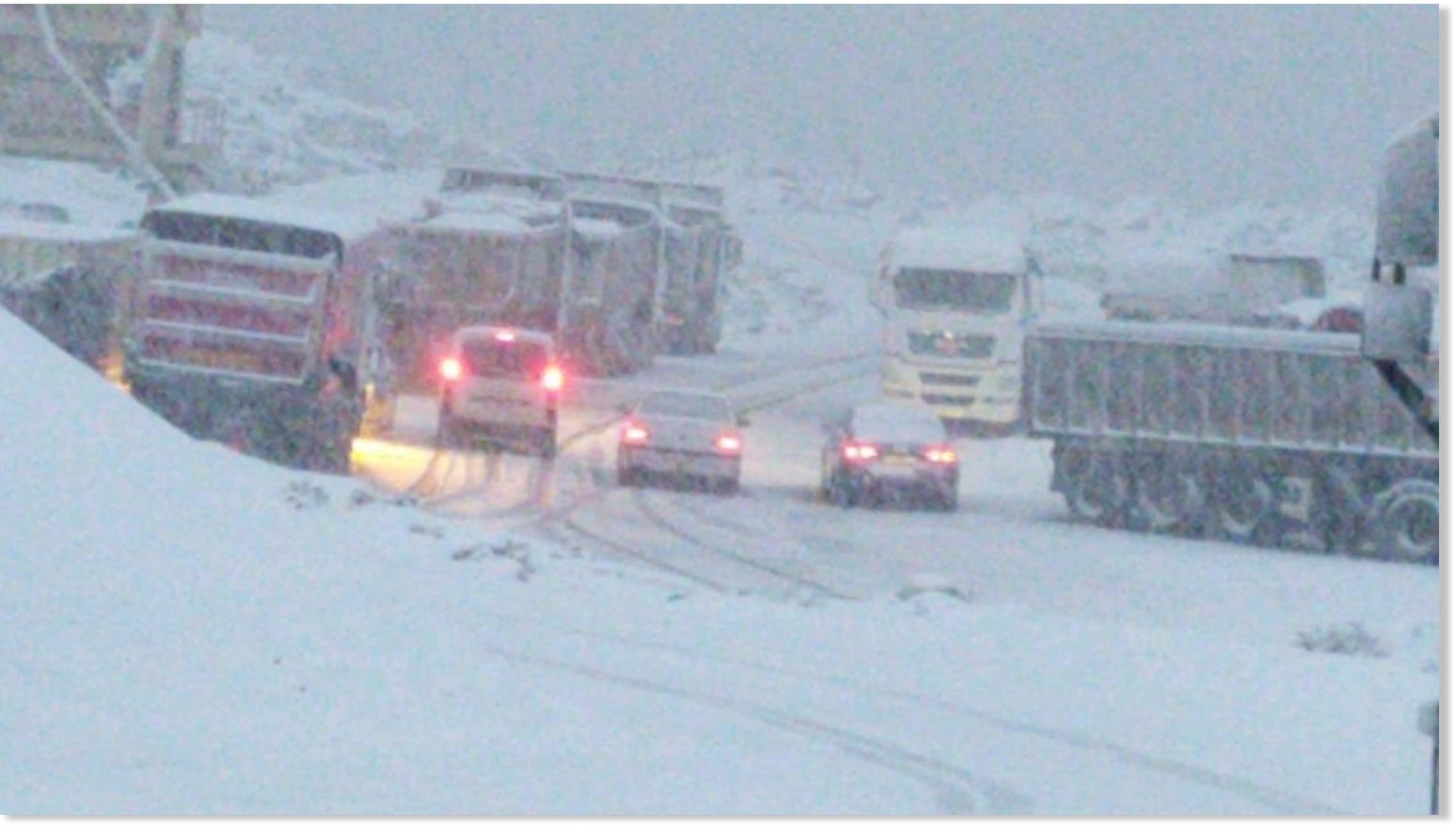
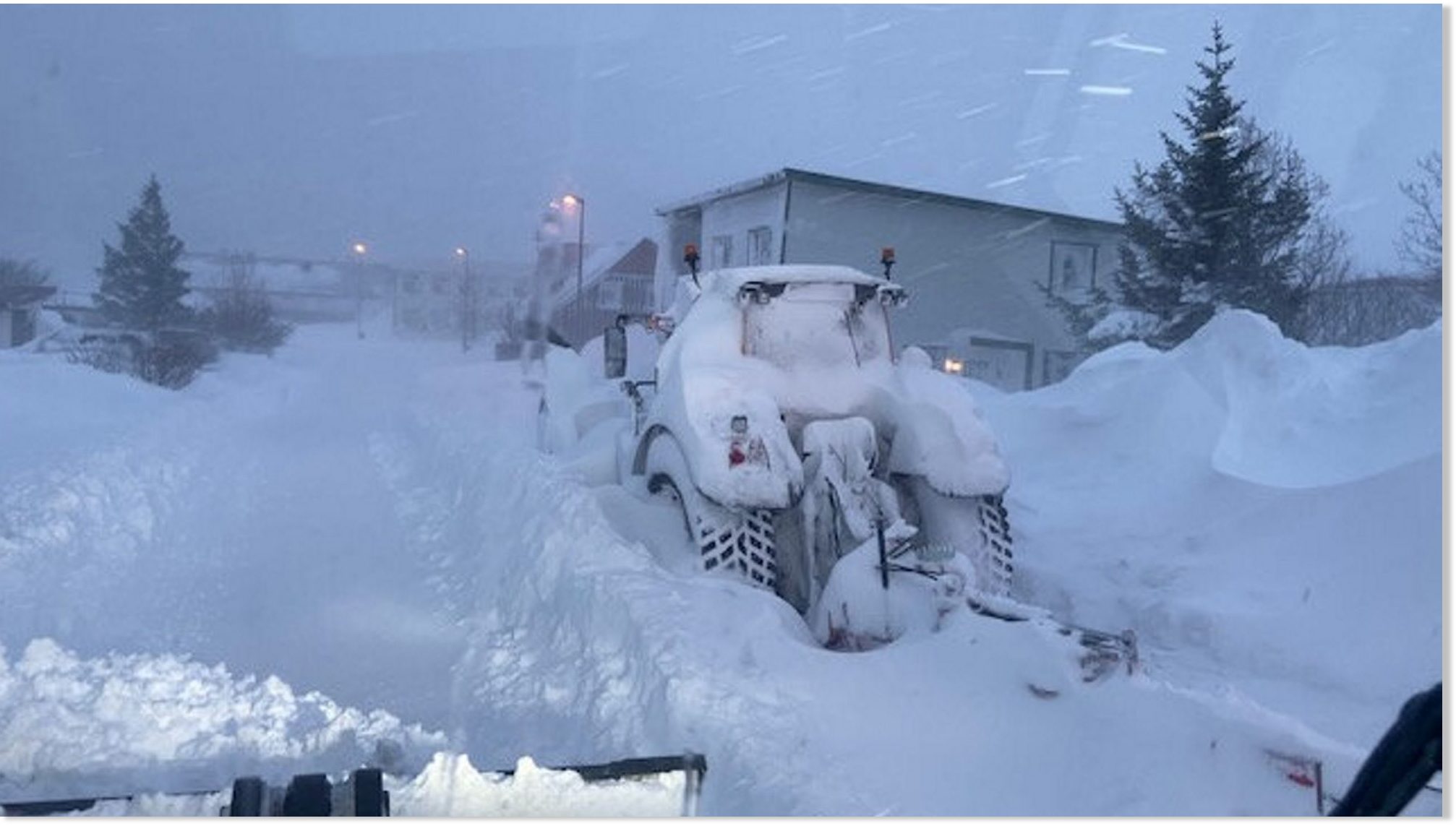
De la #neige aussi dans les #pyreneesorientales #catalunyanord #capcir #lesangles 📷 @LesAnglesSki pic.twitter.com/GvGDHKZW0J
— Météo Pyrénées (@Meteo_Pyrenees) March 16, 2020
❄️ #pasdelacasa #andorra 2513m -2 📷 @MeteoAnd_OECC @Meteo_Pyrenees pic.twitter.com/UMSz7plwgV
— Météo Pyrénées (@Meteo_Pyrenees) March 16, 2020
POURTALET 1800❄️
— Météo Pyrénées (@Meteo_Pyrenees) March 16, 2020
Le retour de la neige ce matin, entre Navarra et Andorra, en versants sud et fond de chaîne. 0 vers 1800m 📷 @hoteldupourtalet @meteopyrenees #pyreneesatlantiques #pyrenees #aragon #pirineos pic.twitter.com/BfNqrmXFMu
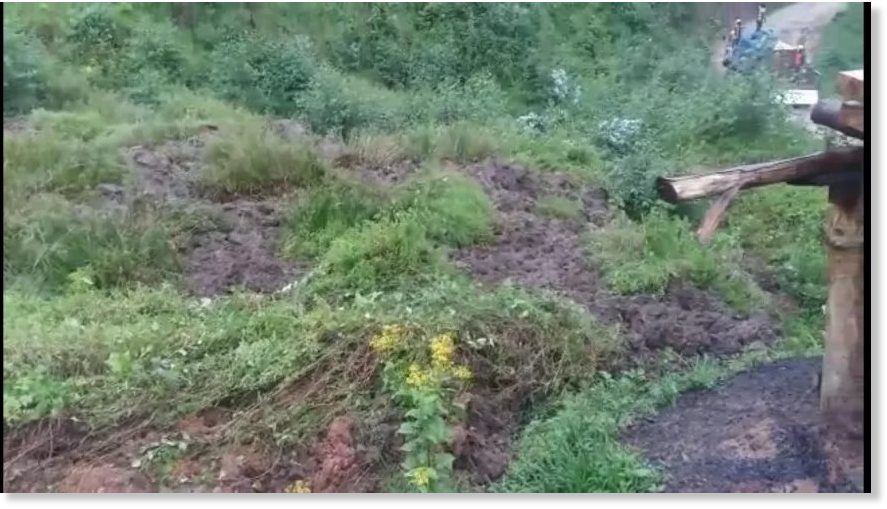
Btw ... I trust many of you already got this footage of "moving grounds" on their wazzaps 😎 pic.twitter.com/b71TrXU7gU
— Albert Rudatsimburwa 🇷🇼 (@albcontact) March 16, 2020

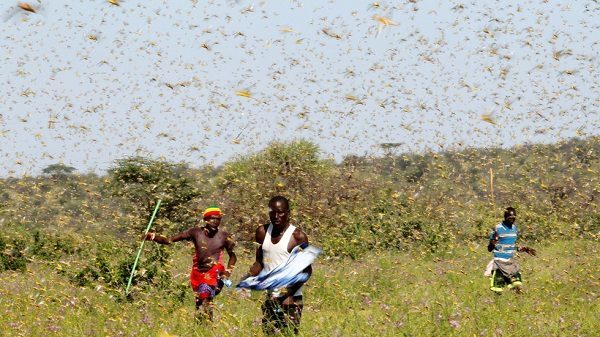
Warmer spring temperatures have also led beetles, moths and butterflies to emerge earlier than in recent years. Similarly, hibernating species like frogs and bears emerge from hibernation earlier in warm springs.All species don't respond to warming the same way. When species that depend on one another — such as pollinating insects and plants seeking pollination - don't respond similarly to changing conditions, populations suffer.See also:
In Japan, the spring-flowering ephemeral Corydalis ambigua produces fewer seeds than in previous decades because it now flowers earlier than when bumblebees, its primary pollinators, are active.
[...]





Comment: An appropriate question asked by one of the commentators (Neil Cooper) below the the video: