
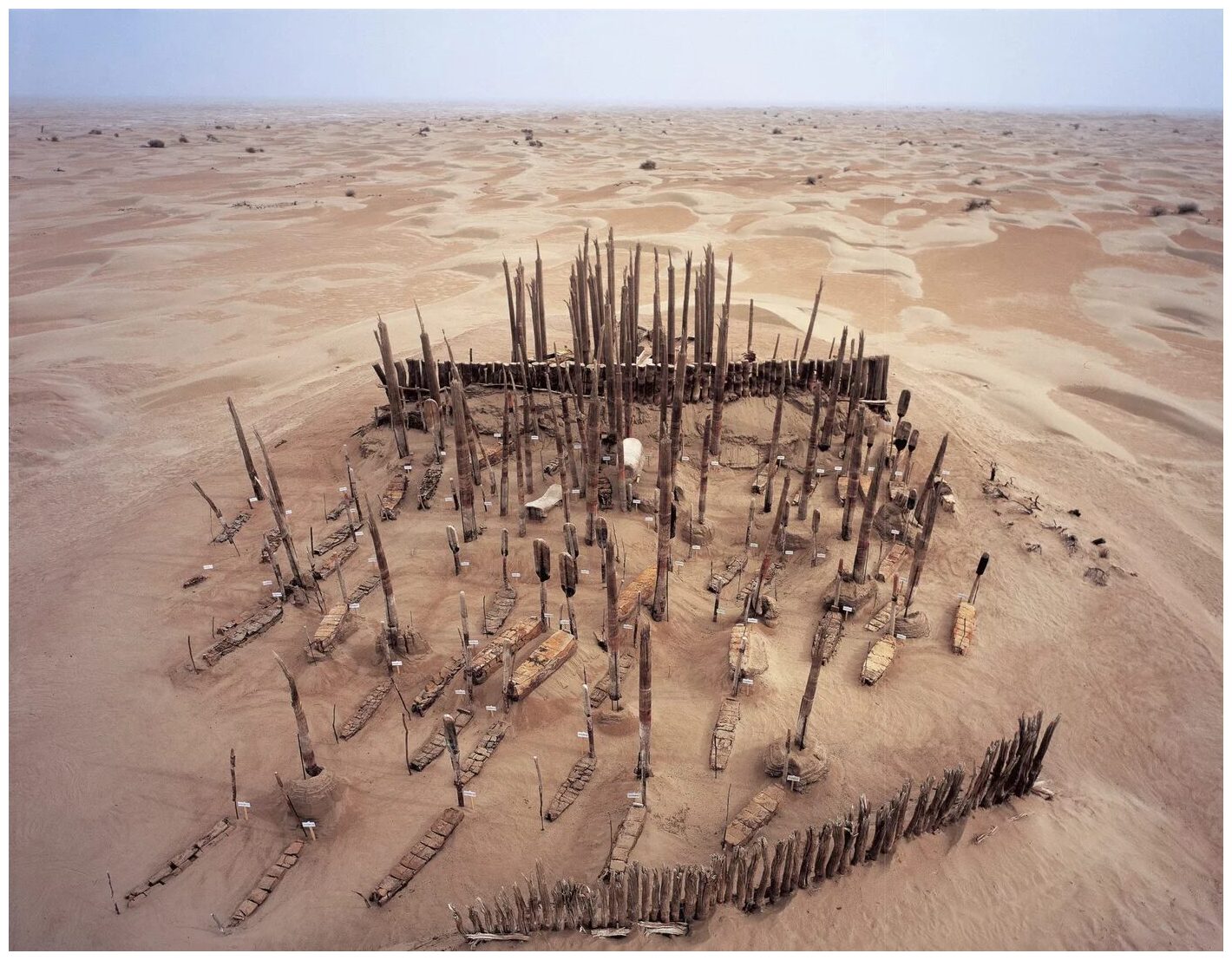
© Wenying Li, Xinjiang Institute of Cultural Relics and ArchaeologyAerial view of the Xiaohe cemetery.
As part of the Silk Road and located at the geographical intersection of Eastern and Western cultures, the Xinjiang Uyghur Autonomous Region has long served as a major crossroads for trans-Eurasian exchanges of people, cultures, agriculture, and languages. Since the late 1990s, the discovery of hundreds of naturally mummified human remains dating to circa 2,000 BCE to 200 CE in the region's Tarim Basin has attracted international attention due to their so-called 'Western' physical appearance, their felted and woven woolen clothing, and their agropastoral economy that included cattle, sheep and goat, wheat, barley, millet, and even kefir cheese. Buried in boat coffins in an otherwise barren desert, the Tarim Basin mummies have long puzzled scientists and inspired numerous theories as to their enigmatic origins.

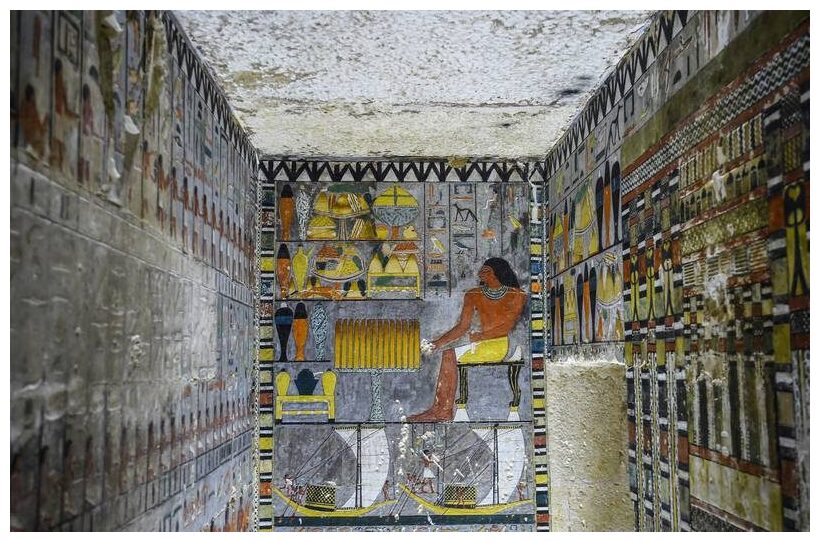


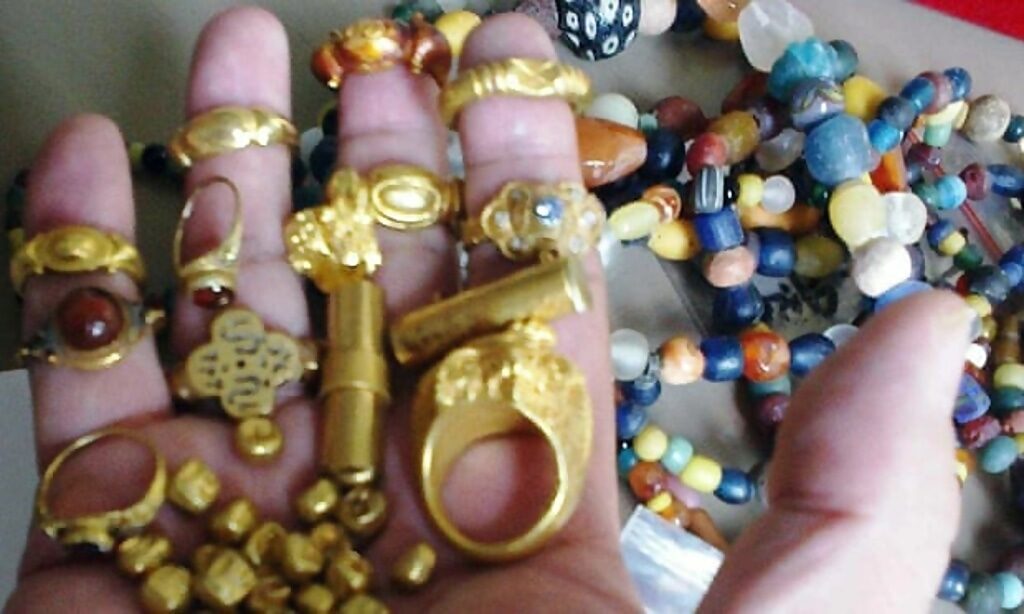

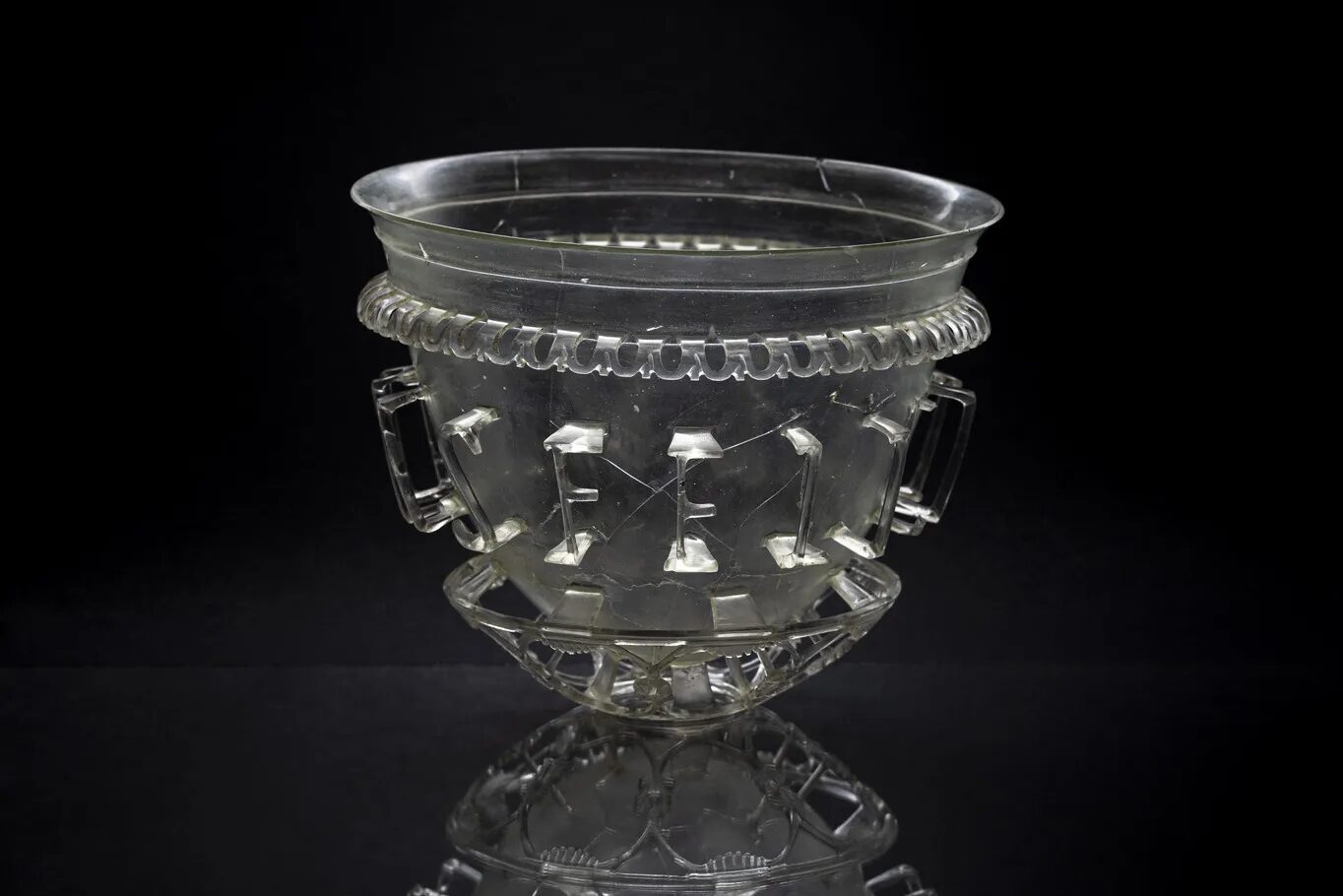






Comment: It seems the discoveries at Autun just kept coming, IN-24 reports: Inrap provides more images of the location and exquisite finds at Autun:
- Prittlewell: Stunning artefacts discovered in Anglo-Saxon nobleman's burial chamber in Southend-on-Sea, England
- Bronze Age Britons were riddled with parasites but had the finest of fabrics
- Ireland's high crosses: Medieval religion, art and engineering
- Staffordshire hoard revealed to be most important Anglo-Saxon find in history
- Rare warrior tomb filled with bronze age wealth and weapons
- Mystery of 2,000-year-old Antikythera 'computer' may be closer to being solved
- Staffordshire hoard revealed to be most important Anglo-Saxon find in history
And check out SOTT radio's: