Science & TechnologyS

Satellite

Russia working on its largest radio telescope yet - will be deployed beyond the moon in 2020s

Russian radio telescope
© roscosmos.ru
Russia is designing the largest-ever radio telescope, seeking to put it into space beyond the orbit of the moon. The probe, expected to be completed by mid-2020s, will be able to provide the most detailed pictures of the universe.

The telescope will be put into the so-called halo orbit - the complex three-dimensional orbit beyond Earth's natural satellite. The Millimetron (Spektr-M) is expected to boast significantly larger capabilities than its predecessor, the RadioAstron telescope, which was launched into space back in 2011 in cooperation between Russia and foreign space-exploring agencies.

RadioAstron, also known as Spektr-R, is one of the largest telescopes ever put into space. Together with ground facilities spread across the globe, it boasts the highest angular resolution of its kind, and is able to produce the most detailed images of the universe.

Info

Native Knowledge: From around the globe, what ecologists are learning from indigenous people about our natural world

Native woman
© LUISA RIVERA/YALE E360
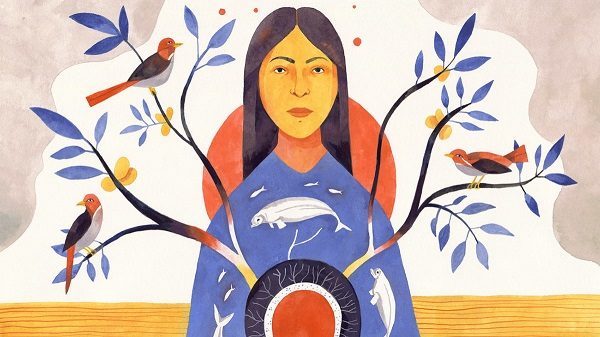
From Alaska to Australia, scientists are turning to the knowledge of traditional people for a deeper understanding of the natural world. What they are learning is helping them discover more about everything from melting Arctic ice, to protecting fish stocks, to controlling wildfires.

While he was interviewing Inuit elders in Alaska to find out more about their knowledge of beluga whales and how the mammals might respond to the changing Arctic, researcher Henry Huntington lost track of the conversation as the hunters suddenly switched from the subject of belugas to beavers.

It turned out though, that the hunters were still really talking about whales. There had been an increase in beaver populations, they explained, which had reduced spawning habitat for salmon and other fish, which meant less prey for the belugas and so fewer whales.

"It was a more holistic view of the ecosystem," said Huntington. And an important tip for whale researchers. "It would be pretty rare for someone studying belugas to be thinking about freshwater ecology."

Around the globe, researchers are turning to what is known as Traditional Ecological Knowledge (TEK) to fill out an understanding of the natural world. TEK is deep knowledge of a place that has been painstakingly discovered by those who have adapted to it over thousands of years. "People have relied on this detailed knowledge for their survival," Huntington and a colleague wrote in an article on the subject. "They have literally staked their lives on its accuracy and repeatability."

Monkey Wrench

CRISPR: It could revolutionize everything from medicine to agriculture

CRISPR
One of the biggest and most important science stories of the past few years will probably also be one of the biggest science stories of the next few years. So this is as good a time as any to get acquainted with the powerful new gene editing technology known as CRISPR.

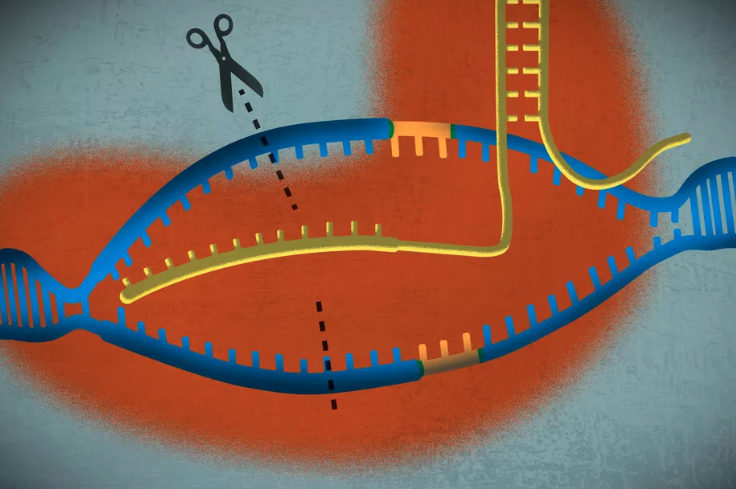
If you haven't heard of CRISPR yet, the short explanation goes like this: In the past nine years, scientists have figured out how to exploit a quirk in the immune systems of bacteria to edit genes in other organisms - plants, mice, even humans. With CRISPR, they can now make these edits quickly and cheaply, in days rather than weeks or months. (The technology is often known as CRISPR/Cas9, but we'll stick with CRISPR, pronounced "crisper.")

We're talking about a powerful new tool to control which genes get expressed in plants, animals, and even humans; the ability to delete undesirable traits and, potentially, add desirable traits with more precision than ever before.

Telescope

Rare Super Blood Moon will turn UK skies red on Monday, January 21

blood moon
© Liverpool Echo


It is also referred to as the Super Blood Wolf Moon


A rare lunar phenomenon is set to turn the skies red this month, thanks to a dazzling astronomical event.

The Super Blood Moon will be visible to millions of people across the UK on Monday, January 21.

The moon will appear reddish in colour, and will look larger and brighter than it usually does.

It gets its name from the Blood Moon, which is also referred to as a total lunar eclipse. This happens when the Earth moves in between the sun and the moon.

Earth then casts its shadow over the moon, which in turn blocks out the sun's light.

Comet 2

Oumuamua data reveals intriguing possibilities

Oumuamua
© M. Kornmesser/European Southern Observatory
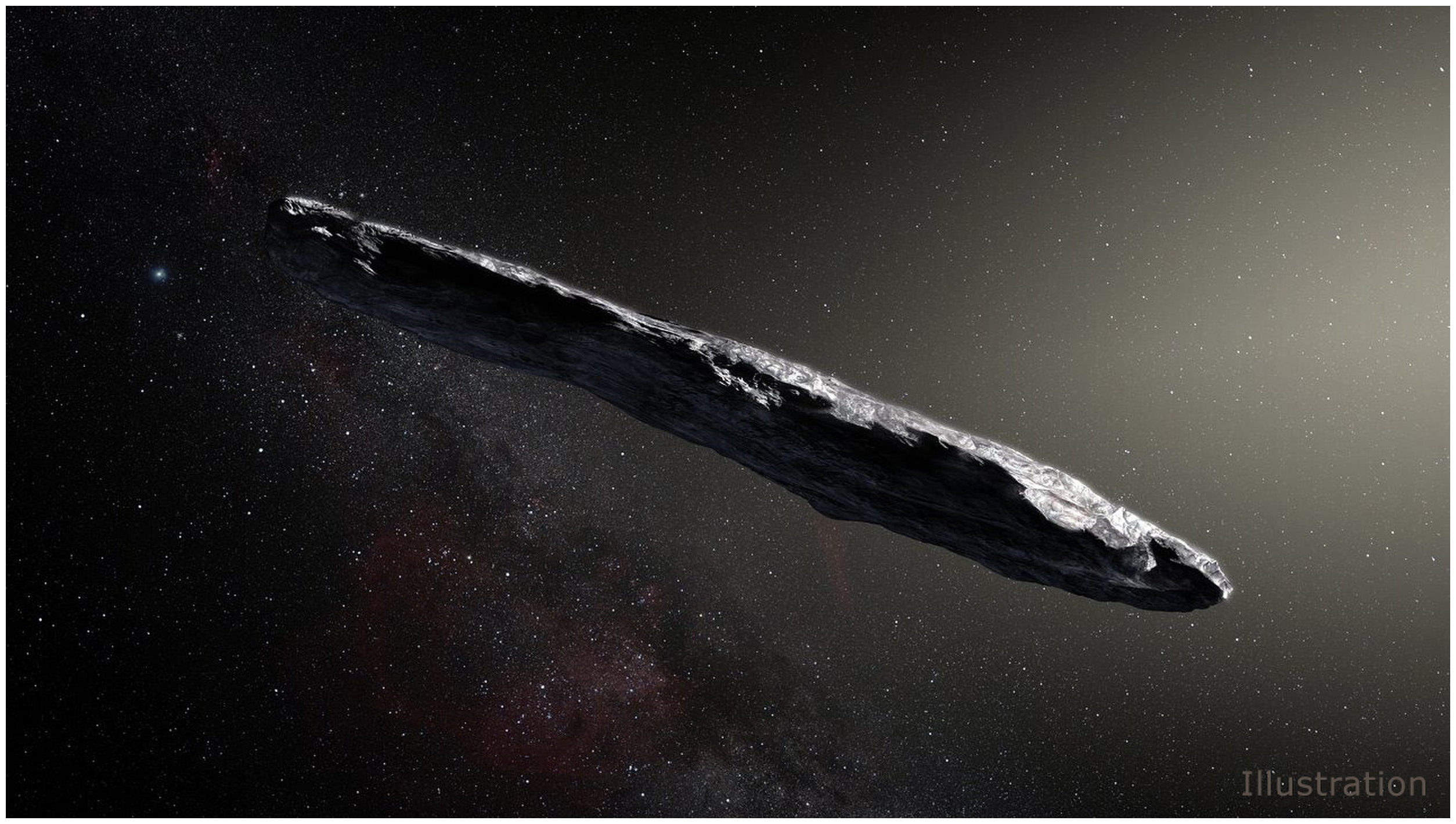
Today, physicist Eugene Bagashov concludes his remarkable three-part analysis of Oumuamua, the mysterious object which is thought to be our solar system's first interstellar traveler. In previous episodes, Eugene has explored several enigmas, including the puzzle of the object's mysterious acceleration as it moved away from the Sun. While this episode was in production, Eugene made a stunning discovery that may provide an essential pathway to understanding Oumuamua's trajectory. As Eugene explains, this discovery relates directly to measurements of the interstellar magnetic field.

People

Survival of the toughest? Holocaust survivors found to live 7 years longer than those who avoided the death camps

Belzec's Nazi death camp
Belzec's Nazi death camp.
Holocaust survivors live seven years longer on average than other Jewish people in Israel who did not experience the horrors of the Nazi genocide - thanks to their DNA.

In a new study, scientists say survivors may have been genetically more resilient to the severe hardships they endured at the hands of the Germans.

This 'cruel Darwinistic selection' - combined with a heightened awareness of their own well-being - has increased their life expectancy beyond that of Israeli Jews who were not caught up in the 20th-century extermination of their people, they claim.

The abominable treatment survivors experienced may have also improved their mental and physical toughness, experts say, and made them more health conscious.

The study of around 83,000 Jewish men and women living in Israel found mortality rates are around 16 per cent lower for those who were not imprisoned.

A combination of these factors has culminated in a life expectancy of 84.8 years of age for survivors.

Hammer

Genetic traceability: Experts agree new GMOs can be detected

GMO Trials
Dr. Yves Bertheau and other experts rebut claims that genome-edited products cannot be distinguished from natural products and thus cannot be detected or regulated

GMO proponents lobbying for lax regulation of GM plants and animals produced with "new GM" techniques, including genome editing, argue that living organisms naturally contain many mutations (DNA damage), making them "natural GMOs". They add that it is often impossible to distinguish mutations induced by the new GM techniques from naturally induced mutations and that therefore GMOs produced with these techniques should not be regulated more strictly than conventionally bred varieties. Furthermore, they argue that GMOs produced with these techniques often cannot be distinguished from naturally bred organisms. They conclude that these GMOs cannot be identified or traced - and because traceability is not possible, it is simply not practical to regulate or label them.

Sun

Sahara swung between lush and desert conditions every 20,000 years, in sync with monsoon activity

Sahara
© Massachusetts Institute of TechnologyA new analysis of African dust reveals the Sahara swung between green and desert conditions every 20,000 years, in sync with changes in the Earth's tilt.
The Sahara desert is one of the harshest, most inhospitable places on the planet, covering much of North Africa in some 3.6 million square miles of rock and windswept dunes. But it wasn't always so desolate and parched. Primitive rock paintings and fossils excavated from the region suggest that the Sahara was once a relatively verdant oasis, where human settlements and a diversity of plants and animals thrived.

Now researchers at MIT have analyzed dust deposited off the coast of west Africa over the last 240,000 years, and found that the Sahara, and North Africa in general, has swung between wet and dry climates every 20,000 years. They say that this climatic pendulum is mainly driven by changes to the Earth's axis as the planet orbits the sun, which in turn affect the distribution of sunlight between seasons-every 20,000 years, the Earth swings from more sunlight in summer to less, and back again.

For North Africa, it is likely that, when the Earth is tilted to receive maximum summer sunlight with each orbit around the sun, this increased solar flux intensifies the region's monsoon activity, which in turn makes for a wetter, "greener" Sahara. When the planet's axis swings toward an angle that reduces the amount of incoming summer sunlight, monsoon activity weakens, producing a drier climate similar to what we see today.

Comment: Let's hope that they didn't adjust the inconvenient facts to fit their climate models; because climate is driven by much greater forces than just sunlight, and, as we can see with the floods, hail and snow occurring right now in the Middle East and Africa, and similarly threatening shifts in the weather patterns around the world, it looks like the whole planet is in the midst of another of those swings: For more on the drivers of these changes, check out SOTT radio's: Behind the Headlines: Earth changes in an electric universe: Is climate change really man-made?

And see SOTTs' monthly documentary tracking the dramatic events that are occurring all over the planet: SOTT Earth Changes Summary - November 2018: Extreme Weather, Planetary Upheaval, Meteor Fireballs


People 2

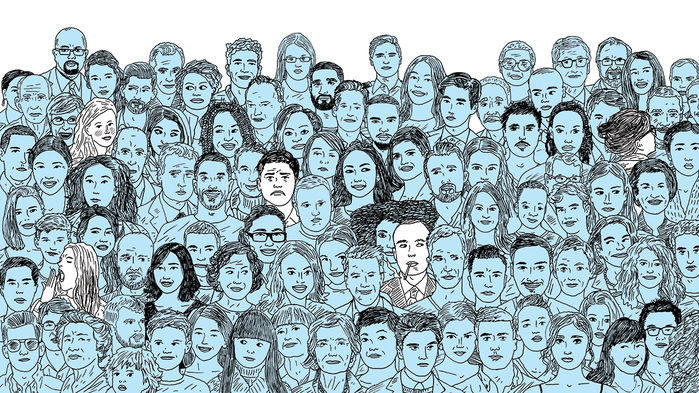
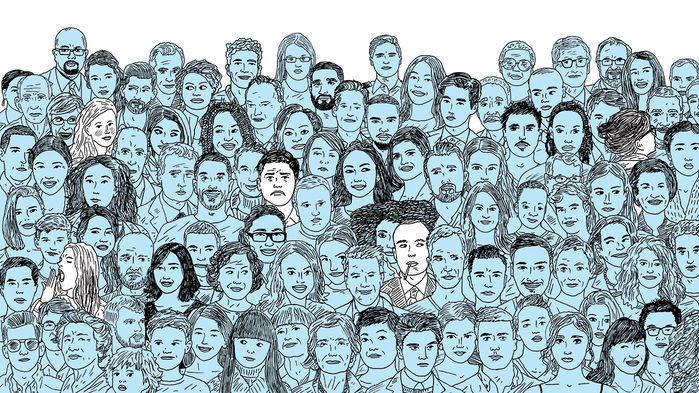
Genetic data on half a million Brits reveal ongoing evolution and Neanderthal legacy

people drawing
© Peter AnkleAmong participants in the UK Biobank are people whose Neanderthal DNA predisposes them to traits such as propensity to sunburn, staying up late, depression, smoking, and feeling lonely.
Among participants in the UK Biobank are people whose Neanderthal DNA predisposes them to traits such as propensity to sunburn, staying up late, depression, smoking, and feeling lonely.

Neanderthals are still among us, Janet Kelso realized 8 years ago. She had helped make the momentous discovery that Neanderthals repeatedly mated with the ancestors of modern humans-a finding that implies people outside of Africa still carry Neanderthal DNA today. Ever since then, Kelso has wondered exactly what modern humans got from those prehistoric liaisons-beyond babies. How do traces of the Neanderthal within shape the appearance, health, or personalities of living people?

For years, evolutionary biologists couldn't get their rubber-gloved hands on enough people's genomes to detect the relatively rare bits of Neanderthal DNA, much less to see whether or how our extinct cousins' genetic legacy might influence disease or physical traits.

But a few years ago, Kelso and her colleagues at the Max Planck Institute for Evolutionary Anthropology in Leipzig, Germany, turned to a new tool-the UK Biobank (UKB), a large database that holds genetic and health records for half a million British volunteers. The researchers analyzed data from 112,338 of those Britons-enough that "we could actually look and say: 'We see a Neanderthal version of the gene and we can measure its effect on phenotype in many people-how often they get sunburned, what color their hair is, and what color their eyes are,'" Kelso says. They found Neanderthal variants that boost the odds that a person smokes, is an evening person rather than a morning person, and is prone to sunburn and depression.


Comment: The scientists involved in this research were obviously unaware of the scientific data that shows evolution is determined by a variety of other complex processes long before natural selection even comes into play, nor how genes alone do not necessarily determine our lives. However, it is fascinating to learn about the myriad of factors involved in where we came from and those that contribute in to making us who we are.

See also: And check out SOTT's radio shows on the matter:


Bulb

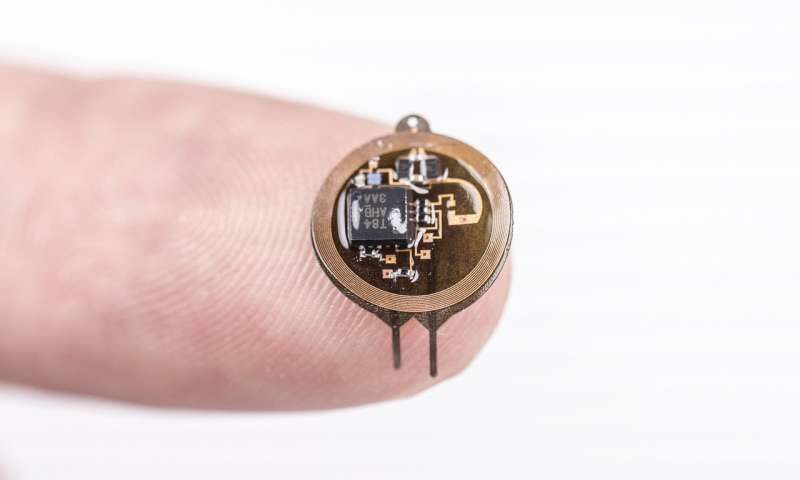
Wireless implants can now control neurons with light

Wireless implant control brain
© Philipp GutrufWireless and battery-free implant with advanced control over targeted neuron groups.
University of Arizona biomedical engineering professor Philipp Gutruf is first author on the paper Fully implantable, optoelectronic systems for battery-free, multimodal operation in neuroscience research, published in Nature Electronics.

Optogenetics is a biological technique that uses light to turn specific neuron groups in the brain on or off. For example, researchers might use optogenetic stimulation to restore movement in case of paralysis or, in the future, to turn off the areas of the brain or spine that cause pain, eliminating the need for-and the increasing dependence on-opioids and other painkillers.

"We're making these tools to understand how different parts of the brain work," Gutruf said. "The advantage with optogenetics is that you have cell specificity: You can target specific groups of neurons and investigate their function and relation in the context of the whole brain."

In optogenetics, researchers load specific neurons with proteins called opsins, which convert light to electrical potentials that make up the function of a neuron. When a researcher shines light on an area of the brain, it activates only the opsin-loaded neurons.

The first iterations of optogenetics involved sending light to the brain through optical fibers, which meant that test subjects were physically tethered to a control station. Researchers went on to develop a battery-free technique using wireless electronics, which meant subjects could move freely.

Comment: No doubt DARPA is finding a myriad of uses for such devices which are initially portrayed as useful for medical and scientific purposes to gain widespread acceptance.