Science & TechnologyS

Bacon n Eggs

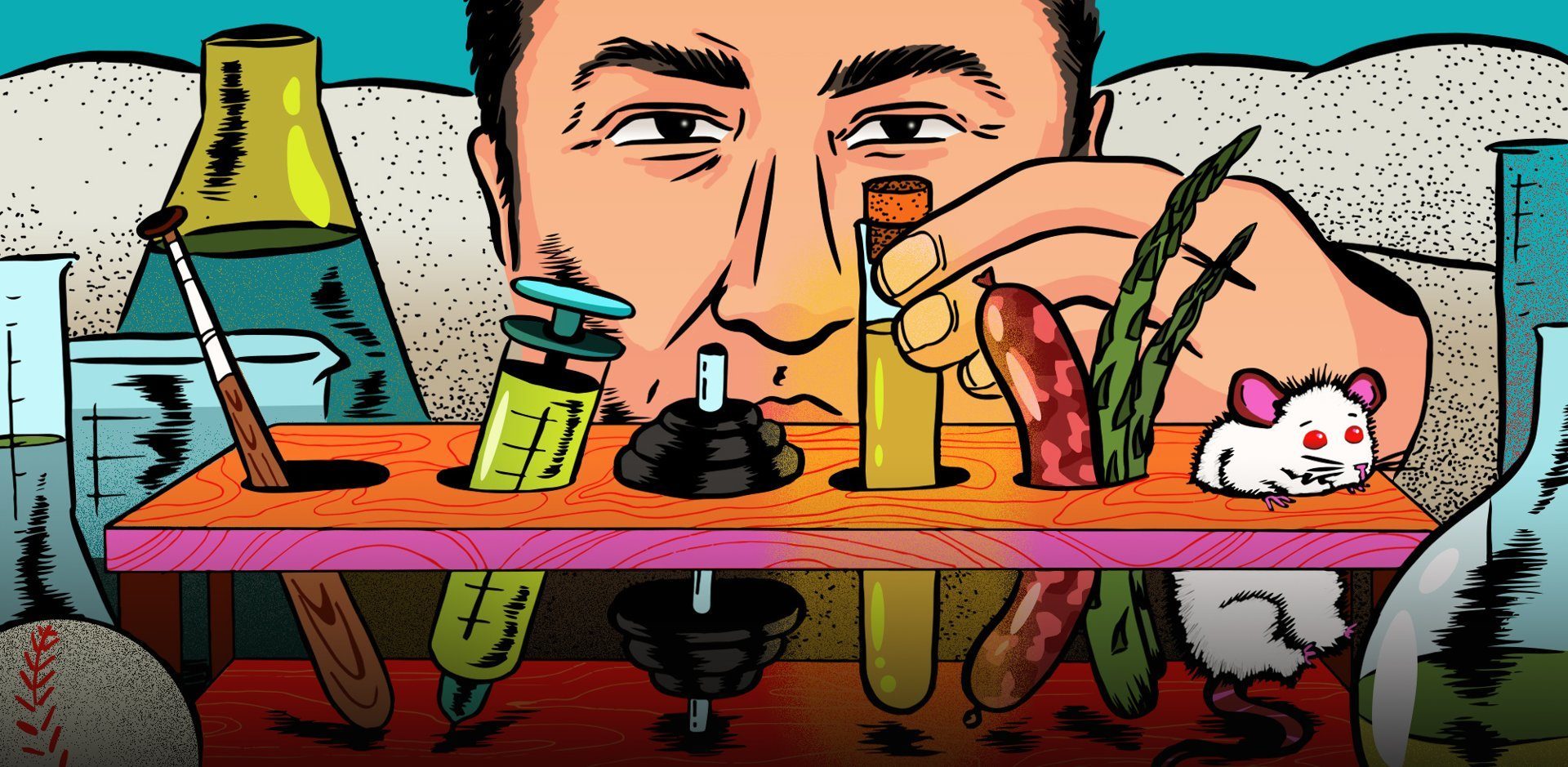
The quest for the perfect ketone by the keto diet's most controversial champion

food diet science chemistry


A chemist once at the center of an era-defining sports scandal now is eager to improve your health.


After 30 minutes, the rat should have been dead. Sealed in a capsule-shaped chamber, the animal was breathing pure oxygen at a pressure high enough to cause a normal rat to have a seizure in five to 10 minutes. Dominic D'Agostino, a researcher at the University of South Florida, stood by, ready to flush the chamber with fresh air and rescue the creature at the first signs of a problem. But 30 minutes became 40 minutes, and still the rat appeared unbothered. At an hour, D'Agostino could only gaze at it on a video monitor with wonder. "The rat was just kind of staring back at us and grooming itself," he says.

Shortly before placing the rat inside the chamber, D'Agostino had injected a new, one-of-a-kind molecule down the animal's throat. Much of D'Agostino's work is funded by the U.S. Department of Defense's Office of Naval Research, and this experiment, which he conducted in mid-2011, was his first test of whether the new molecule could help a rat withstand an onslaught of oxygen. The hope was to one day do the same for Navy divers, who can experience devastating oxygen-toxicity seizures on deep dives.

Snowflake Cold

Scientists probe the limits of ice

snowflake
© CC0 Public Domain
How small is the smallest possible particle of ice? It's not a snowflake, measuring at a whopping fraction of an inch. According to new research published in Proceedings of the National Academy of Sciences, the smallest nanodroplet of water in which ice can form is only as big as 90 water molecules โ€” a tenth the size of the smallest virus. At those small scales, according to University of Utah chemistry professor and study co-author Valeria Molinero, the transition between ice and water gets a little frizzy.

"When you have a glass of water with ice, you do not see the water in the glass turn all ice and all liquid as a function of time," she says. In the smallest water nanodroplets, she says, that's exactly what happens.

Why "ice I" matters

Comment: See also: And check out SOTT radio's: The Health & Wellness Show: Water: What Do We Really Know?


Nebula

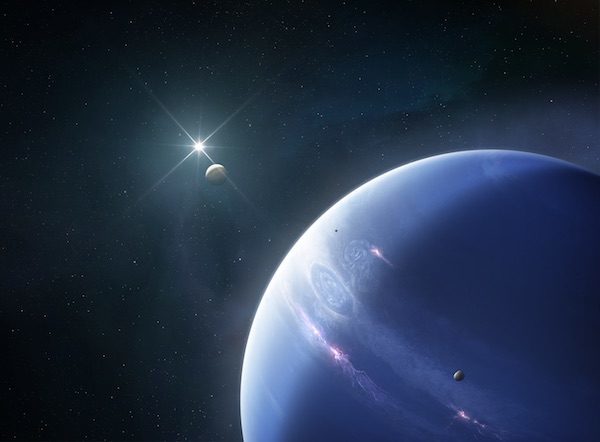
There's something strange going on inside Neptune

Neptune
© All About Space/Tobias RoetschSomething mysterious is going on inside the ice giant Neptune.
When Voyager 2 reached Neptune in 1989, just 12 years after setting off on its historic journey through the solar system, it discovered six new moons, took the first images of the planet's rings and noted a particularly violent storm.

The storm was something of a surprise. In the southern hemisphere there was a swirling, counter-clockwise wind of up to 1,500 mph (2,414 km/h) โ€” the strongest ever recorded. Astronomers called it the Great Dark Spot, and while it had gone by the time the Hubble Space Telescope looked at the planet five years later, they were keen to learn why the winds were so extreme.

They were also perplexed by another issue: Voyager 2 revealed that Neptune is warmer than Uranus, despite being farther from the sun. As physicist Brian Cox discussed in his BBC documentary, The Planets: "The source of this extra heat remains a mystery." But does that mean we have a double-puzzle on our hands, and can one mystery help to explain the other in some way?

Comment: See also: And check out SOTT radio's:


Eye 1

As if listening to you have sex wasn't bad enough, Siri and Alexa can also be hijacked by LASERS, researchers find

surveillance
© Youtube / Light Commands
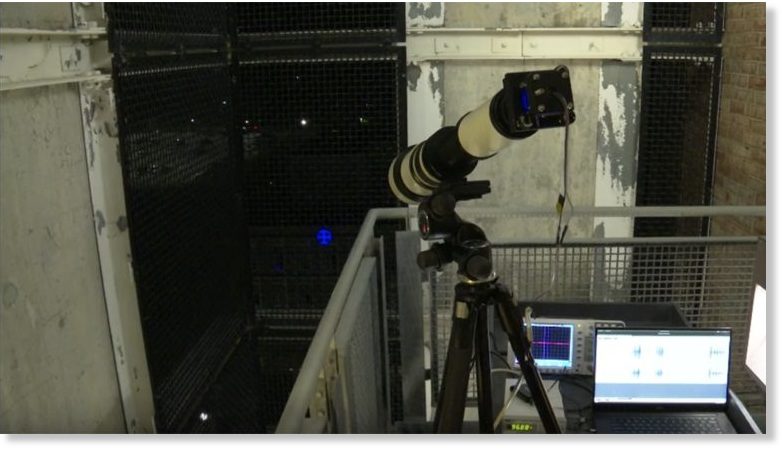
Voice-activated digital assistants can be remotely hijacked by lasers as far as 350 feet away and made to order products, start cars, and otherwise drive a smart-home owner crazy, researchers have discovered.

Google Home, Amazon's Alexa, and Apple's Siri can be remotely hijacked from hundreds of feet away with lasers pointed at their microphones, researchers at the University of Michigan and the University of Electro-Communications in Tokyo found. The takeover is instantaneous and silent - a well-placed command to turn the device's volume down to zero would ensure that even its spoken responses could go unnoticed by its hapless owner.

Researchers were able to open garage doors, crack "smart" locks, make online purchases, and even unlock and start vehicles using carefully aimed lasers. Any system connected to the device can be controlled through this relatively simple mode of attack. Because the microphones on voice assistants work by converting sound into electrical signals, encoding the same electrical signal into a laser beam produces an equivalent response to a particular voice command.

Galaxy

The Universe may be a giant loop

image Universe
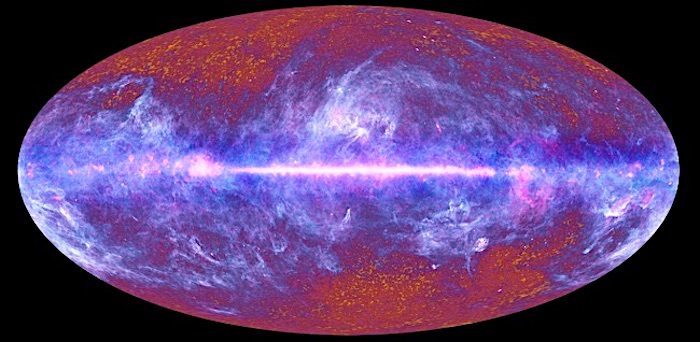
© ESA/Planck CollaborationEarly data via Planck collaboration maps the cosmic microwave background across the sky.
What shape is space?

Everything we think we know about the shape of the universe could be wrong. Instead of being flat like a bedsheet, our universe may be curved, like a massive, inflated balloon, according to a new study.

That's the upshot of a new paper published today (Nov. 4) in the journal Nature Astronomy, which looks at data from the cosmic microwave background (CMB), the faint echo of the Big Bang. But not everyone is convinced; the new findings, based on data released in 2018, contradict both years of conventional wisdom and another recent study based on that same CMB data set.

If the universe is curved, according to the new paper, it curves gently. That slow bending isn't important for moving around our lives, or solar system, or even our galaxy. But travel beyond all of that, outside our galactic neighborhood, far into the deep blackness, and eventually โ€” moving in a straight line โ€” you'll loop around and end up right back where you started. Cosmologists call this idea the "closed universe." It's been around for a while, but it doesn't fit with existing theories of how the universe works. So it's been largely rejected in favor of a "flat universe" that extends without boundary in every direction and doesn't loop around on itself. Now, an anomaly in data from the best-ever measurement of the CMB offers solid (but not absolutely conclusive) evidence that the universe is closed after all, according to the authors: University of Manchester cosmologist Eleonora Di Valentino, Sapienza University of Rome cosmologist Alessandro Melchiorri and Johns Hopkins University cosmologist Joseph Silk.

Microscope 1

To survive in the human gut, bacteria need genetic 'passcode'

gut bacteria
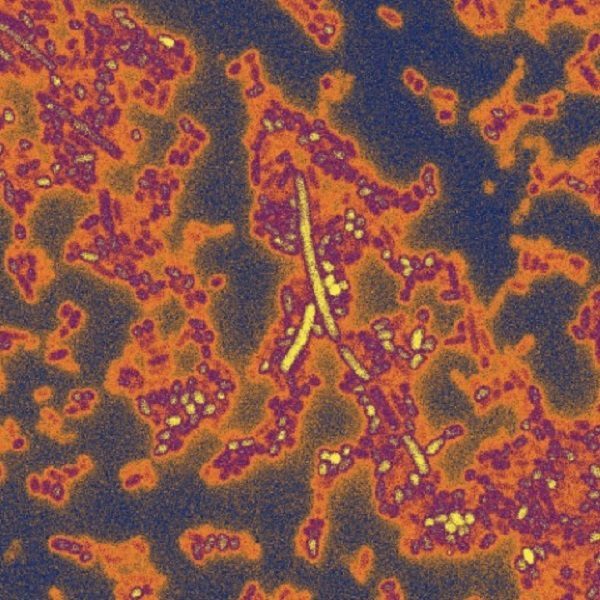
© Kevin Cutler/Mougous Lab/UW/HHMIMany Bacteroides species (a mixture of five shown in this color-enhanced micrograph) reside in the human gut and secrete toxins that bacteria must neutralize to survive.
Humans' guts are a dangerous place.

Bacteria living in people's intestines pump out toxins to deter microbial intruders. But each person's gut comes with its own set of toxins โ€” an individualized "passcode" microbes must solve to survive, scientists report October 30, 2019, in the journal Nature.

The findings suggest that there's not a one-size-fits-all approach to probiotics or live biotherapeutics, the microbial supplements that promote the growth of healthy bacteria, says study coauthor Joseph Mougous, a Howard Hughes Medical Institute (HHMI) Investigator at the University of Washington (UW). His team's work is an early step toward figuring out how scientists might instead tailor beneficial microbes to different people.

Galaxy

Voyager 2 reaches interstellar space: Scientists detect plasma density jump

heliosphere
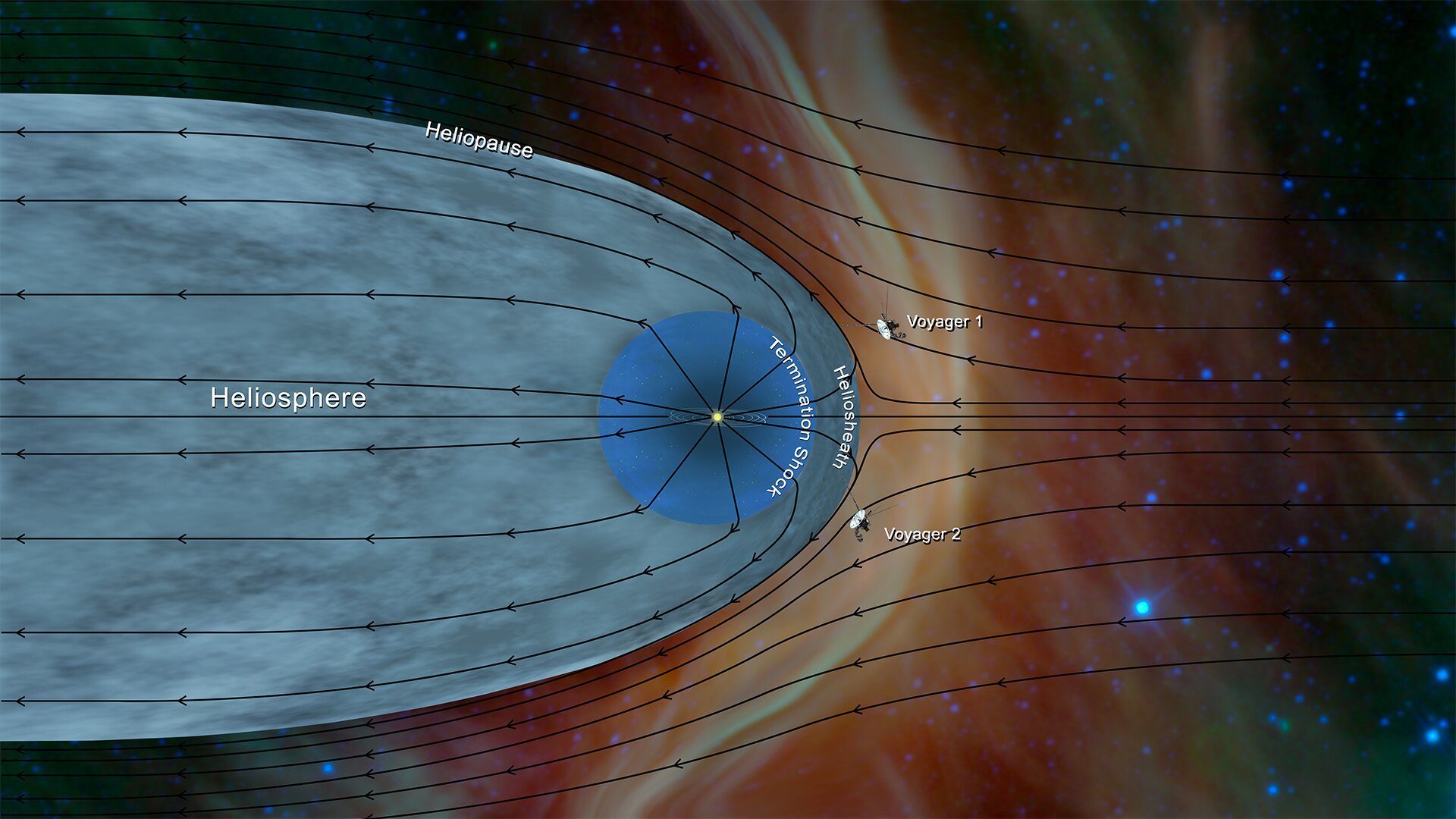
© NASA JPLIowa physicists have confirmed the spacecraft Voyager 2 has entered interstellar space, in effect leaving the solar system. Data from Voyager 2 has helped further characterize the structure of the heliosphere, structure of the heliosphere -- the wind sock-shaped region created by the sun's wind as it extends to the boundary of the solar system.
Researchers at the University of Iowa report that the spacecraft Voyager 2 has entered the interstellar medium (ISM), the region of space outside the bubble-shaped boundary produced by wind streaming outward from the sun. Voyager 2, thus, becomes the second human-made object to journey out of our sun's influence, following Voyager 1's solar exit in 2012.

In a new study, the researchers confirm Voyager 2's passage on Nov. 5, 2018, into the ISM by noting a definitive jump in plasma density detected by an Iowa-led plasma wave instrument on the spacecraft. The marked increase in plasma density is evidence of Voyager 2 journeying from the hot, lower-density plasma characteristic of the solar wind to the cool, higher-density plasma of interstellar space. It's also similar to the plasma density jump experienced by Voyager 1 when it crossed into interstellar space.

Comment: Also check out SOTT radio's:


Galaxy

China may establish Earth-Moon economic zone for space travel and lunar experiments

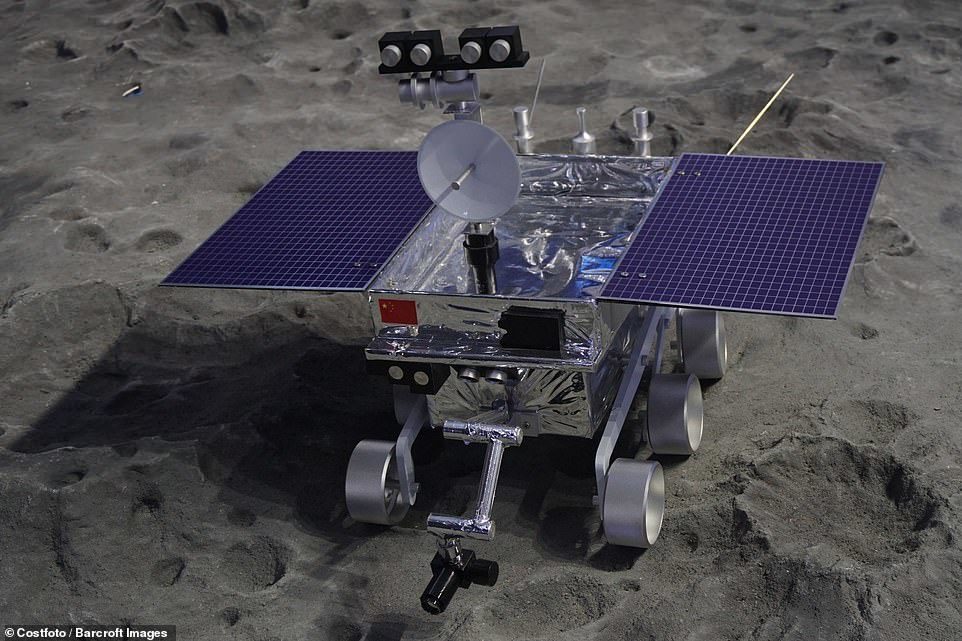
China robotic lunar probe Chang'e-4
A model of China's robotic lunar probe Chang'e-4 is displayed during the 12th China International Aviation and Aerospace Exhibition, also known as Airshow China 2018, in Zhuhai city, South China's Guangdong Province.
China is mulling of establishing an Earth-moon space economic zone by 2050, with insiders expecting the zone to generate $10 trillion a year.

Bao Weimin, director of the Science and Technology Commission of the China Aerospace Science and Technology Corporation, revealed the ambitious plan at a seminar on space economy on Wednesday, media reported Friday.

In a report on developing earth and moon space, Bao shared his thoughts on the huge economic potential in this field and pledged that the country would study its reliability, cost and flight-style transportation system between the Earth and moon, The Science and Technology Daily reported Friday

He pledged to complete basic research and make a breakthrough on key technologies before 2030 and establish the transportation system by 2040. By 2050, China could successfully establish an earth-moon space economic zone, he said.

Many netizens were thrilled by the news, with some saying that "if I can catch a flight to the moon during the rest of my life, I would die without any regrets."

Comment: See also:


Bizarro Earth

Dead Zone? Area with no life found on Earth

Dallol
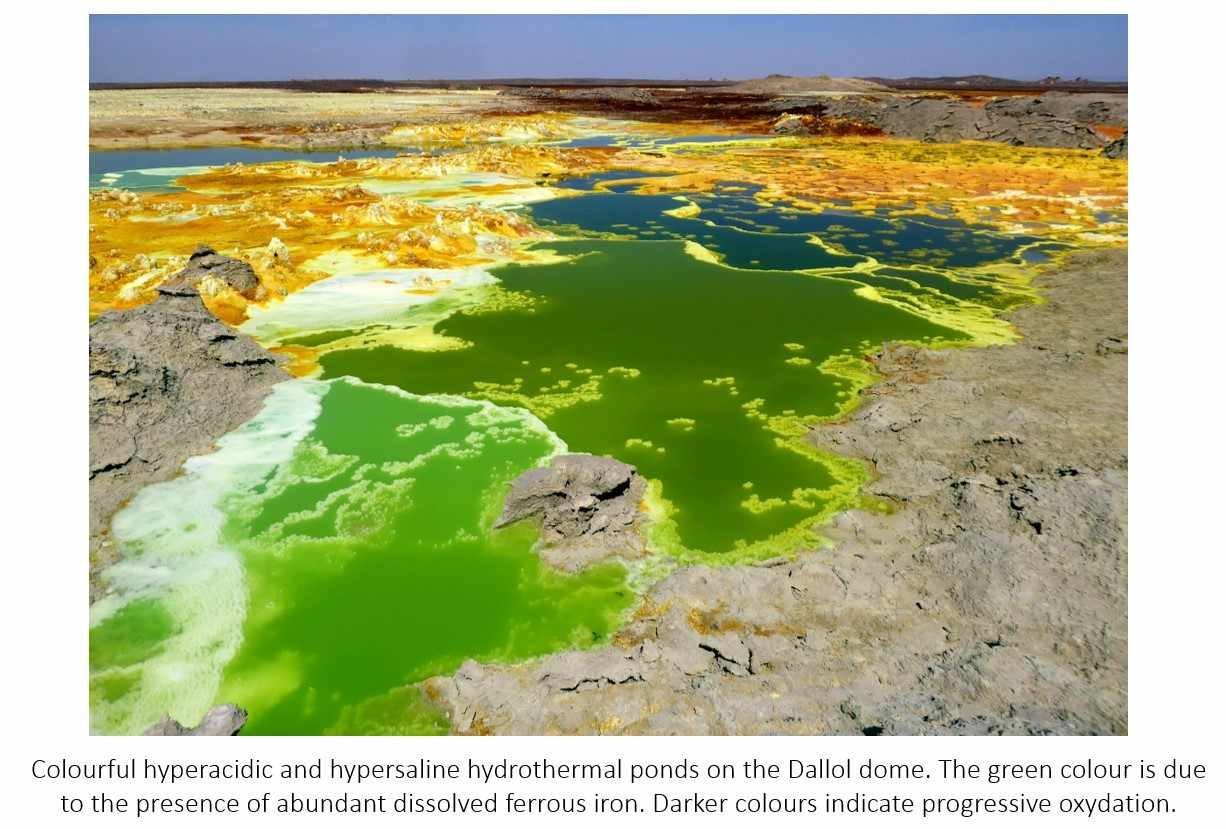
Dallol geothermal complex, Ethiopia
Researchers explored a wide range of samples taken from four zones within the Dallol geothermal complex in Ethiopia between 2016 and 2018.

A group of French scientists say that they had discovered a place on Earth where no life can exist despite the presence of water in the area.

In their findings published by the journal Nature Ecology & Evolution, the Diversity, Ecology and Evolution of Microbes (DEEM) team of biologists from French national research agency CNRS and the University of Paris-Sud said they made the discovery while visiting the "inhospitable" Dallol hydrothermal pools of northern Ethiopia, near the Eritrean border.

"We identify two major physicochemical barriers that prevent life from thriving in the presence of liquid water on Earth and, potentially, elsewhere, despite the presence of liquid water at the surface of a planet being a widely accepted criterion for habitability," the researchers claimed.

Comment: Signs of life have been found in our stratosphere and near volcanic vents which makes this finding, if true, surprising:


Attention

Toronto of the future: Google-affiliated Sidewalk Labs leaked document reveals company's early vision for data collection, tax powers, criminal justice

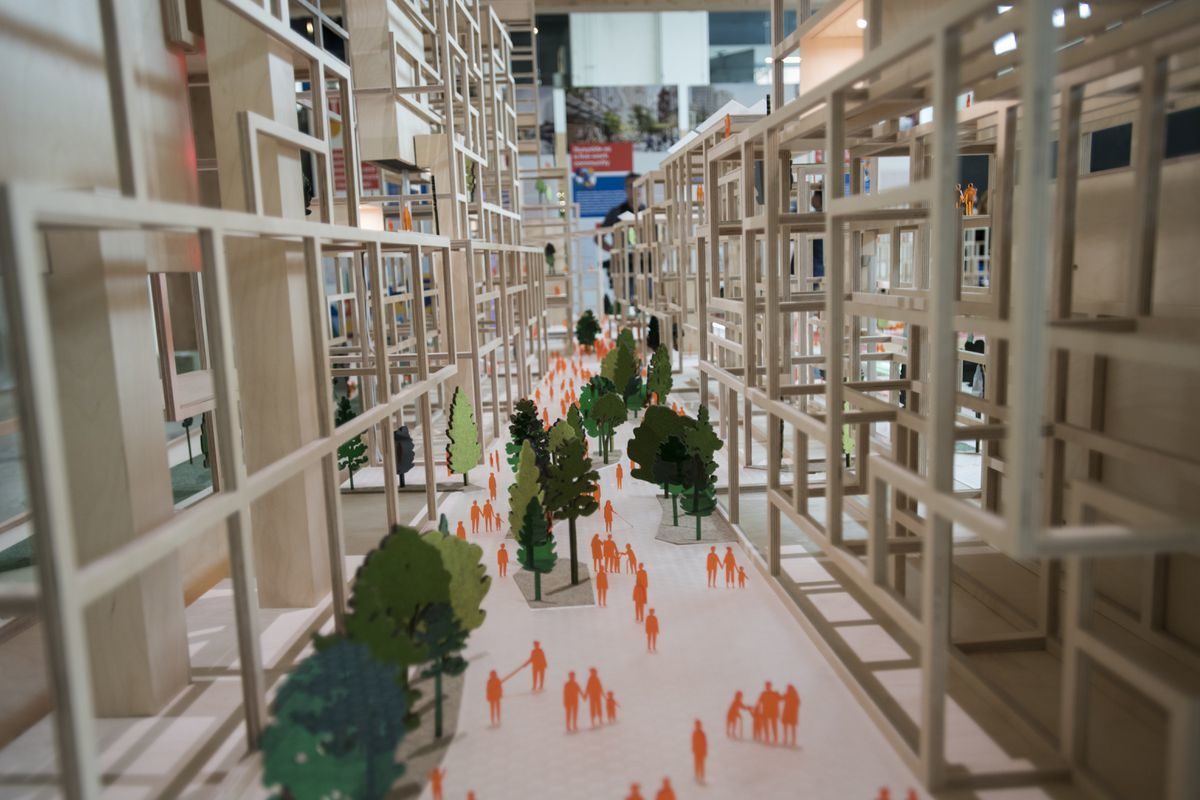
Toronto Sidewalk Labs model
© Fred LumThe Sidewalk Labs office in Toronto includes models of the proposed Quayside project. An internal document from 2016 shows Sidewalk's early plans for data collection and taxation powers.
A confidential Sidewalk Labs document from 2016 lays out the founding vision of the Google-affiliated development company, which included having the power to levy its own property taxes, track and predict people's movements and control some public services.

The document, which The Globe and Mail has seen, also describes how people living in a Sidewalk community would interact with and have access to the space around them - an experience based, in part, on how much data they're willing to share, and which could ultimately be used to reward people for "good behaviour."

Known internally as the "yellow book," the document was designed as a pitch book for the company, and predates Sidewalk's relationship and formal agreements with Toronto by more than a year. Peppered with references to Disney theme parks and noted futurist Buckminster Fuller, it says Sidewalk intended to "overcome cynicism about the future."

Comment: See also: