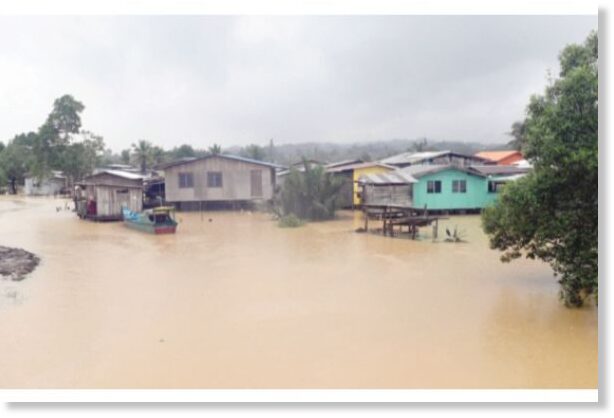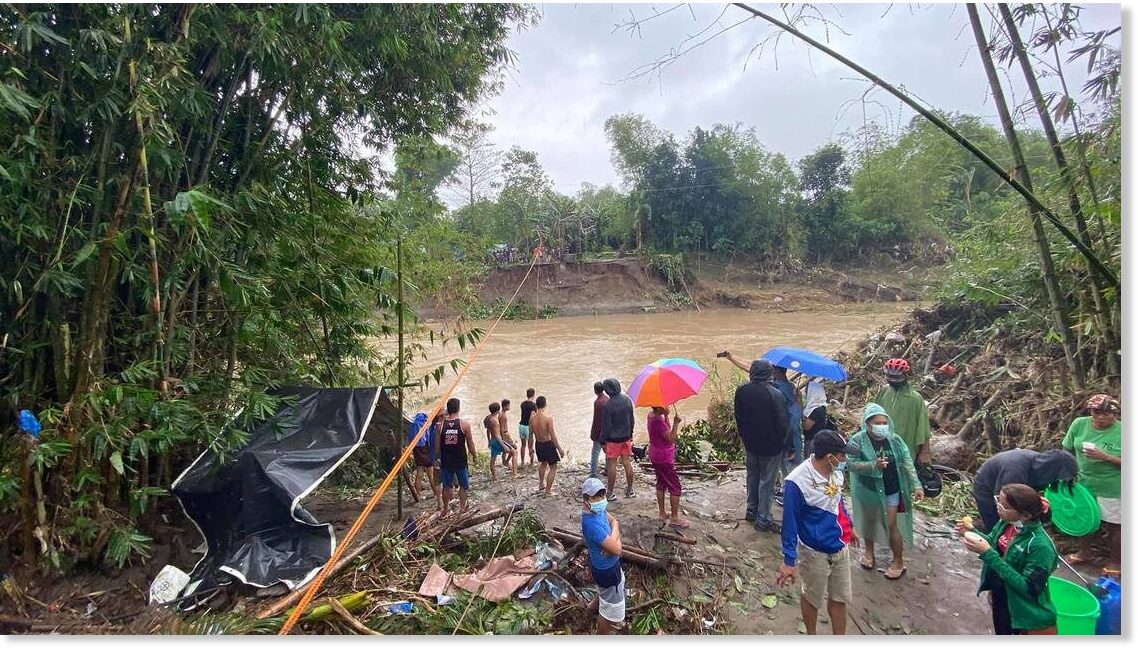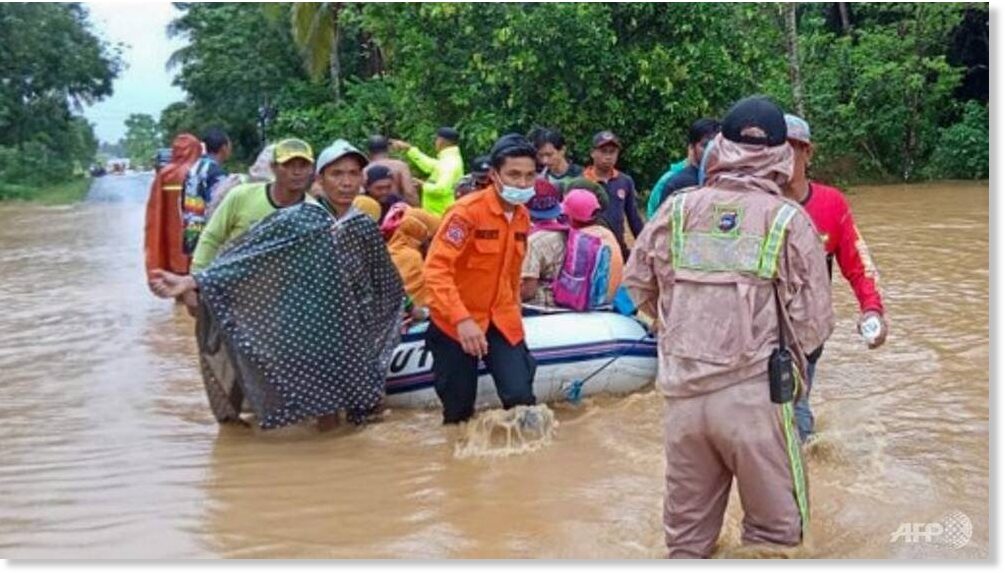
Floods
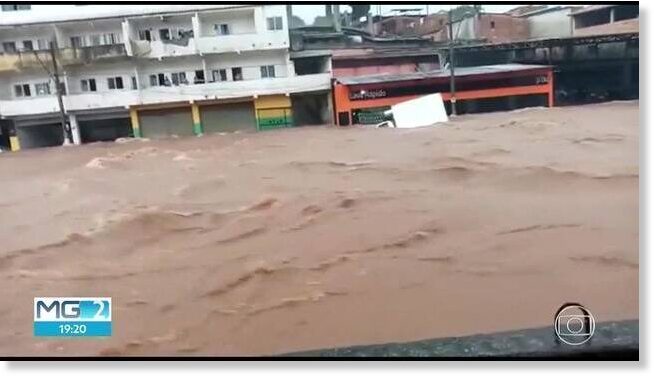
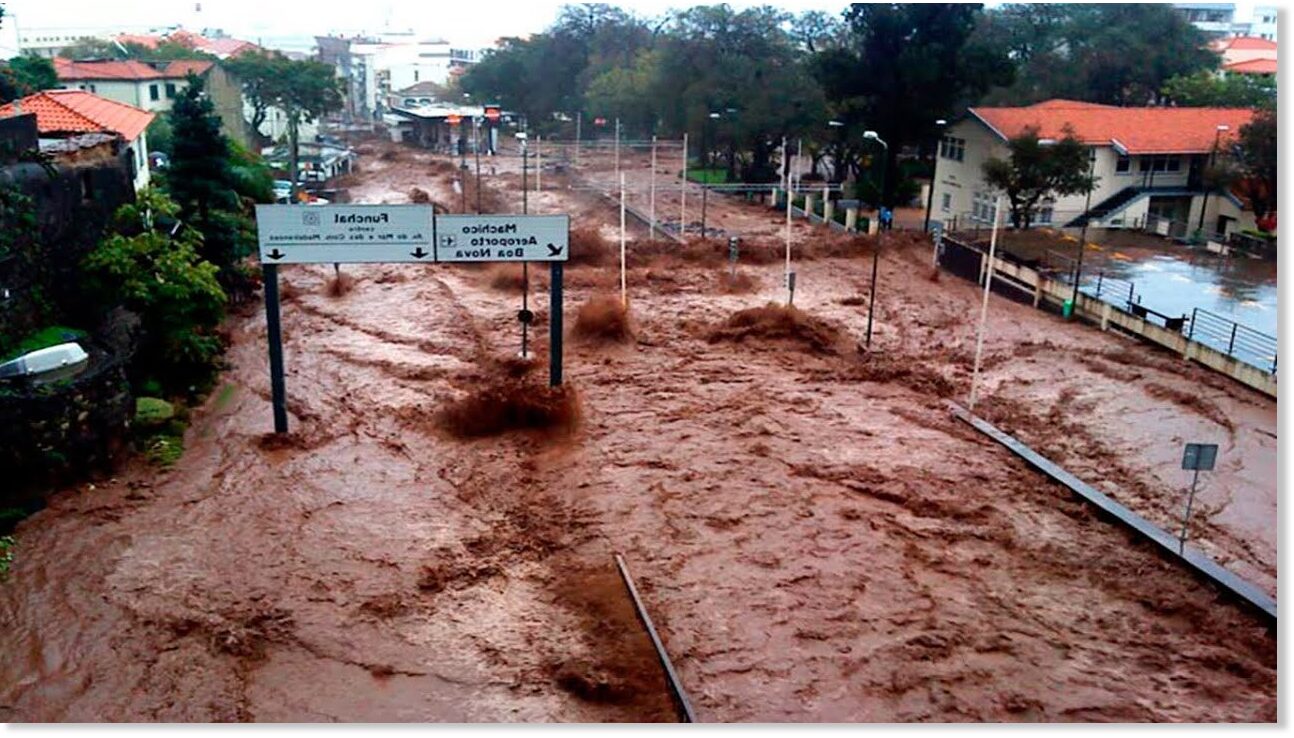
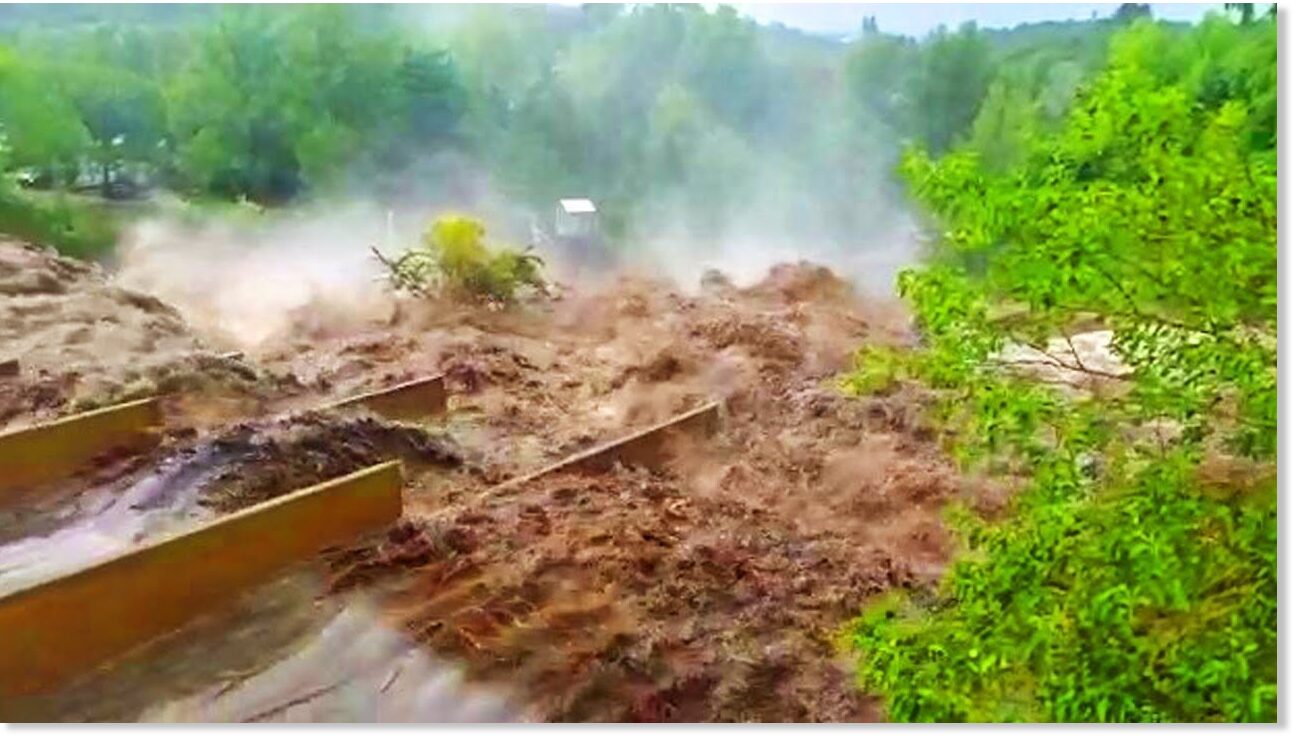
Few farmers would usually complain about rain, but there is such a thing as getting too much and at the wrong time.
Record rainfalls in the past three months in parts of the state have damaged and killed winter crops such as wheat, barley and chickpeas.
The Department of Primary Industries (DPI) said it had been the third wettest winter on record.
Narromine district landowner Greg Broughton said he had lost between 50 and 80 per cent of his crops.
"I've never ever seen it like this at this time of year," Mr Broughton said.
Rachel Alexander's site Intellectual Conservative paid the price for outing Democrat corruption. Meanwhile, What Really Happened posts a warning that its site might not be available because of constant DOS attacks. Conversely, the same problems do not occur with mainstream media (MSM).
Stormy weather in North Hamgyong Province brought nearly 12 inches of rain and caused flooding that resulted in the displacement of 44,000 people, Pyongyang's state-controlled news agency KCNA reported on Saturday, local time.
There are about 15 people missing, according to North Korea state media.
KCNA also stated Typhoon No. 10, which also led to flooding and damages in neighboring Japan, had collided into a "low-pressure area" that had formed in the northwest.

Floodwaters on Japan’s northern island of Hokkaido washed away a building. Japanese media reported that hundreds of residents in Hokkaido and Iwate were stranded.
National broadcaster NHK said police found the bodies of nine people at a home for the elderly that suffered flooding. The home is in the northern prefecture of Iwate, which took a direct hit from Lionrock. Separately, the bodies of an elderly man and an elderly woman were also discovered in Iwate, NHK said.
Rivers in parts of Iwate and the northern island of Hokkaido flooded, inundating residential areas and blocking roads. Television footage showed cars and homes submerged in muddy waters.
Japanese media reported that hundreds of residents in Iwate and Hokkaido were stranded, while several bridges were destroyed or swept away by floods.
Lionrock crossed northern Japan during Tuesday night, becoming the fourth typhoon this season to make landfall in Japan and the first to hit the northeast from the Pacific Ocean since records began in 1951, according to the Japan Meteorological Agency.
Unusual weather patterns led Lionrock to take a slow and wandering path through the Pacific. It started off Japan's eastern coast and initially headed south before making a U-turn to the north and then veering northwest and making landfall.
India's Ganges river floods 'break previous records'; water levels 'unprecedented' at four locations
They said water levels reached unprecedented levels at four locations in northern India.
The highest record was in Patna, the state capital of Bihar where flood waters reached 50.52m (166ft) on 26 August, up from 50.27m in 1994.
Floods across India this year have killed more than 150 people and displaced thousands.
'Unprecedented'
"We have also recorded unprecedented flood levels at Hathidah and Bhagalpur of Bihar state and Balliya of Uttar Pradesh," chief of India's Central Water Commission GS Jha said.
"In all these four places, the floods crossed the previous highest flood level and they all were unprecedented."
Bihar is one of the worst flood-hit states in India with at least 150 deaths and nearly half a million people evacuated.
Neighbouring Uttar Pradesh has also been severely affected by floods in the Ganges.
Water levels have been described as going above car doors and emergency crews have been dispatched to assist stranded pedestrians.
Local news stations KSHB and WDAF, as well as other eyewitnesses, shared harrowing scenes from the city of Westport on Twitter.
The rain in Westport was reported to be dying down, but the full flooding damage has yet to be assessed. Some vehicles, certainly, will be a total loss.

Mourners cremating a body on a rooftop in Varanasi after floods made it impossible to perform the ceremony by the banks of River Ganges.
Heavy monsoon rains have caused rivers, including the mighty Ganges and its tributaries, to burst their banks forcing people into relief camps in the states of Madhya Pradesh, Bihar, Uttar Pradesh, Rajasthan and Uttarakhand.
Government officials in Bihar, which has seen some of the worst flooding this year with almost 120 dead and more than 5 million affected, said the situation was serious.
"The flood waters have engulfed low-lying areas, homes and fields of crops," said Zafar Rakib, a district magistrate of Katihar, one of 24 districts out of Bihar's 38 districts which have been hit by the deluge.

Travis Guedry and his dog Ziggy glide through floodwaters keeping an eye out for people in need on August 17, 2016 in Sorrento, Louisiana. Tremendous downpours have resulted in disastrous flooding, responsible for at least seven deaths and thousands of homes being damaged.
Just this week, the Blue Cut wildfire raged in Southern California, destroying dozens of houses and forcing over 80,000 residents to evacuate.
Also recently, at least 11 people were reported to have died from the catastrophic flooding in south Louisiana. About 30,000 people have been rescued since Friday, when heavy rains started to submerge communities. The flood, which is said to be one of the worst in Louisiana history, had damaged at least 40,000 homes.
The National Oceanic and Atmospheric Administration (NOAA) recently released a report saying that as of July 2016, weather disasters have already caused $8-billion worth of losses across the U.S. NOAA has listed eight weather and climate disasters (2 flooding events and 6 severe storm events), with losses exceeding $1 billion each, including deaths and significant economic impact among affected areas. These weather events are all notable effects of climate change.
The Blue Cut wildfire and the Louisiana flooding are only two of the most catastrophic weather disasters that plagued the country. Here are the other deadly climate catastrophes that hit the U.S. so far in 2016.
Comment: For more coverage on the extreme weather affecting the planet, check out the monthly SOTT Earth Changes Summaries. Last month:
SOTT Earth Changes Summary - July 2016: Extreme Weather, Planetary Upheaval, Meteor Fireballs
We study the day before yesterday in order that yesterday may not paralyze today, and that today may not paralyze tomorrow.Which is a fancy way of saying, what really happened does matter.[1] In a similar vein, John Dominic Crossan said something like, if we get yesterday right, we have a chance of getting today better. So, let's look at yesterday.
Back in 1956, David Ben-Gurion, possibly struggling with his conscience, confessed:
If I were an Arab leader, I would never make terms with Israel. That is natural, we have taken their country. Sure God promised it to us, but what does that matter to them? Our God is not theirs. We came from Israel, it's true, but that was two thousand years ago, and what is that to them? There has been anti-Semitism, the Nazis, Auschwitz, but was that their fault? They only see one thing: we have come and stolen their country. Why should they accept that? [2]"God promised it to us"?
Not so fast. More and more scholars, Jewish and humanist, are questioning the exodus story and that "promise". Rabbi David Wolpe raised just that provocative question before his congregation of 2,200 at Sinai Temple in Westwood, California back in 2001, saying:
After a century of excavations trying to prove the ancient accounts true, archeologists say there is no conclusive evidence that the Israelites were ever in Egypt, were ever enslaved, ever wandered in the Sinai wilderness for 40 years or ever conquered the land of Canaan under Joshua's leadership.[3]Teresa Watanbe continues:
The modern archeological consensus over the Exodus is just beginning to reach the public. In 1999, an Israeli archeologist, Ze'ev Herzog of Tel Aviv University set off a furor in Israel by writing in a popular magazine that stories of the patriarchs were myths and that neither the Exodus nor Joshua's conquest ever occurred.[4]

Landslides in the northern Vietnamese province of Yen Bai caused by tropical storm Dianmu.
The storm made landfall on Friday afternoon in Hai Phong City and Thai Binh Province with winds near the eye of the storm reaching 60 - 90kph, according to the National Center for Hydro-Meteorological Forecasting. Dianmu began weakening by 7:00 pm on the same day and eventually dissipated en route to the northern mountains, with anticipated heavy rainfall, flash floods, and landslides.
The two missing victims were swept away by flood water while the injured were caught under fallen trees, muds, and collapsed homes, The Department of Natural Disaster Prevention and Control said.
A total of 44 houses were knocked down entirely or washed away, while the roofs of 651 residences were damaged by strong winds, it continued, adding that 1,511 houses had been submerged in flood and 2,154 households had been evacuated.
The tropical storm also ravaged 8,843 hectares of paddy field and 1,189 hectares of other crops, while uprooting 252 trees planted across the region. About 14 small bridges were destroyed and many sections of national and provincial highways were damaged in the provinces, creating problems for local traffic.Several electric lines were also impacted and about 63 utility posts broken, according to the report.


Comment: Floods in India kill 300, affect 6 million