Animals
S


Biohazard

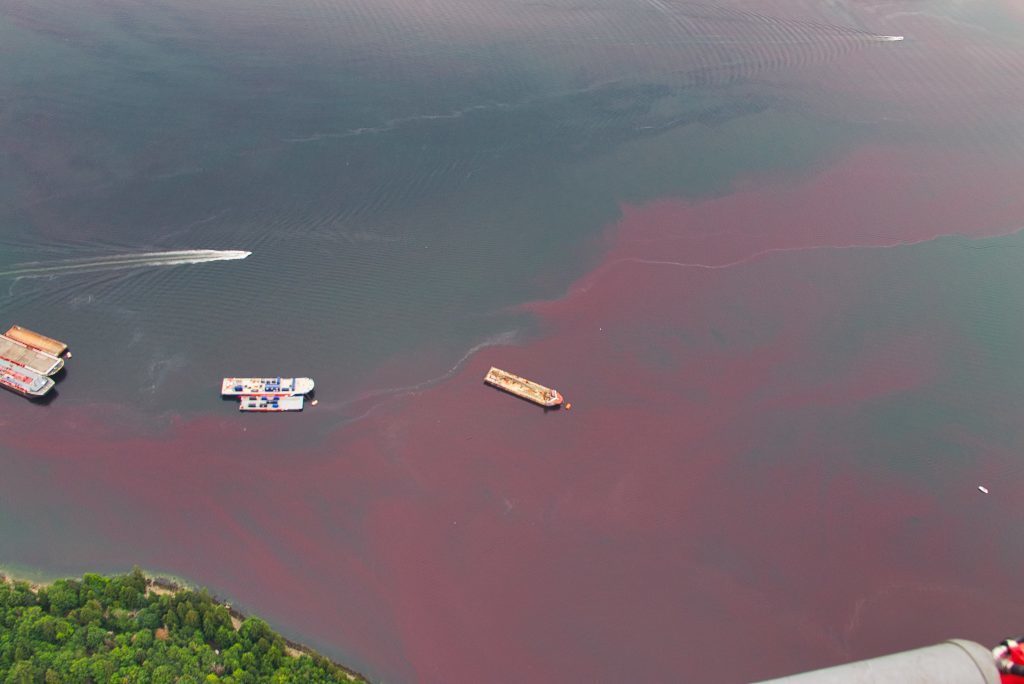
Toxic algae bloom turns Vancouver harbour waters blood red

vancouver red tide
© Pete Cline @yvrnewsphotog
Throughout the week, several photos have been posted online of the Vancouver harbour. These were not ordinary pictures, as the waters looked bright red!

This is not the first time the waters in Vancouver have turned this vibrant blood red color and it is entirely due to an algae bloom.

The algae producing this phenomenon — Noctiluca scintillans — is erroneously known as "red tide". It is not to be confused with red tide poisoning in fish.

Comment: With our planet undergoing extreme temperature swings in its descent to a much colder climate overall, as well as a number of other contributing factors, these algae bloom events appear to be on the increase:


Binoculars

Greater sand plover from arid areas of Asia turns up in Iceland

greater sand plover
© Guðmundur FalkGreater sand plover in Iceland
A greater sand plover was spotted at Hvalsnes on the Reykjanes peninsula this week, RÚV reports. It is only the second time ever the species has been spotted in Iceland. The greater sand plover breeds in Turkey and eastward through Central Asia, and is rarely spotted in Europe.

The greater sand plover was first recorded in Iceland in Skagafjörður fjord, in the north of the country. Ornithologist Gunnar Þór Hallgrímsson says the species is closely related to the ringed plover, which is relatively common in Iceland. The bird was spotted by Guðmundur Hjörtur Falk Jóhannesson, a bird photographer, who managed to snap some photos of the rare visitor.

Gunnar Þór says greater sand plover numbers are not high and the bird is nowhere near common, making its appearance in Iceland even more remarkable.

Comment: Maybe some change in the planet's environment is interfering with this bird's ability to correctly utilise the Earth's magnetic field to navigate by? See also this: Animal Magnetism: How the magnetic field influences animal navigation

Extract -
Human impacts on the Earth's magnetic field

Humans have an impact on so many aspects of the earth's ecology. While wrangling with the magnetic field might seem like an activity that is out of our reach, human-induced electromagnetic noise could be a concern for migrating animals.

In a 2014 study published in the journal Nature, laboratory studies on robins showed birds that were exposed to background electromagnetic noise had trouble discerning which way was south.


While other studies have not seen the same impact from everyday background noise, it's prudent to be aware that human-induced electromagnetic disturbances could have an impact on some animals' highly-tuned sensory systems.
Then again, perhaps any magnetic changes of a natural kind may also play a role? Earth's magnetic field is weakening 10 times faster now


Info

The 1,000th California condor has hatched in a victory for the species that nearly went extinct

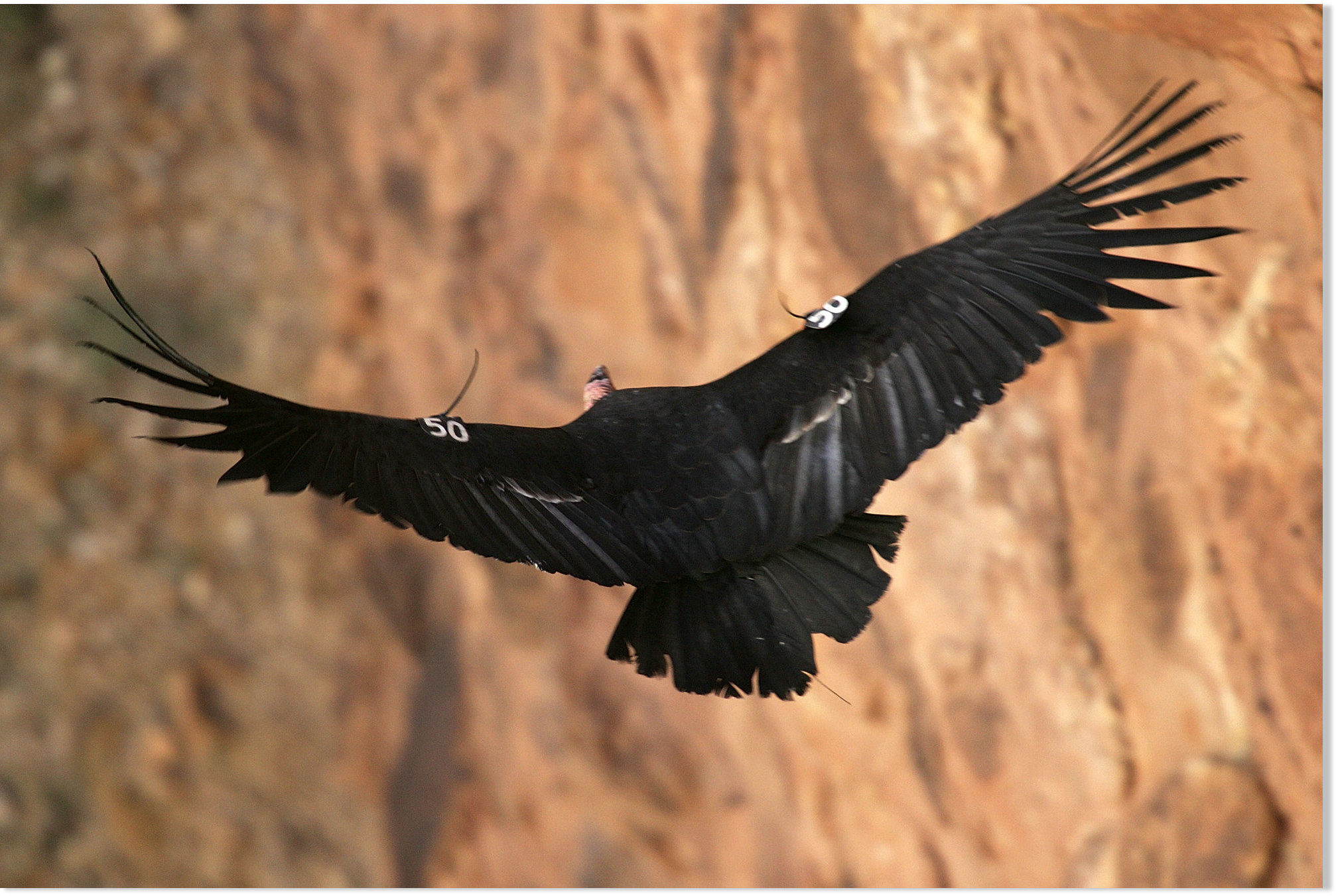
A rare and endangered California condor flies through Marble Gorge, east of Grand Canyon National Park March 22, 2007 west of Page, Arizona.
© David McNewA rare and endangered California condor flies through Marble Gorge, east of Grand Canyon National Park March 22, 2007 west of Page, Arizona.
The California condor once tip-toed dangerously close to extinction, with only 22 left in the wild in 1982.

Now, the rebounding species is marking a millenary milestone.

In a victory for conservation, wildlife officials recently announced that the 1,000th California condor chick has hatched more than 30 years after efforts began to recover the critically endangered species.

The chick hatched in May at Zion National Park in southwest Utah, park officials said earlier in July.

Bug

Flesh eating Obama worm with hundreds of eyes poses new threat to Spanish wildlife

obama worm flesh eating spain
© SEO /BirdlifeThe Obama Nungara is the latest invasive species to threaten Spanish wildlife.
An invasive flatworm that has been accidentally imported from South America is posing a new threat to soil health and wildlife in one of Spain's most fragile ecosystems.

The Obama flatworm (Obama nungara) which can grow up to 7cm long and has hundreds of tiny eyes distributed across the length of its body has been discovered thriving in the rice paddies of the Parc Natural de L'Albufera in Valencia.

Named after the Brazilian Tupi words for leaf (oba) and animal (ma) - and not for any connection with former US President Barrack Obama - the is a species of land planarian that is thought to have crossed the Atlantic into Europe via exotic pot plants imported from Brazil.

Binoculars

Very rare seabird from Brazil drops in on Bermuda - 4,300 miles away from usual nesting sites

Trindade petrel
Trindade petrel
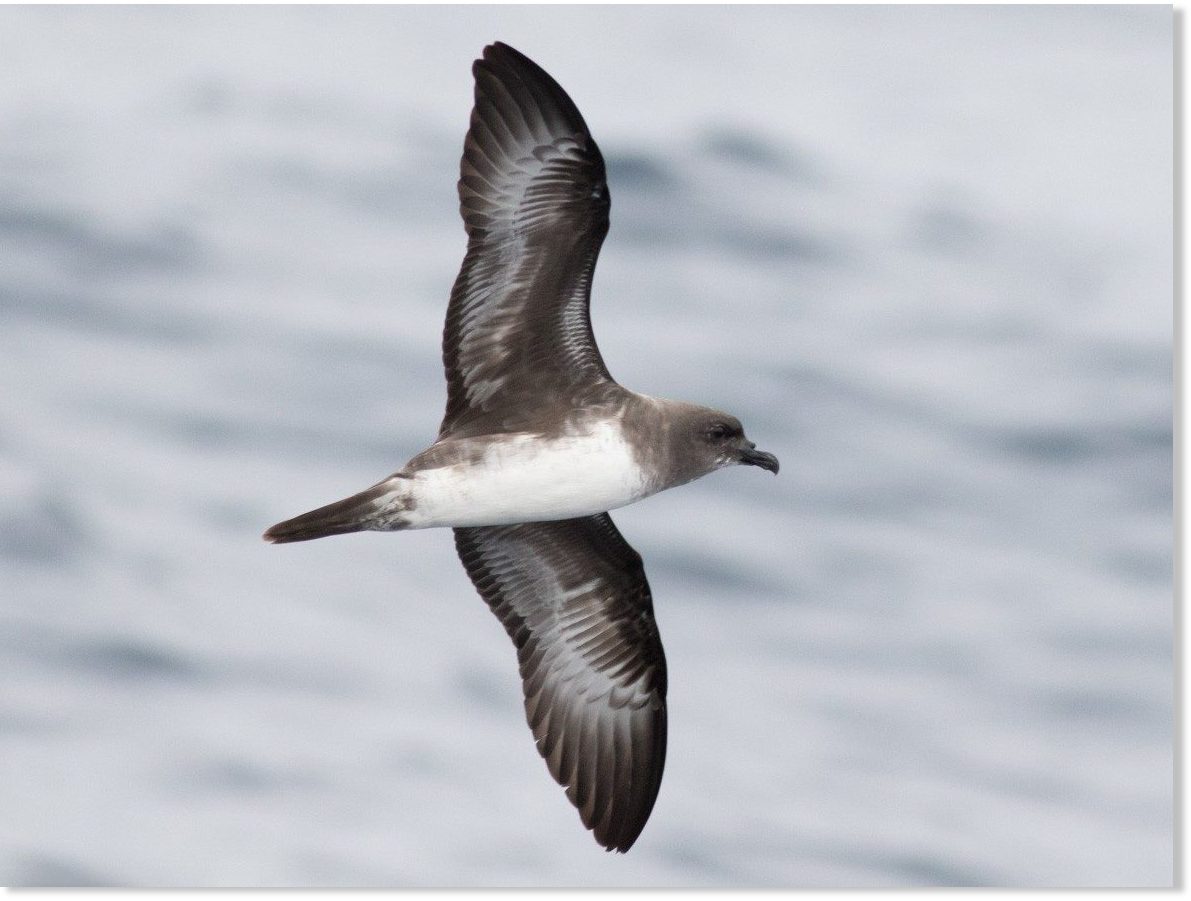
A rare Brazilian seabird was spotted in Bermuda recently — and may have been trying to nest.

The Bermuda Audubon Society said the Trindade petrel was seen only a few feet from a footpath at Spittal Pond.

A BAS newsletter said: "Robert Branco was visiting Spittal Pond on July 2 when he heard a very loud 'ki ki ki ki' call.

"Following the call, he found a dark seabird sitting in what looked like a nest scrape, about five feet from the main path.

Comment: The entire world population of the species has been estimated as only 2260.


Attention

Lion population has declined by 50% in 25 years - only 25,000 left in Africa

lion
There are half as many African lions than there were 25 years ago. Conservation programs aim to protect the disappearing species by promoting human-lion cohabitation across the African savanna.

For every lion in the wild, there are 14 African elephants, and there are 15 Western lowland gorillas. There are more rhinos than lions, too.

The iconic species has disappeared from 94 percent of its historic range, which once included almost the entire African continent but is now limited to less than 1.71 million square kilometres. With fewer than an estimated 25,000 in Africa, lions are listed as vulnerable to extinction by the International Union for the Conservation of Nature, which determines the conservation status of species.

Sherlock

Flock of 58 native birds die after falling from sky bleeding from eyes in Australia

corellas
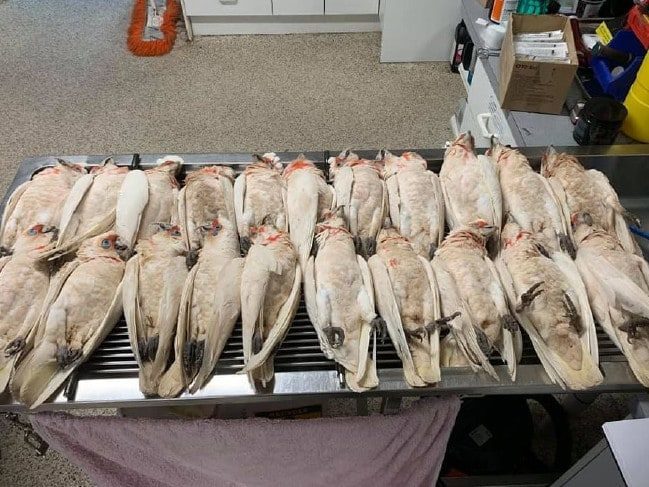
© FacebookThe corellas were found mysteriously bleeding from their beaks and eyes.
Dozens of native corella birds have died overnight after they fell from the sky in an Adelaide outer suburb.

Bleeding from their eyes and beaks, more than 50 gravely ill birds began falling from the sky at a soccer oval in One Tree Hill, a suburb on the outskirts of Adelaide, about 2.30pm yesterday.

Volunteers from Casper's Bird Rescue, founded by Sarah King, desperately tried to help the long-billed corellas, running to the oval and calling out for extra help on Facebook.

Ms King originally received a tip the birds had been shot, but vets working on the birds suspect they may have been poisoned.

Comment: While it's possible these birds may have been poisoned, there have been numerous reports over recent years where other flocks of bird species have mysteriously fallen dead from the sky, as well as numerous other animals that have died suddenly, in large numbers and often without explanation. It's also notable that, while extinction appears to be a threat to some animals, there are a number of native animals in Australia whose numbers have exploded:


Attention

Dead blue whale found floating in Marbella, Spain

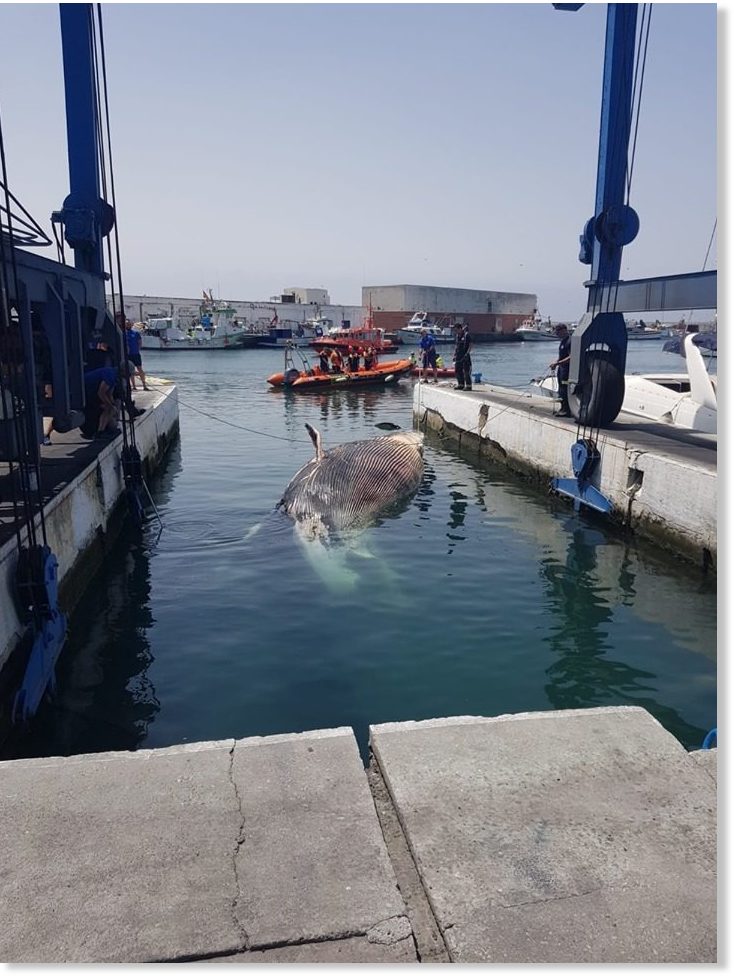
TRAGIC: Whale in waters of Marbella port
The animal has been taken to experts at CREMA Aula del Mar de Malaga, where scientists will analyse the carcass

A whale has been found dead in the waters of Marbella.

The body of the huge mammal was discovered at around 10am on Friday.

Comment: Other dead whales have washed up in recent days off Argyle in Scotland and Cape Cod in Massachusetts with 2 found in the Gulf of St. Lawrence, Canada.


Doberman

'Clever pooch': Mongrel unties & kidnaps pedigree dog left outside shop

Dogs
© Instagram / natasha_nvrs
A brazen kidnapping attempt was captured on video in southern Russia, where a stray dog untied and tried to draw away a pedigree pit-bull who was waiting for his master outside a grocery store.

The motivation of the fluffy perpetrator from the city of Novorossiysk on the Black Sea is still unclear, but the street-wise mutt acted with great determination and dexterity.

Attention

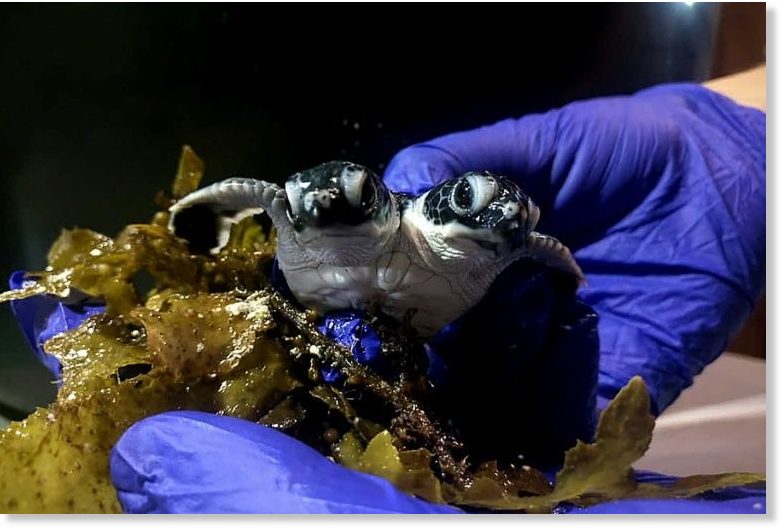
Signs and Portents: Two-headed turtle hatched in Malaysia

A baby turtle with two heads born in Malaysia
A two-headed baby turtle has been born in Malaysia, captivating conversationists, but it only survived a few days after being discovered.

It was found Monday on Mabul island, off the Malaysian part of Borneo, in a nest alongside more than 90 other recently hatched green turtles.

David McCann, marine biologist and conservation manager for group SJ SEAS -- which oversees the nesting site -- said the creature was "utterly fascinating".