Animals
S


Attention

Bear attacks increasing worldwide

bear
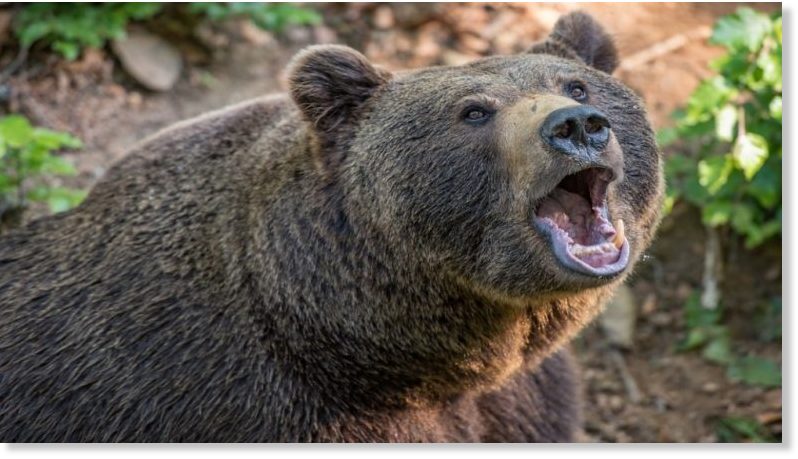
A French composer on a trip to Canada's Northwest Territories to record the sounds of nature was attacked in his tent in the middle of the night and killed by a grizzly bear earlier this month. Such an unprovoked attack is rare, according to wildlife officials, although large carnivore attacks on humans are on the increase worldwide. Grizzly bear attacks on humans in Wyoming are part of that worldwide trend.

A new paper published in the journal Scientific Reports examines brown bear attacks on humans worldwide between 2000 and 2015. The report reinforces what we already suspected: attacks have increased significantly and are more frequent at high bear and low human population densities.

Researchers tallied 664 attacks on humans during the 15-year study period, including 183 in North America, 291 in Europe, and 190 in Russia, Iran and Turkey. There were more than 60 other attacks in Japan, Nepal, and southeastern Europe in which not enough information was available for their inclusion in the analysis.

Comment: Some recent reports demonstrating the increasingly aggressive behavior shown by bears which have resulted in serious injuries and even fatalities:


Attention

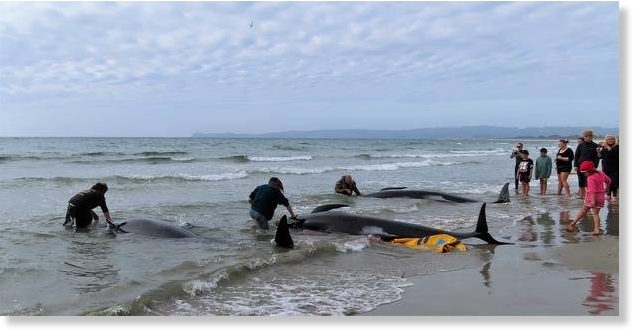
30 pilot whales strand on Northland beach in New Zealand - 4 die

Those who gathered on Ruakaka Beach treated the dead pilot whales with respect.
© Kristin EdgeThose who gathered on Ruakaka Beach treated the dead pilot whales with respect.
It was a nervous wait overnight for conservation staff who were to patrol Ruakākā Beach early this morning following the stranding and death of four pilot whales.

The four adult pilot whales, part of a pod of 30, beached and were found by joggers about 2km south of the Ruakākā Surf Lifesaving club about 6.30am yesterday.

Three were dead but one was still fighting for survival when they were discovered.

Despite community members rallying quickly, by righting the whale and keeping it wet and calm it too died shortly before 7.30am.

Attention

Three hunters injured in two grizzly bear attacks in the Gravelly Mountains, Montana

bear
On the same day and in the same area, three hunters in Montana were injured in two separate grizzly bear attacks, state wildlife officials said.

Officials have not determined if the same animal was involved in both attacks this week in the Gravelly Mountains, which are southwest of Bozeman. The three hunters suffered injuries described as moderate to severe.

A grizzly charged two male hunters around 7:30 a.m. Monday before they were able to drive away the animal, Montana Fish, Wildlife & Parks said in a statement Tuesday.

Hours later, a third hunter was injured by a bear in the same general area when the animal attacked about 6:30 p.m., the department said. In that case, a second hunter was unharmed before the pair drove the bear away.

Bug

Hypersexual zombie cicadas infected with psychoactive fungus discovered

Psychscape
© Terri Loewenthal The artist“Psychscape 493 (Lassen, CA), 2017,” “Psychscape 06 (Gold Lake, CA), 2017,” and “Psychscape 75 (White Rock Canyon, AZ), 2018,”
If cicadas made horror movies, they'd probably study the actions of their counterparts plagued by a certain psychedelic fungus.

West Virginia University researchers have discovered that a cicada fungus called Massopora contains chemicals similar to those found in hallucinogenic mushrooms.

The fungus causes cicadas to lose their limbs and eccentric behavior sets in: Males try to mate with everything they encounter, although the fungus has consumed their genitals and butts.

Despite the horrid physical state of infected cicadas, they continue to roam around freely as if nothing's wrong, dousing other cicadas with a dose of their disease.

Comment: The rise in unusual communicable infections, diseases and fungi of all kinds appear to be on the rise, both in humans and in the animal kingdom:


Attention

NOAA sees dramatic increase of ice seal deaths in Bering and Chukchi seas

A dead seal found on a beach near Kotzebue, Alaska, May 24, 2019.
© Raime Fronstin/NPSA dead seal found on a beach near Kotzebue, Alaska, May 24, 2019.
Ice seal strandings have dramatically increased in the Bering and Chukchi seas over the last two years, the National Oceanic and Atmospheric Administration said Thursday. Strandings are being reported five times more frequently than they were in years before 2018, the agency said.

Since June 1 2018, NOAA has received reports of 282 dead ice seals in the Bering and Chukchi seas. In 2018, there were 119 ice seal strandings reported, while 163 have already reported this year. NOAA said they typically receive reports of about 29 ice seal strandings a year.


By mid-June this summer, communities along Alaska's western coast were noticing scores of dead ice seals.

Camcorder

RT team nearly attacked by polar bear while making wildlife film in Russia

Polar bear
© RT Doc
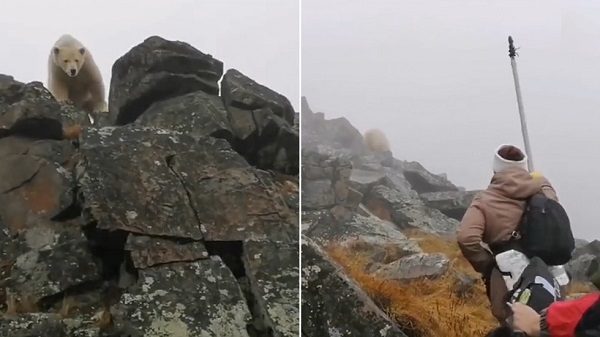
Journalists from the RTDoc team have narrowly avoided a polar bear attack in the Russian tundra. The ferocious animal appeared right in front of the reporters as they filmed a documentary with the World Wildlife Fund (WWF).

The crew of RT's documentary channel, RTDoc, was out filming bears and walruses on the remote Chukotka Peninsula in Russia's Far East, when a large polar bear suddenly emerged on top of a slate hill, stunning the reporters. The journalists and their guide tried to fend off the animal as it stood just meters away, making loud noises and banging a spear against the rocks. The tactic seemed to work, as the bear left after a brief but intense standoff.

Attention

Hippo kills fisherman in Lake Naivasha, Kenya - 11th such death for the locality this year

hippo
A colleague managed to escape while the casualty had his body cut in half.

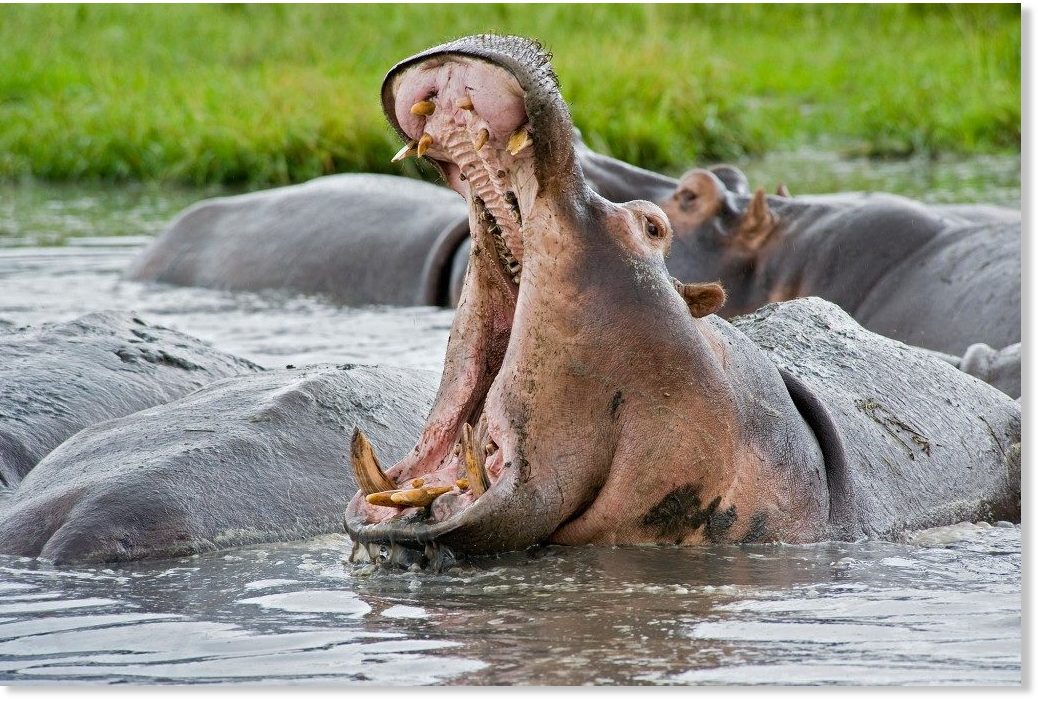
A fisherman was yesterday killed by a hippo in Lake Naivasha, bringing to 11, the number of those killed in similar manner this year.

Fishermen and stakeholders near the lake have expressed concerns over the rising number hippos, noting it was time their population was reduced.

In the latest case, the fisherman was in the company of a colleague in the lake when the lone animal attacked them.

During the incident near Karagita beach, the colleague managed to escape while the casualty had his body cut in half.

Magnify

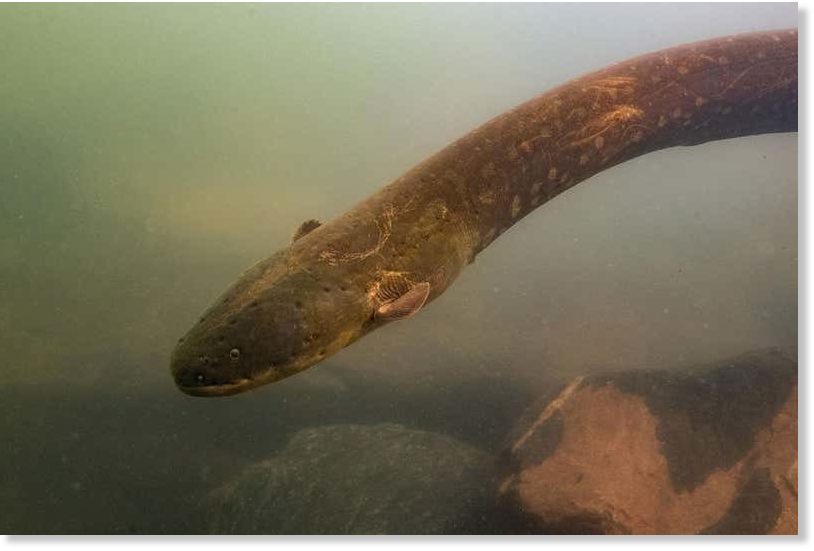
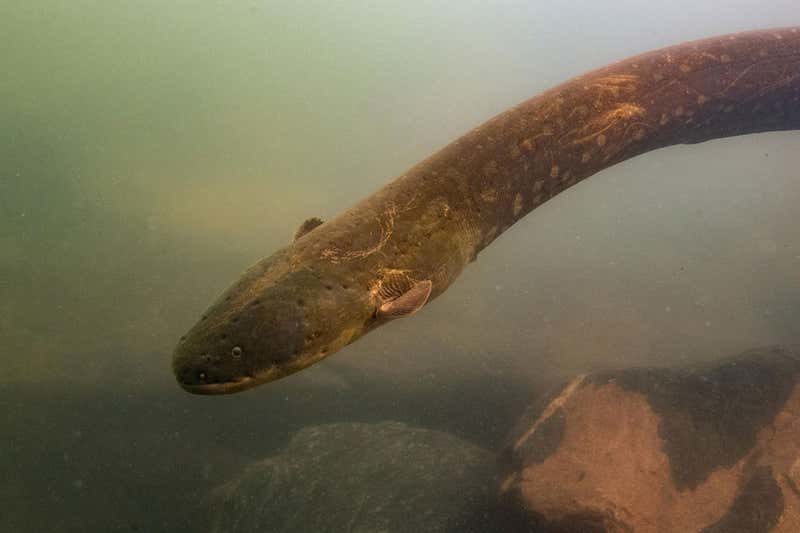
Discovery of two new species of eel shocks biologists

newly discovered electric eel species
© L. SousaElectrophorus voltai is one of the two newly discovered electric eel species
An investigation into the diversity of electric eels has produced quite a shock. Rather than just one species, there are actually three species of electric eels living in South America, and one of them generates a bigger voltage than any other bioelectric animal.

Electric eels were first described 250 years ago by Carl Linnaeus, who gave them the species name Electrophorus electricus. They use their shocking power to hunt prey and defend themselves, while weaker electrical signals help them to navigate and communicate.

David de Santana at the Smithsonian Institution, Washington DC, and colleagues studied 107 specimens from across the Amazon region, analysing their genetics, morphology and geographical spread. They discovered that there are three species with different distributions: the original species E. electricus in the northern highlands, E. voltai in the southern highlands and E. varii in the lowland Amazon basin.

E. voltai is the largest, growing up to 1.7 metres long compared with 1.0 metres for the shortest, E. electricus. The researchers measured the electric discharge generated by E. voltai at 860 volts - considerably higher than the 650 volts reported before. This makes it the strongest living bioelectricity generator we know of.

Info

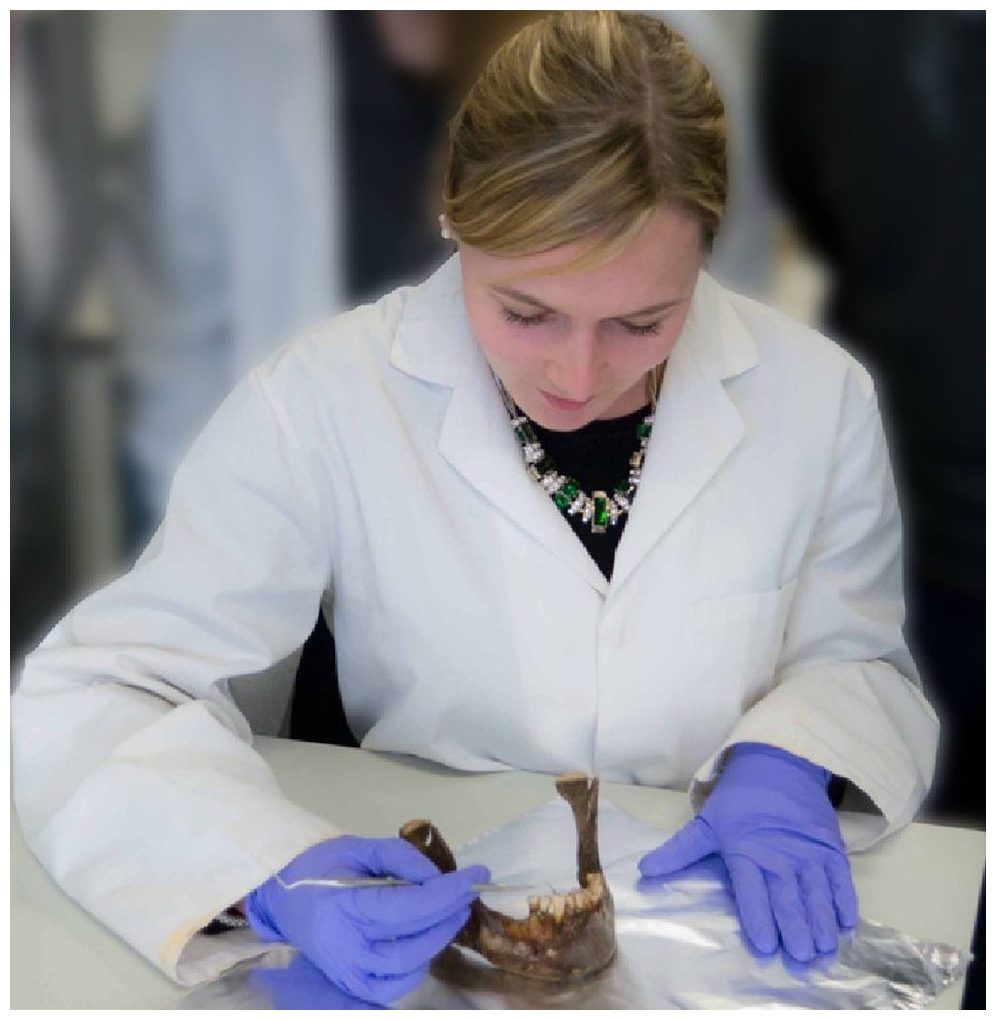
Earliest direct evidence of milk consumption found in prehistoric British farmers

Researchers have found the earliest direct evidence of milk consumption anywhere in the world in the teeth of prehistoric British farmers.
Researcher
© University of YorkThe study represents the earliest identification of the milk whey protein BLG so far.
The research team, led by archaeologists at the University of York, identified a milk protein called beta lactoglobulin (BLG) entombed in the mineralised dental plaque of seven individuals who lived in the Neolithic period around 6,000 years-ago.

The human dental plaque samples in the study are the oldest to be analysed for ancient proteins to date globally and the study represents the earliest identification of the milk whey protein BLG so far.

Doberman

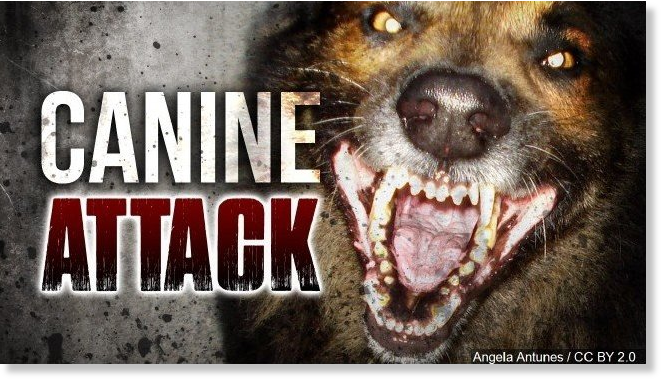
Woman killed by her own dogs in Dutchess County, New York

canine attack
© Angela Antunes / CC by 2.0
On September 7, 2019, at approximately 4:00 p.m., the New York State Police and Pleasant Valley Fire Department EMS were dispatched to Barkit Kennel Road in the town of Pleasant Valley by Dutchess County 911 for a report of a woman with life threatening injuries.

The woman was identified as Arlene Renna, age 67, who was found unconscious on the living room floor of her residence by her husband after he arrived home. Ms. Renna unfortunately died at scene from her injuries.