Animals
S


Attention

Walrus attacks and sinks Russian Navy boat in Arctic Ocean

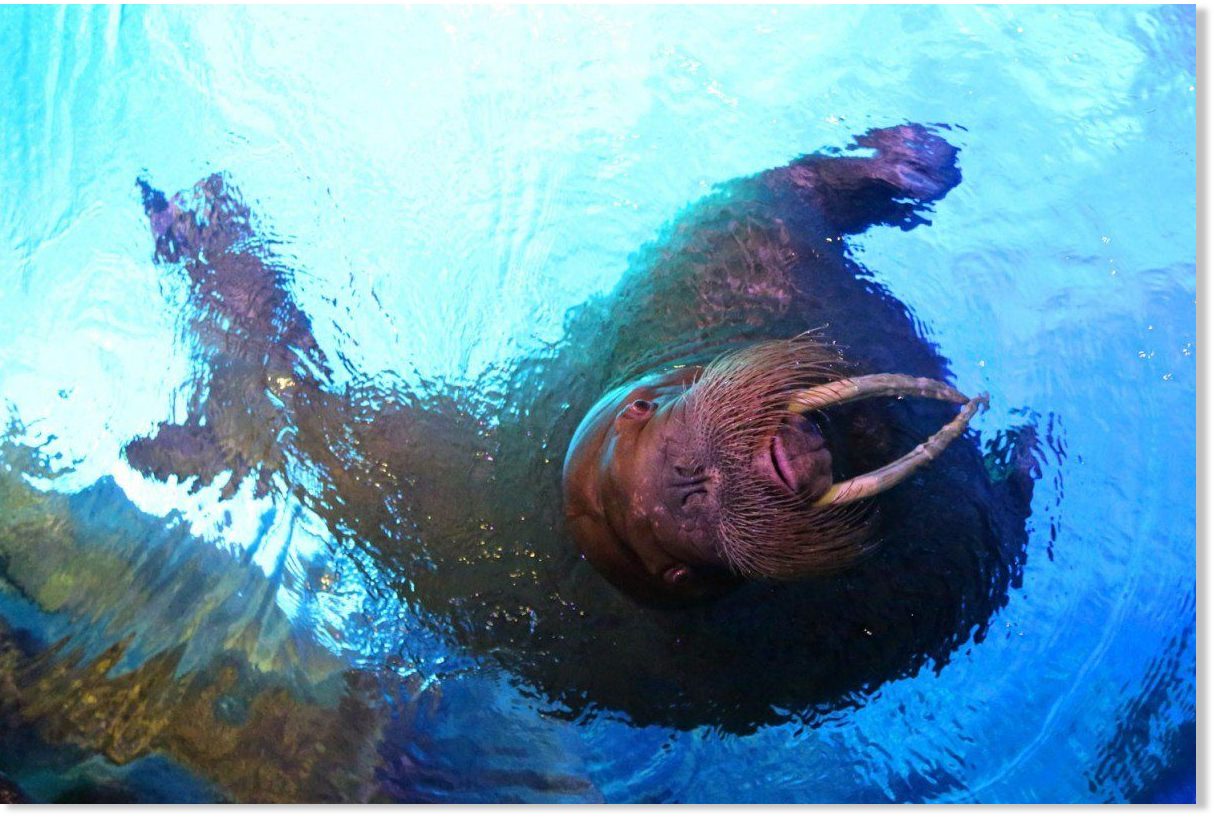
Miru, a female walrus at the Ocean Park in Hong Kong.
A Russian Navy vessel out on a science expedition was attacked and may have been sunk, not by an enemy ship, but by a walrus protecting its calves, officials say.

The joint expedition by Russia's Northern Fleet and Geographical Society was sailing in the Franz Josef Land archipelago in the Arctic Ocean last week when the incident occurred.

Russian military officials said in a statement that the vessel was attacked as researchers were making a landing at Cape Heller on Wilczek Land, an island on the archipelago.

"A group of researchers had to flee from a female walrus who attacked an expedition boat when protecting her cub," the Russian military statement reads, according to the Barents Observer, an English-language news site in the region.

Cow

Study suggest prehistoric babies were weaned using animal milk

Feeding Vessels
© Katharina Rebay-SalisburyFeeding vessels from Vienna, Oberleis, Vosendorf and Franzhausen-Kokoron (from left to right), dated to around 1200-800 BC.
Mums from prehistoric times appear to have used specially fashioned pottery vessels to wean their babies with milk from domesticated ruminants, a study published in the journal Nature has found.

The clay bottles or bowls, sometimes adorned with mythical animals, had small spouts through which liquid could be poured or suckled. The earliest known vessels were found in prehistoric settlements across Europe from the Neolithic (around 5000 BC), becoming more common in the Bronze and Iron Ages.

They were previously suspected to be infant feeding vessels, says lead author Julie Dunne from the University of Bristol in the UK, but could have equally been used for feeding sick people, and in any event, it wasn't clear what they contained.

To explore this, Dunne and colleagues searched for vessels in child graves to be sure they were baby bottles. "In archaeology, context is all," she explains. They analysed three small, spouted vessels found in Bronze and Iron Age graves of infants in a Bavarian cemetery in Germany.

Because of the vessels' precious nature and often small openings, sampling for organic residues was "extremely challenging", says Dunne, so they had to modify their usual sampling method which involves grinding up potsherds.

Arrow Down

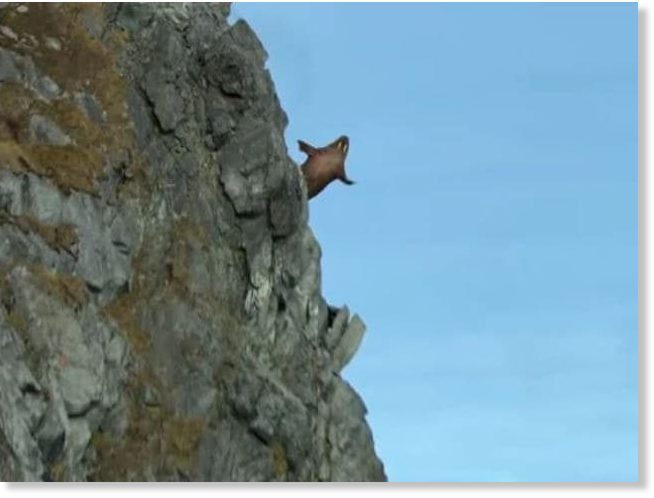
The truth about Attenborough's falling walruses

The documentary showed multiple walruses
The documentary showed multiple walruses tumbling down a cliff.

Comment: Related: Susan Crockford: No climate emergency for polar bears


Doberman

Pit bull terrier kills 13-month-old boy in Granite Bay, California

PIT BULL ATTACK
A 13-month-old boy was killed Friday after being attacked by a family pet, the Placer County Sheriff's Office said.

"It was just a horrible tragedy and our heart goes out to the family," said Lt. Andrew Scott. "I can't imagine what they're going through at this moment."

The boy was mauled by the family pit bull at a home in Granite Bay around 3 p.m., officials said. The dog attack appeared to have been unprovoked.

"The adult was with the baby when the attack occurred and didn't appear to hint at anything that the attack was coming," Scott said.
"Sometimes, they're not preventable and our investigation appears that is the case."


Igloo

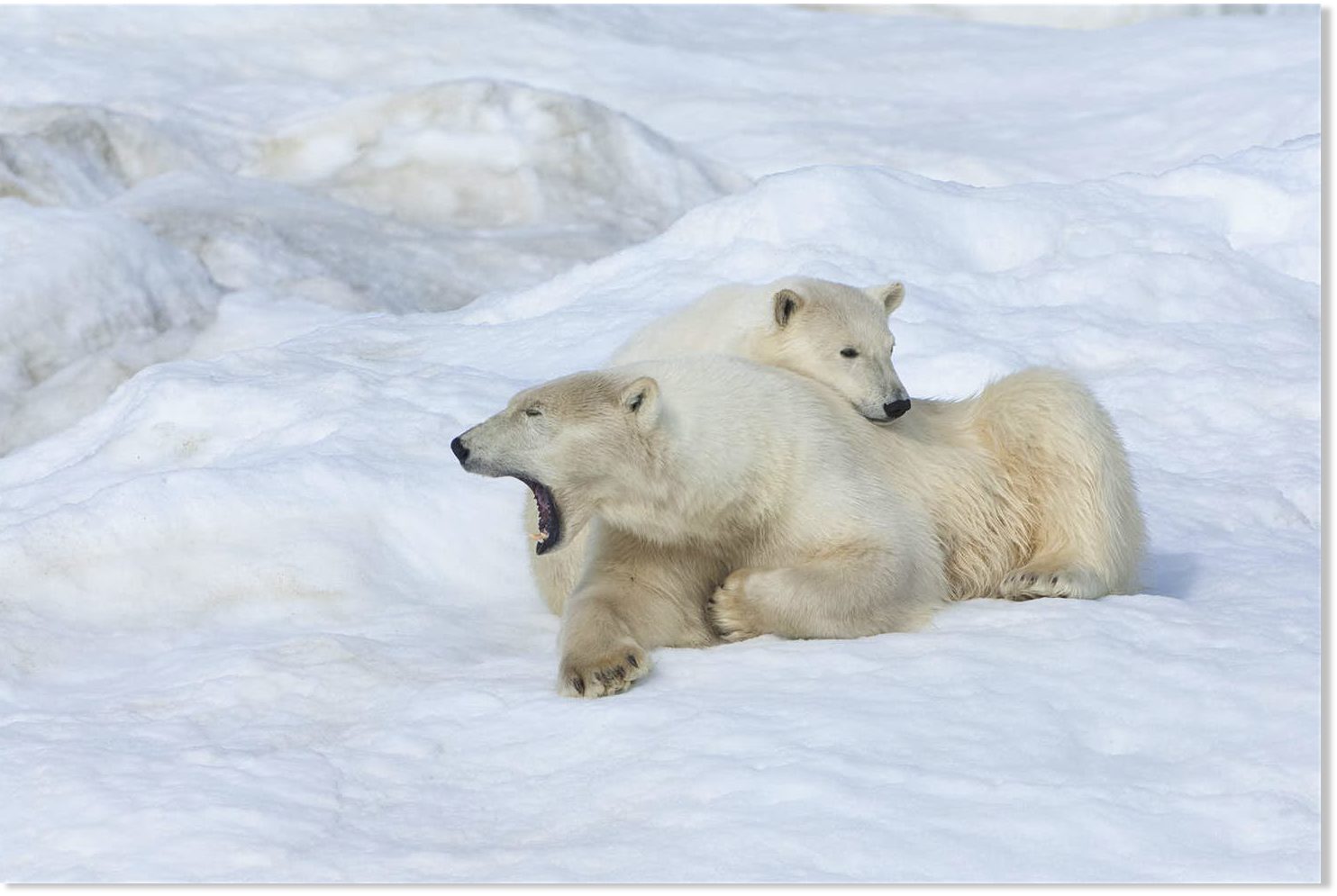
Susan Crockford: No climate emergency for polar bears

polar bear

Eye 2

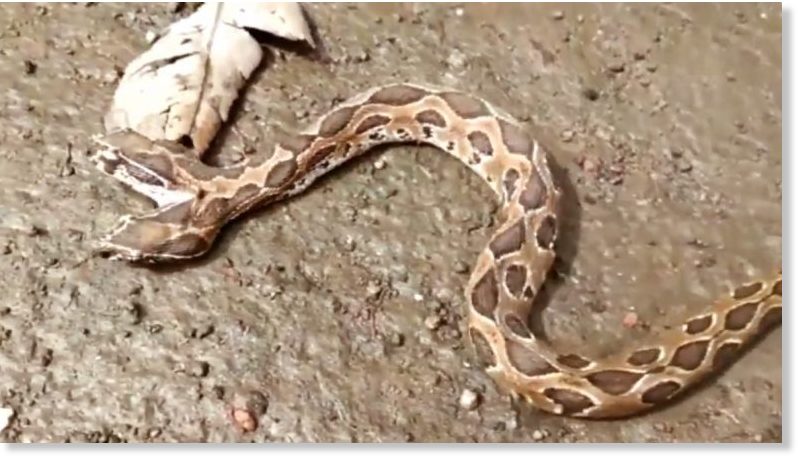
Signs and Portents: Rare two-headed viper spotted in western India

two-headed viper
A rare two-headed snake was caught on camera crawling through rocky terrain in western India.

The viper was filmed on September 19 in Aadharwadi area of Kalyan city in Maharashtra's Thane district.

A man was seen picking up the small reptile from the rocky terrain and placing it on a leaf.

Once on the leaf, the snake coiled up, and was later transferred to a glass box by Forest Department handlers with a hook.


Fish

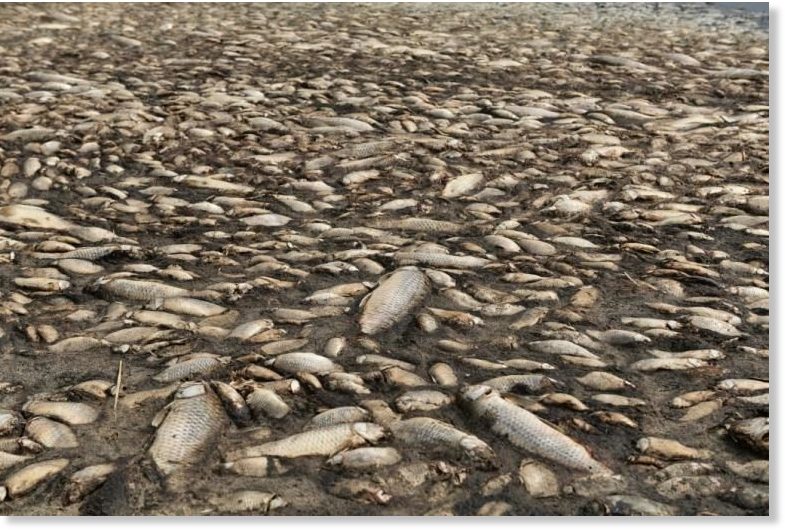
Thousands of dead fish wash up on drought-stricken Greek lake

dead fish
© AFP / Sakis MITROLIDIS
Thousands of fish washed up dead on the shores of Lake Koroneia in northern Greece on Thursday as a result of high temperatures and declining water levels, authorities said.

A long period of drought and high temperatures left the fish high and dry, Dimitra Bobori, responsible for lakes in the Macedonia region, told AFP.

The lake, 30 kilometres (18 miles) from the city of Thessaloniki, has experienced the phenomenon repeatedly over the last few decades.

Koroneia's depth has plummeted from nine feet (2.8 metres) in 2014 to between 60 and 80 centimetres today, Bobori said, adding that engineering works had failed to reverse the trend.


Attention

We've lost 3 billion birds since 1970 in North America

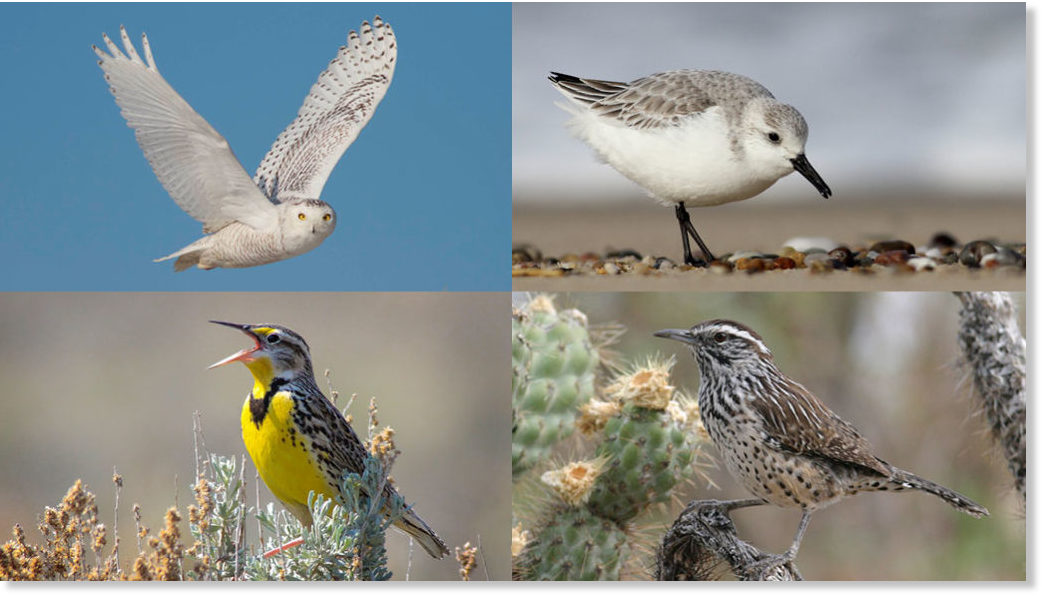
Populations of rare and common birds alike are decreasing across North America, including (clockwise from top left) snowy owls, sanderlings, cactus wrens and Western meadowlarks.
Scientists found profound losses among both rare and common birds

Nearly 3 billion fewer birds exist in North America today than in 1970.

While scientists have known for decades that certain kinds of birds have struggled as humans (and bird-gobbling cats) encroach on their habitats, a new comprehensive tally shows the staggering extent of the loss. Nearly 1 in 3 birds — or 29 percent — has vanished in the last half century, researchers report September 19 in Science.

"Three billion is a punch in the gut," says Peter Marra, a conservation biologist at Georgetown University in Washington, D.C. The loss is widespread, he says, affecting rare and common birds alike. "Our study is a wake-up call. We're experiencing an ecological crisis."


Fish

New study shows common carp aquaculture in China dates back 8,000 years

By using age-mortality and species-selection profiles from prehistoric East Asia, researchers identified carp aquaculture in Henan Province, China, thousands of years earlier than previously reported.
Carp Farming Japan
© Mark HudsonPreparing to drain the field at Matsukawa village, Japan.
In a recent study, an international team of researchers analyzed fish bones excavated from the Early Neolithic Jiahu site in Henan Province, China. By comparing the body-length distributions and species-composition ratios of the bones with findings from East Asian sites with present aquaculture, the researchers provide evidence of managed carp aquaculture at Jiahu dating back to 6200-5700 BC.

Despite the growing importance of farmed fish for economies and diets around the world, the origins of aquaculture remain unknown. The Shijing, the oldest surviving collection of ancient Chinese poetry, mentions carp being reared in a pond circa 1140 BC, and historical records describe carp being raised in artificial ponds and paddy fields in East Asia by the first millennium BC. But considering rice paddy fields in China date all the way back to the fifth millennium BC, researchers from Lake Biwa Museum in Kusatu, Japan, the Max Planck Institute for the Science of Human History in Jena, Germany, the Sainsbury Institute for the Study of Japanese Arts and Cultures in Norwich, U.K., and an international team of colleagues set out to discover whether carp aquaculture in China was practiced earlier than previously thought.

Attention

121 gray whales found dead this year on west coast of North America

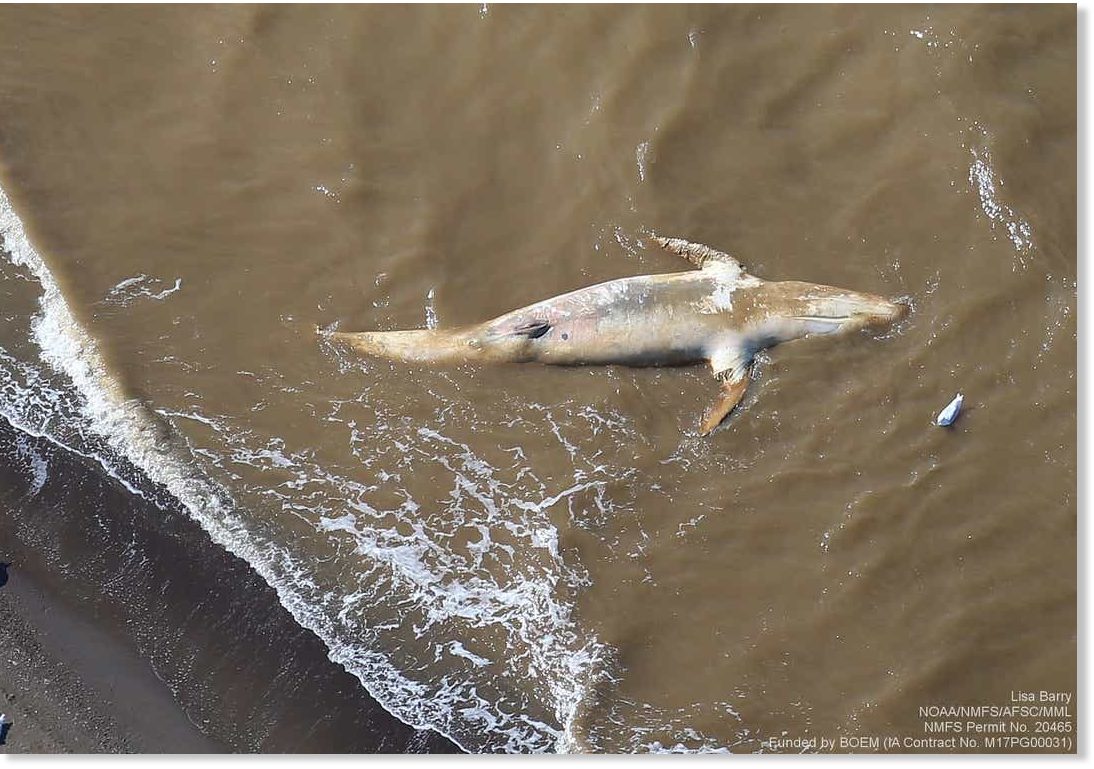
Scientists involved in the Annual Survey of Arctic Marine Mammals were able to confirm a dead gray whale about 22 miles south of Point Lay, Alaska. NOAA was first made aware of the carcass from a post on Facebook dated July 8, 2019.
© Lisa Barry, NOAA FisheriesScientists involved in the Annual Survey of Arctic Marine Mammals were able to confirm a dead gray whale about 22 miles south of Point Lay, Alaska. NOAA was first made aware of the carcass from a post on Facebook dated July 8, 2019.
Something killed 121 gray whales this spring and summer, and scientists are struggling to find out what it was.

The dead giants of the ocean washed up on West Coast beaches as they finished their annual epic migration to their winter feeding grounds between Alaska and Russia. Many were emaciated and appeared to be starving.

The near-final death count, tallied this week, makes this the second-worst year on record for gray whales, which were hunted almost to extinction in the late 1800s. It could represent as much as 10% of the species' total population.

"I wouldn't be surprised if our team comes across other carcasses," said Megan Ferguson, a fisheries biologist with the Cetacean Assessment and Ecology Program of the National Marine Fisheries Service.