Extreme Temperatures
S


Snowflake Cold

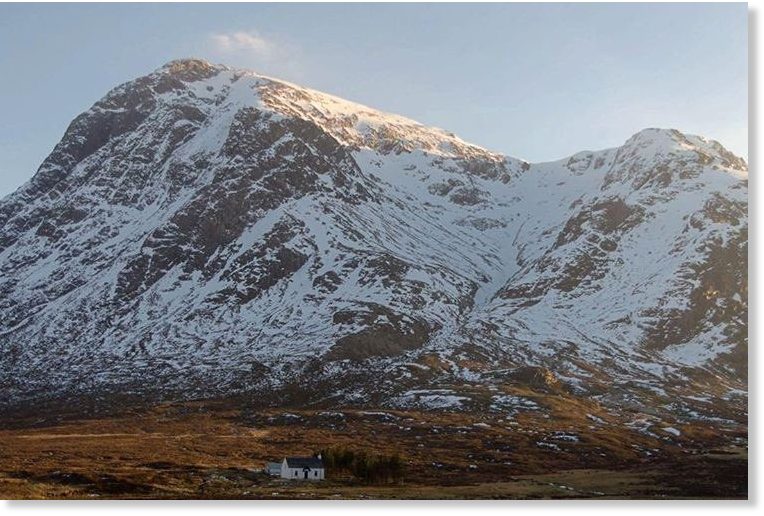
Spring weather in Scotland set to be coldest for 39 years as more snow expected to hit

snow scotland
Up to two weeks of freezing temperatures could lie ahead due to unusual polar conditions.

Scotland is facing its coldest spring for 39 years, forecasters have warned.

The country is on course for a severe cold snap with snow expected on high ground over the coming days.

The Met Office have warned that up to two weeks of freezing temperatures could lie ahead due to unusual polar conditions.

The phenomenon, known as a Sudden Stratospheric Warming (SSW), saw a warming of usually colder air over the North Pole last month.

Snowflake

Adapt 2030 Ice Age Report: China crop zones freeze, strange arrow hail and snow abounds in Northern Hemisphere

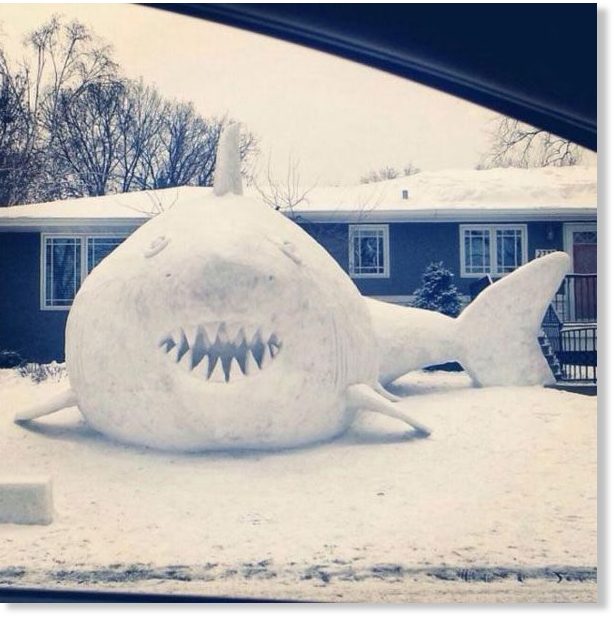
snow shark
With snows and well below normal temperatures across the northern Hemisphere, China is looking at 30 F below normal for the wheat and corn zones in HeiLongJiang, Massive cold front across Asia dropping temperatures 30F, same is happening in the USA with temperature inversions of at least 30F. Arctic is still -9 F / -23C. Fog falls in the Philippines and strange arrow shaped hail falls from the skies in USA. Don't forget the Snow Sharks !


Sources

Comment: See also: Unseasonally cold and snowy weather hits areas of China


Snowflake

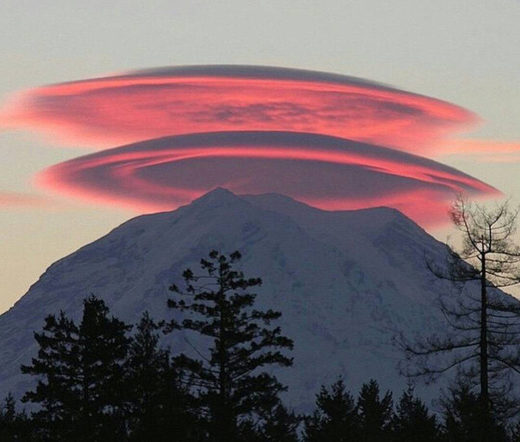
Adapt 2030 Ice Age Report: Cathedrals in snow UK, lenticular clouds glow and feet more of snow for Europe

snow scotland
After five days of snow in Scotland, Northern UK and Ireland due to late season April snows leave the landscape, cathedrals, castles and churches blanketed in white. More deep lows on the way to southern UK over the week. Up to five more feet of snow on tap for Italian Alps and three feet for French Alps. Slovenia un-measurable snow pack for the season and high winds bring lenticular clouds in the sunset. Topping things off North Pole forecast is -20C / -4F for April 05, 2018.


Sources

Comment: See also: Death toll for Scotland's lambs sees a sharp increase after heavy snow

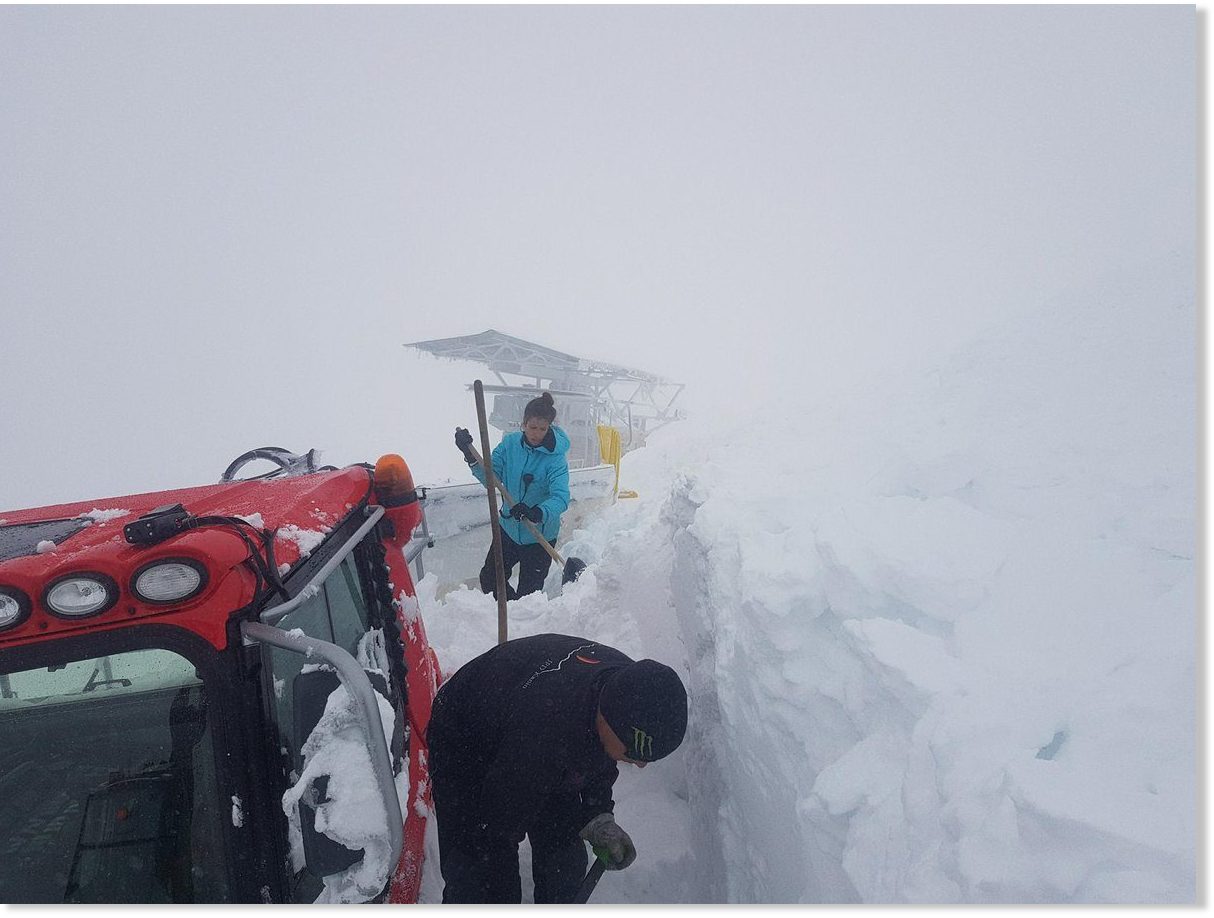
Depth of snow in the Alps hits 7 metres, Swiss ski resort gets 5 feet of snowfall in 7 days


Snowflake

Adapt 2030 Ice Age Report: Baseball games delayed by Global Warming and winter continues across the Northern Hemisphere

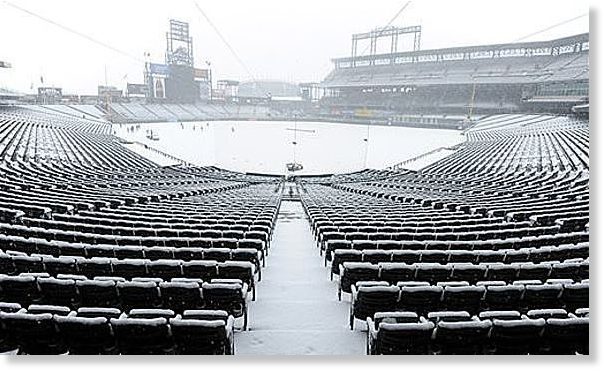
Stadium
Now new charts of the effects of CO2 put extreme cold above extreme heat as expected changes in the climate. Wait a second, I was sold settled science global warming, where was the bait and switch? Home openers across the country postponed due to snow, 5th Nor'easter snowstorm brings worst snowstorm in 40 years to NYC, New England states 1.5 feet , ice rains and winter storms Great Lakes, snow in Scotland, Wales, Ireland and UK, but wait for it, media talks about heat wave in the snow story. North Pole expected to be a toasty -27 C or -16 F


Sources

Snowflake

Adapt 2030 Ice Age Report: Northern hemisphere snowfall totals upward trend and Slovenia buried again

snow
The snow totals from Rutgers Snow Lab are in for the Fall of 2017, upward trend in Eurasia, N. America and the entire Northern Hemisphere. Slovenia five feet of new snow along with NW Italy. Germany snow, USA winter storms and freeze warnings down to Texas. Record cold on tap week of April 07, 2018 as grain growing areas of Canada and USA will see temperatures as low as 4F.


Sources

Ice Cube

Adapt 2030 Ice Age Report: North Atlantic icebergs expected until late JUNE, Arctic still -30C and icebergs in shipping lanes

Iceberg
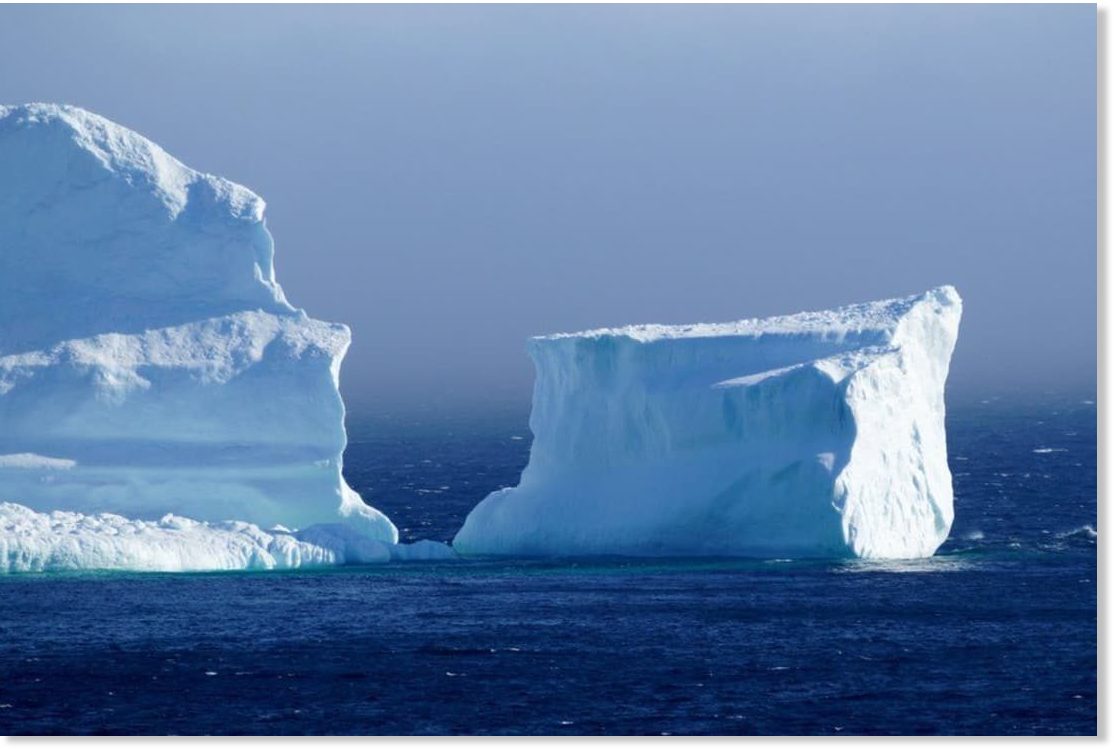
The North Atlantic Iceberg season is off to a three times above average start. This is because of an ice arc forming near Baffin Island the last known seed point for glaciation on our planet. This jams ice floew behind which create massive icebergs, and this season is the heaviest of the last five "heavy iceberg" seasons. So expect ice until late June or longer. Look for icebergs on Cape Cod Beaches, ass courtesy of the grand Solar Minimum and Arctic temperatures still at -30F.


Sources

Snowflake

Unseasonally cold and snowy weather hits areas of China

Brutal cold follows rare April snow in Beijing
After a rare April snowstorm blanketed Beijing and surrounding areas with snow on Wednesday, brutal cold will take hold in the rest of the week.

The spring snowstorm dropped the first April snow in Beijing since 1988, with accumulated snow 10-13 cm thick in most areas.

The snow affected transportation during rush hours. On Wednesday afternoon, neighboring Tianjin Municipality and Hebei Province were also hit by snow.

Affected by freezing air, the snow also hit parts of Heilongjiang province, Inner Mongolia Autonomous Region as well as Xinjiang Uygur Autonomous Region, with strong wind and sandstorm in some areas of Xinjiang.

Beijing's meteorological authorities issued a blue alert for a heavy snowstorm on Wednesday afternoon.


Snowflake

Record snow for numerous communities at Glacier National Park, Montana

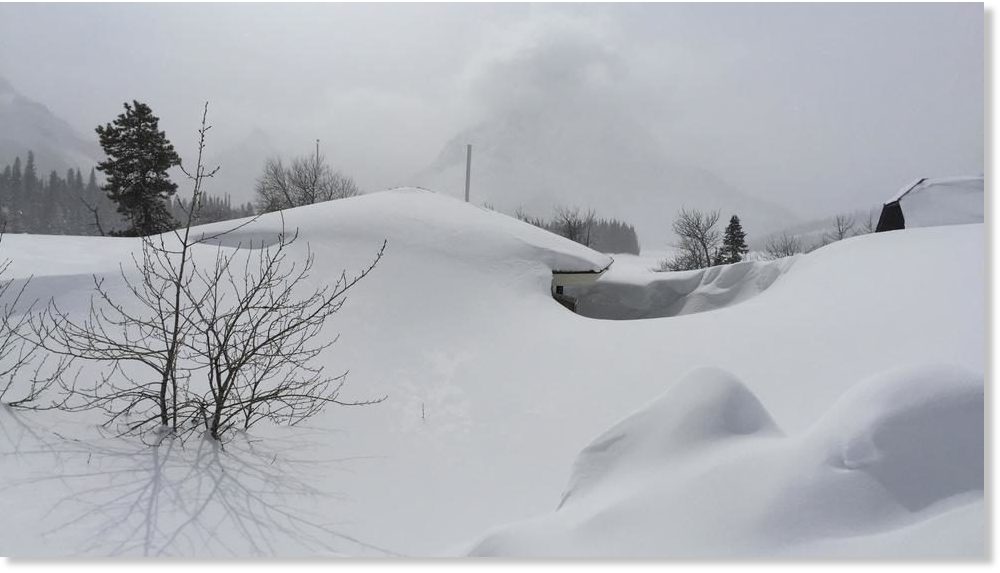
Two Medicine restroom nearly completely covered.
© NPSTwo Medicine restroom nearly completely covered. Photo
Plowing has begun in Glacier National Park. The park has seen significant snowfall this year. Snow plowing operations have begun in Two Medicine, with snow drifts up to 15 to 20 feet deep, including roads and picnic areas.

The following press release was sent out by the National Park Service:

Snowflake

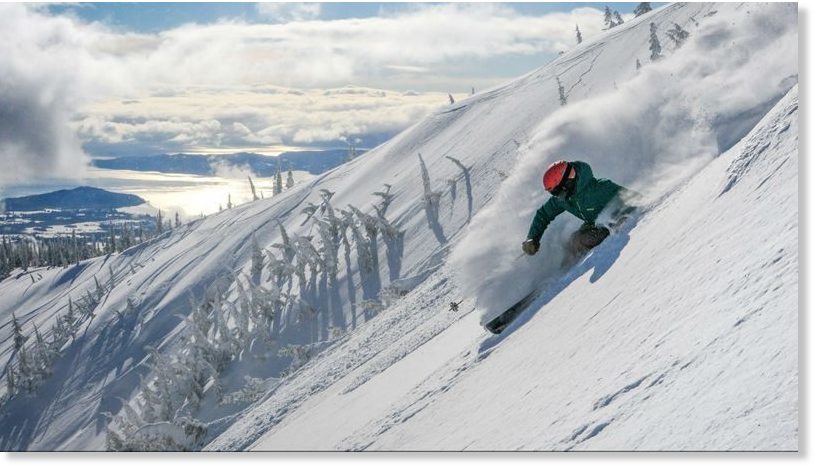
Schweitzer ski resort in Idaho breaks all-time record with over 34 feet of snow

Schweitzer Mountain
© Schweitzer Mountain Resort Facebook pageSchweitzer Mountain
Schweitzer Ski Resort says they have broken their snowfall total set back in 1998.

The old record of 412 inches was surpassed earlier this week and that number continues to climb.

The new record of 418 inches at the village at Schweitzer comes out to be about 34 feet.


And the skiing and snowboarding will continue for another week.

Dig Chrismer, the marketing manager at Schweitzer, says they've extended their season until April 14th, 2018.

Fire

Antarctic ice shelves revealed to be rapidly melting...from below

Melting glaciers of Antarctica
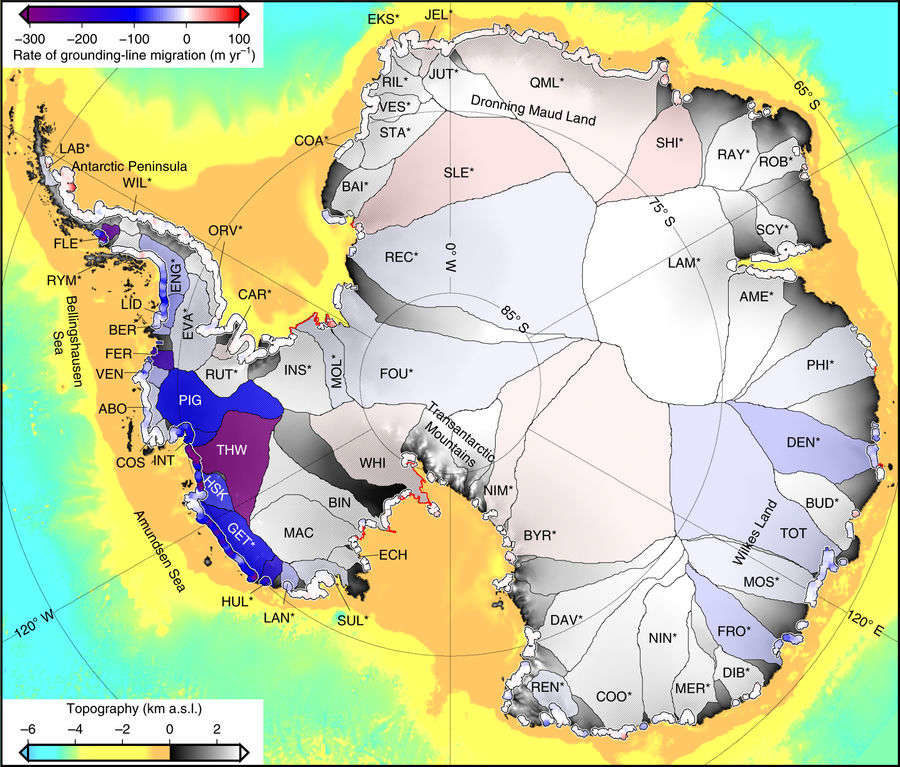
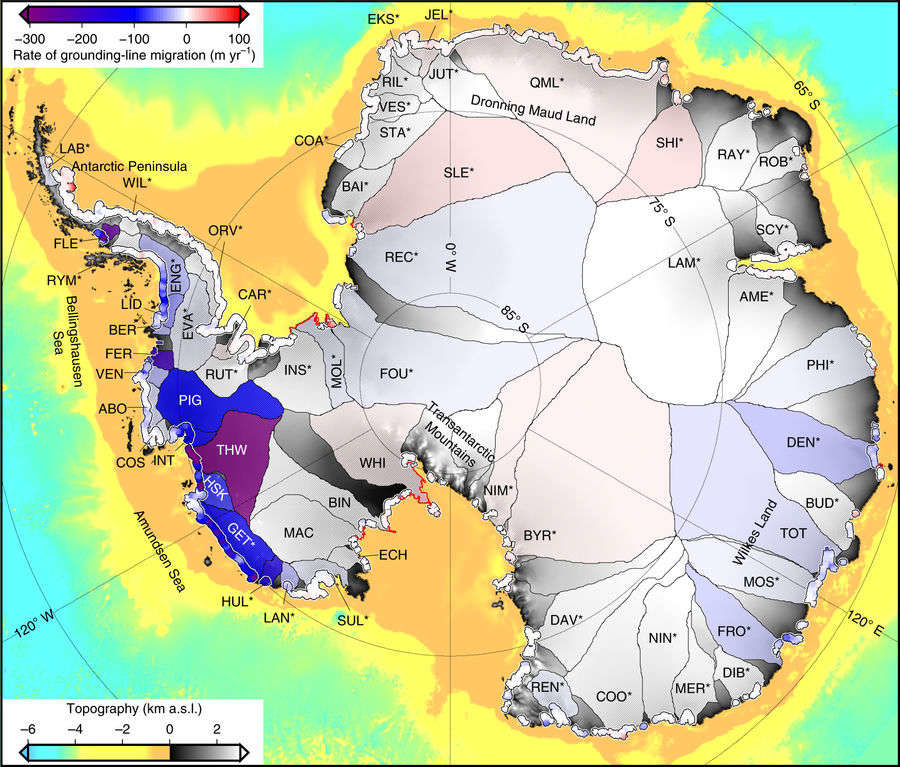
© Konrad et al/Nature GeoscienceThe major glaciers of Antarctica, and the speed with which their grounding line is retreating.
The most extensive study of Antarctic glaciers yet conducted has some bad, if not surprising, news. An area the size of Greater London has melted from the underside of southern ice sheets in just six years. The finding confirms suspicions Antarctic ice loss is well under way, and future sea level rise will be very hard to stop.

Antarctica is surrounded by a mix of sea ice formed on water, and ice shelves. Ice shelves also float, forming when a glacier is buoyant enough that its front end rests on water rather than solid ground. The point where the glacier last touches rock beneath the waterline is known as the "grounding line", and depends on both coastal terrain, and the thickness of ice at that point. Consequently, movement of the grounding line can reveal changes in the underside of the ice shelf, something that is very hard to measure.

Getting into scuba gear and measuring the location of Antarctic grounding lines in person has certain drawbacks, so Dr Hannes Konrad of the University of Leeds used satellite observations of ice altitude and the way water beneath the ice induces surface movement to reveal the shifts in grounding lines for Antarctica's 65 largest glaciers and ice sheets between 2010 and 2016.

The movement has not been consistent, Konrad and co-authors report in Nature Geoscience, both because of local terrain and shifts in ocean currents. However, some glaciers have experienced dramatic movement backwards, indicating substantial thinning of the ice. Previous studies have measured just a third of Antarctica's coastline, providing a very incomplete picture.

"Our study provides clear evidence that retreat is happening across the ice sheet due to ocean melting at its base, and not just at the few spots that have been mapped before now," Konrad said in a statement. "This retreat has had a huge impact on inland glaciers, because releasing them from the seabed removes friction, causing them to speed up and contribute to global sea level rise."