
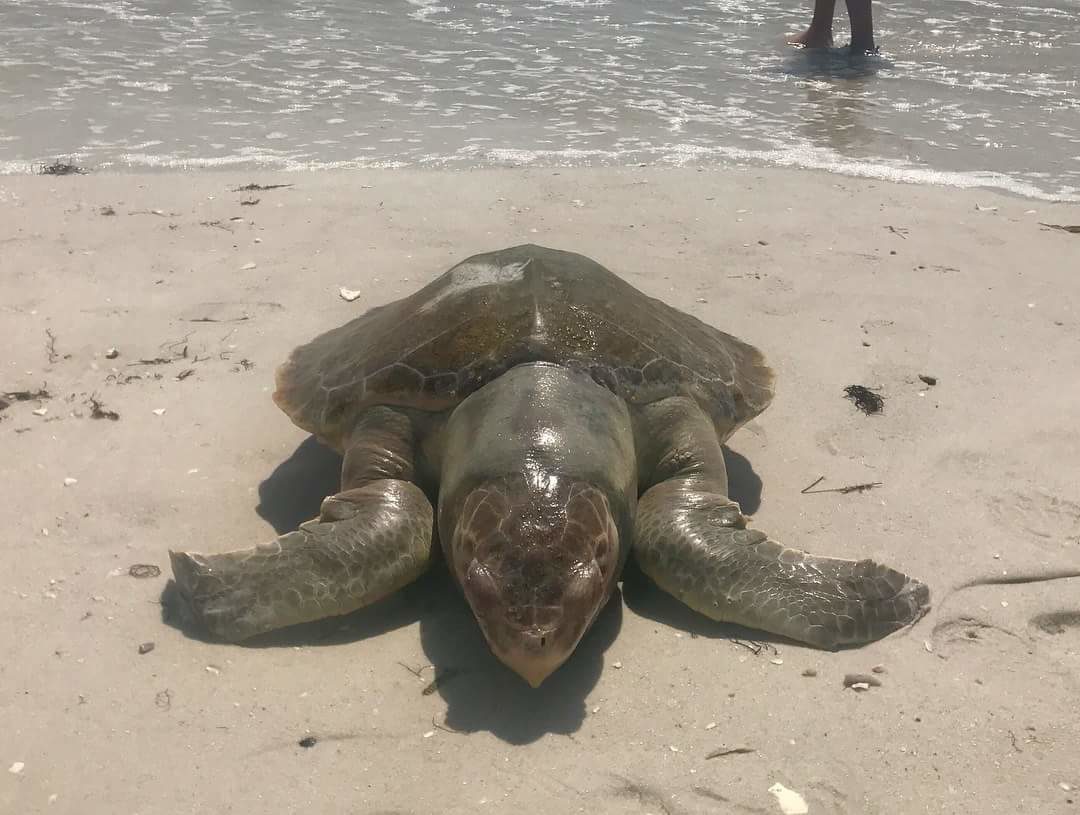
© Matt @VisualPersistKemp's Ridley
Unprecedented numbers of sea turtles have been collected across Florida's Lee and Collier counties over the past week, and hundreds are thought to have died as the worst red tide algae bloom event since 2006 plagues southwest Florida. The Florida Fish and Wildlife Conservation Commission (FWC) is monitoring the current bloom since November 2017.
The FWC has documented 287 sea turtle deaths in Gulf of Mexico waters along the southwest Florida coast since the toxic bloom started late last year.
According to Allen Foley of the FWC's Fish and Wildlife Research Institute, that's about double the average number of turtle deaths in those waters every year.
Foley said turtles living in the area become sick and die when their food gets contaminated by the toxins.
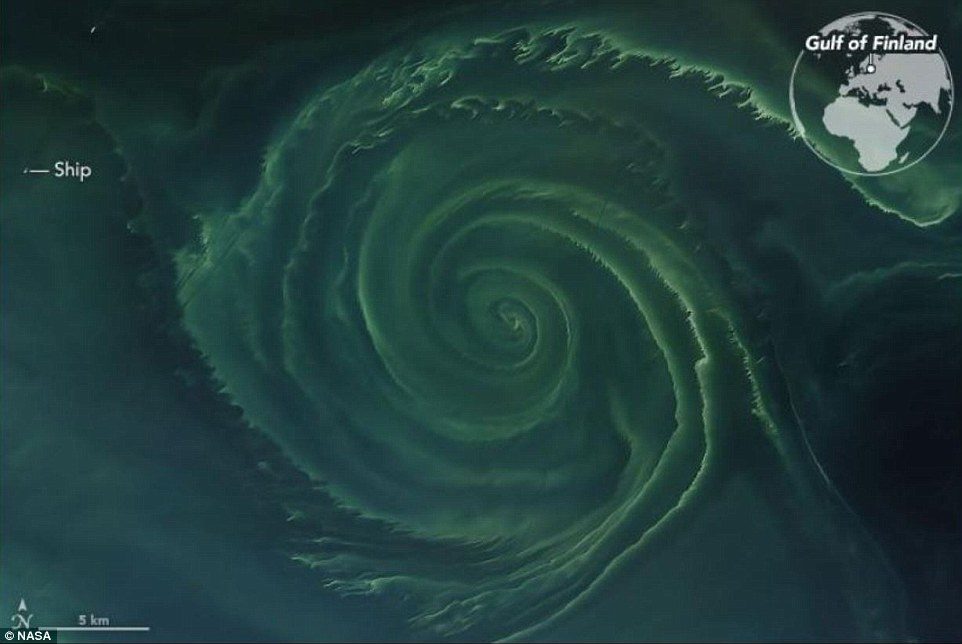


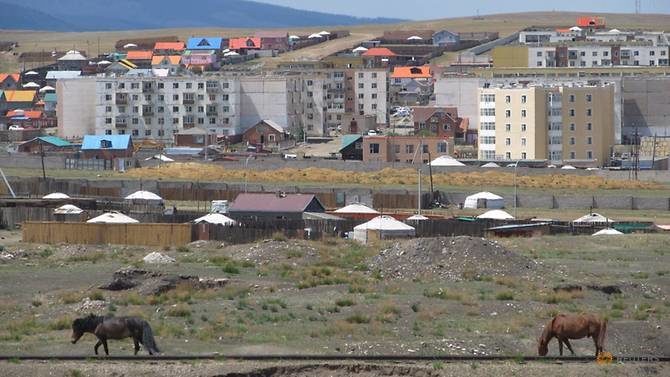

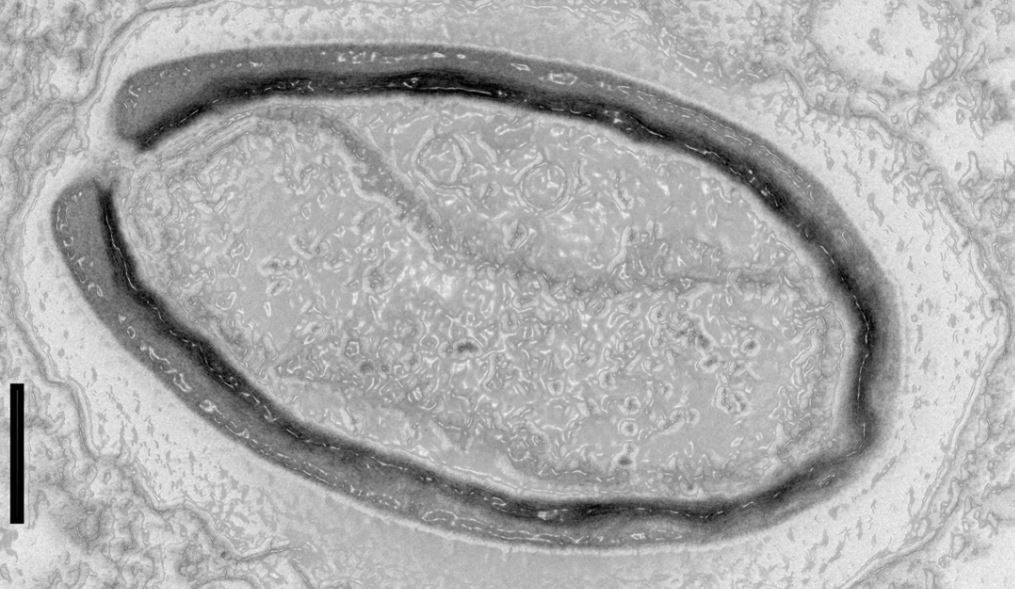







Comment: Algae blooms and dead zones have quadrupled since 1950 with Oman and the Baltic sea as some other recent examples. But what's causing them? Surely industrial agriculture will have contributed to their rise, but when we factor in the discovery of thousands of underwater volcanoes, the increasingly unstable methane deposits and the slowdown in the Gulf Stream, which all appear to be linked to a slowdown in the Sun and Earth's rotation, clearly there are other more significant drivers to take into consideration.
See also: Worldwide ocean anoxia driven by global cooling was possible factor in previous mass extinctions