© iStock
Harvard University researchers have identified the biological mechanism by which chronic stress impairs hair follicle stem cells,
confirming long-standing observations that stress might lead to hair loss.In a mouse study published in the journal
Nature, the researchers found that a major stress hormone puts hair follicle stem cells into an extended resting phase, without regenerating the follicle or the hair. The researchers identified the specific cell type and molecule responsible for relaying the stress signal to the stem cells, and showed that this pathway can be potentially targeted to restore hair growth.
"My lab is interested in understanding how stress affects stem cell biology and tissue biology, spurred in part by the fact that everyone has a story to share about what happens to their skin and hair when they are stressed. I realized that as a skin stem cell biologist, I could not provide a satisfying answer regarding if stress indeed has an impact — and more importantly, if yes, what are the mechanisms," said Ya-Chieh Hsu, the Alvin and Esta Star Associate Professor of Stem Cell and Regenerative Biology at Harvard and senior author of the study. "The skin offers a tractable and accessible system to study this important problem in depth, and in this work, we found that stress does actually delay stem-cell activation and fundamentally changes how frequently hair follicle stem cells regenerate tissues."
The hair follicle is one of the few mammalian tissues that can undergo rounds of regeneration throughout life, and has become a paradigm that informs much of our fundamental understanding of mammalian stem cell biology. The hair follicle naturally cycles between growth and rest, a process fueled by hair follicle stem cells. During the growth phase, hair follicle stem cells become activated to regenerate the follicle and hair, and hairs grow longer each day. During the resting phase, the stem cells are quiescent and hairs shed more easily. Hair loss can occur if the hairs shed and the stem cells remain quiescent without regenerating new tissue.
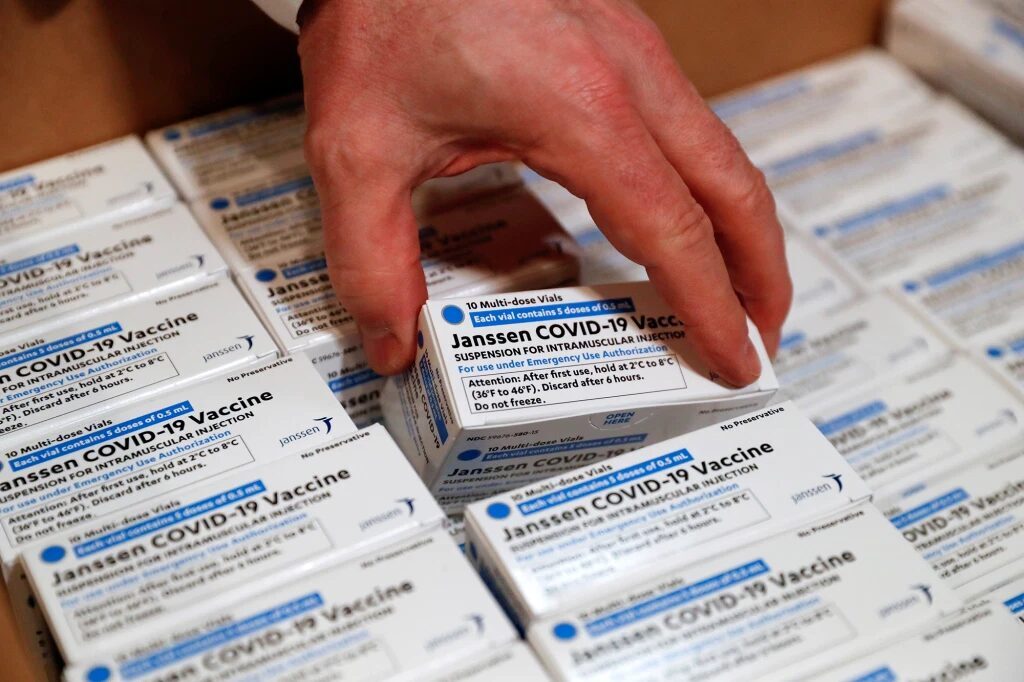
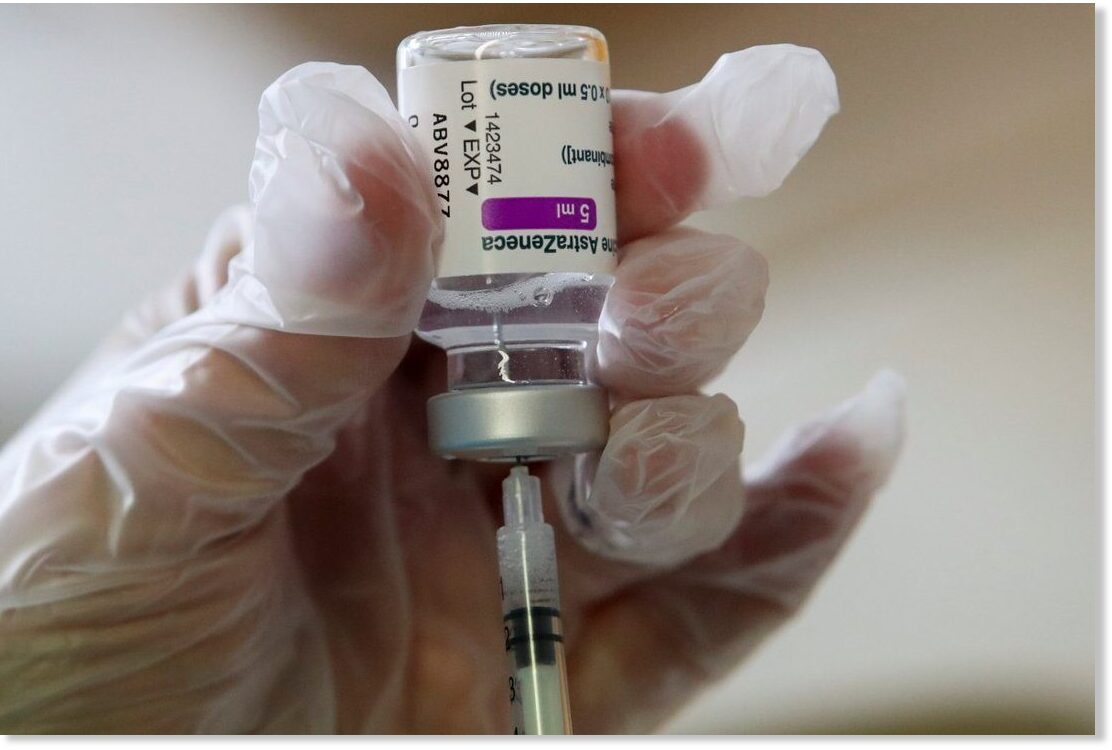
Comment: Whilst that particular reaction may be rare, the world-wide Covid-19 vaccine trials constitute one of the largest experiments on humans ever to have happened, and some of the adverse reactions have been severe enough to necessitate banning the vaccines altogether; moreover, there's evidence that it has actually led to an increase in mortality: