
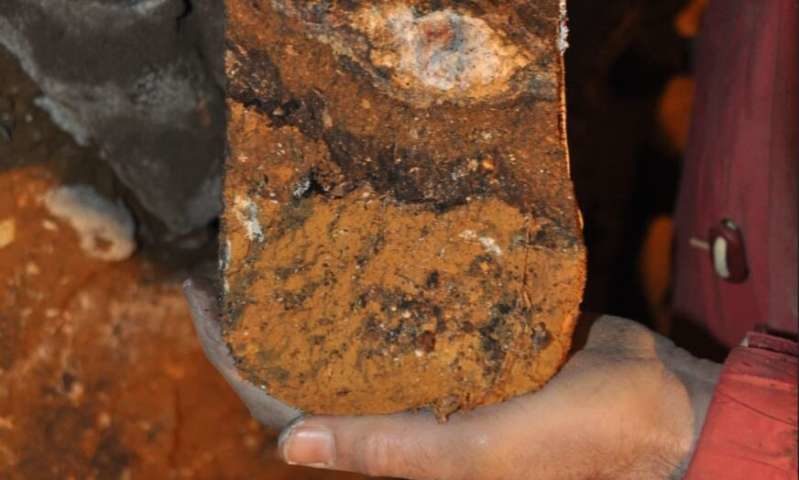
© Dr Mike Morley, Flinders UniversityMicroscopic studies of sediment left in the cave includes fossil droppings left by predatory animals such as hyenas and wolves.
The latest evidence from southern Siberia shows that large cave-dwelling carnivores once dominated the landscape, competing for more than 300,000 years with ancient tribes for prime space in cave shelters.
A team of Russian and Australian scientists have used modern geoarchaeological techniques to unearth new details of day-to-day life in the famous Denisova Cave complex in Siberia's Altai Mountains.
Large carnivores such hyena, wolves and even bears and at least three early nomadic human groups (hominins) - Denisovans, Neanderthals, and early Homo sapiens - used this famous archaeological site, the researchers say in a new Scientific Reports study examining the dirt deposited in the cave complex over thousands of years.











Comment: See also:
- 700,000 years old skull discovered in Greek cave in 1959 shatters Out of Africa theory
- 350,000 years old stone axes discovered in Karain Cave, Turkey
- Wemyss: The Scottish caves housing mysterious carvings from the Bronze Age to the Picts
- Prehistoric cave art study reveals ancient people had complex knowledge of astronomy and were tracking catastrophic meteor showers
- 50,000 year old "tiara" found in Denisovan cave in Siberia, may be oldest of its kind
And check out SOTT radio's: MindMatters: America Before: Comets, Catastrophes, Mounds and Mythology