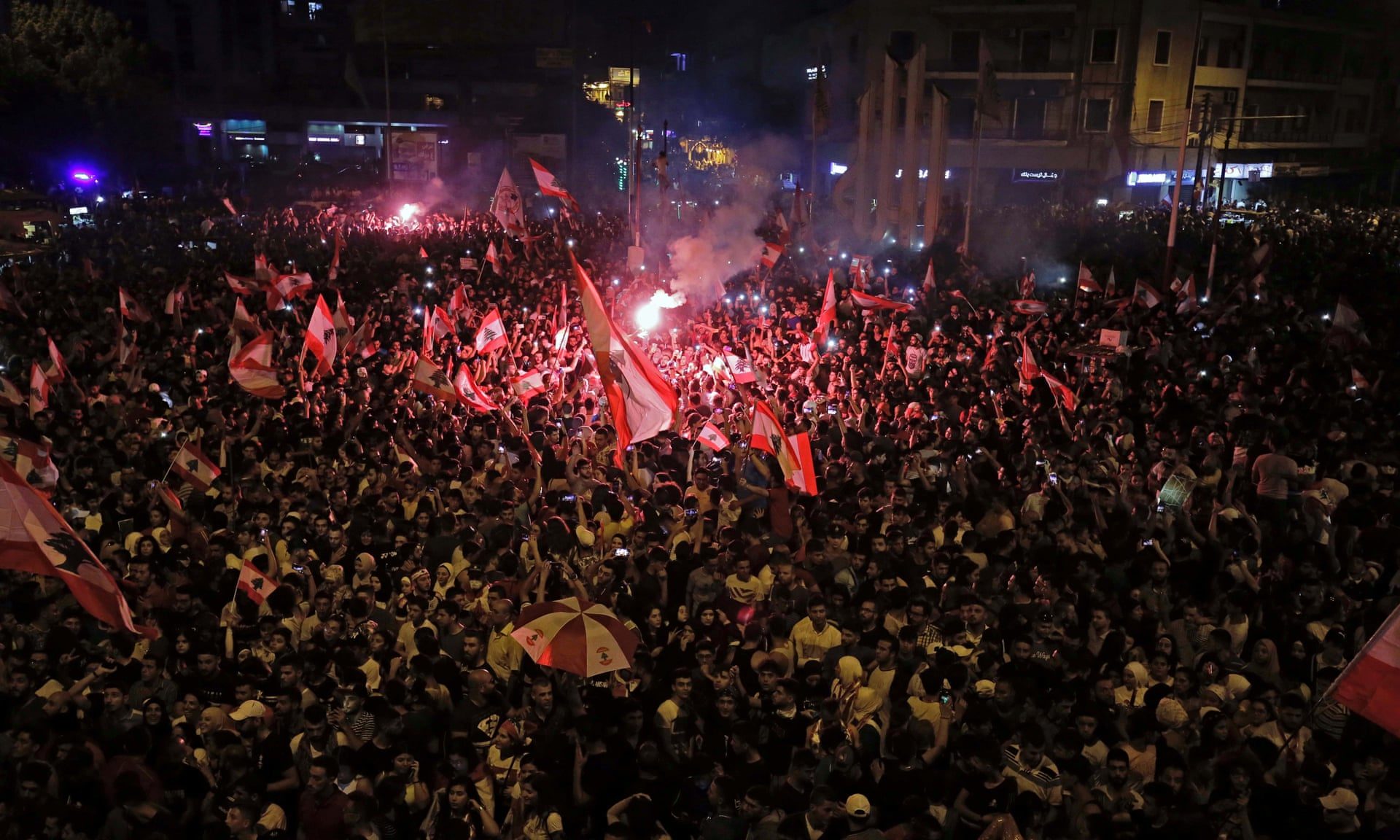
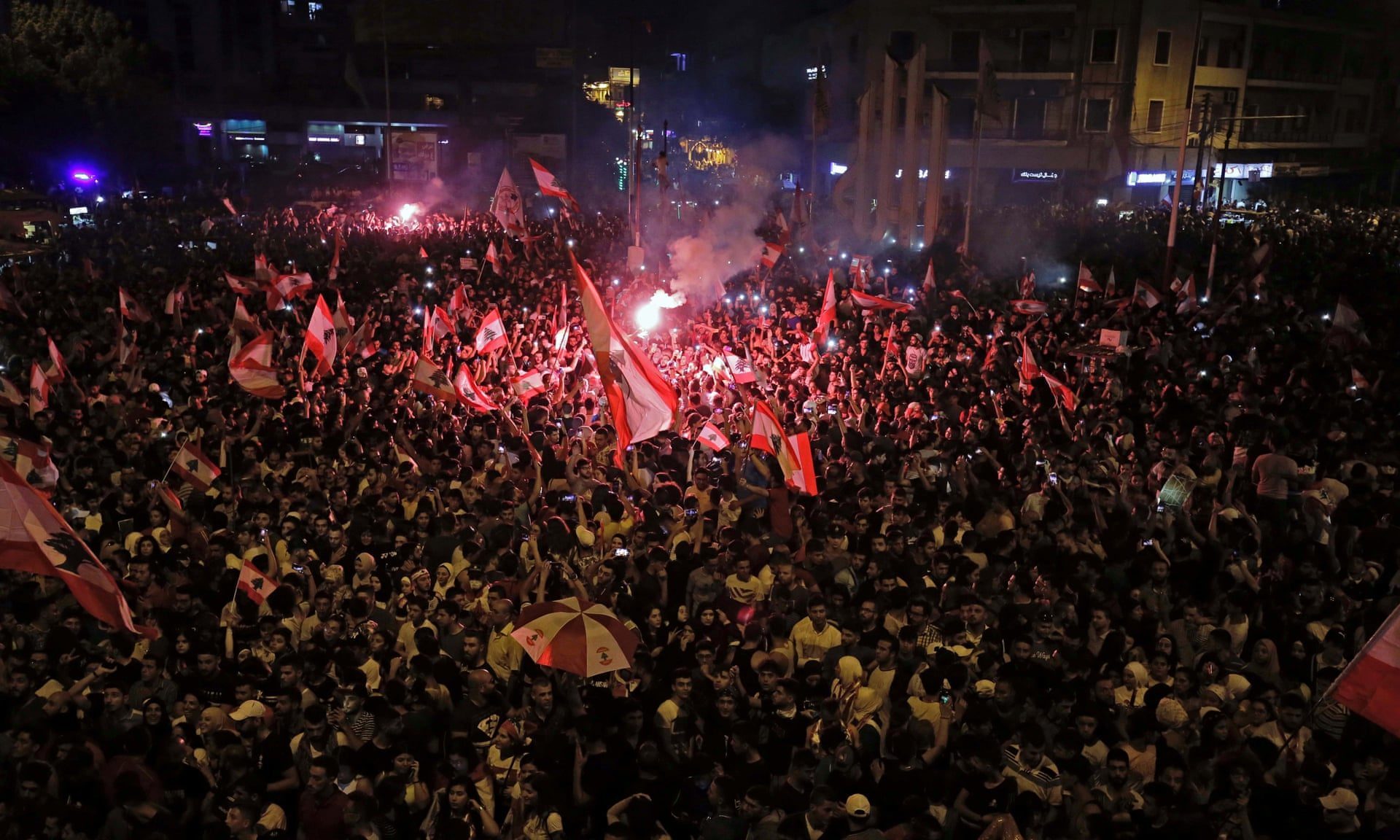
The Lebanese are not messing around: about one third of the country's population are occupying the streets with all-day long parties!
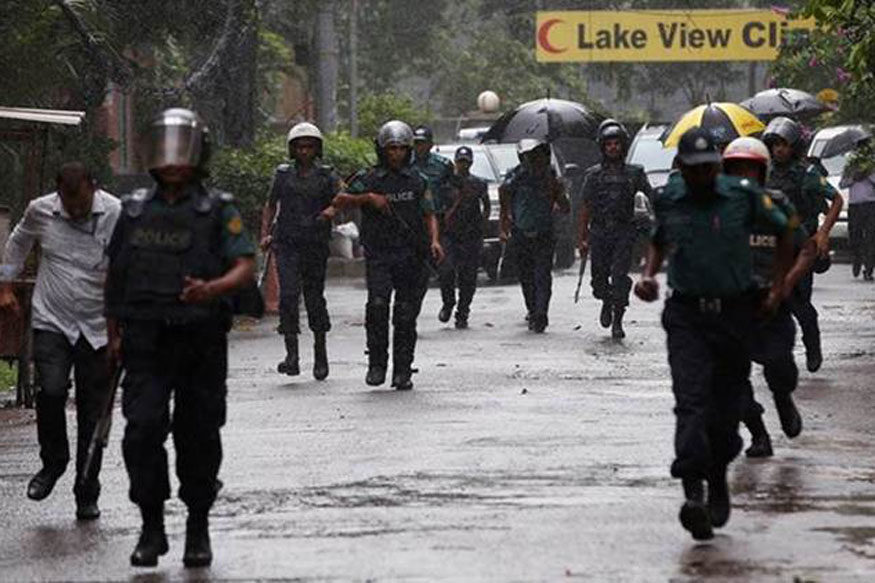
At least 52 members of Lebanon's security forces have been injured during anti-government protests in Beirut, while 70 people have been detained, the Lebanese Internal Security Forces (ISF) said.
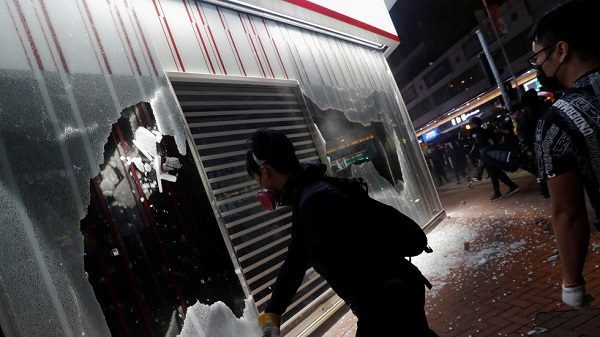
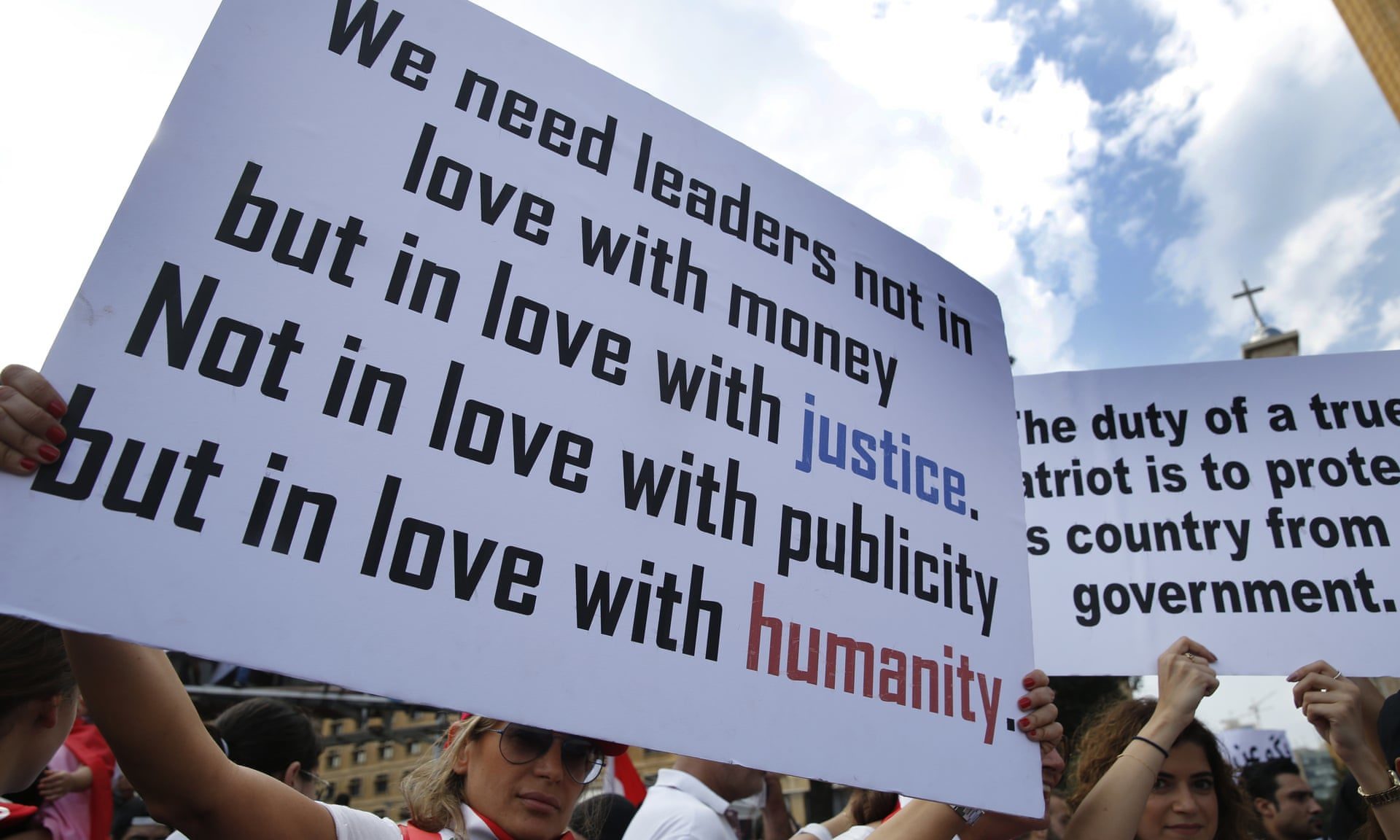
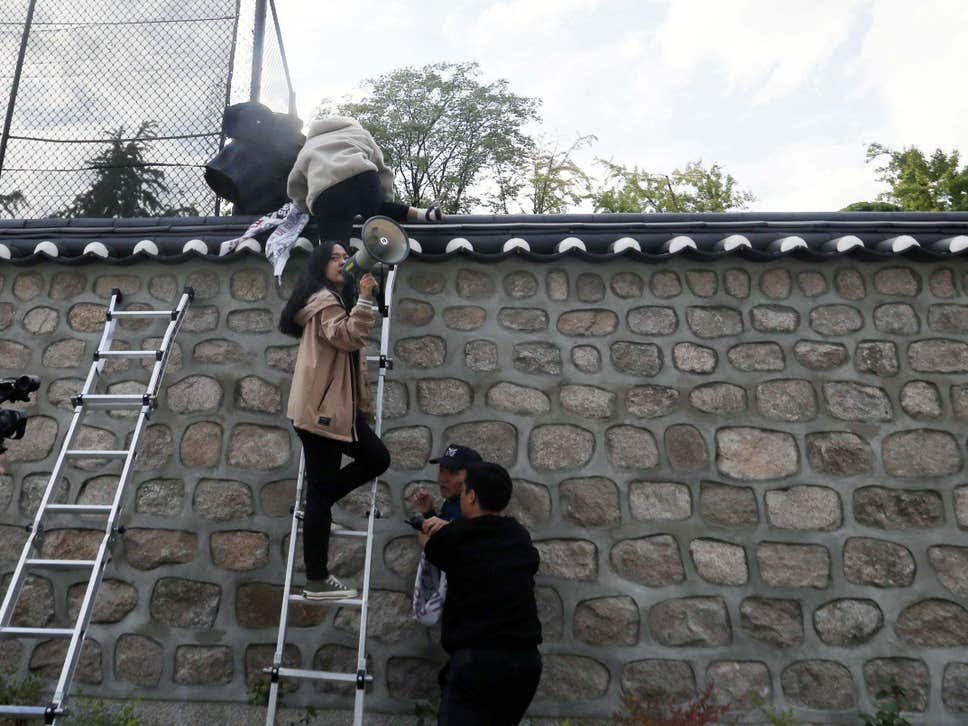
Since Thursday, Beirut and other cities have been gripped by protests with the demonstrators demanding that the government resign and action be taken to cope with the worsening economic situation in the country. The protesters blocked off major highways. In central Beirut, the rallies turned violent as the demonstrators threw Molotov cocktails on the police, while the security forces resorted to using stun grenades, rubber bullets and tear gas. Early on Friday, the ISF's General Directorate announced that 40 security personnel were injured in the clashes.
"The number of those injured among the Internal Security Forces personnel has reached 52, while 70 people were detained while they were carrying out acts of vandalism, arson and robbery in Beirut," the forces wrote on Twitter late on Friday.
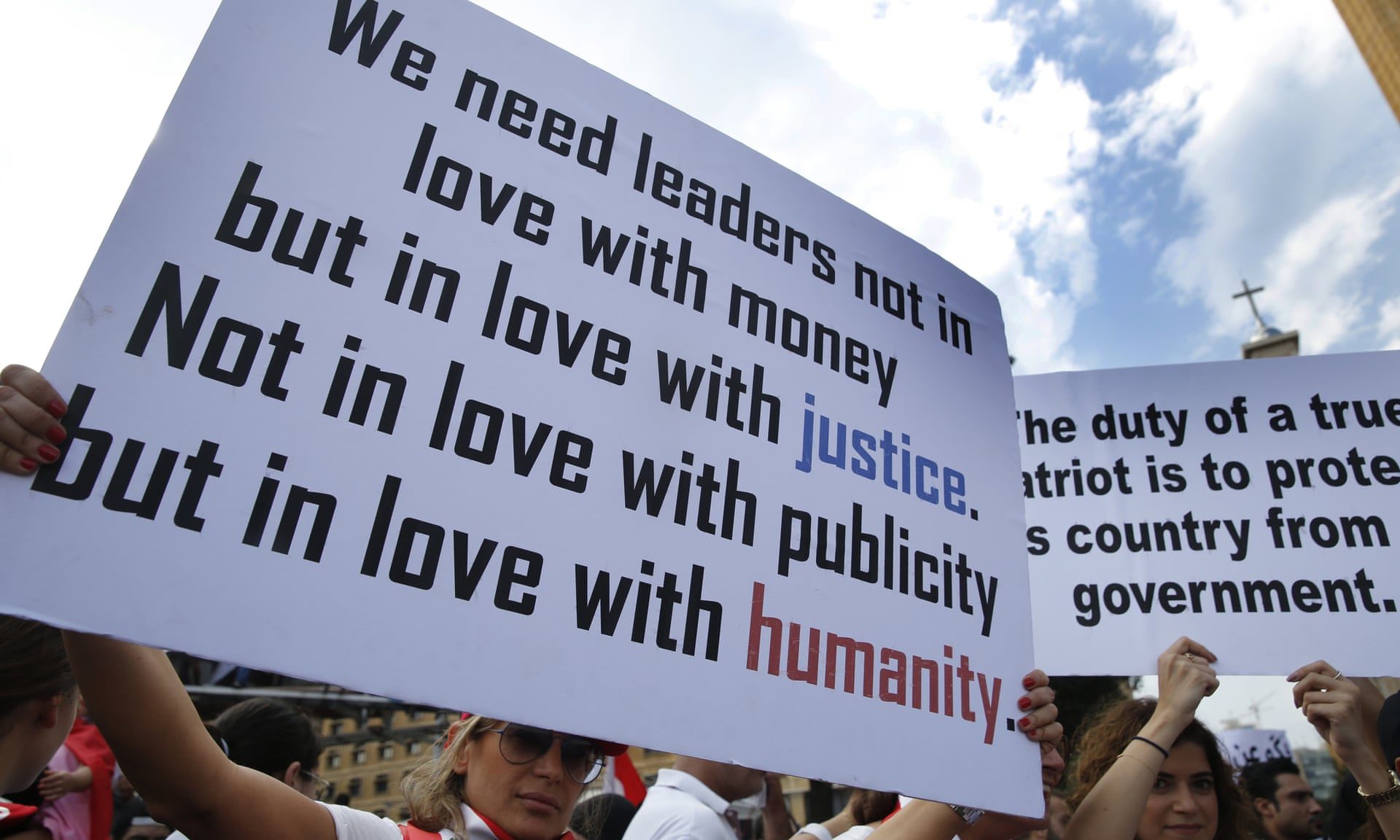
Says just about everyone everywhere!
Comment: Pepe Escobar shares his analysis of the situation:
Govts everywhere are finding that people everywhere have had it up to here with increasing taxes. Are we witnessing some kind of global rebellion?
Sputnik
reports:
Protests started in Lebanon on Thursday after the government announced that it plans to charge 20 cents a day for calls via FaceTime and WhatsApp.
People are taking to the streets of central Beirut to protest over the government's latest initiative to introduce a tax for the use of messaging applications.
Earlier in the day, Lebanese security forces used tear gas and rubber batons to disperse crowds of protesters.
On Thursday, the government approved imposing a $6 monthly tax on online calls via mobile applications in a bid to raise additional funds for its debt-ridden budget. Moreover, the authorities introduced a new tax on tobacco and announced plans to increase the value-added tax (VAT) to 15 percent by 2020. The measures sparked mass protests in Beirut and other cities.
The clashes between security forces and protesters occurred in Riad Al Solh Square in the heart of Beirut.
Early on Friday, the ISF's General Directorate announced that 40 security personnel were injured following the clashes.
Check out the
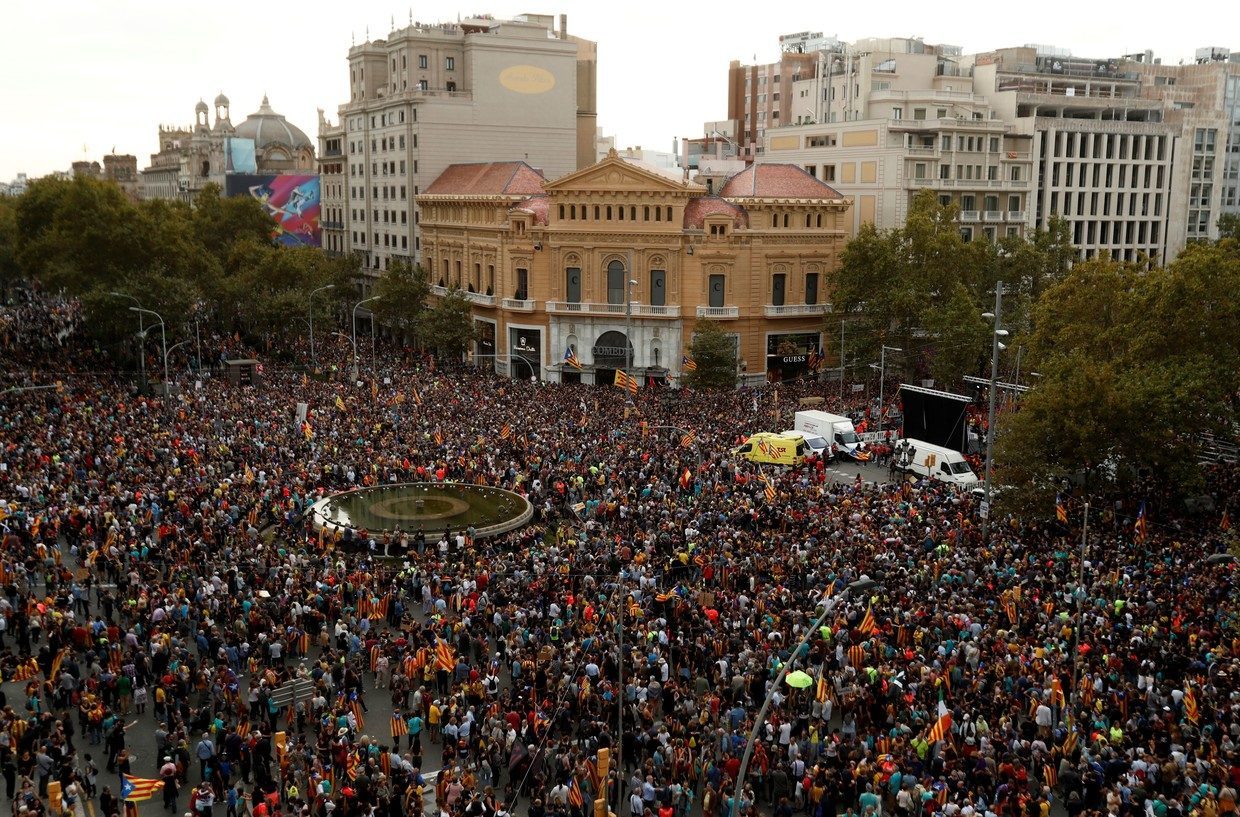
scale of this!
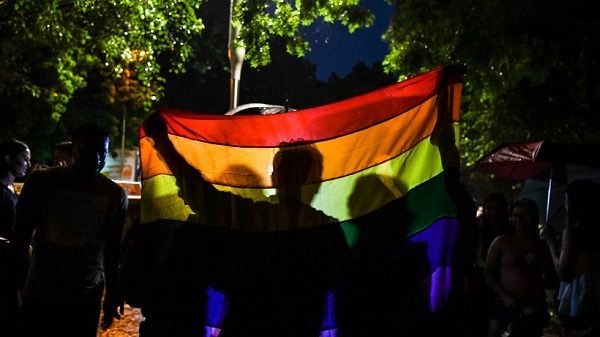
They're having a lot of fun while they're at it!

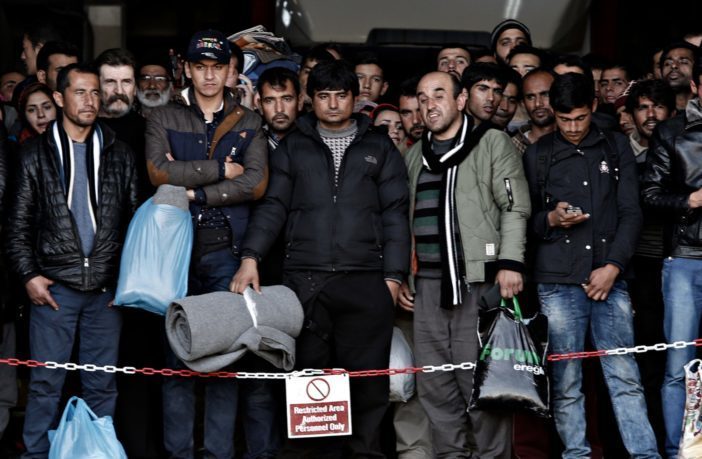










Comment: And it hasn't gone unnoticed: "This is a bomb that will explode": Greek ministers admit services overwhelmed after riots at refugee camp on Lesbos
See also:
- French border officials caught forging applications to send migrants back to Italy
- Immigration, Crime and Propaganda
Also check out SOTT radio's: The Truth Perspective: Weapons of Mass Migration: Interview with Michael Springmann on Europe's Migrant Crisis