
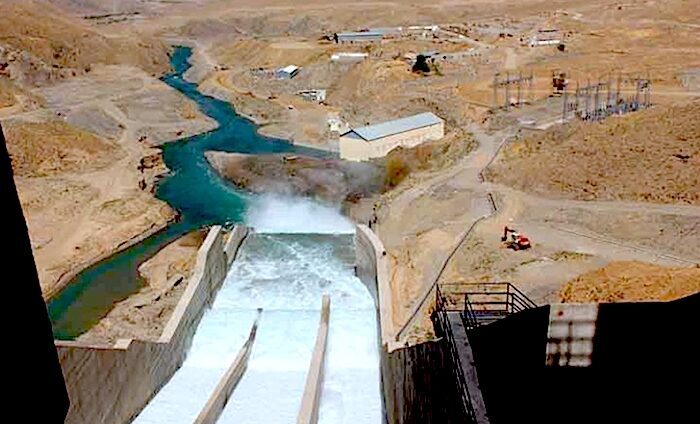
© Anadolu AgencyKamal Khan Dam
According to the report, the gates of Kamal Khan Dam were opened as part of an agreement between the Taliban and Iran which also saw the Islamic Republic resume fuel exports to Afghanistan on 23 August.
Kamal Khan Dam was inaugurated in March of this year by exiled Afghan President Ashraf Ghani, who declared that Afghanistan would no longer give away free water to anyone and if they wanted it, Iran needed to provide fuel to Afghans in exchange. By doing so, Tehran says Ghani violated the Helmand River Treaty of 1973 which divided the water between the two countries.
But Iranian officials say that Afghanistan's decision to cut Iran off from a major water source was not done in response to water scarcity, but rather due to Washington's persistence on using any means necessary to put pressure on Tehran.

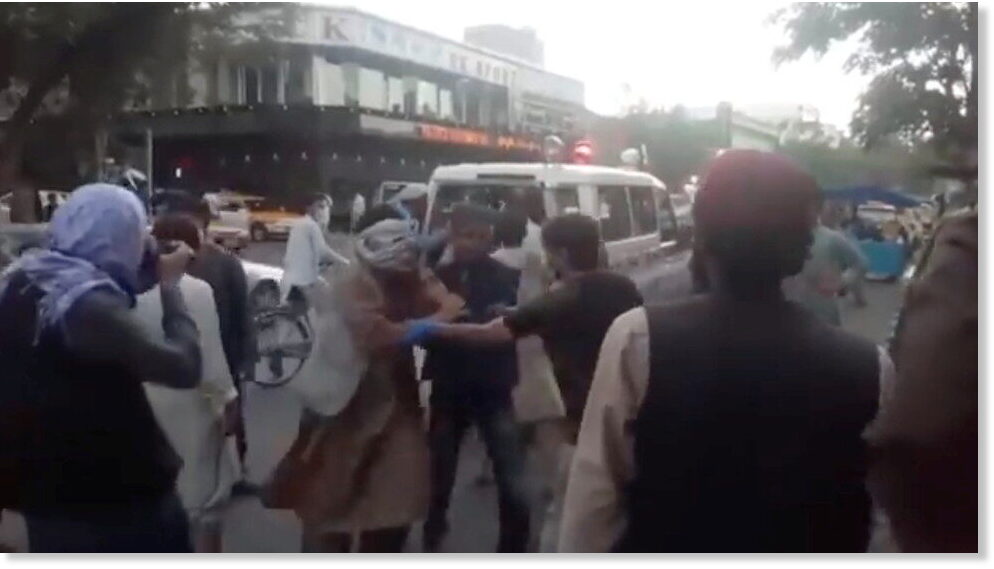


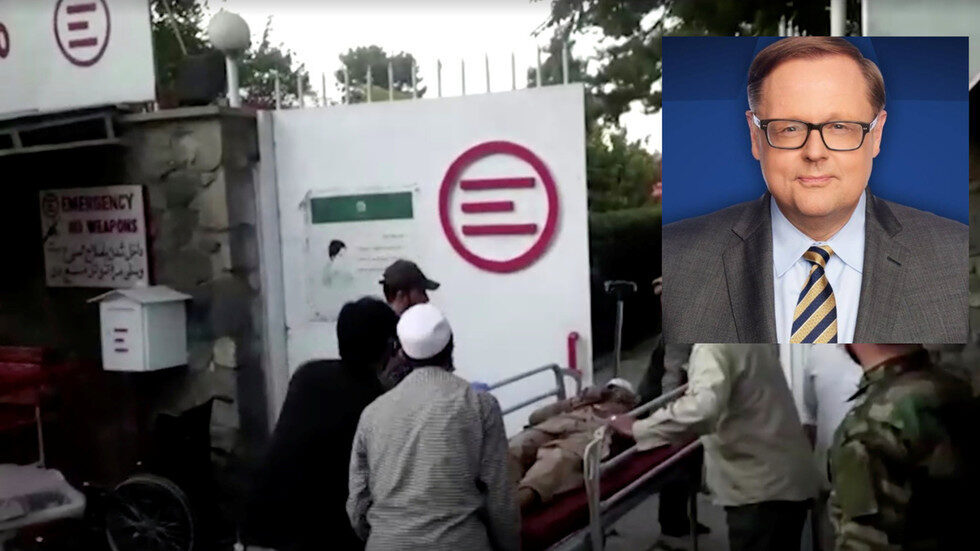














Comment: Just prior to the attack, western governments were warning about the possibility of an attack at the airport by ISIS-K (ISIS in Khorasan, Afghanistan). According to a Taliban official, they were the ones who alerted NATO forces about the "imminent" suicide bomb attack: "Multiple" U.S. service members were killed (so far 4 Marines confirmed, 3 wounded).
UPDATE:
The above were apparently controlled detonations.
UPDATE: The death toll currently stands at 170, very close to the report from Amaq claiming responsibility. Close to 200 wounded. Thirteen U.S. troops were killed, along with at least 28 Taliban members. Despite initial reports of two explosions, the Pentagon claims there was only one bomber, and no explosion near the Baron Hotel. General Taylor says the media report of that explosion was false.
An Afghan witness to the bombing shared his observations with RT: