OF THE
TIMES
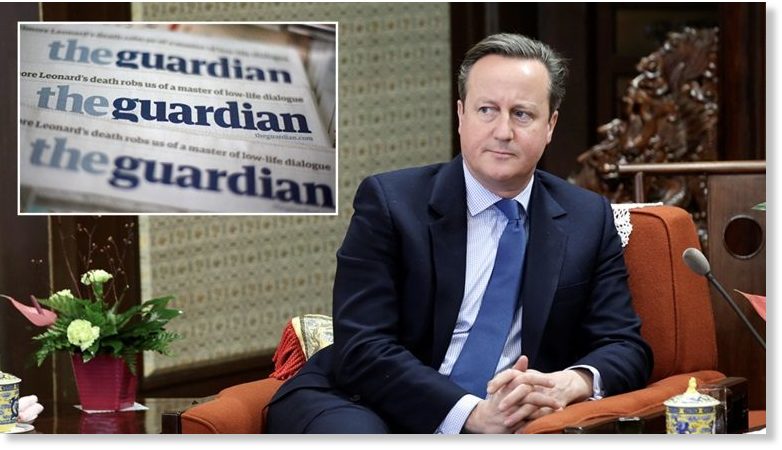
Mr Cameron has known pain and failure in his life but it has always been limited failure and privileged pain.
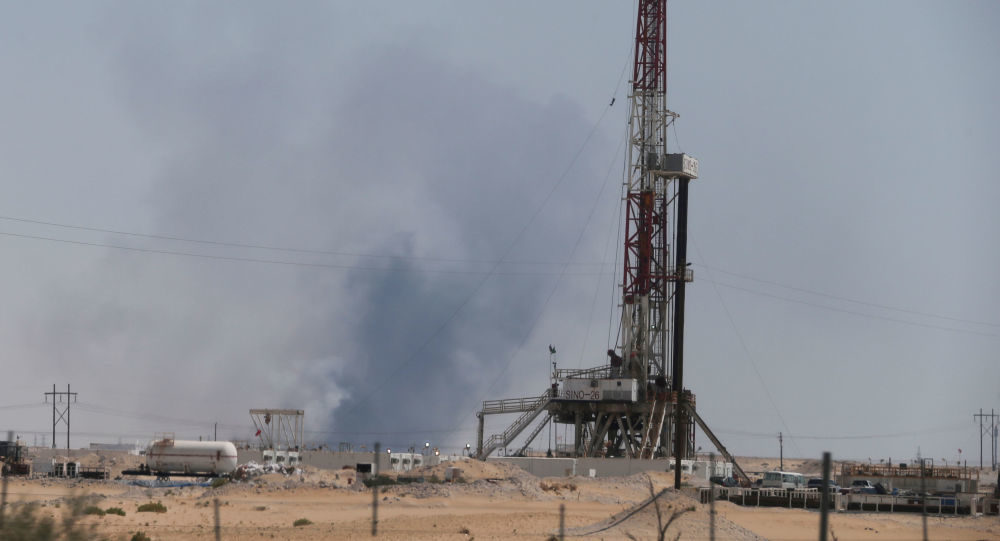
Speaking at a press conference in Riyadh on Monday, coalition spokesman Col. Turki al-Malki said the investigation was still ongoing, and that investigators were presently looking to figure out "from where" the missiles used in the strikes "were fired."It's much easier to blame Iran than to admit that the "rag-tag" Houthis have the capability to evade American-made air defenses and cripple Saudi oil capabilities. China has cautioned against making premature accusations (but when has that ever stopped the U.S. and their allies?):
According to the officer, the drones were not launched from Yemen, as claimed by the Houthis.
"The investigation is continuing and all indications are that weapons used in both attacks came from Iran," al-Maliki said.
Al-Maliki promised that the military would present the results of its investigation to the media when it was completed.
The Houthis, a rag-tag Yemeni militia against which Saudi Arabia and a coalition of mostly Gulf states has been waging war since 2015, claimed responsibility for the Saturday attacks, saying they used ten drones to strike the facilities following careful preparations, and warning that they would make further surprise attacks until Riyadh ended its "aggression and blockade of Yemen."
On Monday, amid US claims that Iran was responsible for the attacks, Mohammed al-Bukhaiti, a member of the Houthis' Supreme Political Council, told Iranian media that attempts to blame the Houthis' strikes on other countries was an act of "cowardice."
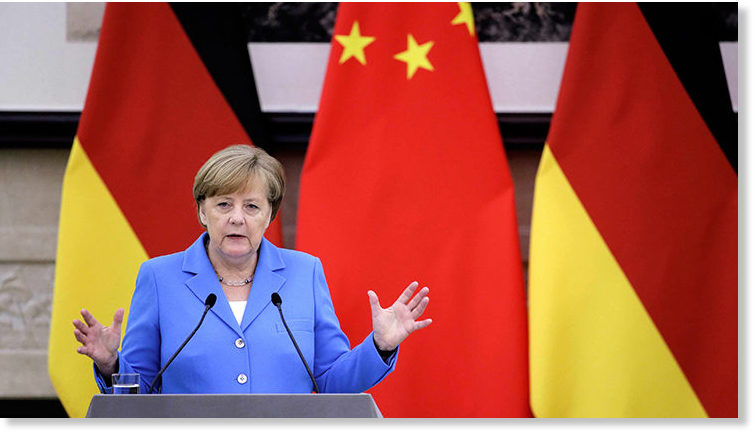
Chinese Foreign Ministry spokeswoman Hua Chunying urged against jumping to conclusions over the attack, which hit the world's biggest oil-processing facility, stressing that a needless escalation in the region should be avoided.Meanwhile oil prices have skyrocketed 20% in the wake of the attacks.
"Pondering who is to blame in the absence of a conclusive investigation, I think, is in itself not very responsible. China's position is that we oppose any moves that expand or intensify conflict," Hua said on Monday during a press briefing.
She implored all parties concerned to "restrain themselves" in order to "safeguard peace and stability" in the Middle East.

Trump Says U.S. 'Locked And Loaded' After Attack On Saudi Oil FieldsSee also:
Iran has rejected U.S. accusations that it was behind an attack that disabled about half of Saudi Arabia's oil production, the biggest disruption to world crude supplies ever.
"These allegations are condemned as unacceptable and entirely baseless," Foreign Ministry spokesman Abbas Musavi said on September 16 in remarks broadcast by state TV.
U.S. officials have said that evidence from the September 14 attack showed that Iran was behind it, and not the Yemeni Huthi group that had claimed responsibility.
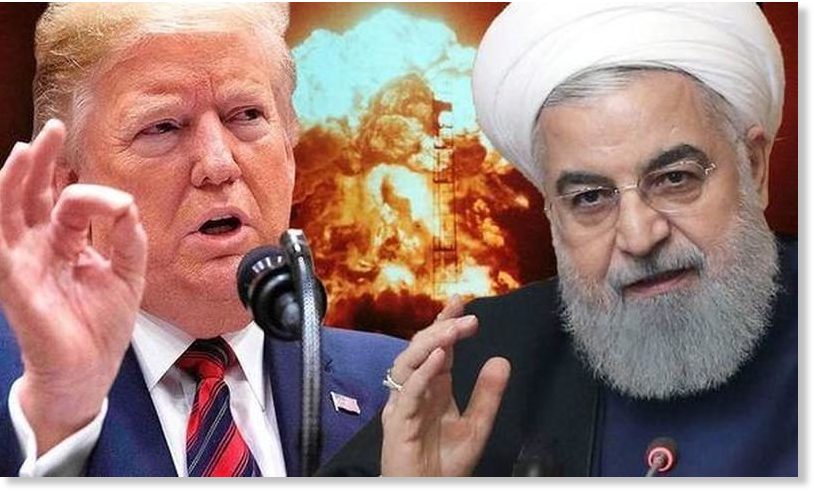
U.S. President Donald Trump warned on September 15 that the United States is "locked and loaded" and ready to retaliate in response to the attack on the world's largest oil-processing facility.
"Saudi Arabia oil supply was attacked," Trump said on September 15 on Twitter. "There is reason to believe that we know the culprit, are locked and loaded depending on verification, but are waiting to hear from the [Saudi] kingdom as to who they believe was the cause of this attack, and under what terms we would proceed!"
While Washington was quick to point a finger, other countries urged restraint until the picture surrounding the attack, first reported to possibly having been carried out by drones, was clearer.
British Foreign Secretary Dominic Raab called the attack "a wanton violation of international law," but he also said that "in terms of who is responsible, the picture is not entirely clear."
Similarly, China said it was not responsible to accuse others "in the absence of a conclusive investigation or verdict."
The weekend attack has rattled world energy markets.
At the start of trading on September 16, Brent crude soared by 19 percent to $71.95 a barrel, while the West Texas Intermediate rose by 15 percent to $63.34, according to BBC Business.
'Unprecedented Attack'
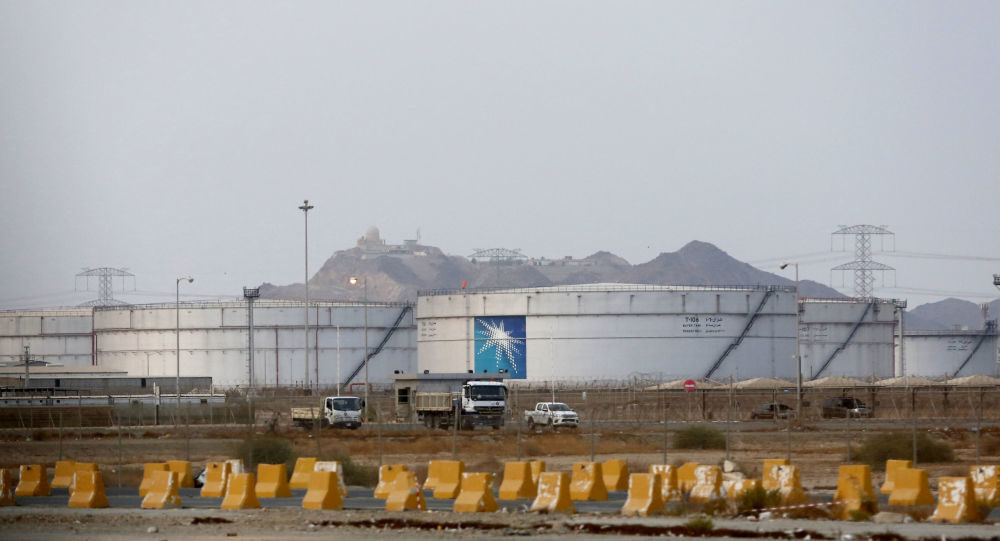
The September 14 attacks reduced production by 5.7 million barrels a day, state oil giant Saudi Aramco said -- nearly half the kingdom's output. That affects 5 percent of the world's daily oil production, Reuters and The Wall Street Journal reported.
Saudi officials said a third of crude output will be back online on September 16.
In pointing the finger at Tehran, U.S. officials noted the attacks came from a direction indicating that Iran was behind them and that cruise missiles may have been used, not drones as Iranian-backed Huthi rebels in Yemen had claimed.
Iran rejected U.S. accusations that it was behind the attack and warned that U.S. land and naval forces in the region were within range of its missiles.
Musavi also said that Tehran is ready to take another step in reducing its commitments to the Joint Comprehensive Plan of Action (JCPOA) for Iran's nuclear program, which the United States pulled out of last year.
Iran has already announced three stages of reducing its commitments to the accord in response to sanctions the United States reinstated when Washington abandoned the deal between Iran and world powers including China, Britain, France, Germany, and Russia.
"The third stage [of the process to reduce commitments] continues and preparations are under way for a fourth stage," Musavi said.
The September 15 comments by top Iranian officials followed accusations from U.S. Secretary of State Mike Pompeo, who charged that Tehran had launched "an unprecedented attack" on global energy supplies.
"Tehran is behind nearly 100 attacks on Saudi Arabia while [Iranian President Hassan] Rohani and [Foreign Minister Mohammad Javad] Zarif pretend to engage in diplomacy," Pompeo said in the Twitter post.
Despite the rising tensions, the White House left open the door that Trump could meet with Rohani at the United Nations General Assembly in New York, which begins on September 17.
Musavi, who said earlier that the U.S. accusations were intended to justify "future actions" against Iran, all but ruled out such a meeting, saying "we have neither planned for this meeting, nor do I think such a thing would happen in New York."
A senior Iranian Islamic Revolutionary Guards Corps commander, meanwhile, warned that the country was ready for war.
"Everybody should know that all American bases and their aircraft carriers in a distance of up to 2,000 kilometers around Iran are within the range of our missiles," the semiofficial Tasnim news agency quoted commander Amirali Hajizadeh as saying.
Since March 2015, a Saudi-led coalition has been battling the Huthi rebels, which are part of a regional network of militant groups aligned with Iran. The Shi'ite insurgent group holds Yemen's capital, Sanaa, and other territory in the Arab world's poorest country.
The conflict has been in military stalemate for years.
Comment: Every person with an ounce of empathy should cancel their Guardian subscriptions after this shameful attack. As the saying goes, get woke and go broke. Hopefully The Guardian finds that out the hard way.